
Day 45. Friday 15 May.
Another crisp, cloudy day so maybe (maybe not) skip the umbrellas? D carries his after being urged to do so by T, who leaves hers behind. T has had a lovely catch-up call home & is ready for another day in the throngs of Prague.
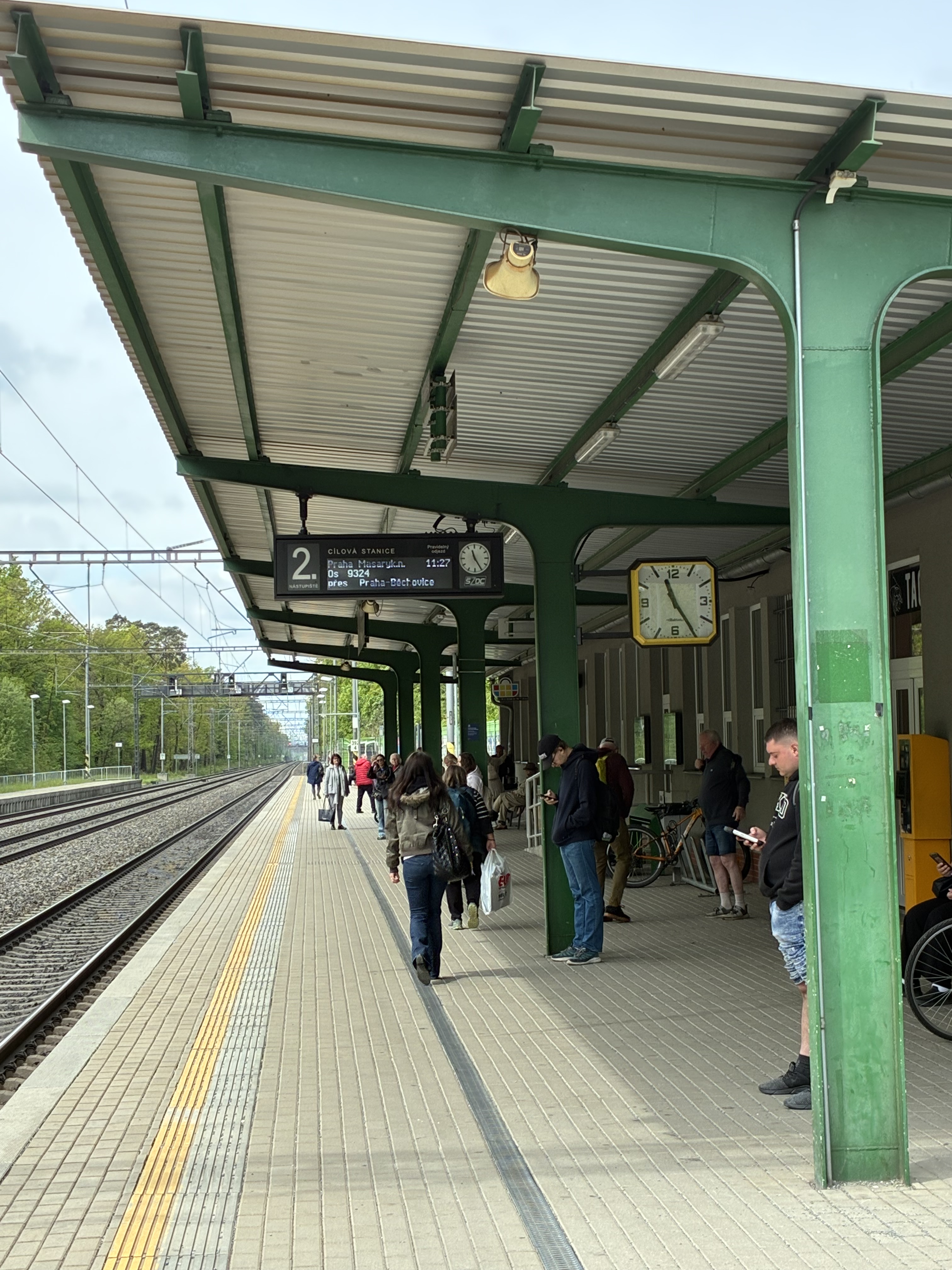
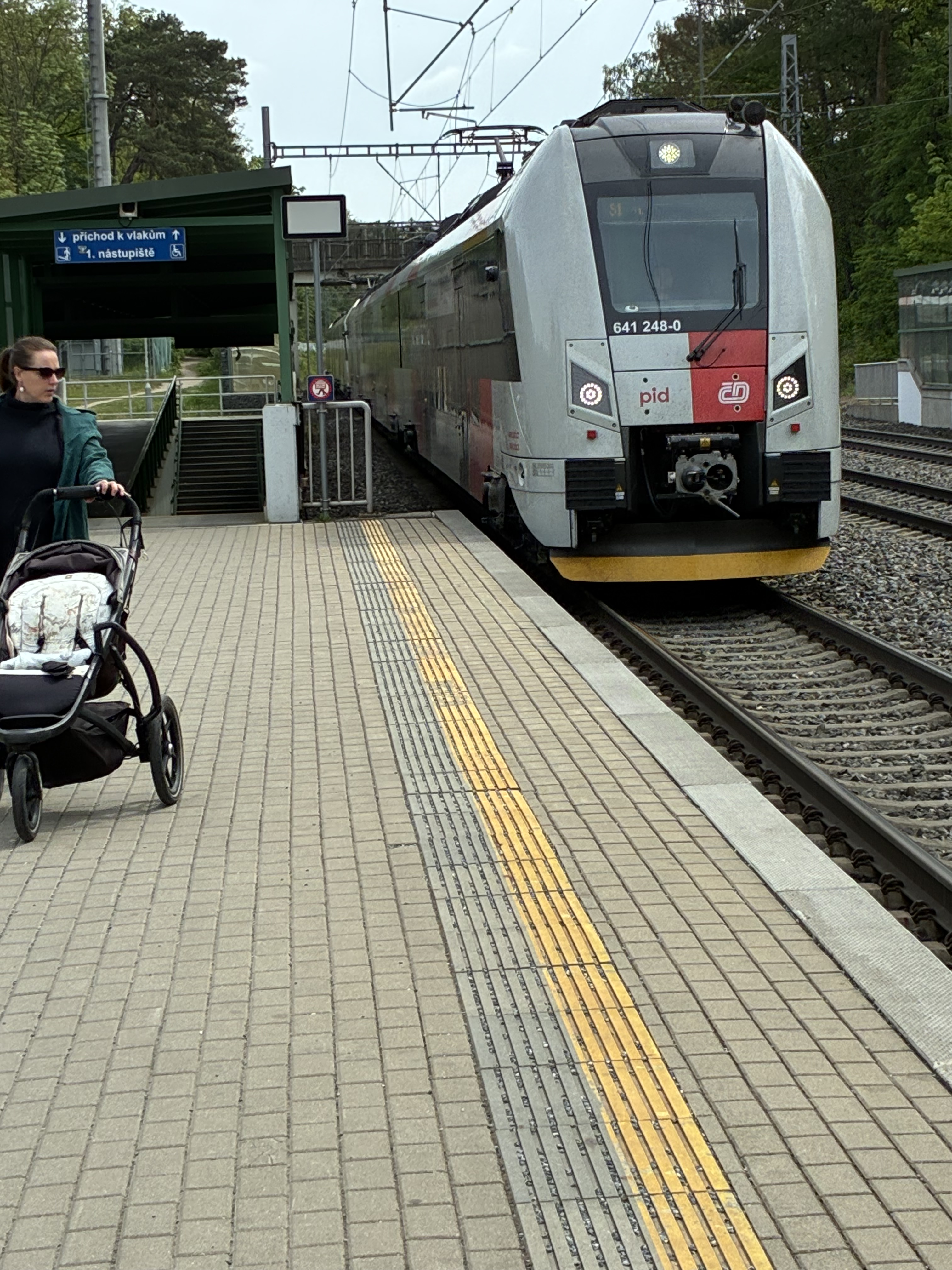
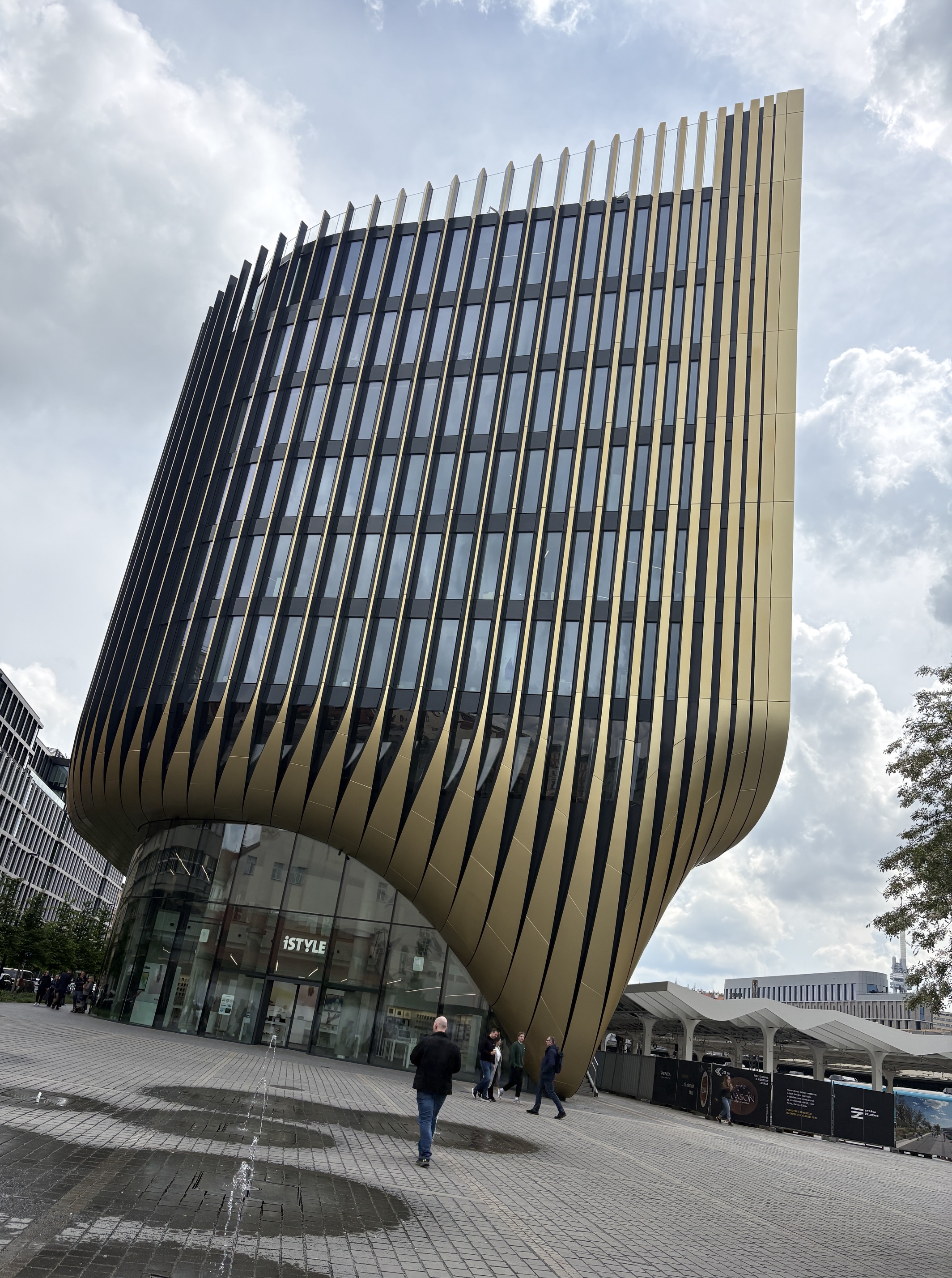
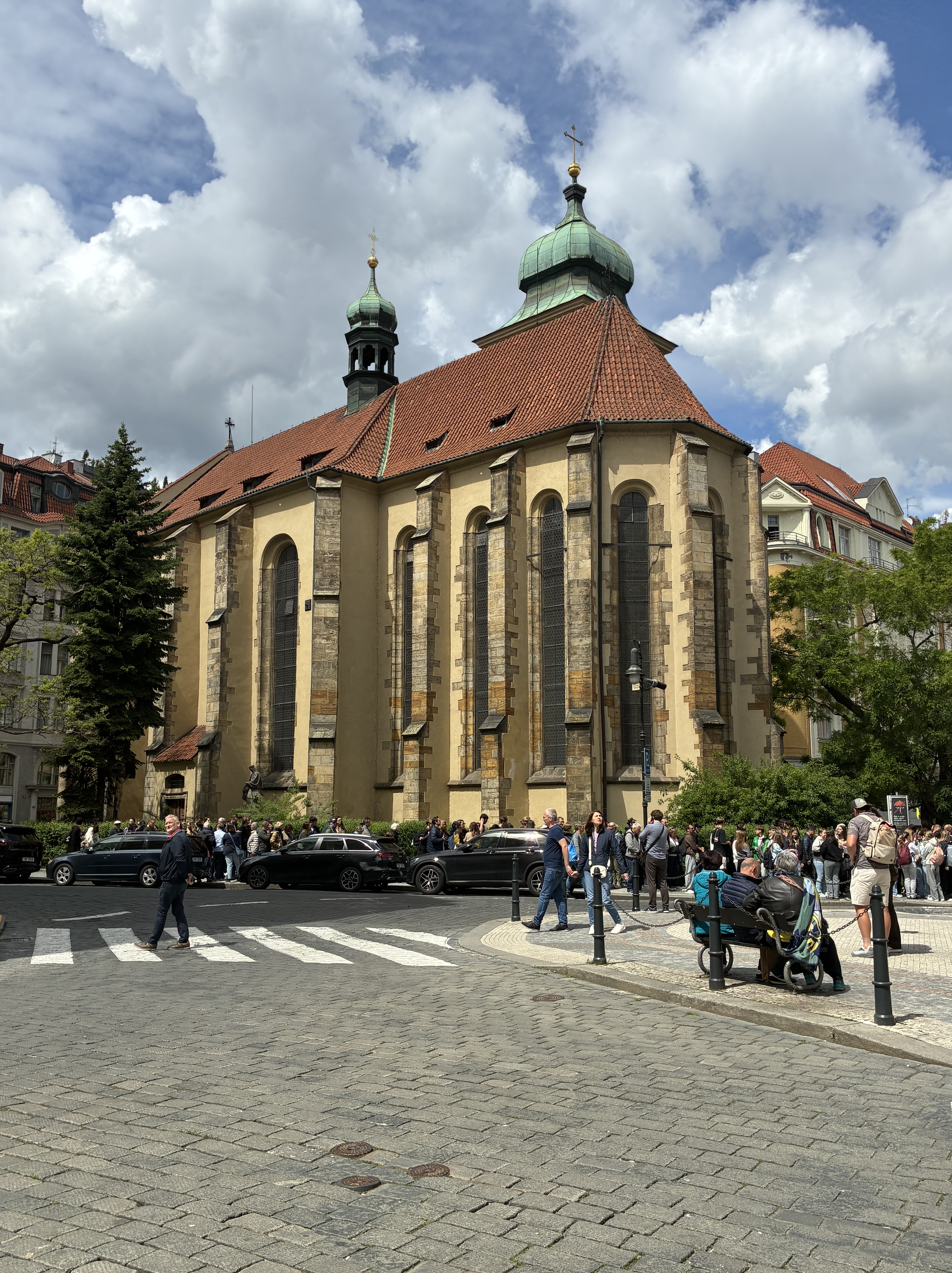
First task on arrival in Prague was to recce the walk from the train station to the bus station to feel comfortable about our journey to Bratislava next week. It is about ten minutes easy walk and looks like the system there is straightforward. Touch wood. Came across some quite different architecture – and some more traditional at the Spanelska synagogue (Spanish Synagogue.)
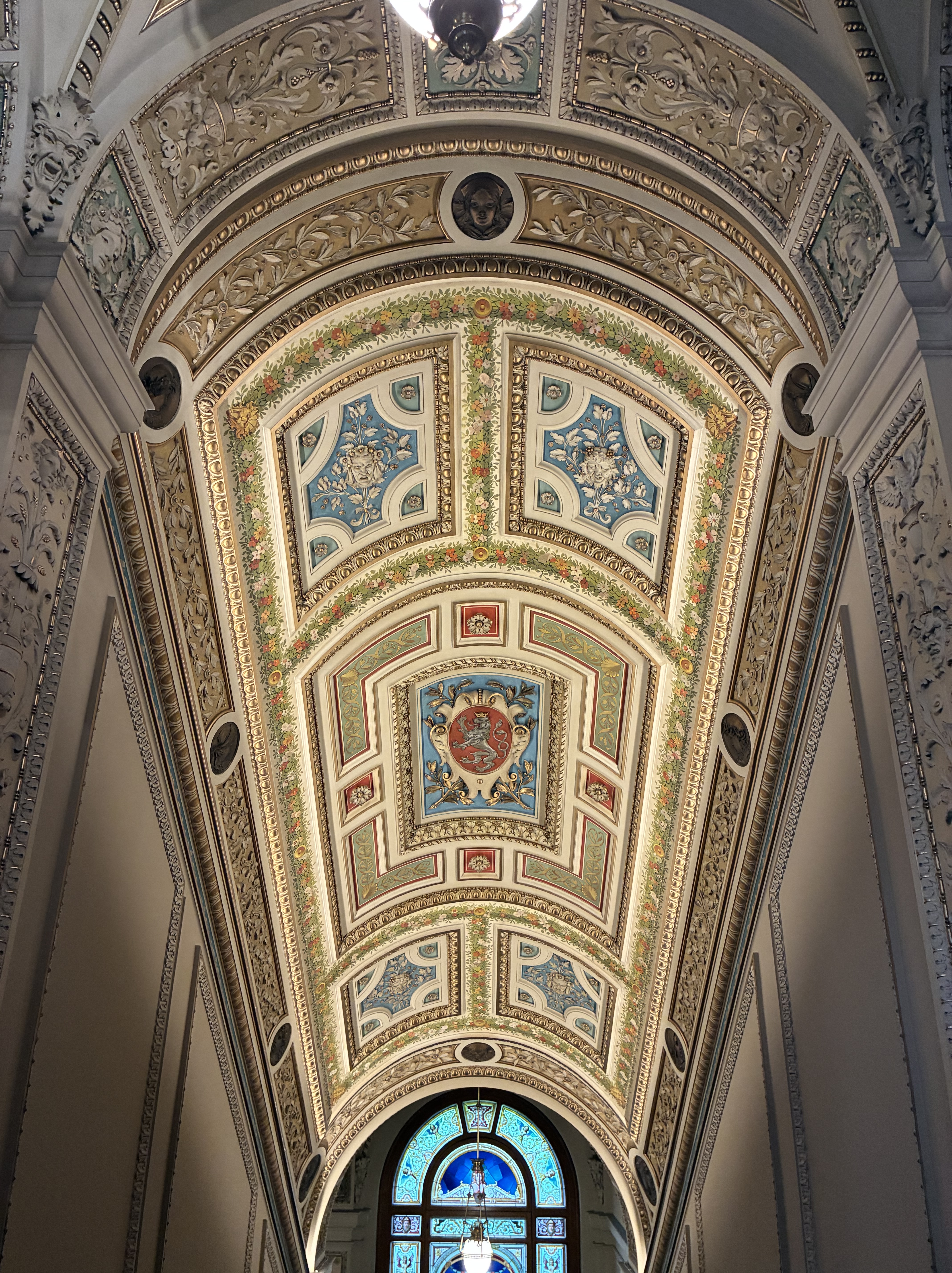
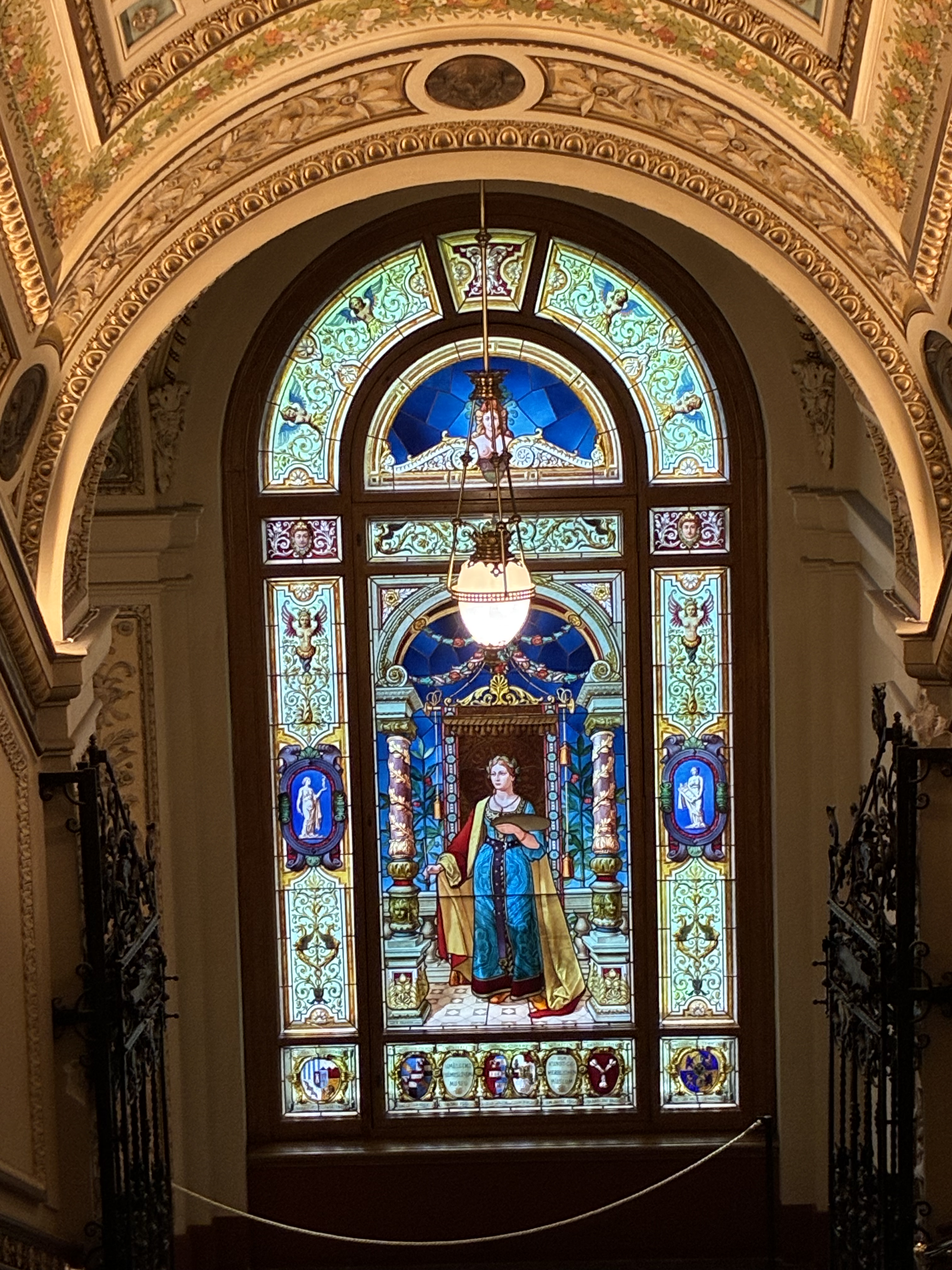
From there to the Museum of Decorative Arts. There two permanent exhibitions – one called Pleiad of Glass 1946-2019 and six other permanent sections grouped under the title Art, Life. Art for Life and a temporary exhibition focused on the vase.
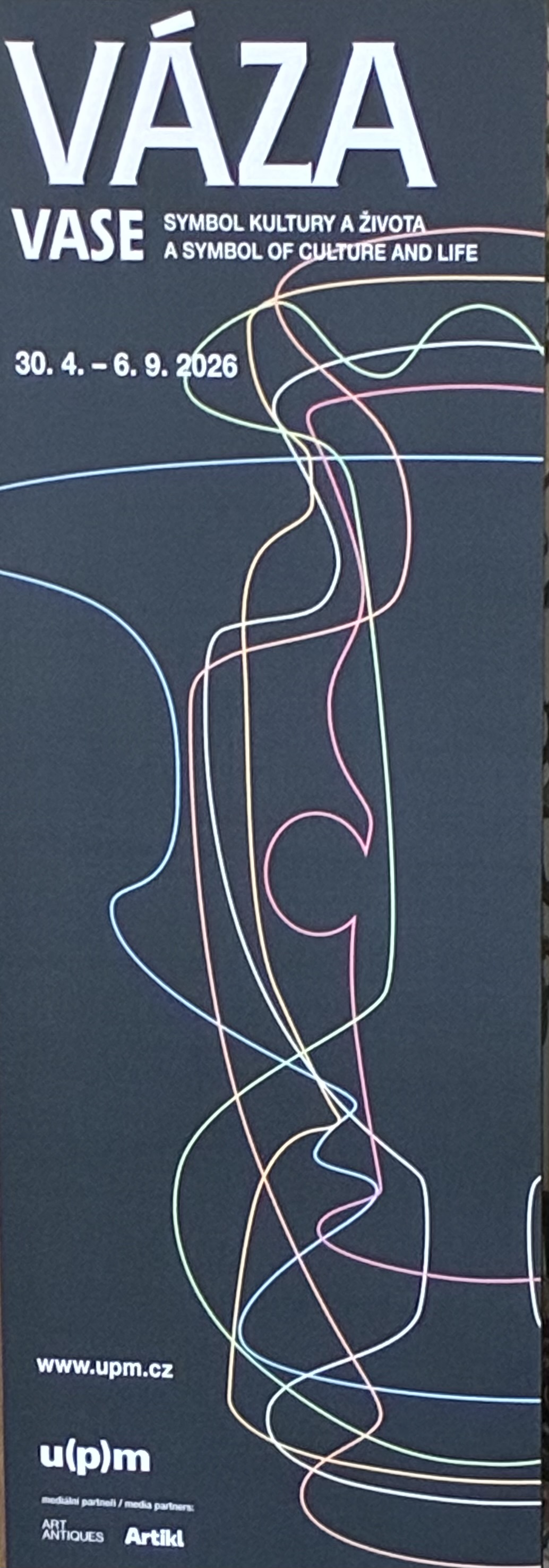
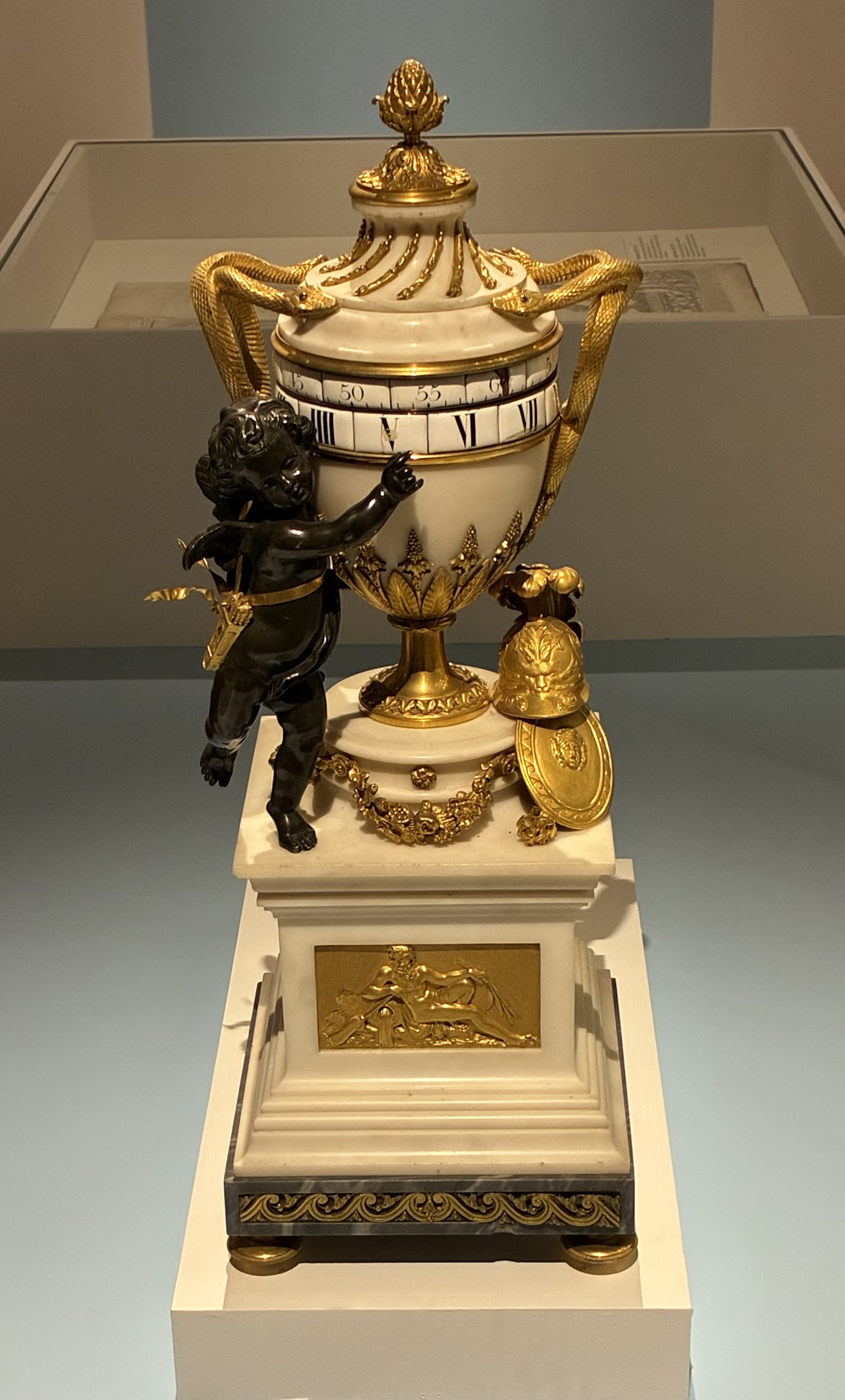
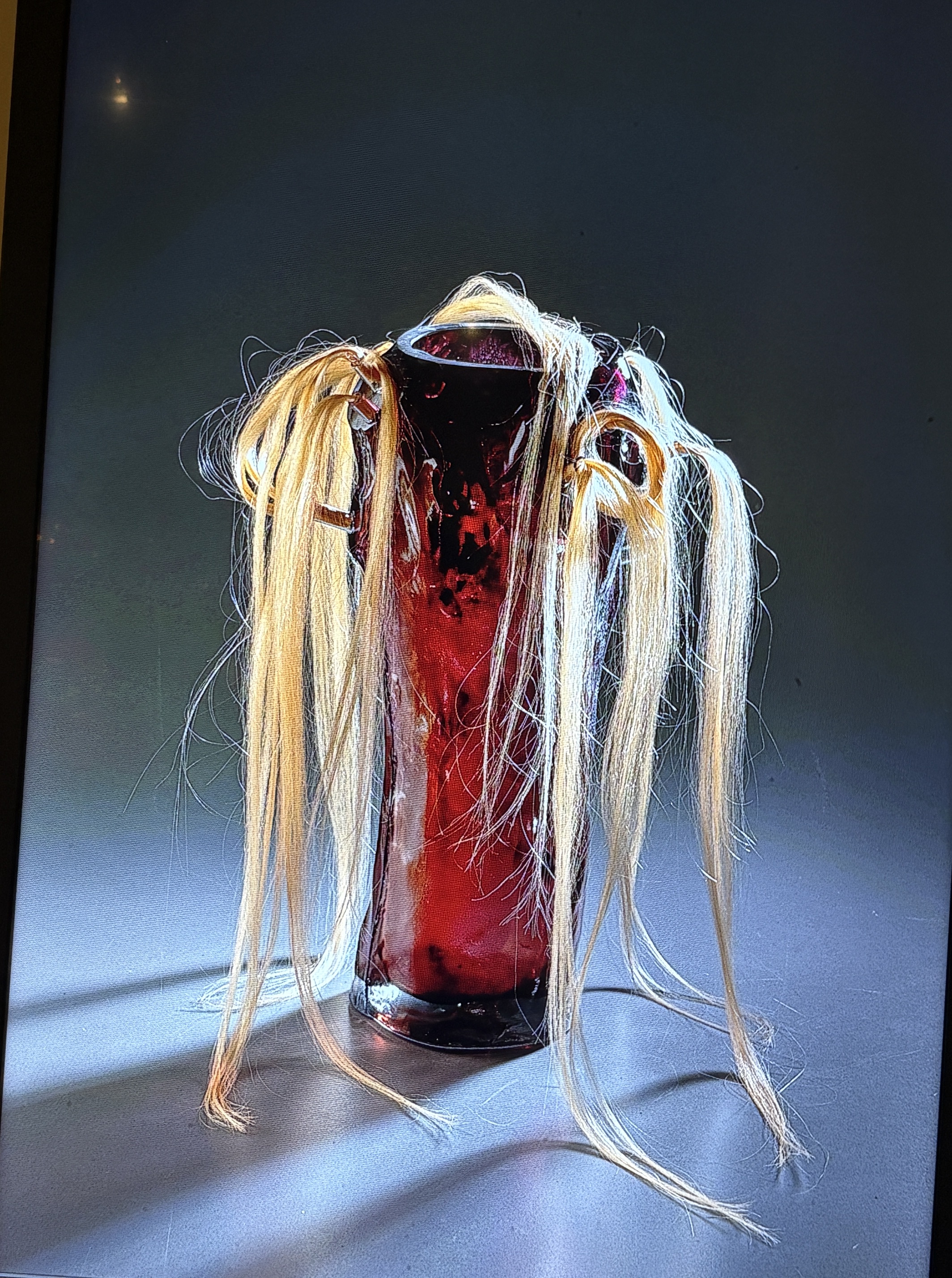
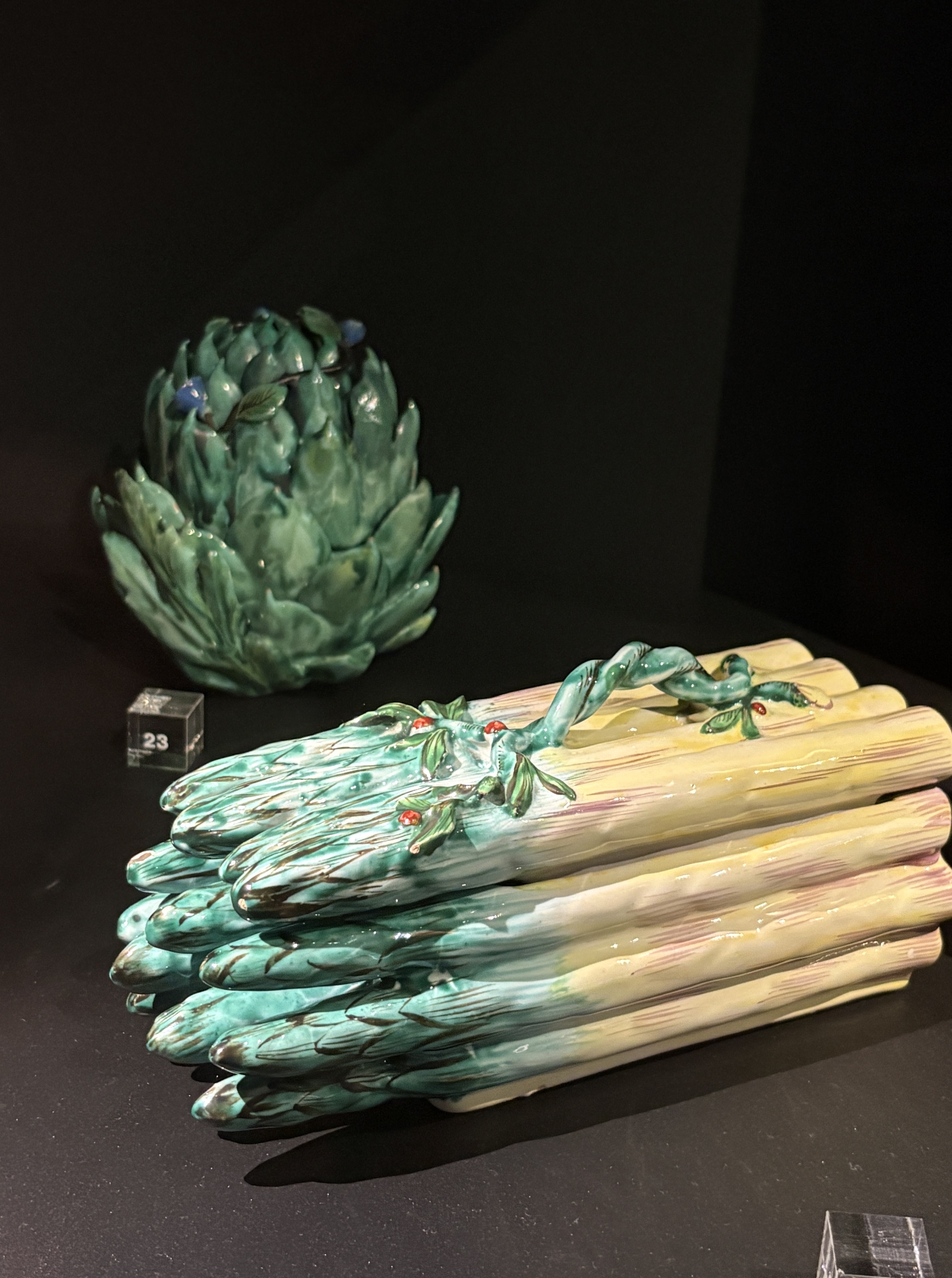
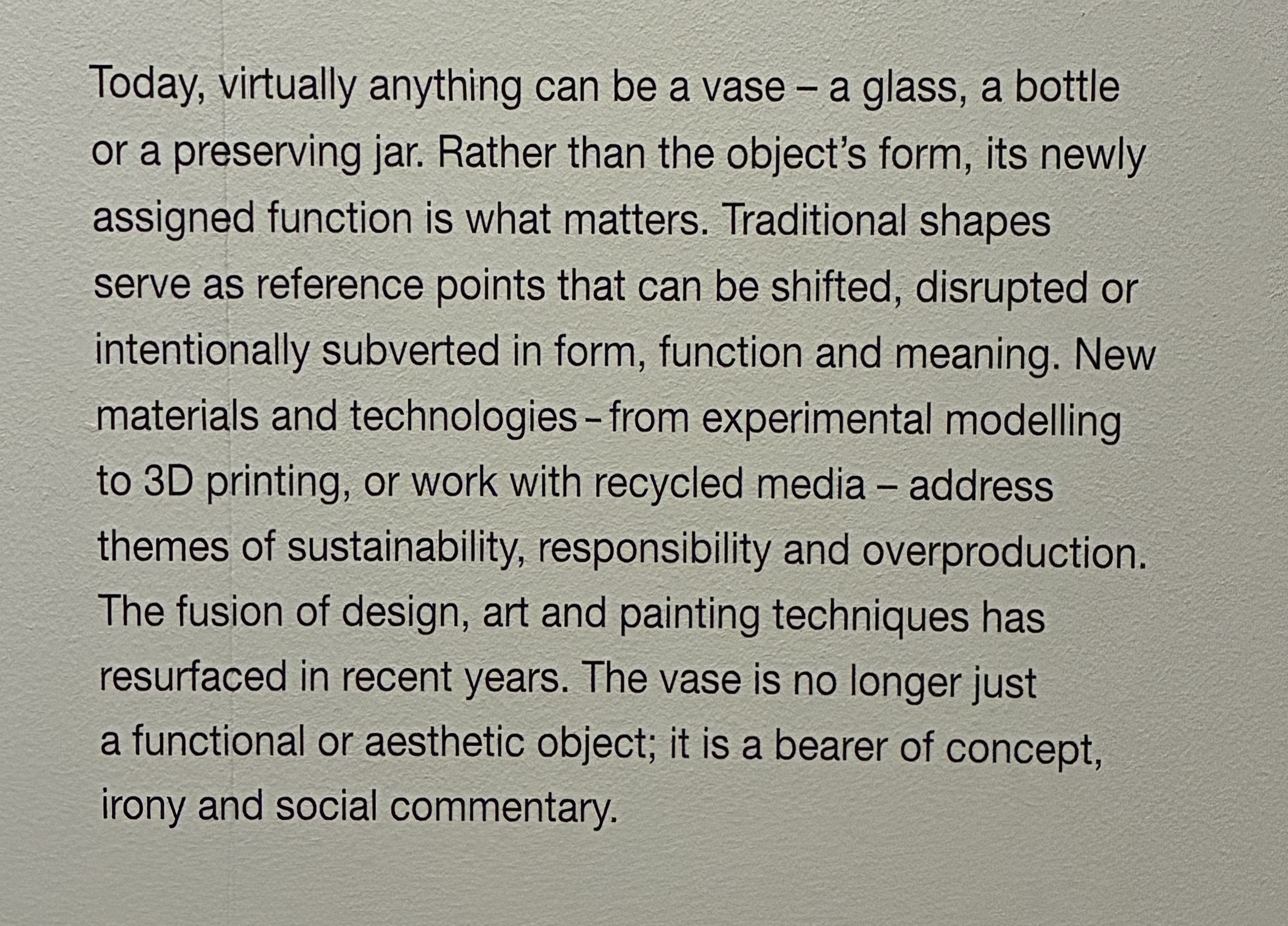
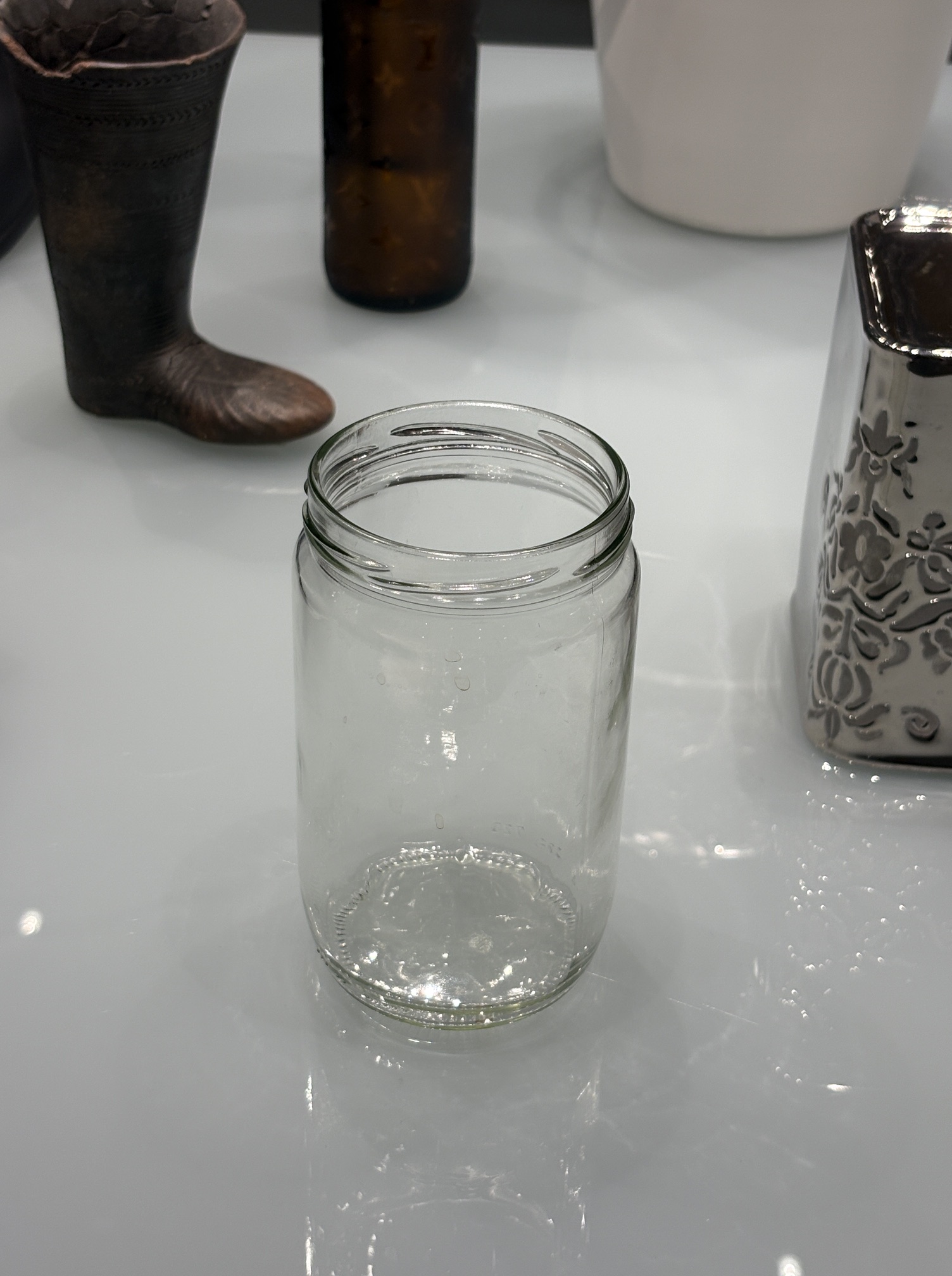
We went into the the vase exhibition first. It was titled The Vase. A Symbol of Culture and Life. The exhibition is based on the premise that the vase represents one of the oldest and most enduring material forms of human culture, surviving as a symbol of the human body and soul through the centuries, preserving its identity while evolving alongside changing cultural, social and artistic contexts.
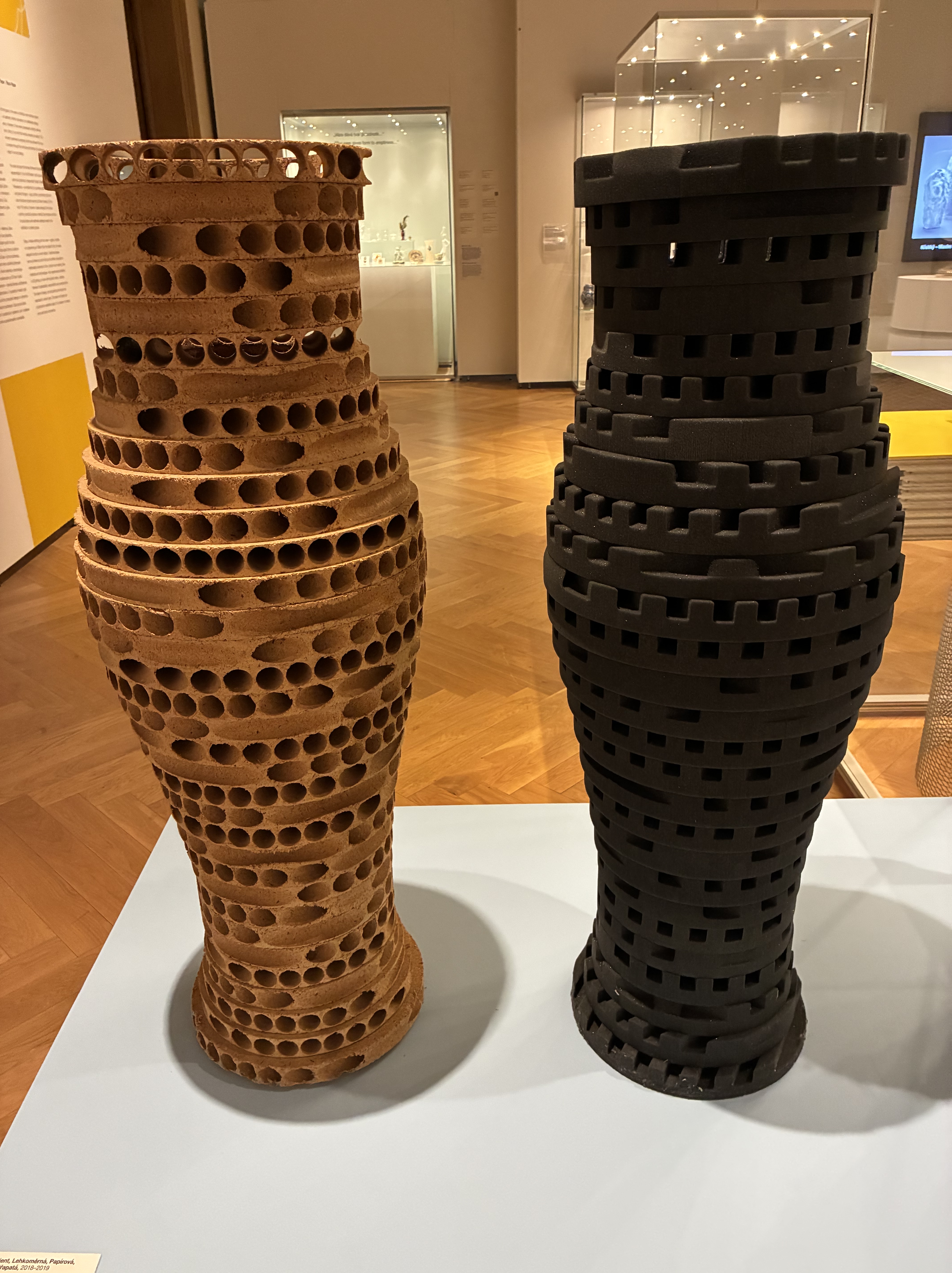
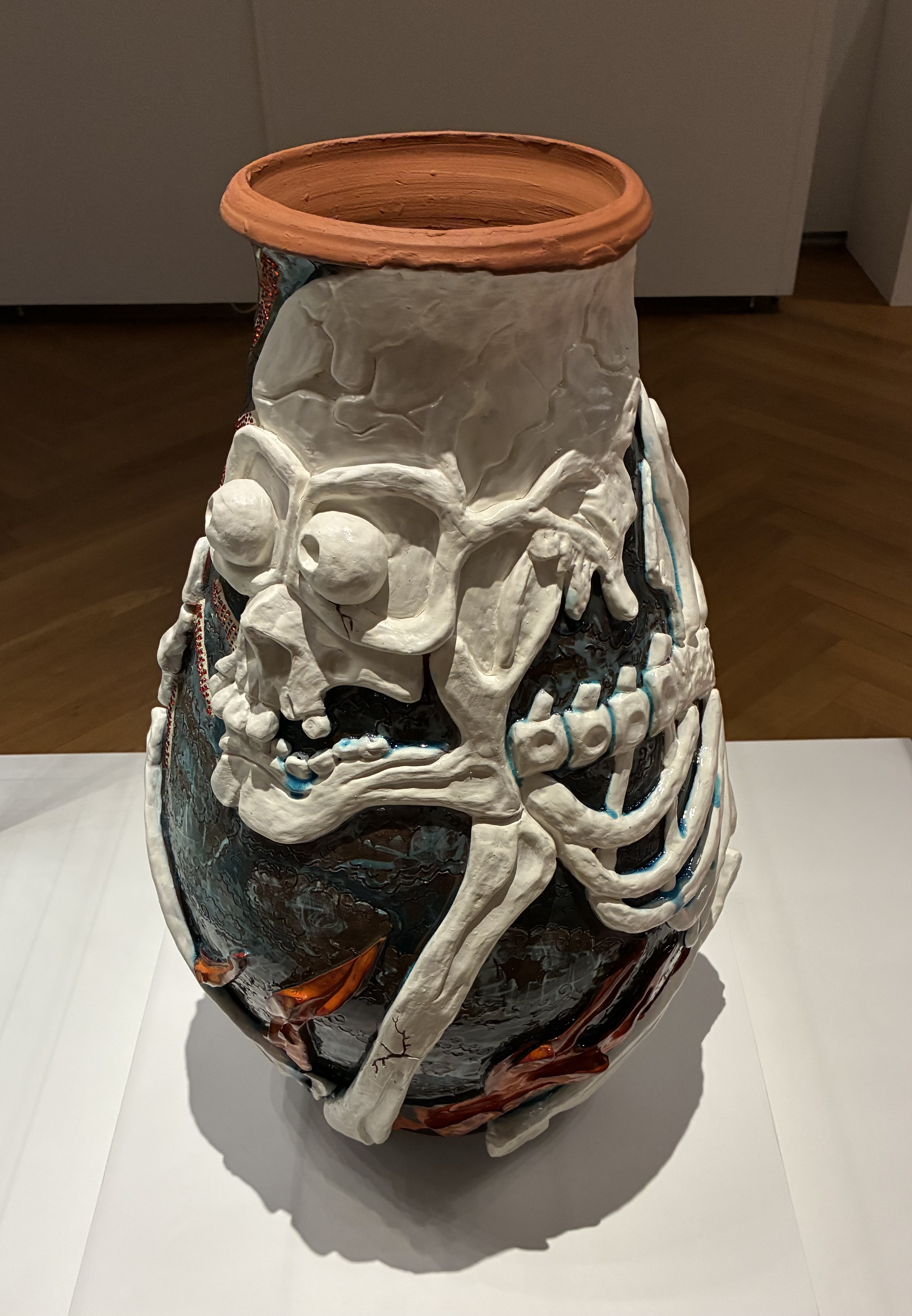
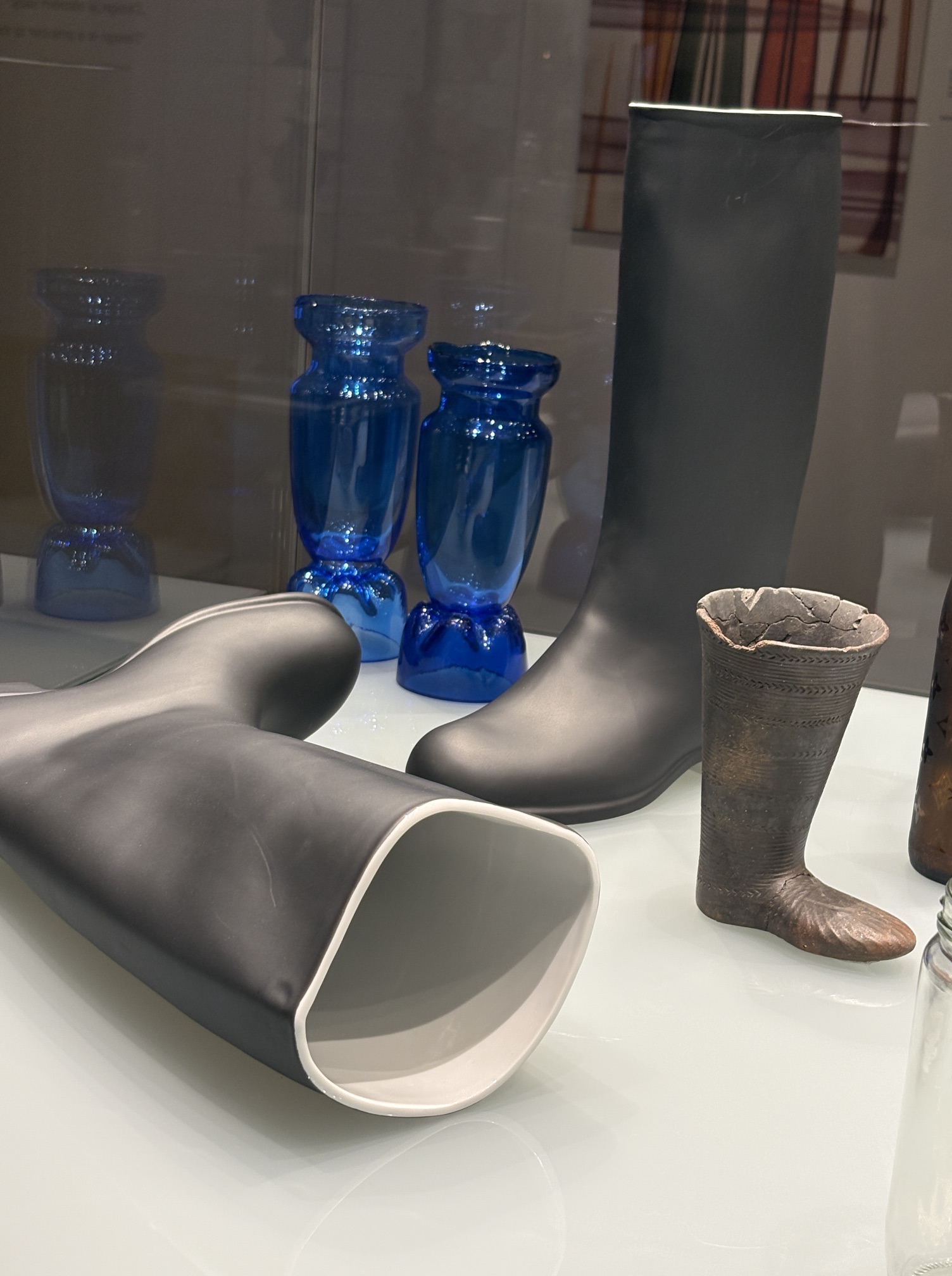
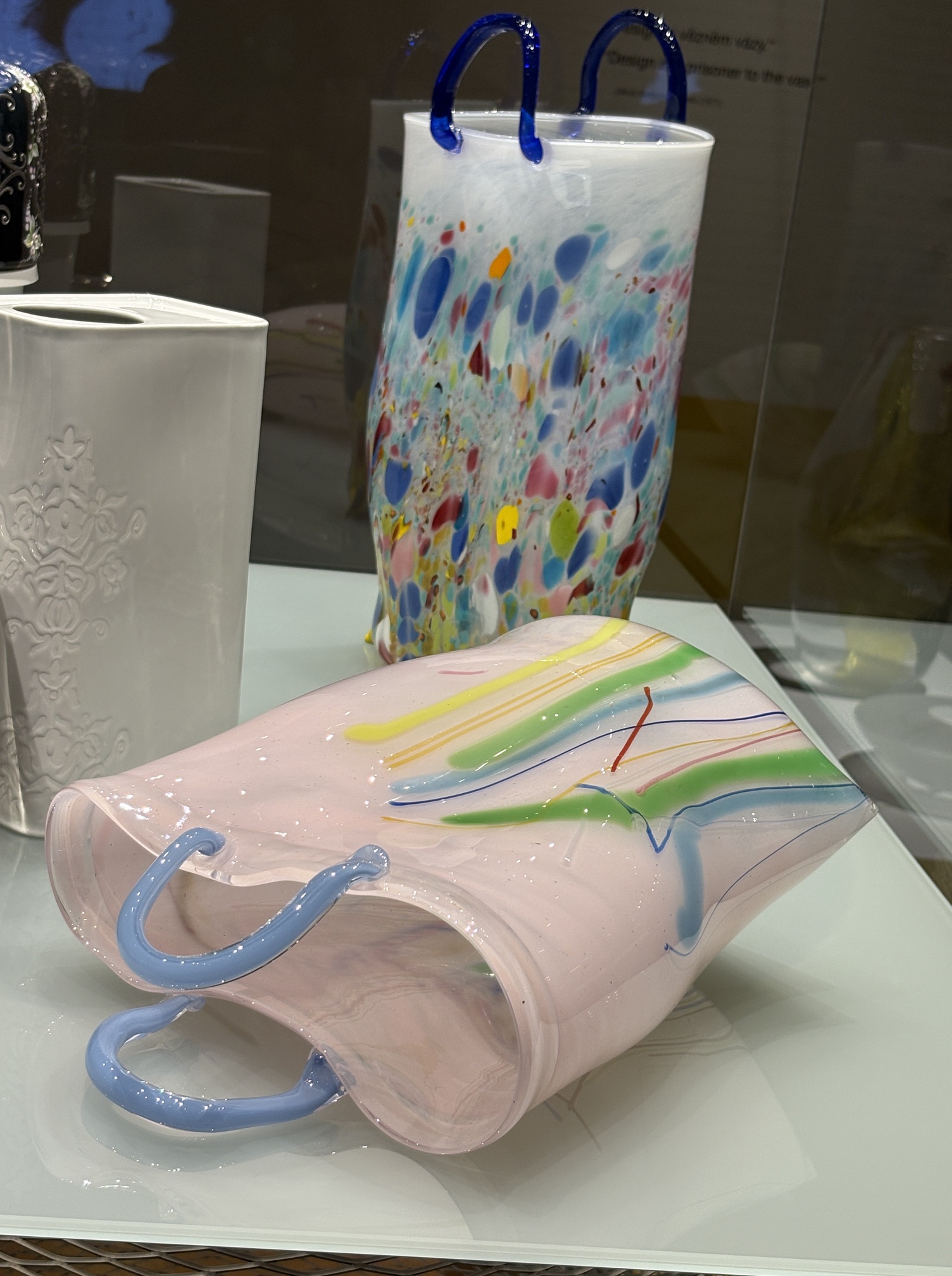
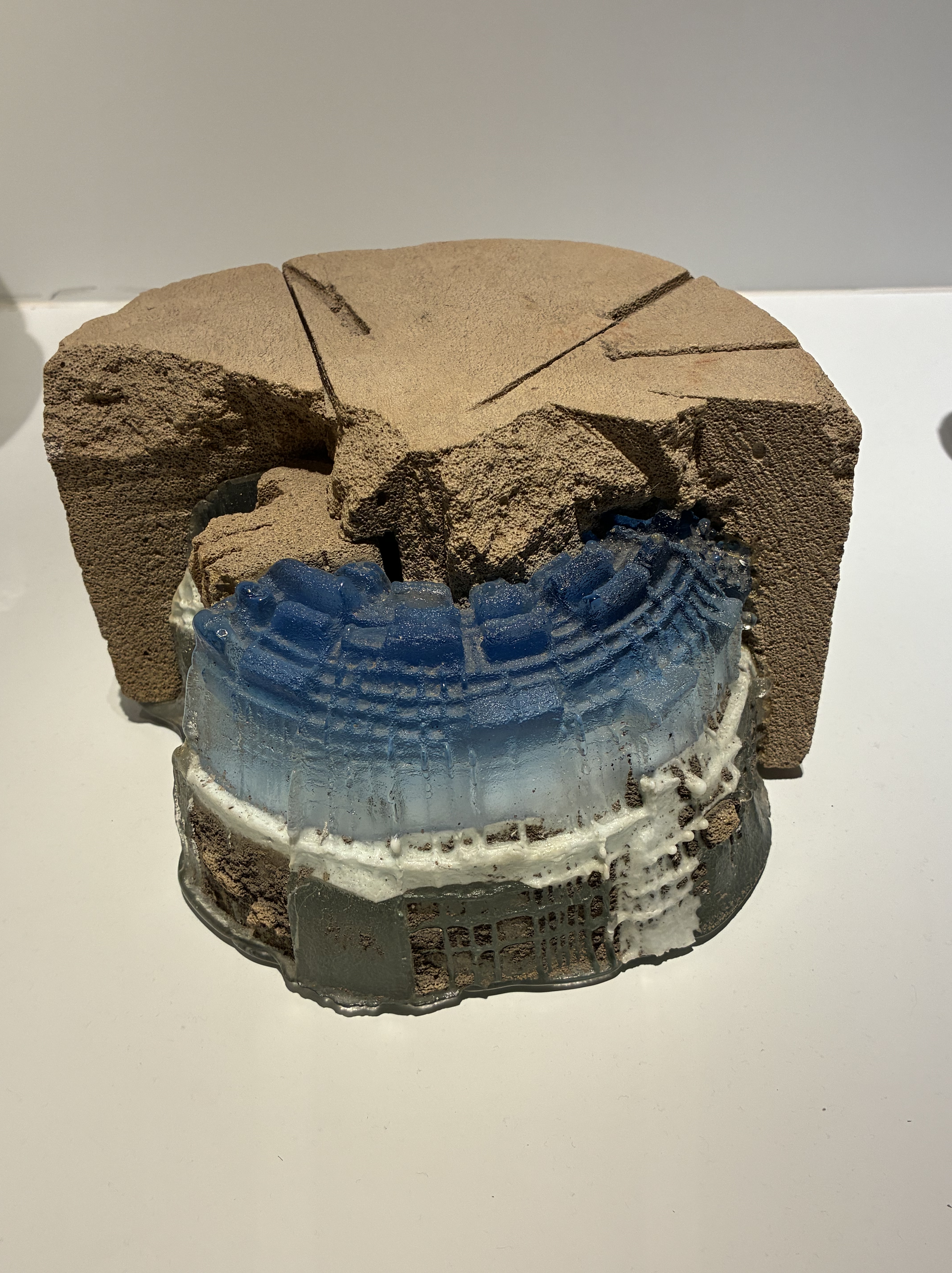
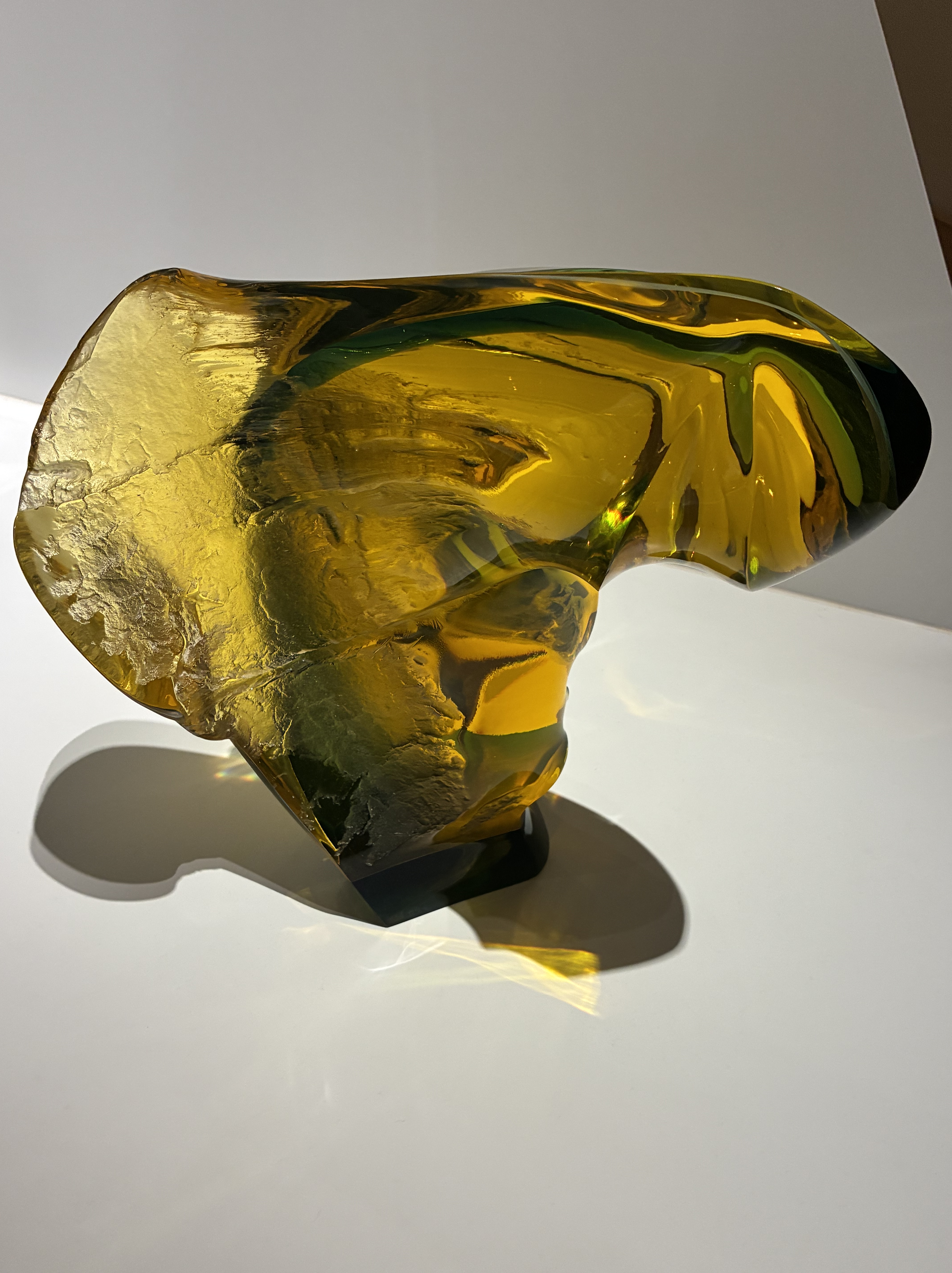
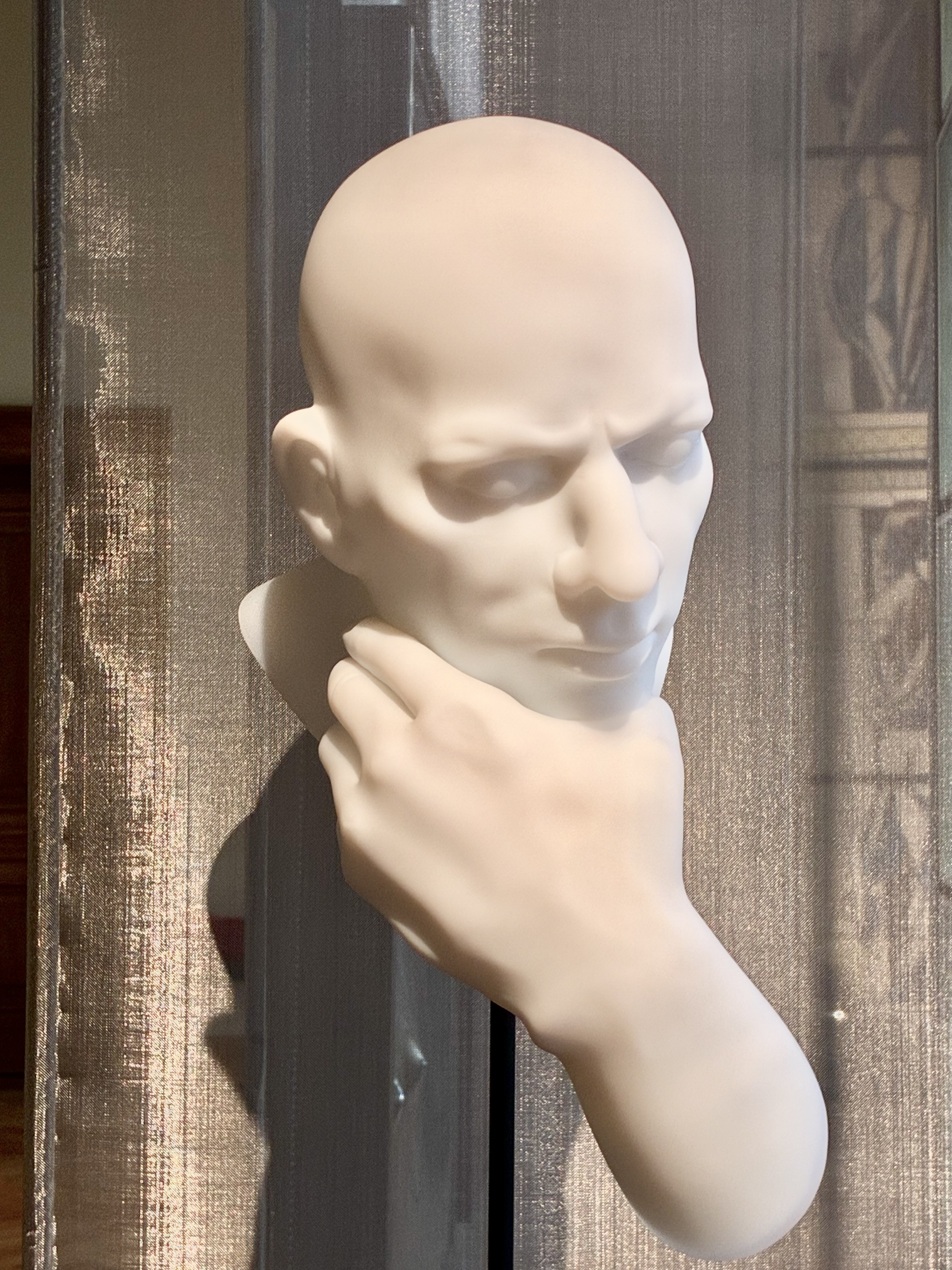
Then into the Pleiad where the exhibits aim to document not only the creativity of Czech artists, which in its day foreshadowed the future developments in art glass in the world, but also the technical virtuosity of the master glassmakers that collaborated in the execution of these artworks. The glass was the best part, but T felt that perhaps there was a restraint in design & form during the communist period.
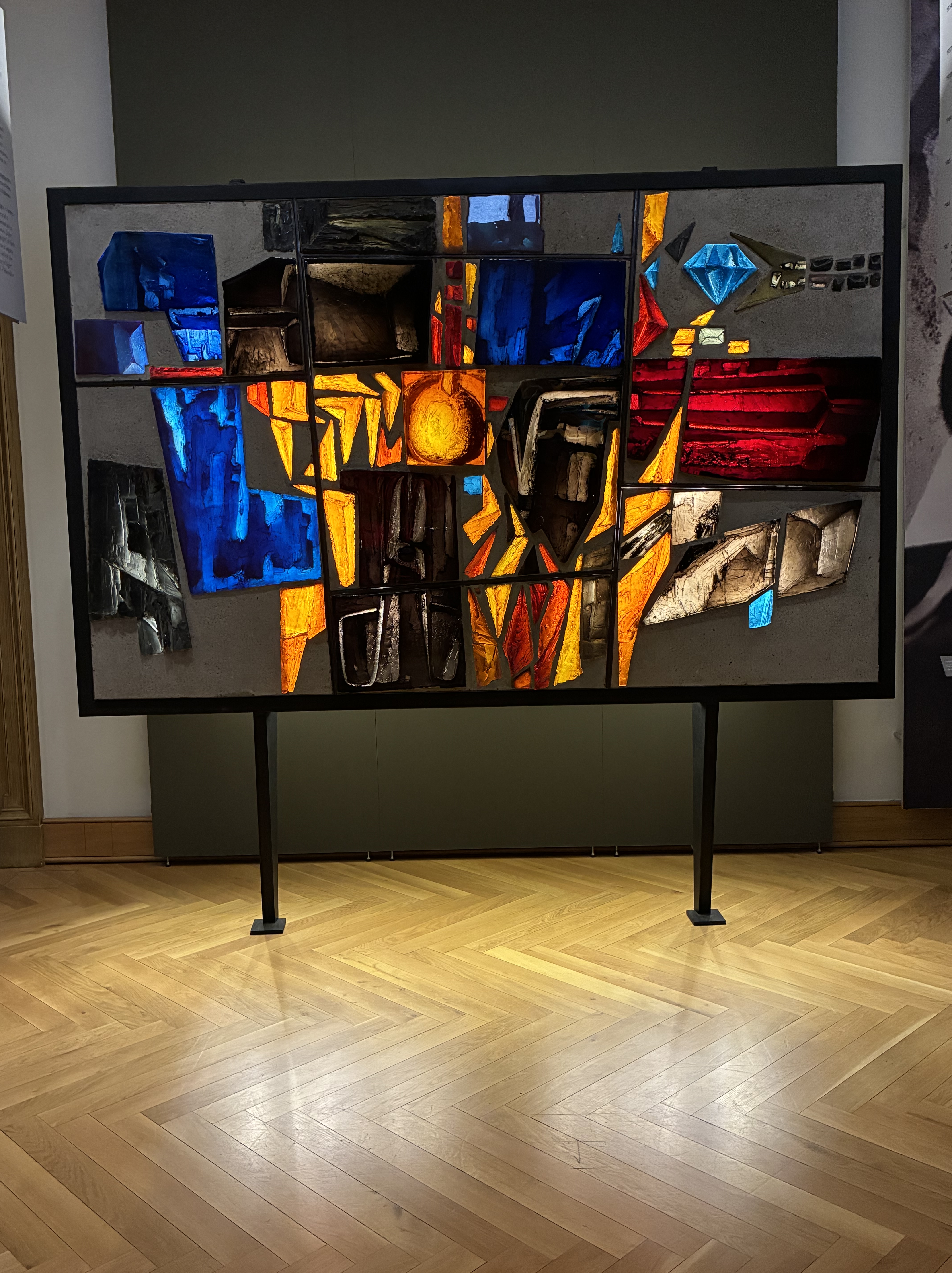
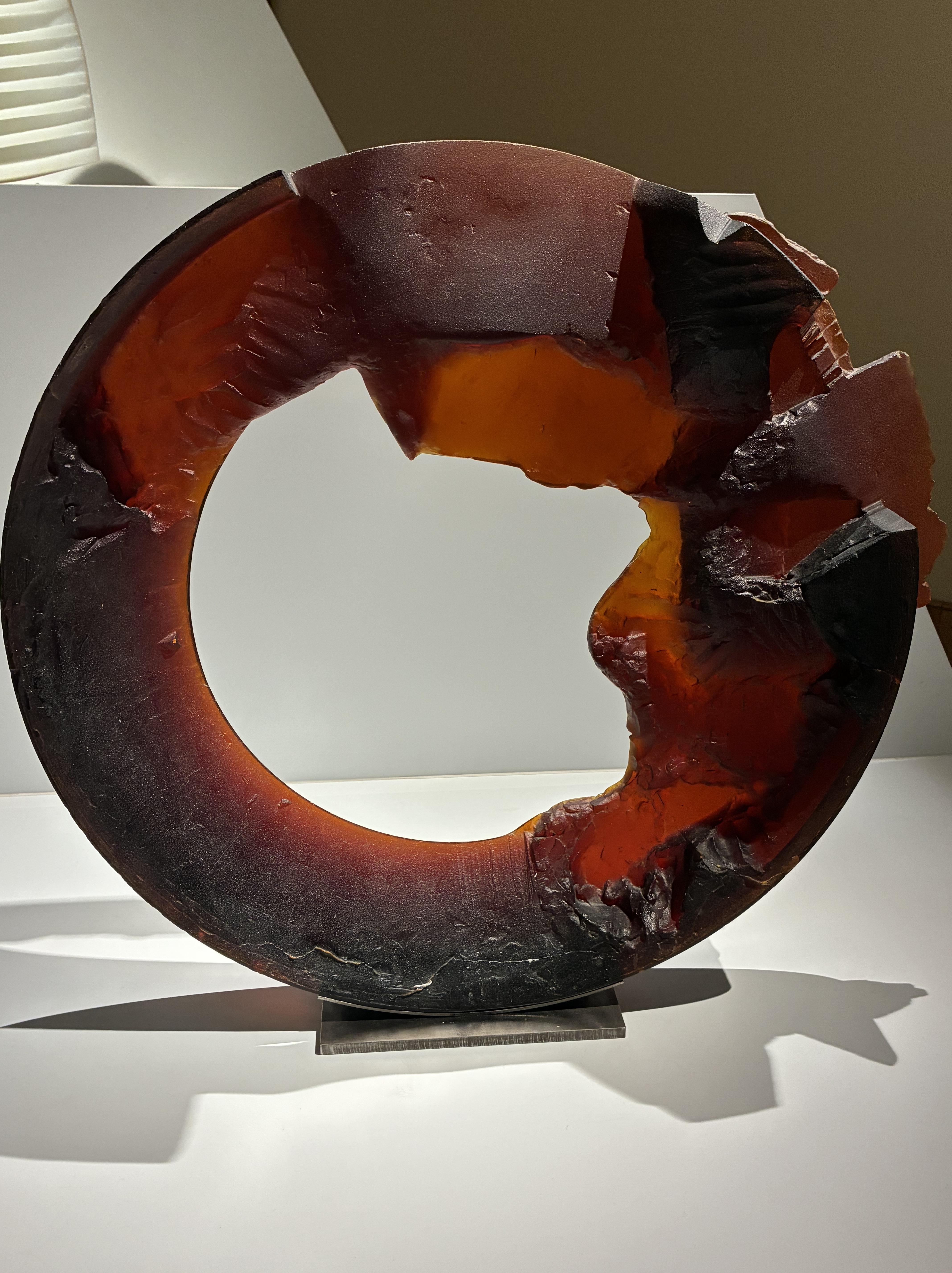
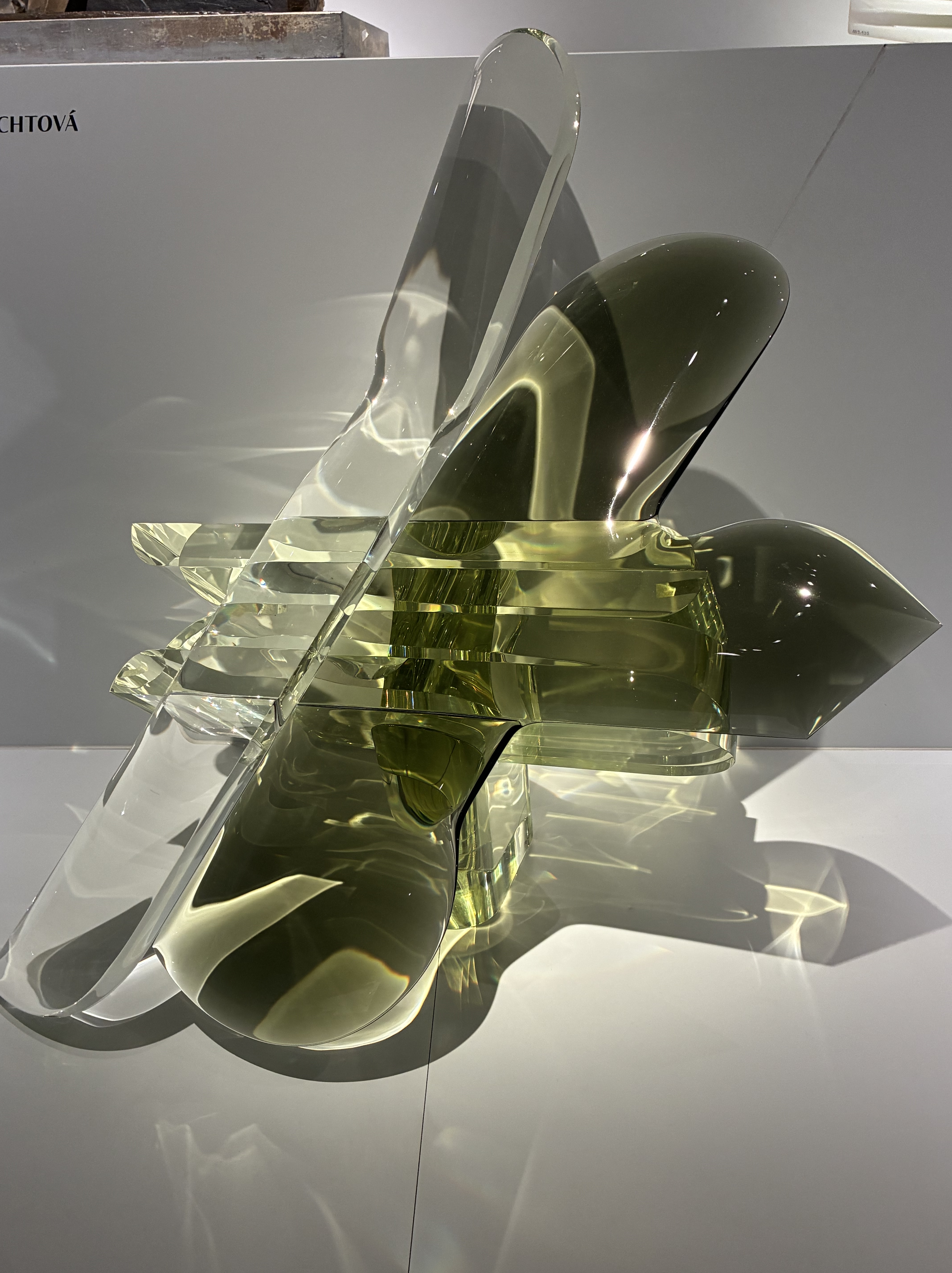
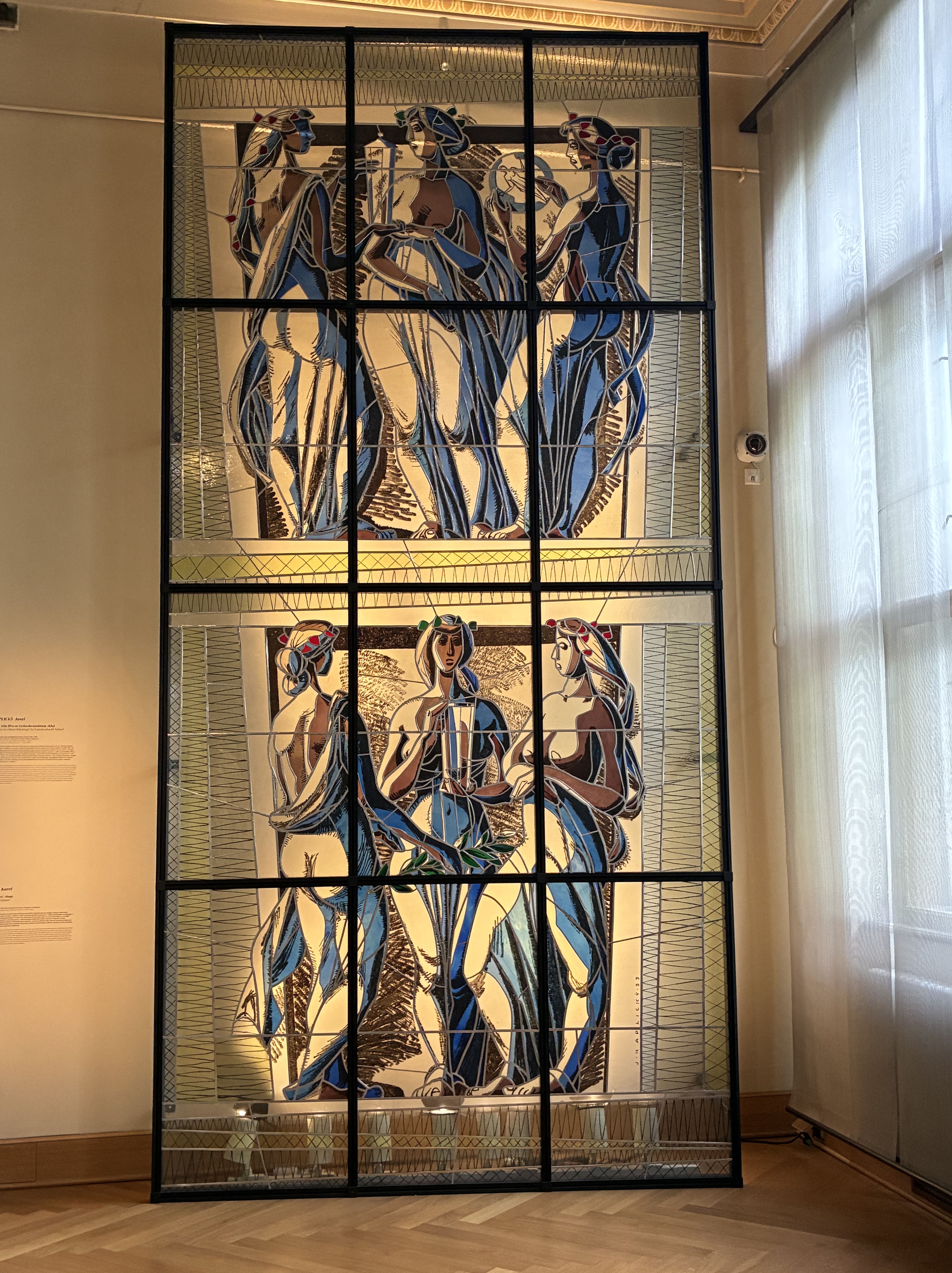
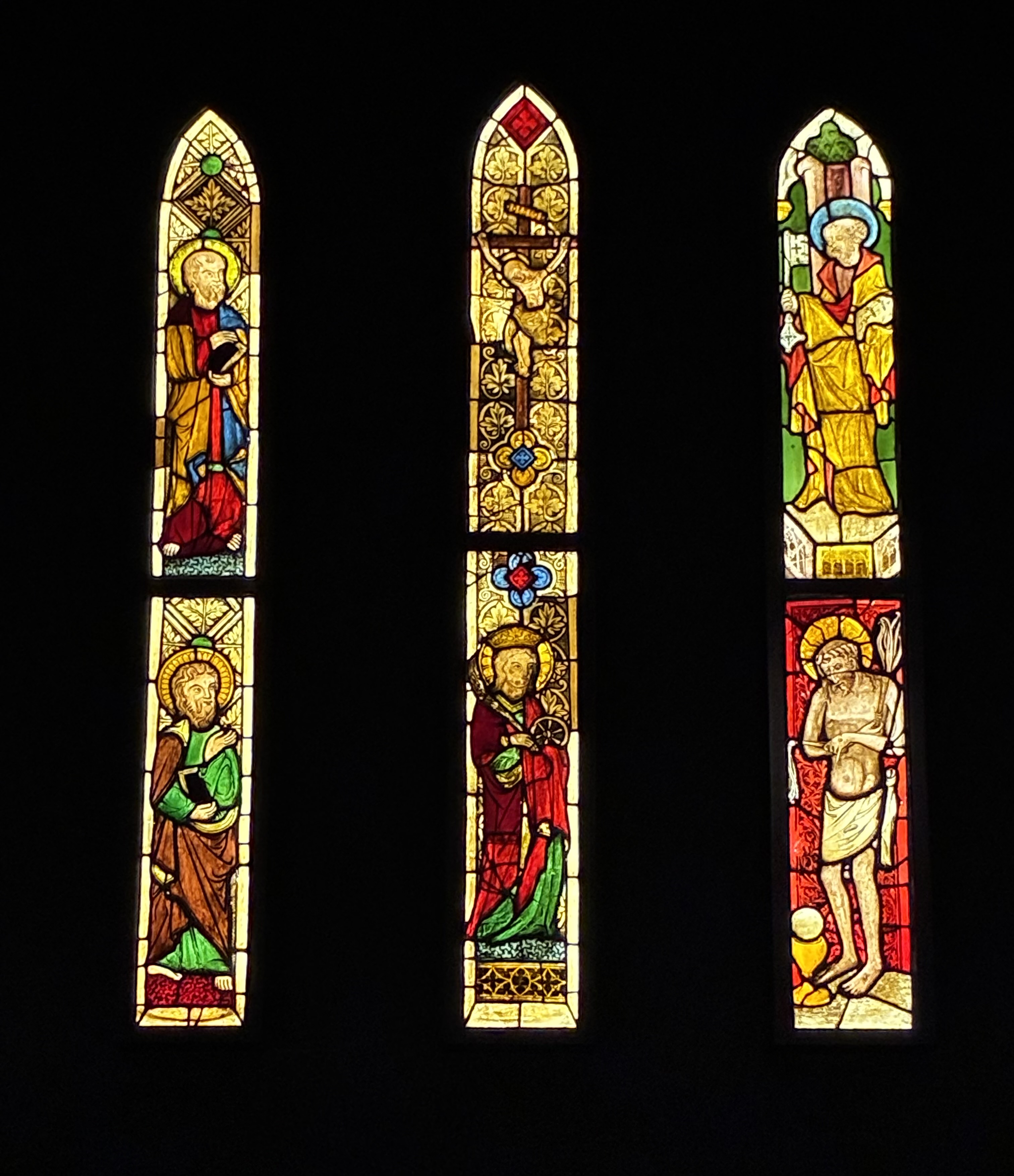
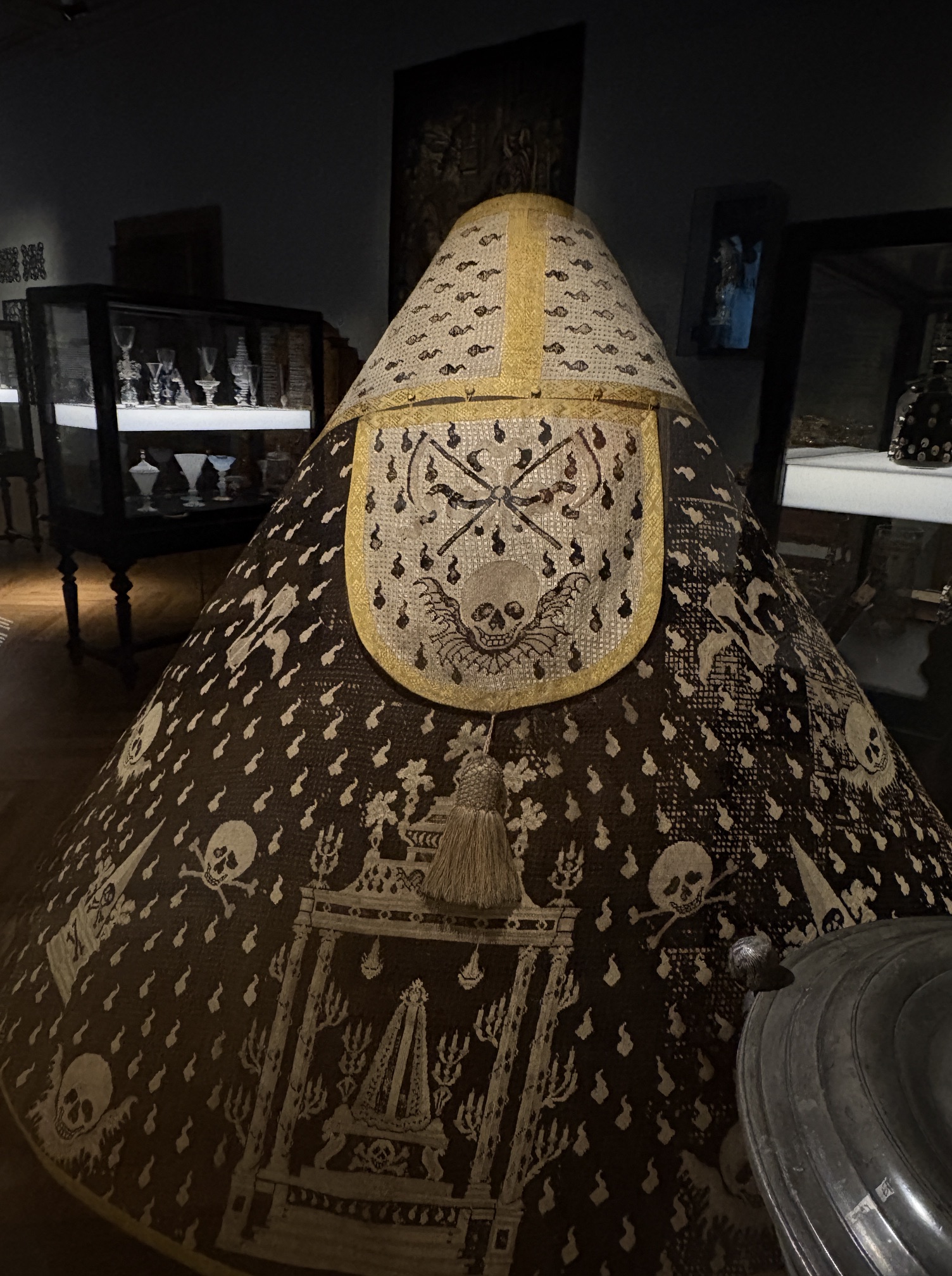
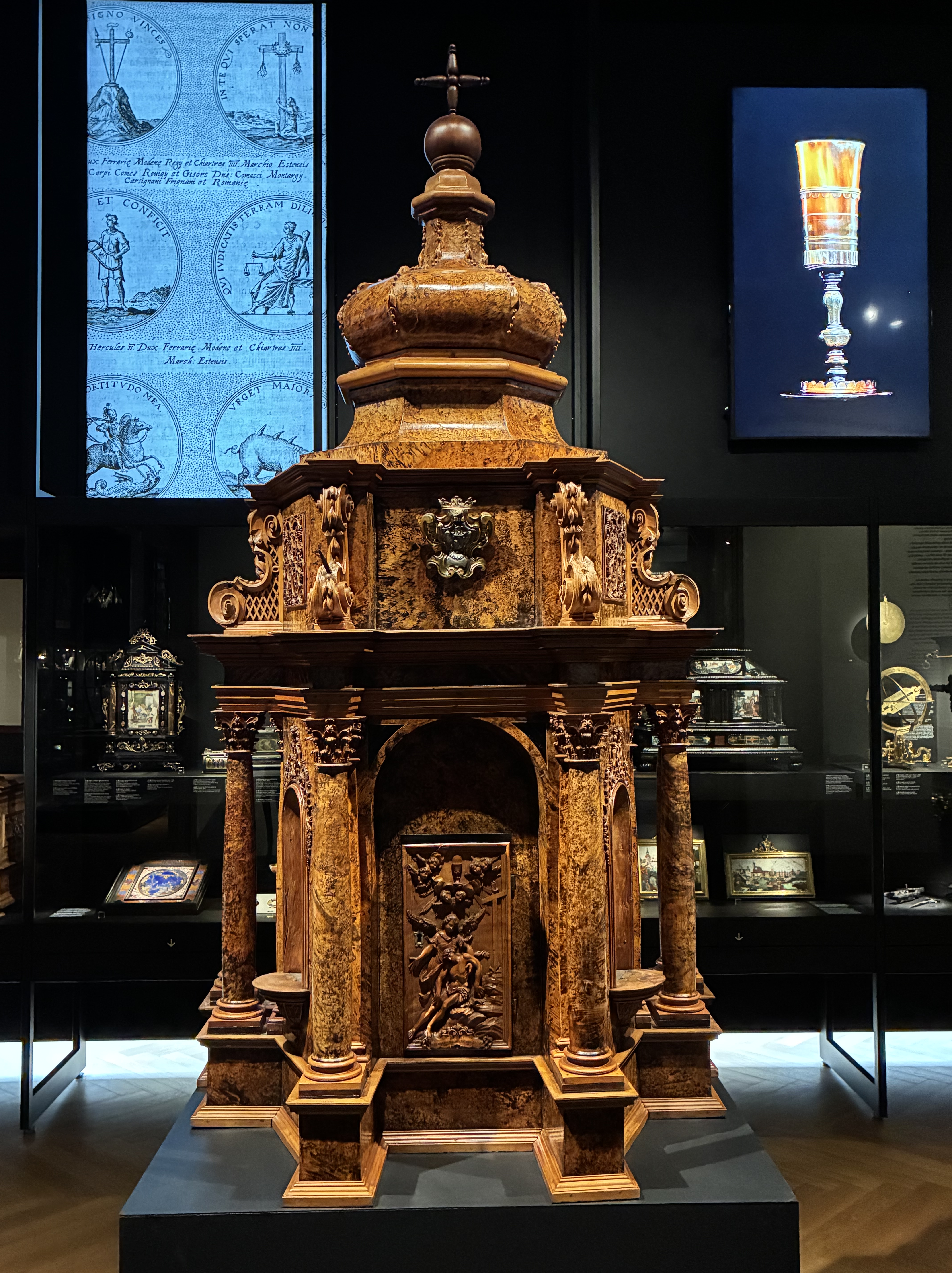
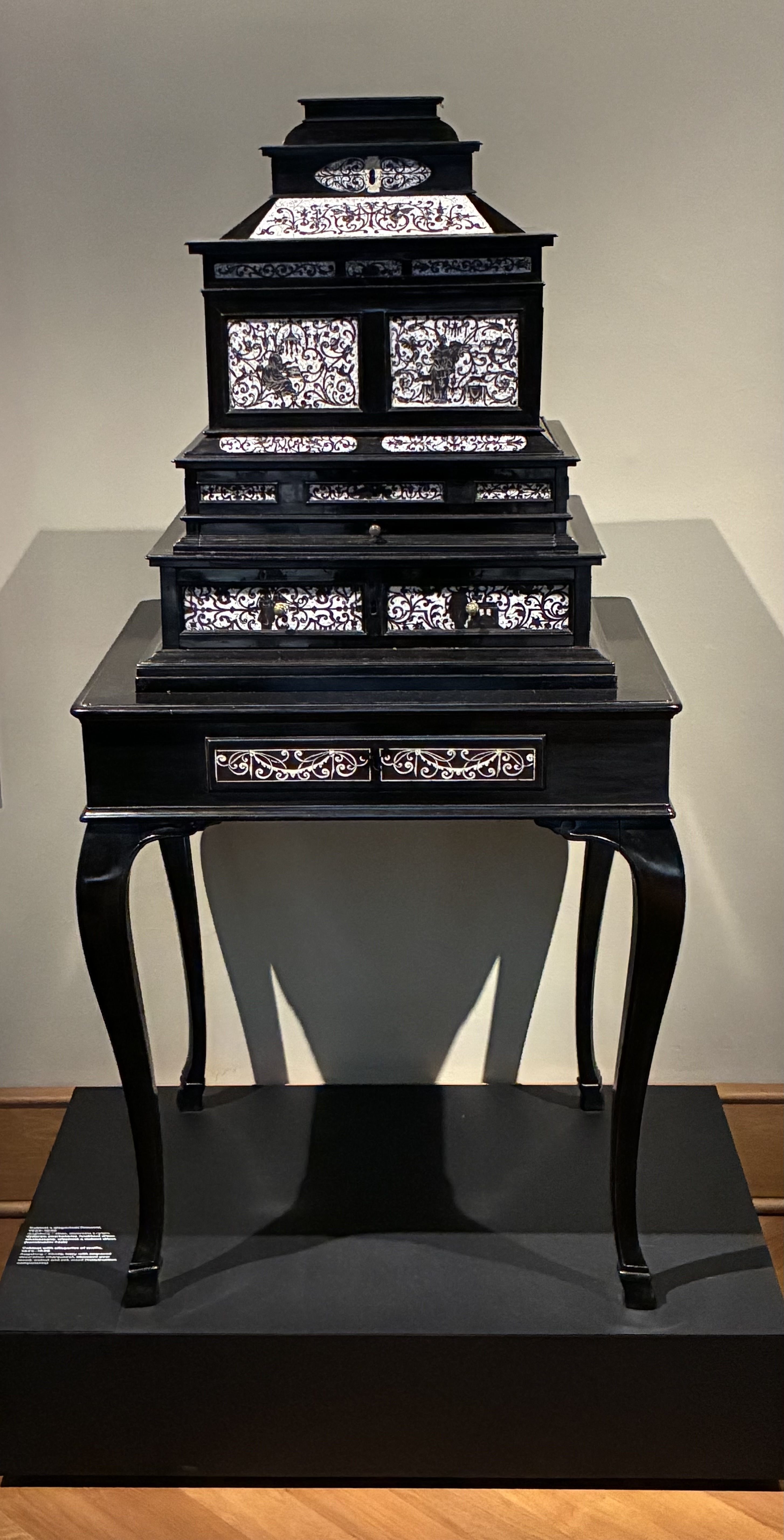
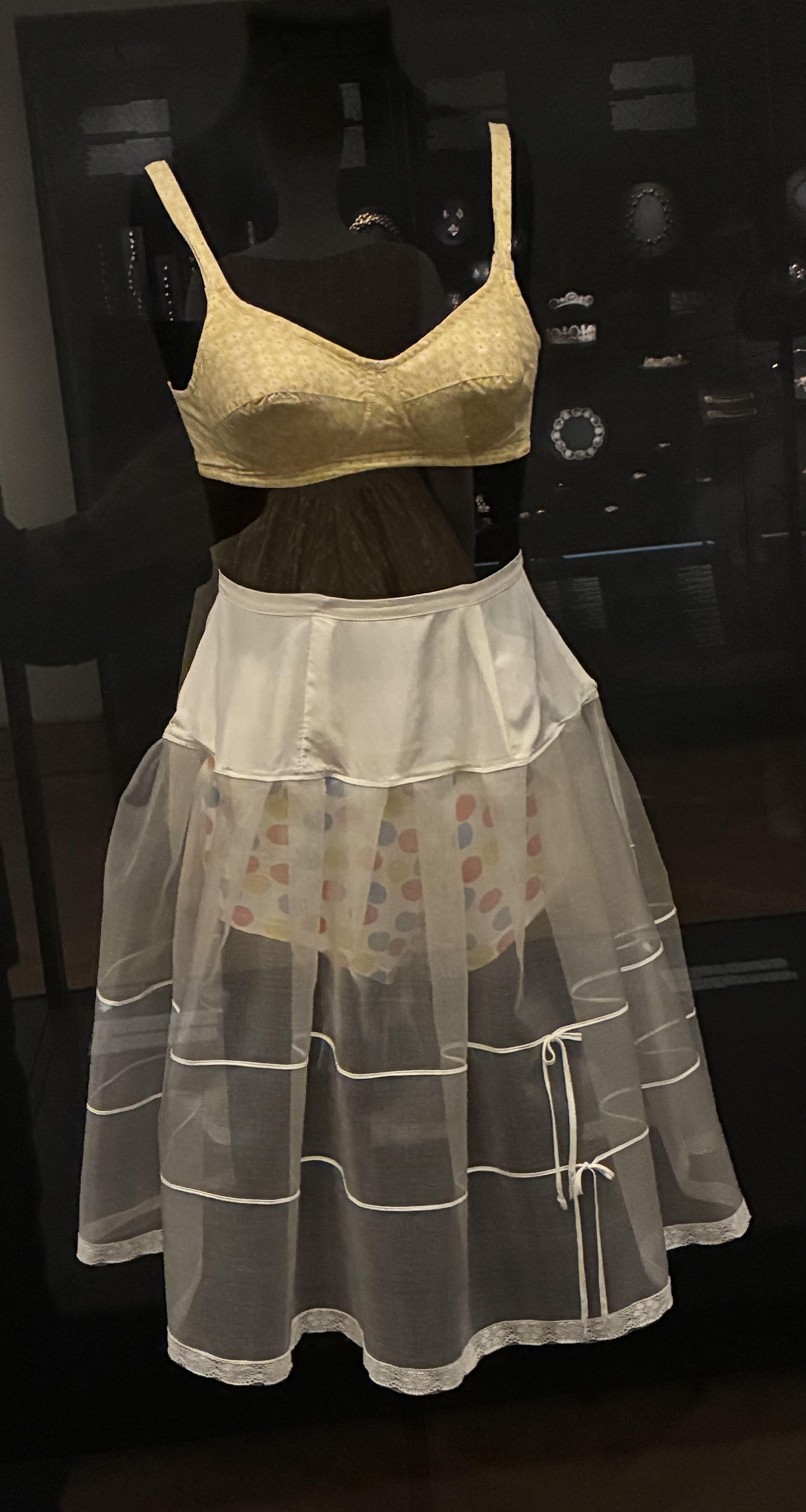
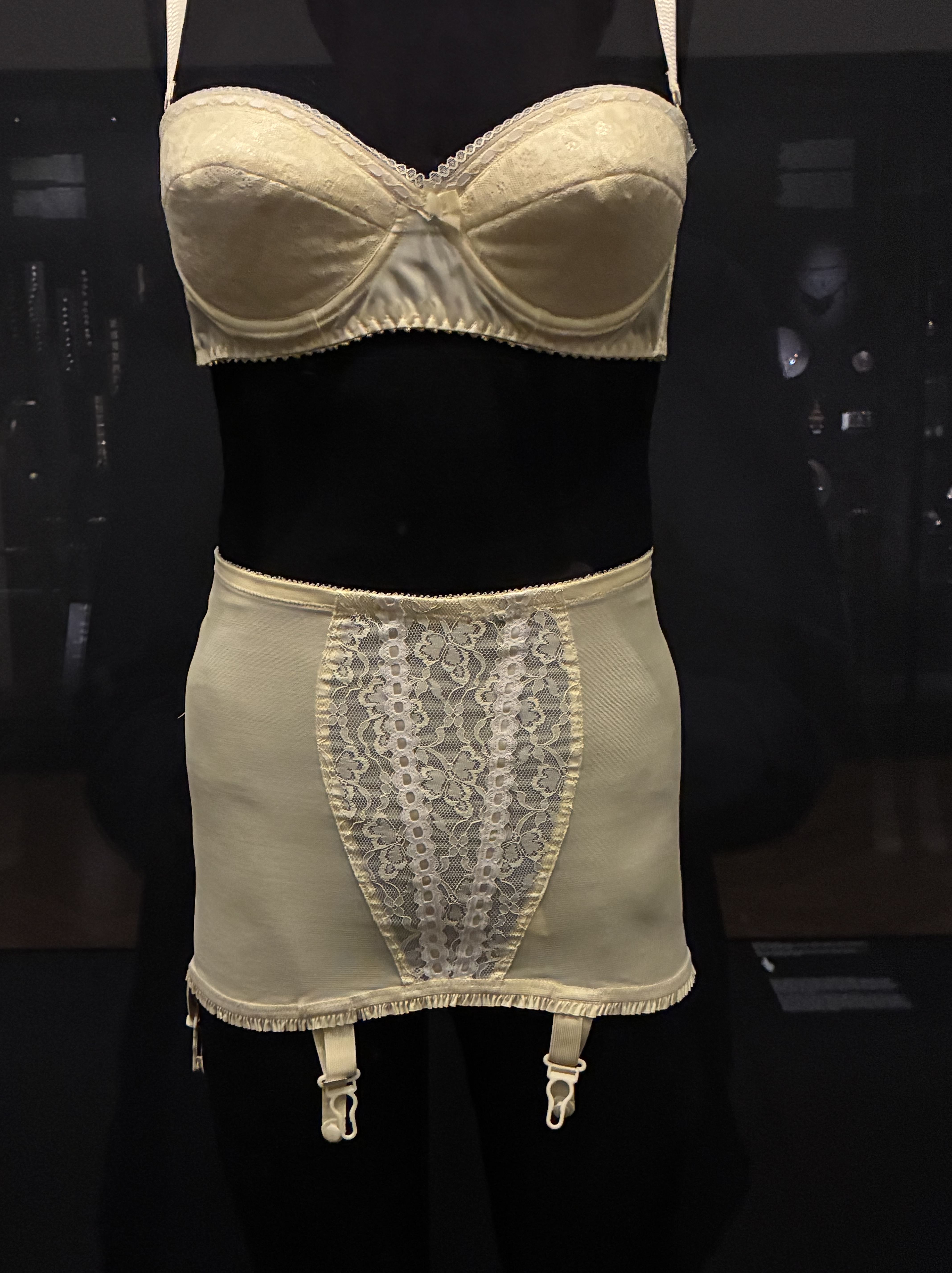
And lastly, wearily, into Art, Life. Art for Life – the six permanent sub-exhibitions, divided into Rituals and Celebrations, Royal Kunstkammers (treasures of royal courts), Life of Forms, Clothes: Physique and Physicality, Design and the Phenomena of Modernity, and Utopia, Cosmos, Play. They presented a multi-dimensional image of European applied arts from the Middle Ages to the 21st century. In T’s view Clothes: Physique and Physicality (fashion culture from 19th century to today) was pretty tame, especially given the breakout changes in the 60s & 70s in the UK. T wondered whether the Soviet regulations were responsible for a very conservative approach to Czech garments of these periods.
Rituals and Celebrations
Royal Kunstkammers
Clothes: Physique and Physicality
Design and the Phenomena of Modernity
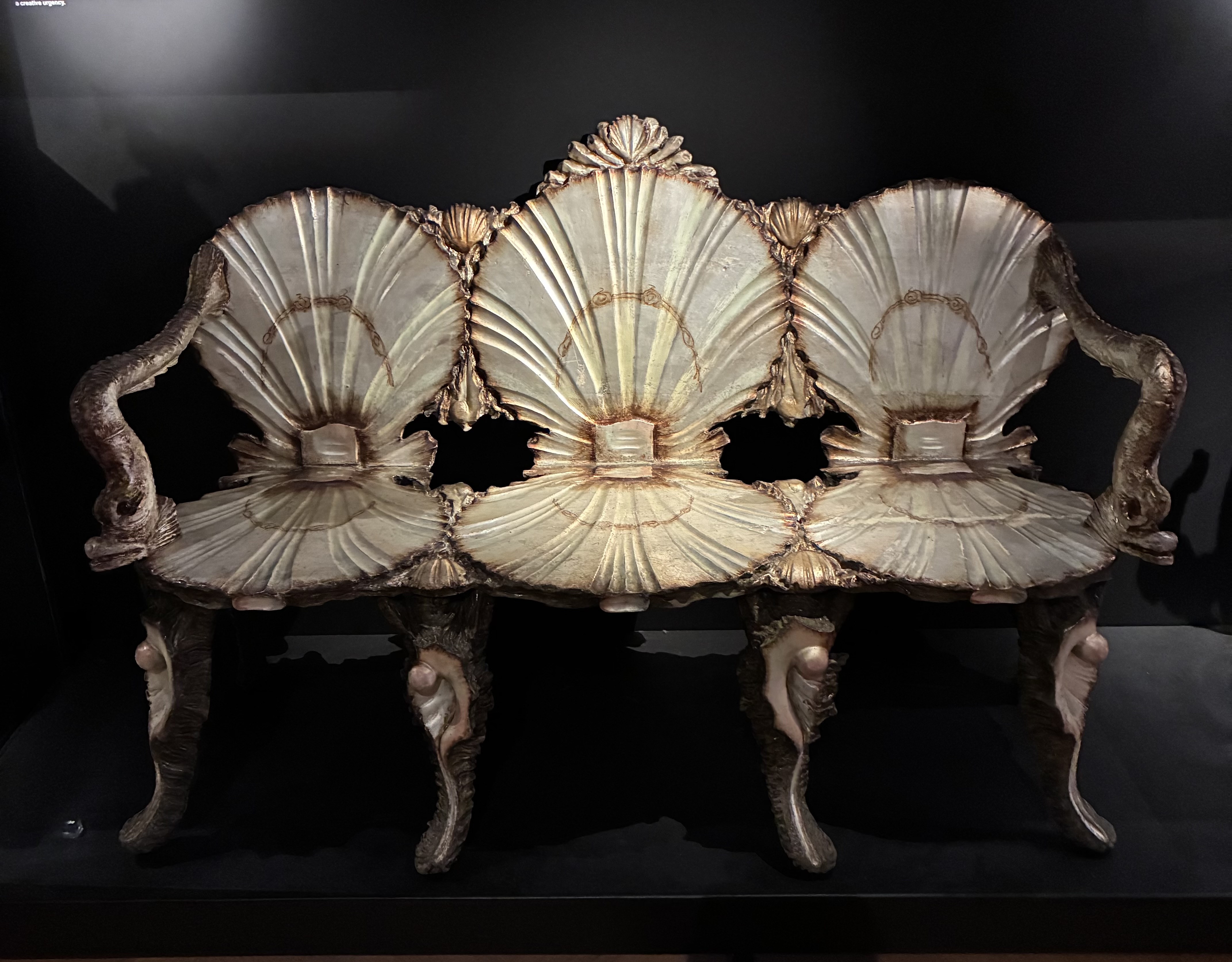
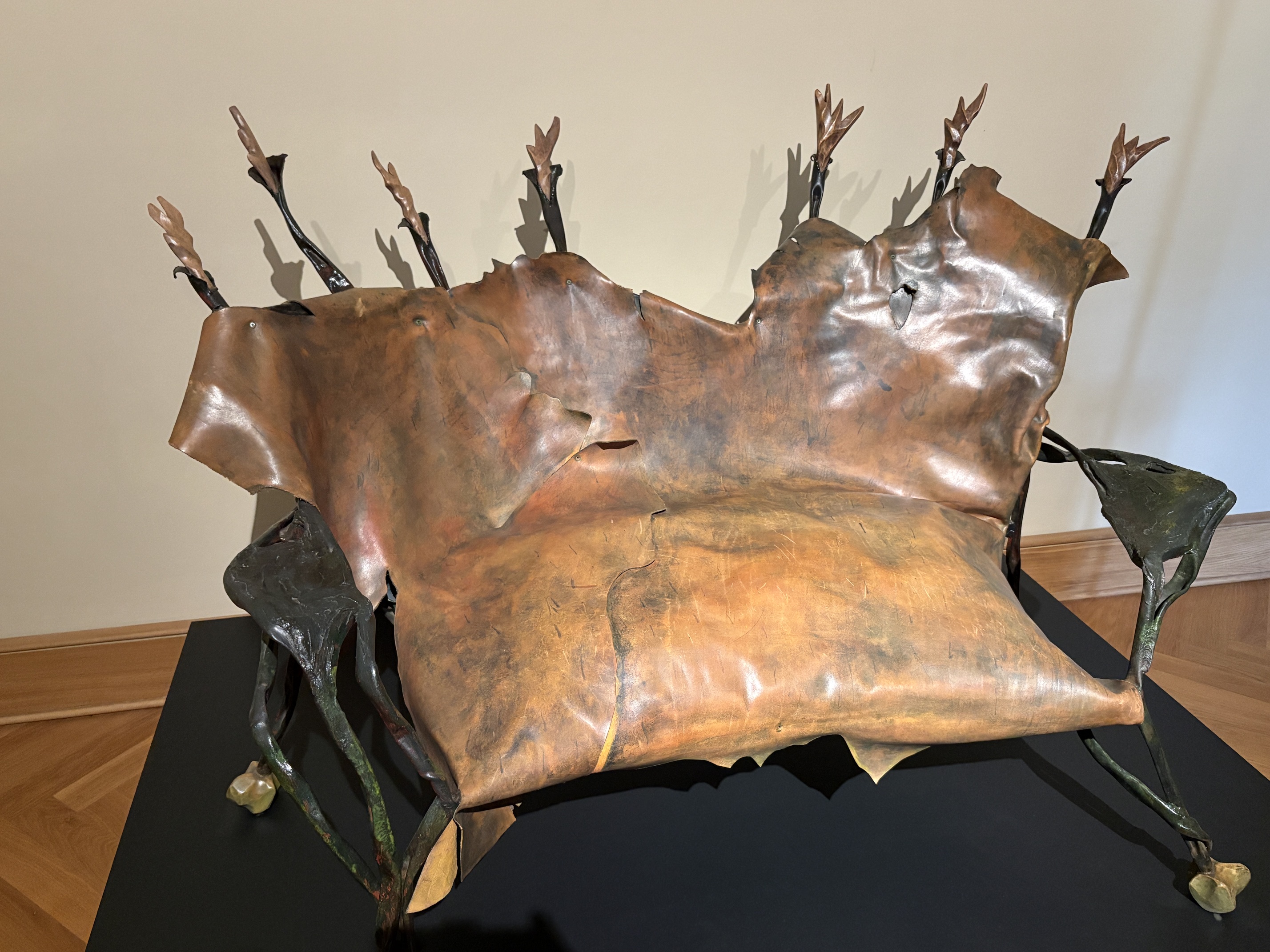
The core theme of the museum focuses on ‘art in the motion of life, aiming to show just how much applied arts and design impact humanity’s real and fictional worlds.’ It was a ‘phew!’ Experience in a very lavish museum space.
We felt pretty ‘decorated-out’. From there it was a short walk to the stop to catch our breath ready to catch the vintage tourist train and do the loop. It’s a 24-hour ticket so we’ll be back tomorrow to redo the route.
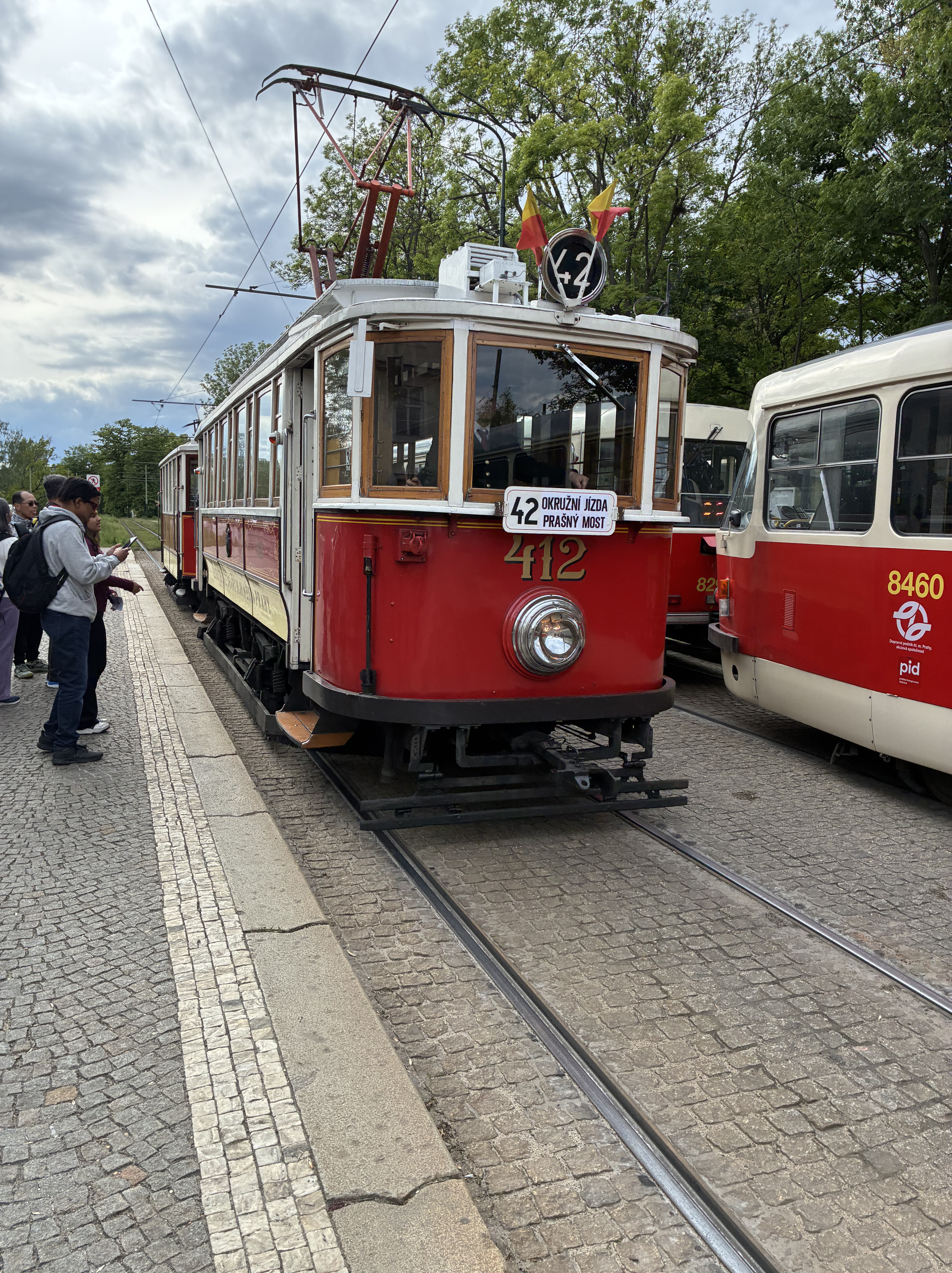
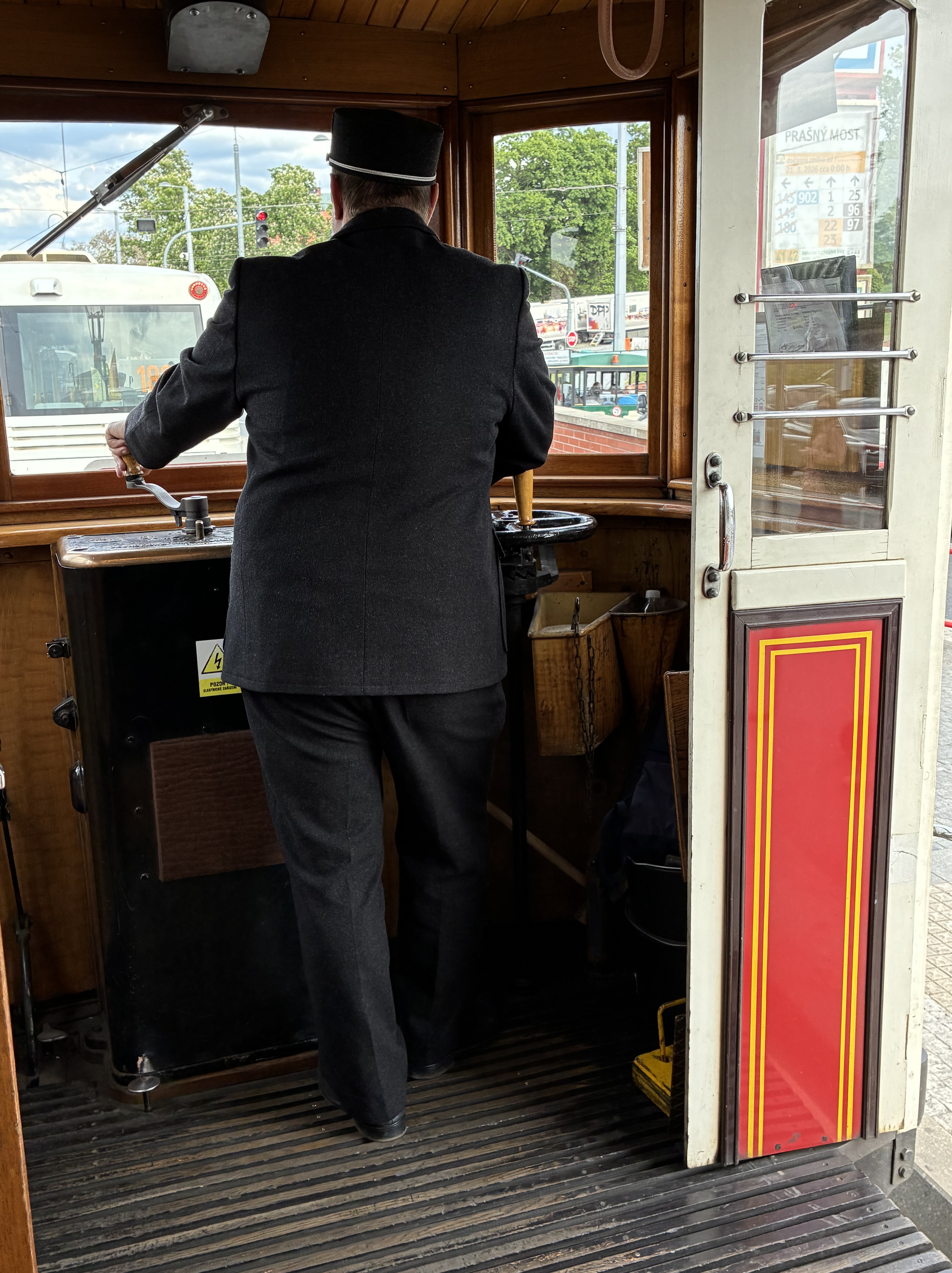
Off the train at a stop near an English language bookshop for T to score some much-needed reading material, then walk to our S1 train home. Passed an interesting sculpture, that had a throng of tour groups in rapture as the layers moved.
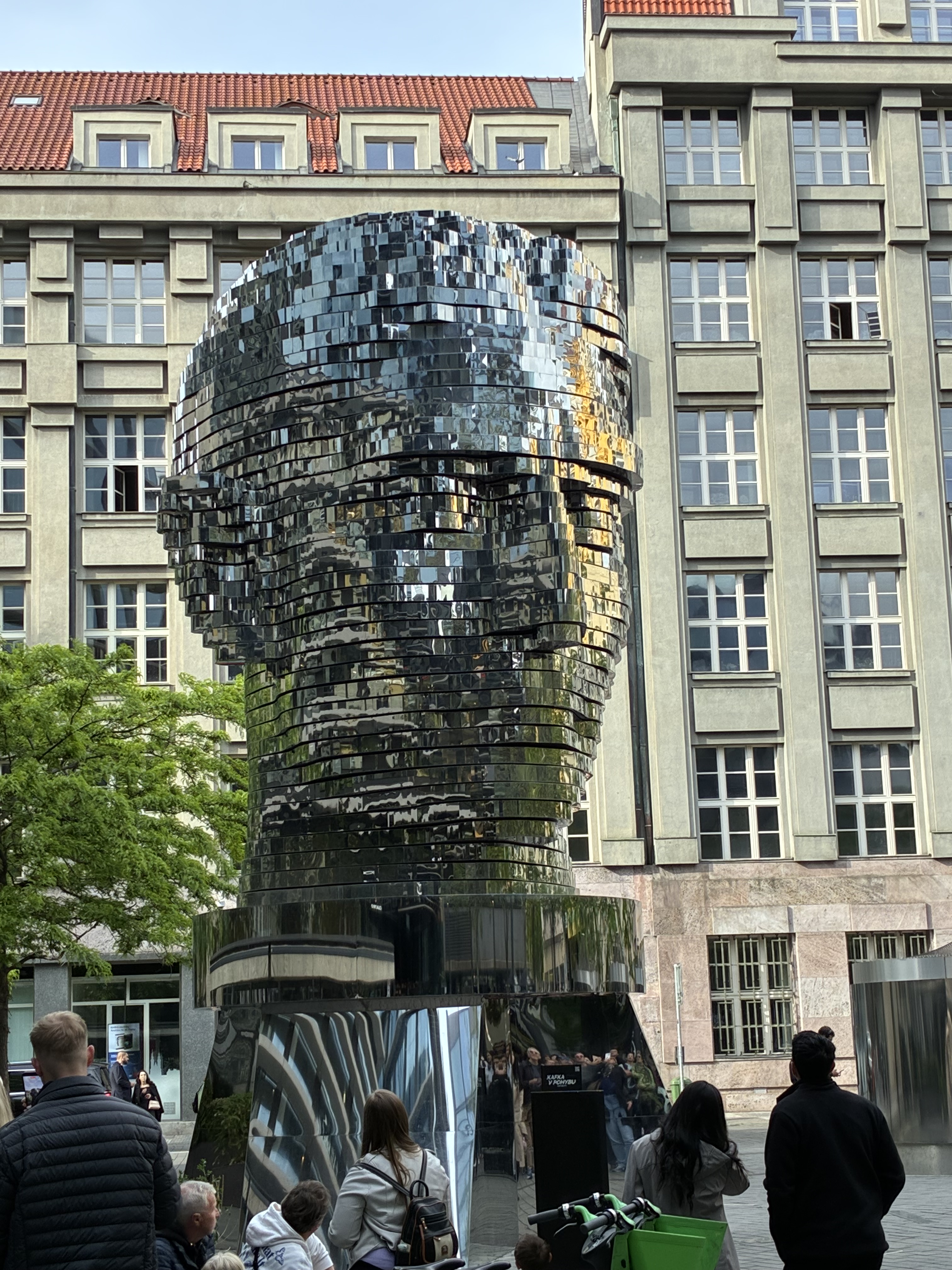
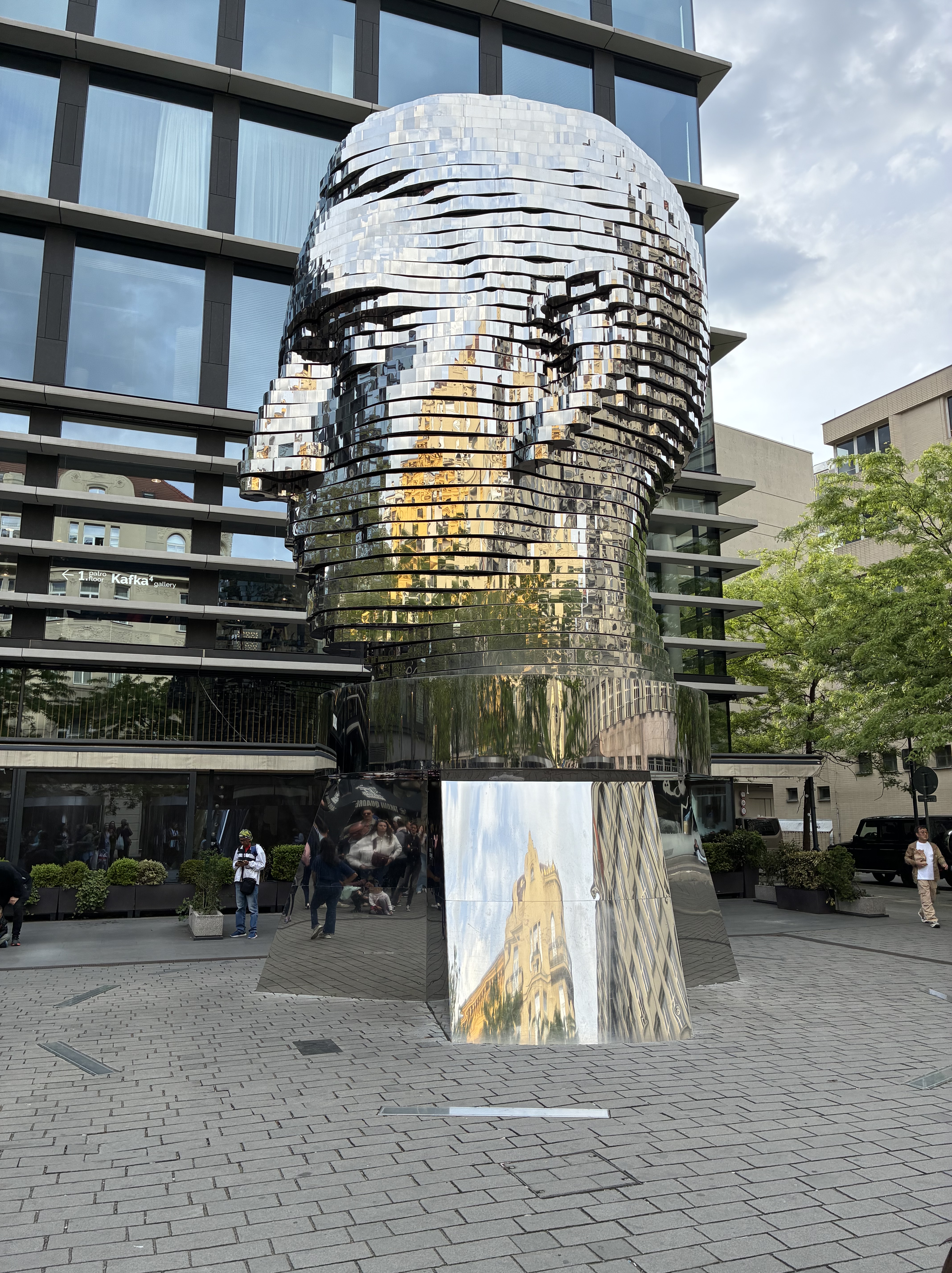
Today the ticket inspectors on the ride in and out actually checked our passports to confirm our age. We’ll take that as a compliment. Rain drops fell on our heads after alighting the train, so D’s umbrella was shared until we decided it wasn’t even enough to be bothered.
 Travels with and without Gloria