Deltebre #1

Day 86. Sunday 1 June.

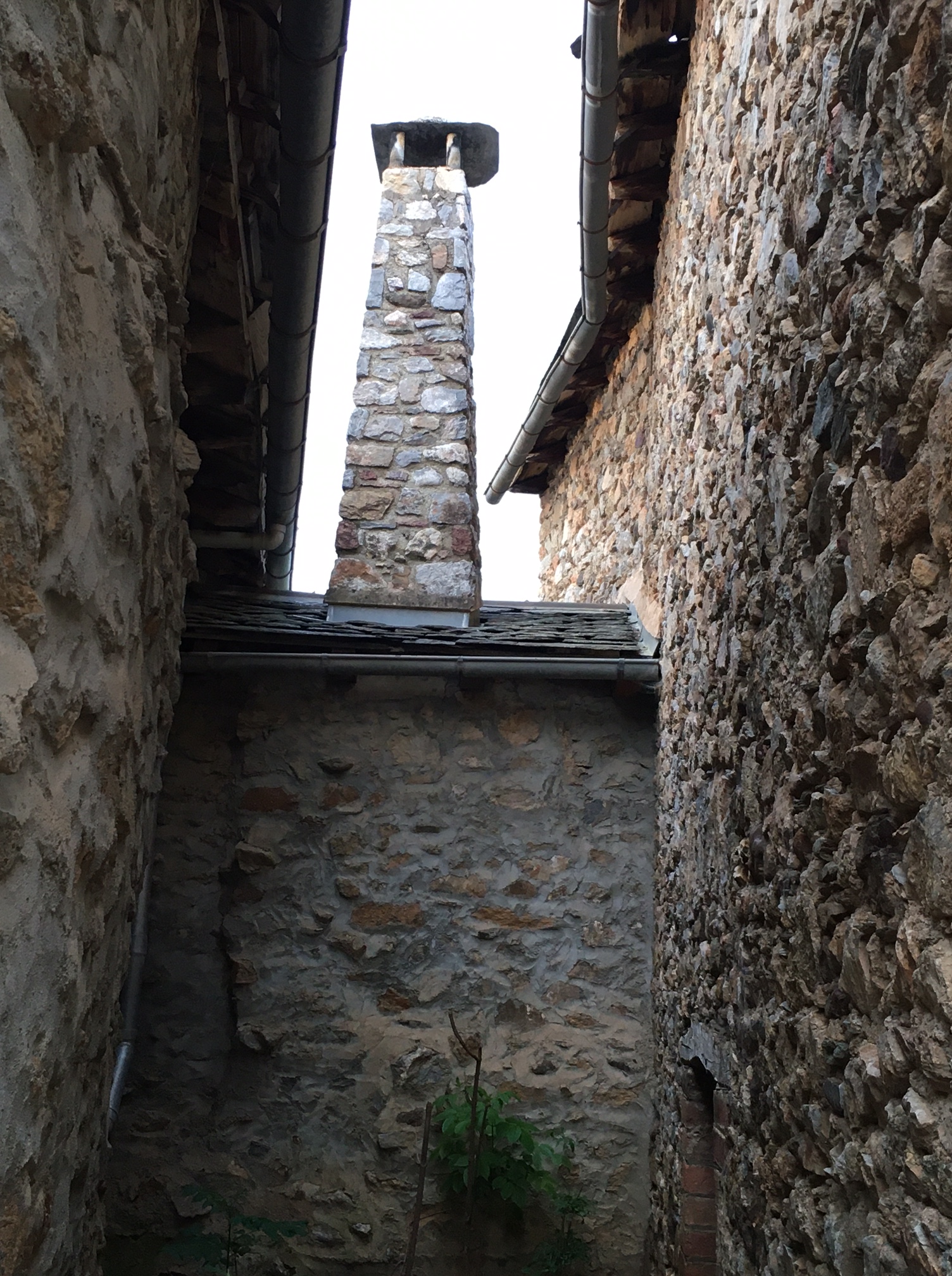
Moving today from Olopte to Deltebre, about 210 kms, almost due south.The road down from the mountains was absolute joy…speed of 70-ish, few tailgaters, with mountains, gorges and ‘impossible’ stone villages, many perched high or on cliffs all the way (and lots of cyclists in Lycra and mostly white socks). Followed the Segre River, a fast-flowing stream from the snow. T wondered about the old days in the region…tiny farming communities (with a church and maybe a fort/castle) and then as industry, and later, technology and leisure took hold, ski resorts and hotels??And hills with hundreds of wind turbines…T commented, ‘There’s not much breeze happening here’…only to see at the next turn, they were all spinning! To which D said, ‘They’ve turned some off to save crashing the grid!’ We do remember Lisbon.

The day warmed quickly and passing through Ponts (again) the mountains gave way to plains of wheat, olives and grapes. The wheat was golden and partially cropped. There was some irrigation. Stopped for coffee and a sweet treat in an air-conditioned patisserie in Tarrega, with temperature hovering around the high 30s, so no incentive to stay and wander, even though the town square with pollarded plane trees was the place to be (as usual, older men, just sitting).

Continued until a lunch stop beckoned; we’d made good time and would be too early to meet our host. Decided to try our luck on the coast at Salou, expecting it to be busy: sure enough it was, so we left the main part and followed a road beyond the souvenir booths by the esplanade until we found a parking spot right above a nice cove. The water below looked so good…shallow, clear aquamarine water, sandy shore, gentle waves. 

Lunch finished,  the obvious question was “might we swim?” Of course – we still had 90 minutes up our sleeve. We could do a quick change in/at the car…yes! Our water gear was in a bag in the boot, only once-used, many weeks ago.

The water was absolutely perfect and not the ice cold of our last dip in the Mediterranean. It was easy to understand the appeal of ‘taking an apartment’ above. Steps and a walled esplanade led to sandy coves.

Back on the road to Deltebre and almost on time until Doris decided to play some tricks (and additionally the address given on booking.com was in the middle of nowhere). Fortunately,  D remembered our host had sent a message that contained an address (D: I know, should have checked that at the start!) so we arrived about 45 minutes late with effusive apologies and Google translate-written excuses. The hosts are a couple and their young teenage son: no English, so they promptly called for a cousin, who soon arrived. He had very good English, which is a good thing as he’s studying to be an English teacher.

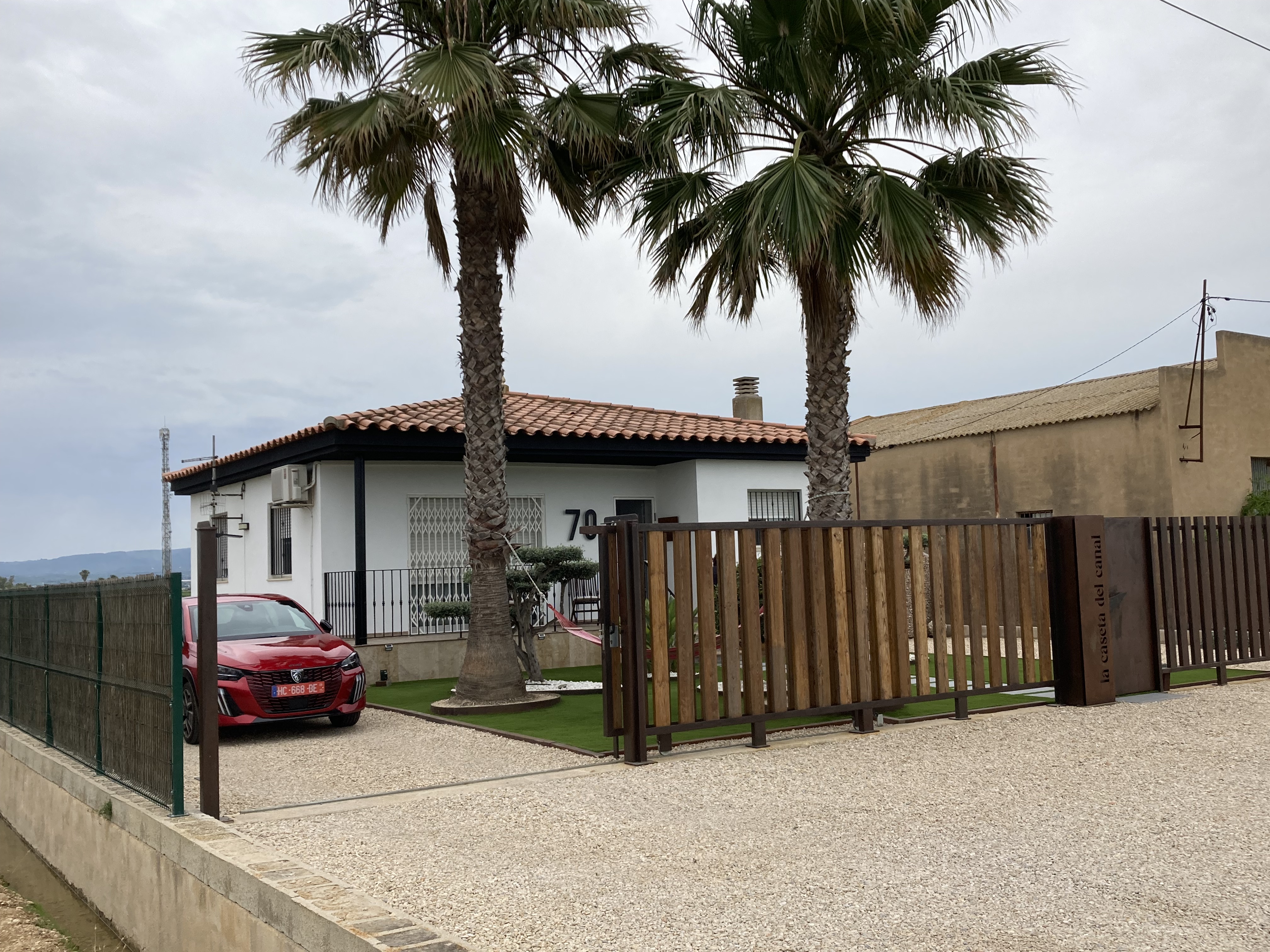
We received a very comprehensive guided tour: they are obviously proud of the place and although we suspected we may be amongst the first visitors, the Visitor’s Book goes back at least until April last year. The cottage was apparently part of the parcel when they bought the surrounding rice fields.The delta at the mouth of the Ebre River is a rice-growing place…(T had wondered about mosquitos). Yes, mozzies are part of the deal, hence window screens and repellant. We are still trying to work out if the cottage was originally a rice worker/manager/owner cottage, a granny flat or purpose built. But we’ll walk/cycle along the river (bicycles and helmets provided), do some bird-watching and find those flamingos.

And there rice ‘paddies’ all around.

And there is a rooster and church bells! Time to go home.

Dinner. Baked traditional sausage (recommended by previous host) and vegetables: potatoes, carrots, cauliflower, onions, tomatoes, flat beans. Current hosts have greeted us with cherries and peaches!

Olopte #3

Day 85. Saturday 31 May.

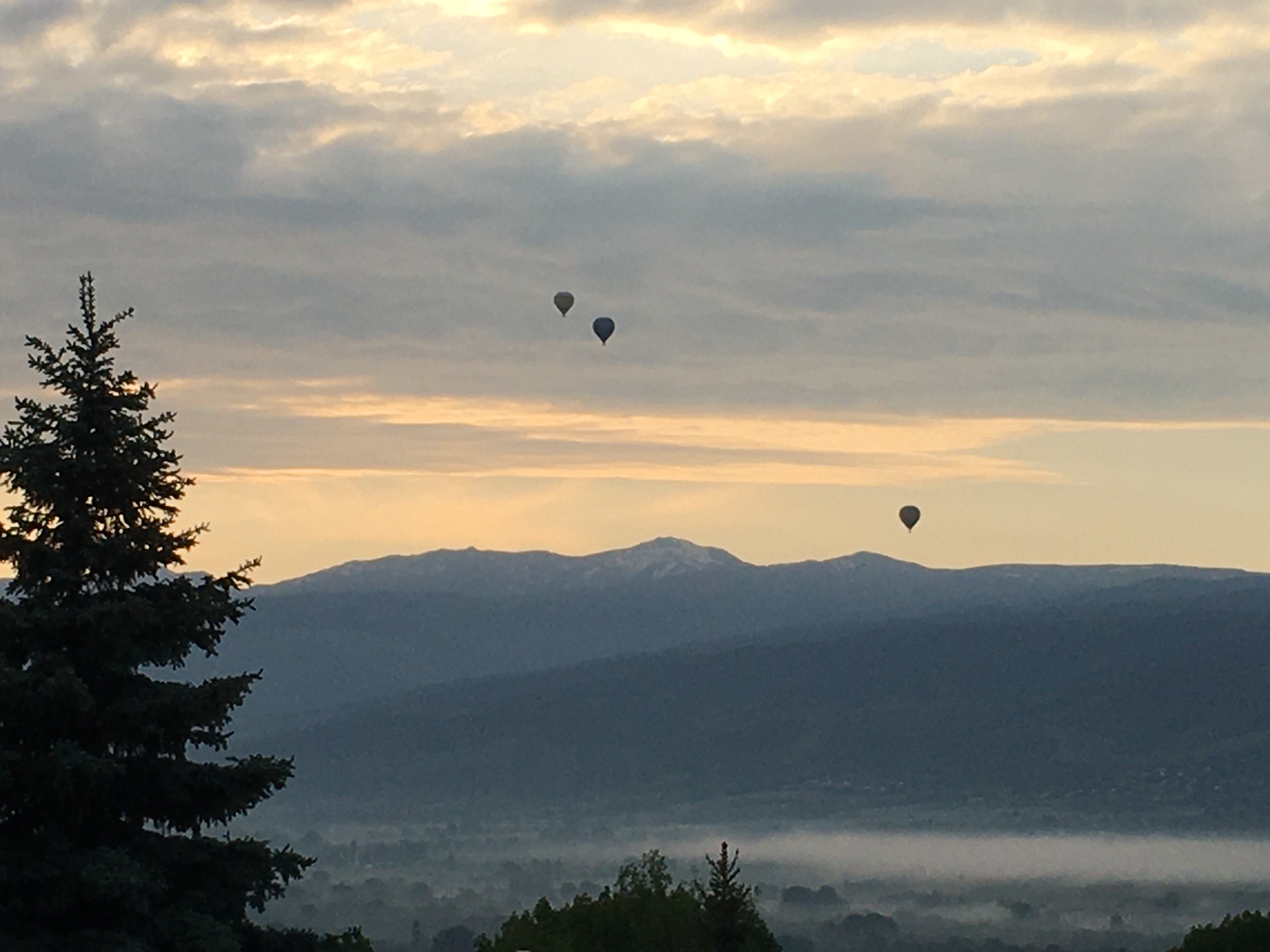
After a good night’s sleep, T took an early morning walk through the village. Only cats were about and then through the mist the balloons rose. It was a perfect pink morning after a night with firmly embedded earplugs and the rooster was in fine form.

Today was a little driving circuit,  stopping at those places in bold: Olopte to Bellver de Cerdanya (8 kms) to Isovol (5 kms) to Bolvir (8.5 kms) to Puigchedra (5 kms) to  Llivia (7 kms) to Egat (20 kms) to  Font-Romeu-Odeillo-Vi a (3.5 kms) to Mont-Louis (10 kms) to Saillagouse (13 kms) to  Bourg Madame (9 kms) to Olopte (15 kms).

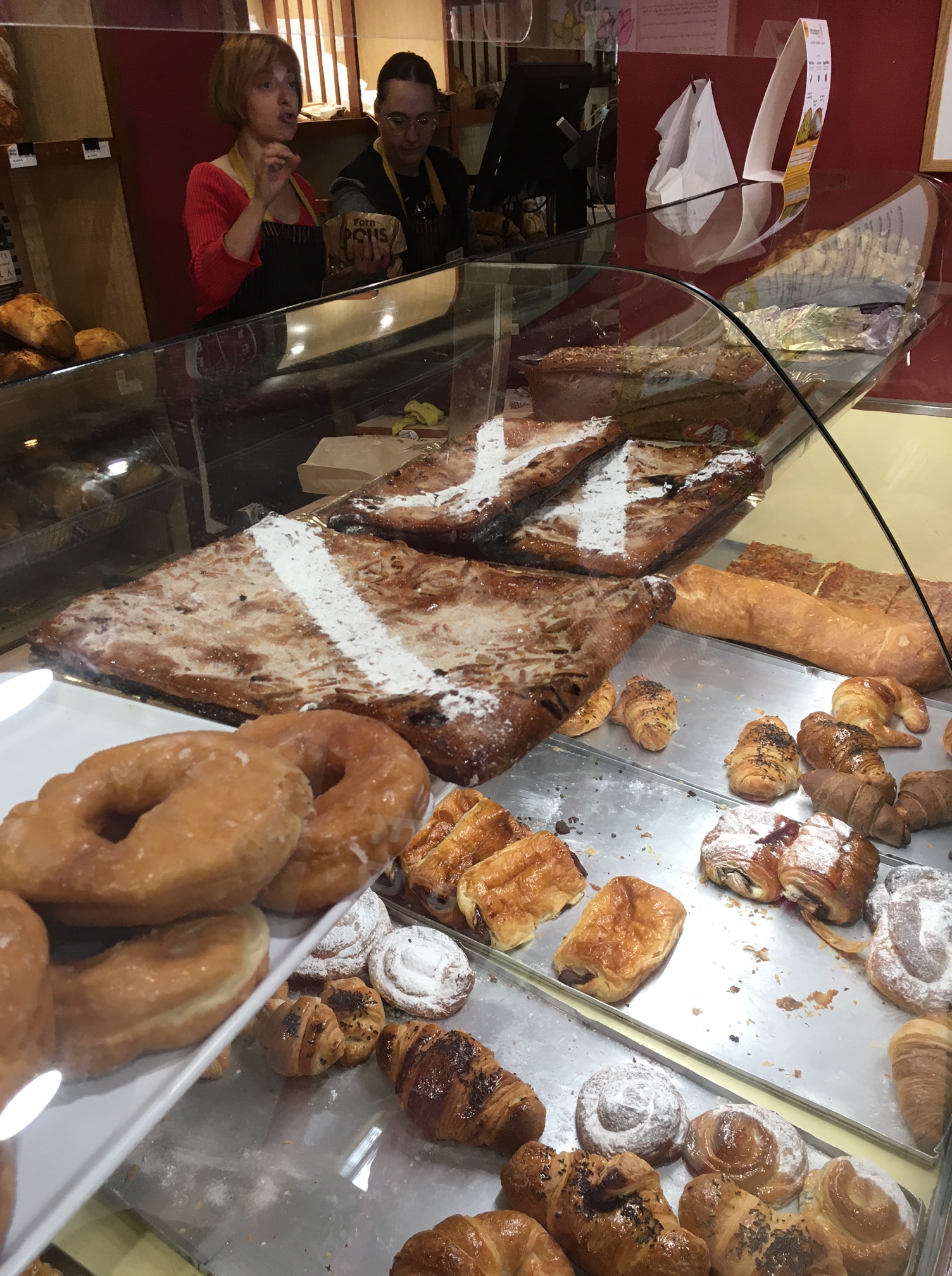
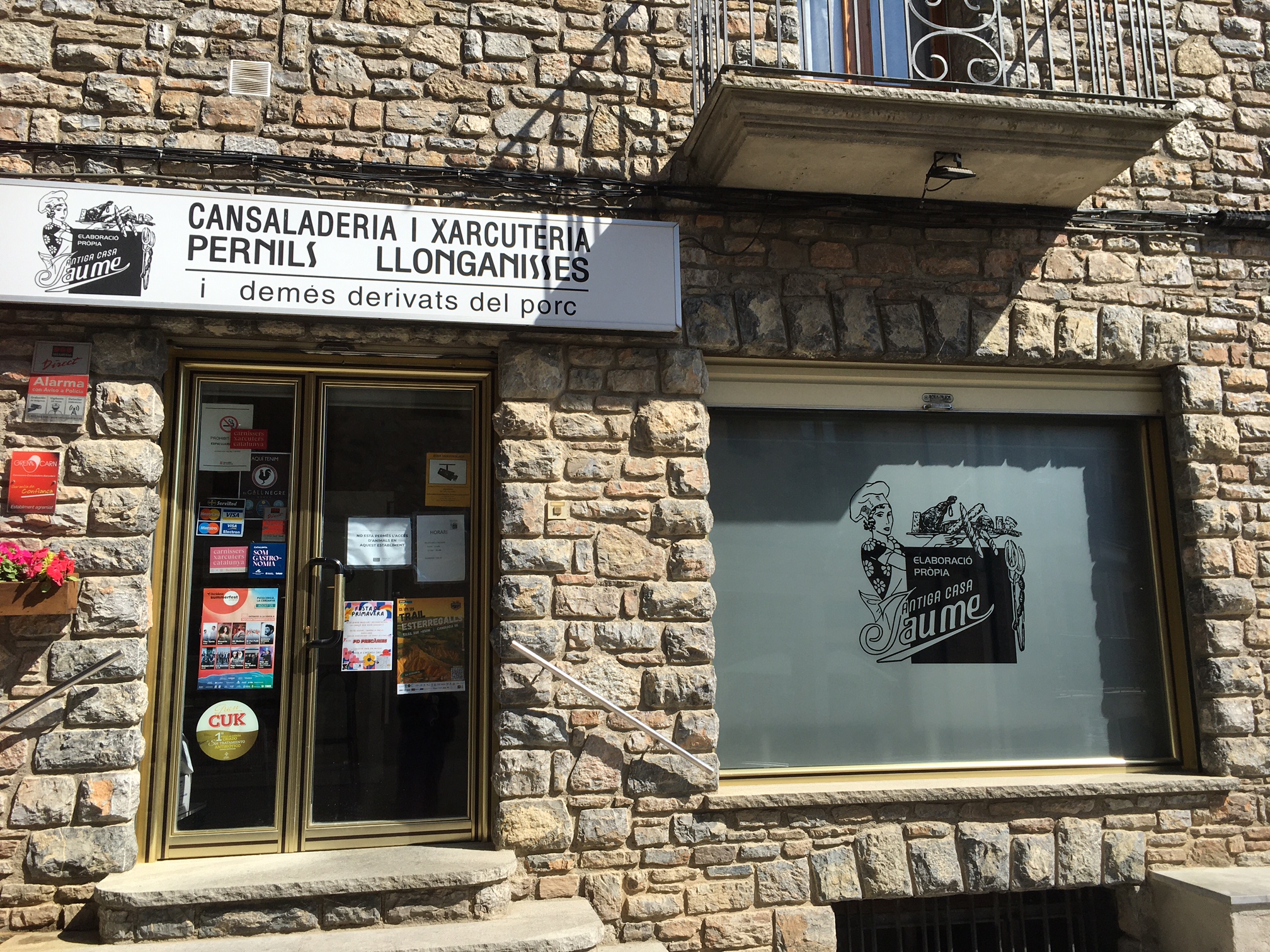
First destination was Bellver de Cerdanya, just down the road, to chase up two recommendations from our host Maria Angel: stone-baked bread from Forn Pous and traditional sausage from Cansaladeria I Xarcuteria Pernils LLonganisses (we think known as Cal Jaume). At the bakery, the answer to “English?” was “No”, so Google translate asked “stone baked bread?” Enthusiastic nod and smiles and pointed out.

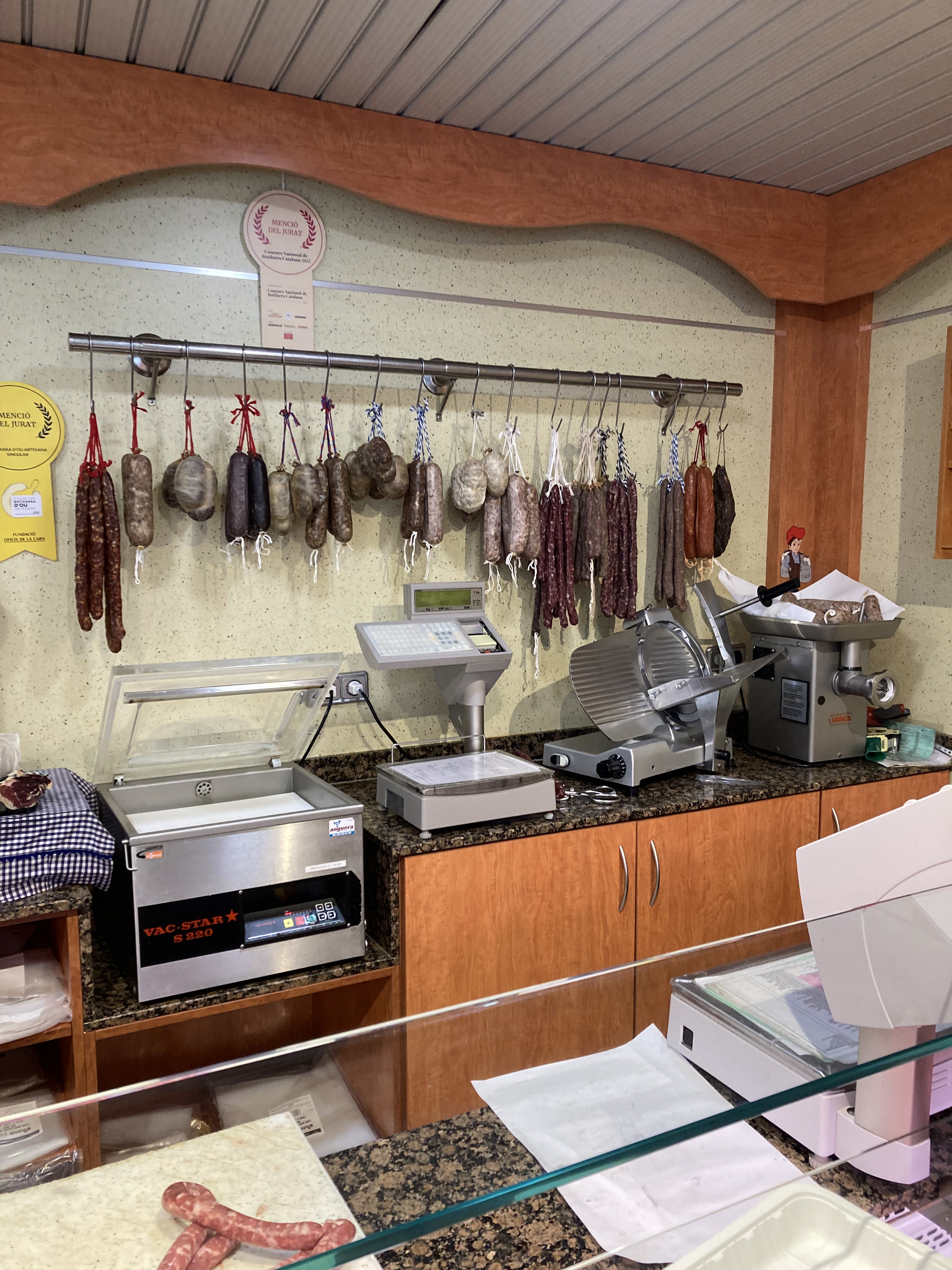
At Cal Jaume we waited in line as the two ladies attended to other customers: they would cut/pick up the selections, wrap them and when the order was complete walk over to another counter to complete the transaction, all the while talking, sometimes including us, although all we could do was smile and nod. Our turn, same response to the question, request typed in: “traditional sausage please’ then again nods and smiles as she disappeared into a back room to reappear with a couple of metres of thin sausage. We agreed to the amount she suggested for 2. Smiles and nods all round, but as we left D heard one say “English” so he turned back to correct that mistake: “Ah, Australien!’ – more huge smiles, laughs and enthusiastic waves. It was, unbelievably, still too early for coffee!

We continued on our drive, crossing into France via an international road, then  pausing at Llívia. The town of Llívia is a Spanish enclave surrounded by the French department of Pyrenees-Orientales. Because of a technicality in the Treaty of the Pyrenees signed in 1659, that transferred only “villages” in the Pyrenees to France, Llívia, which was designated a “town”, remains under Spanish control. Llívia is separated from the rest of Spain by a corridor approximately 1.6 km (1.0 mile) wide, which includes two French communes, and is traversed by a road owned by both France and Spain. Since 1995, there are no formal borders. Speech was in both French and Spanish. At a fruit stall we bought ‘gold-plated’ veggies and some fresh basil (first time we’ve seen a variety of fresh herbs, but they were suffering in the heat).

By now it was hot and humid, and threatening clouds were gathering.

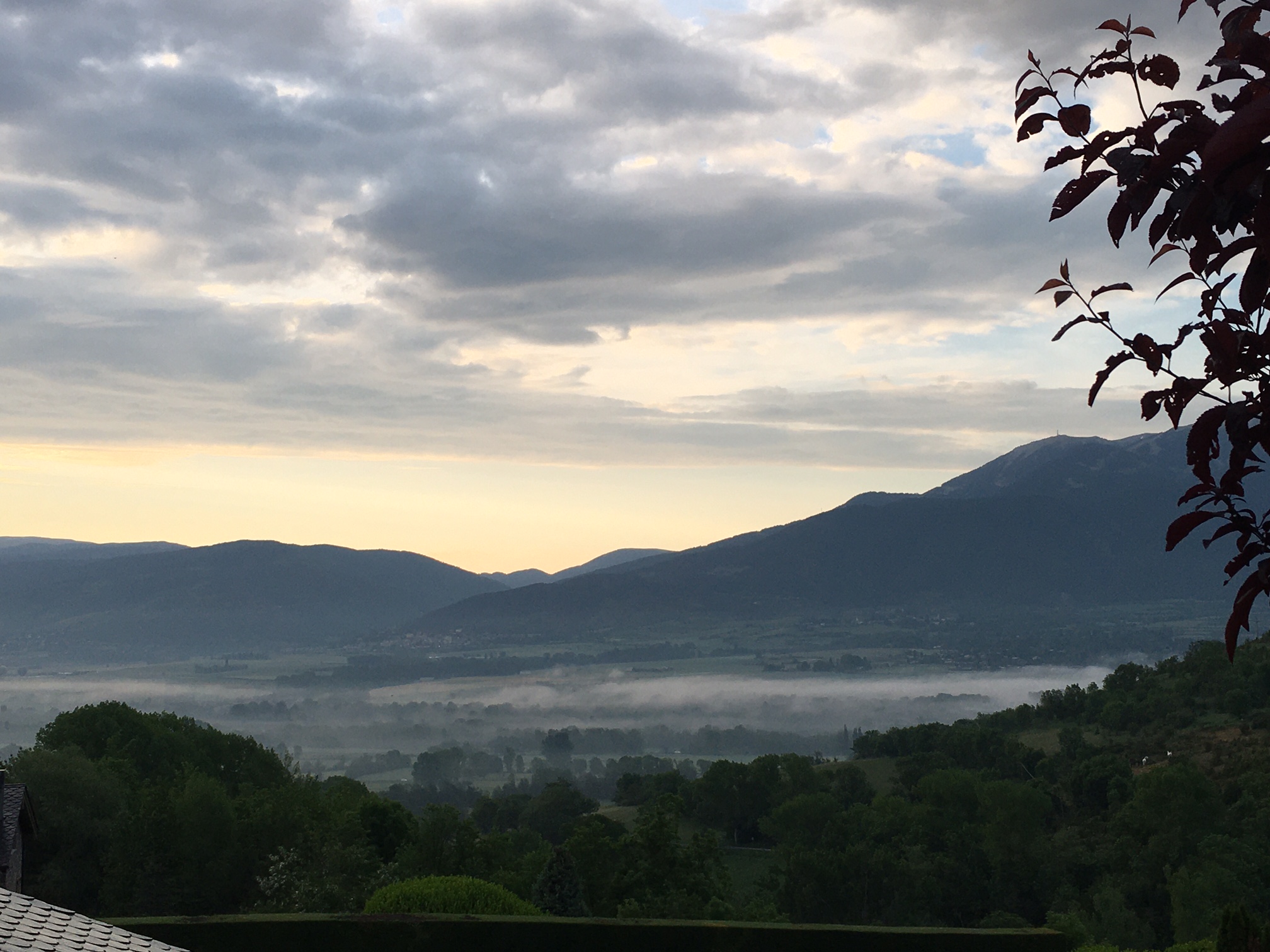
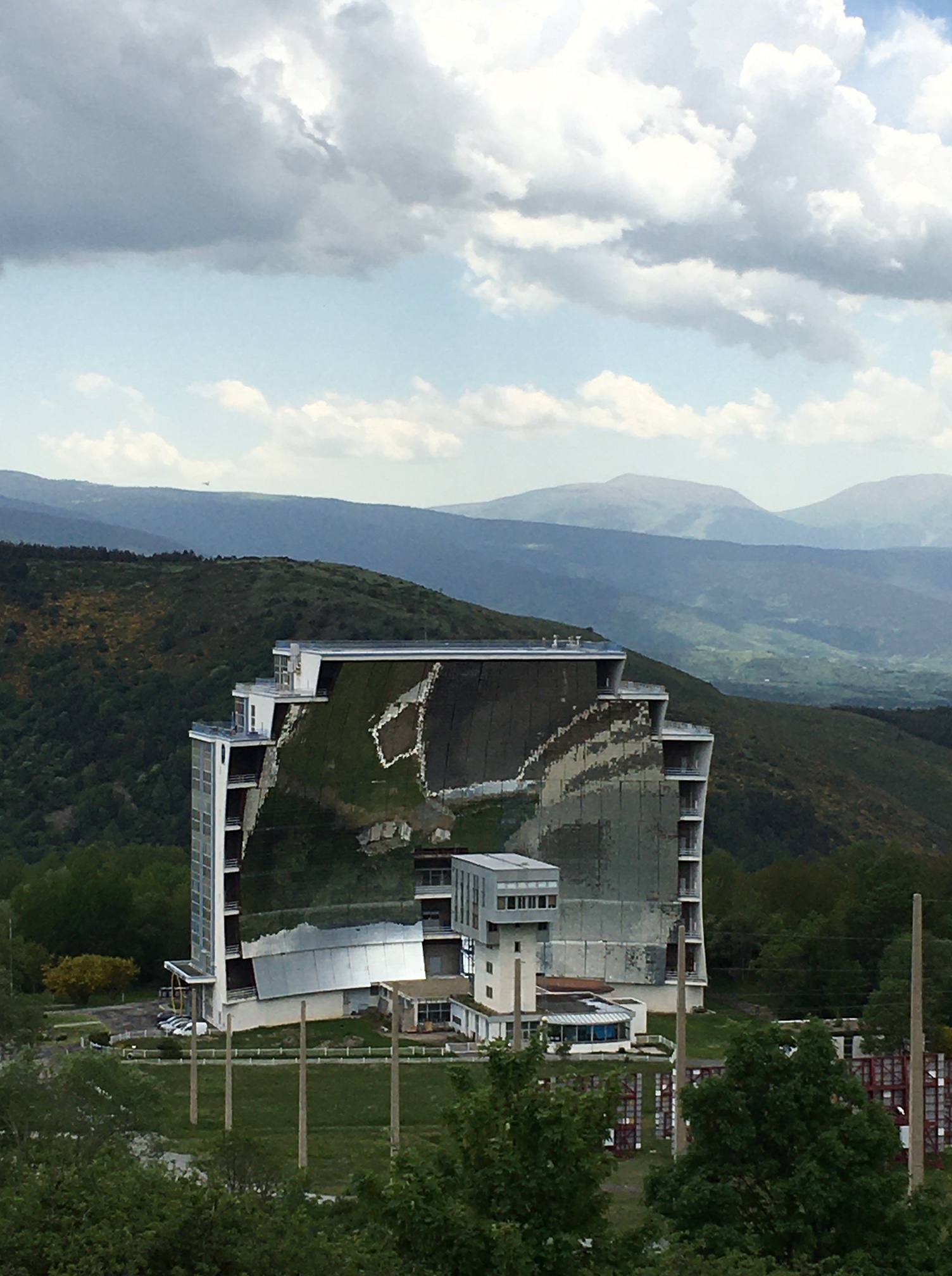
We drove into Font-Romeu-Odeillo-Via along a steep and very winding road, much loved by the many cyclists zooming downhill. There wasn’t much to stop for, although the views en route were breathtaking – the scale being beyond our little iPhone cameras. At this point Doris played another trick and sent us down the wrong road, for which she was loudly and harshly admonished. Back on track again, we saw a most unusual structure, which turned out to be the Odeillo solar furnace, the world’s largest, serving as a science research site studying materials at very high temperatures.

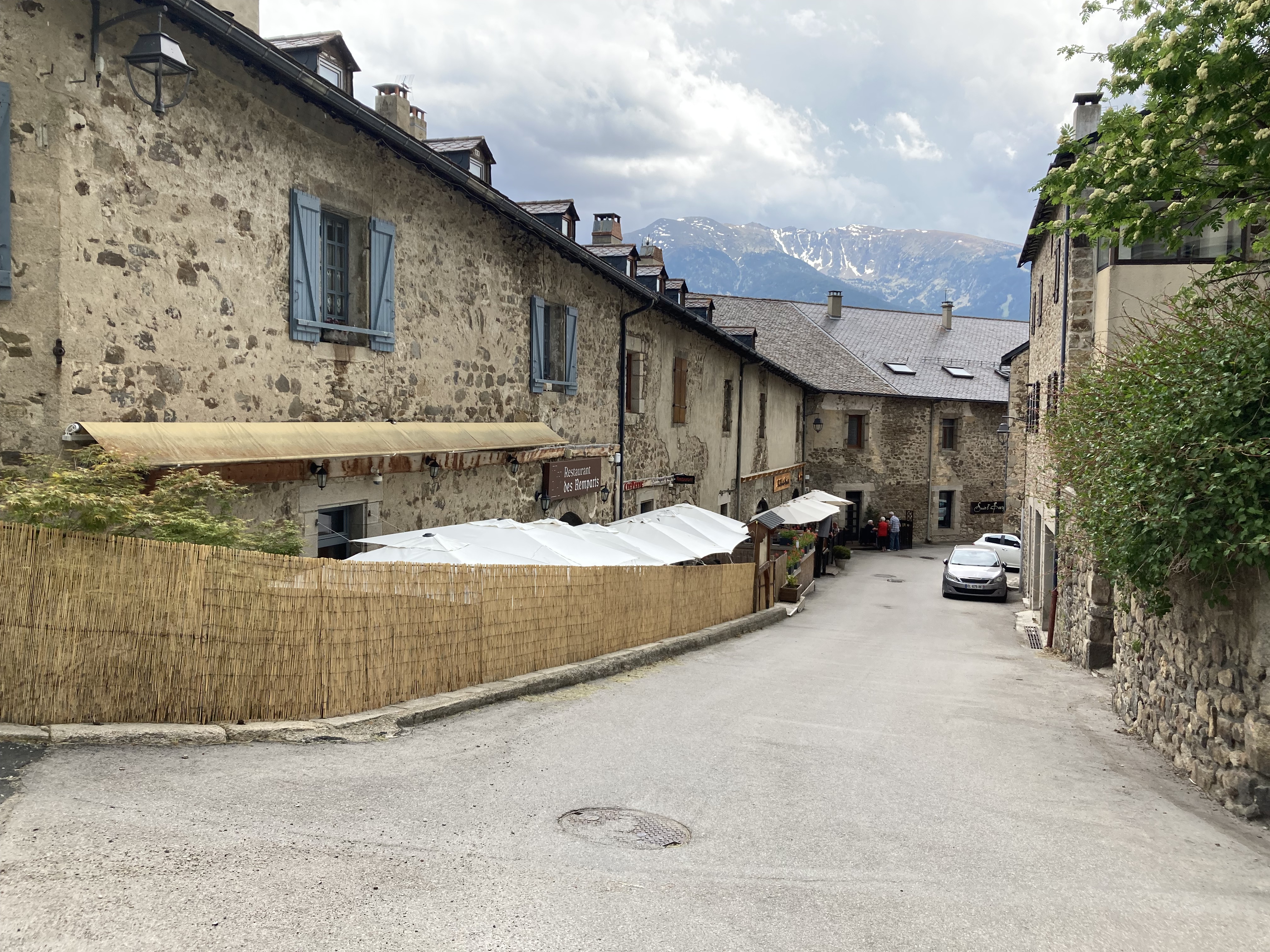
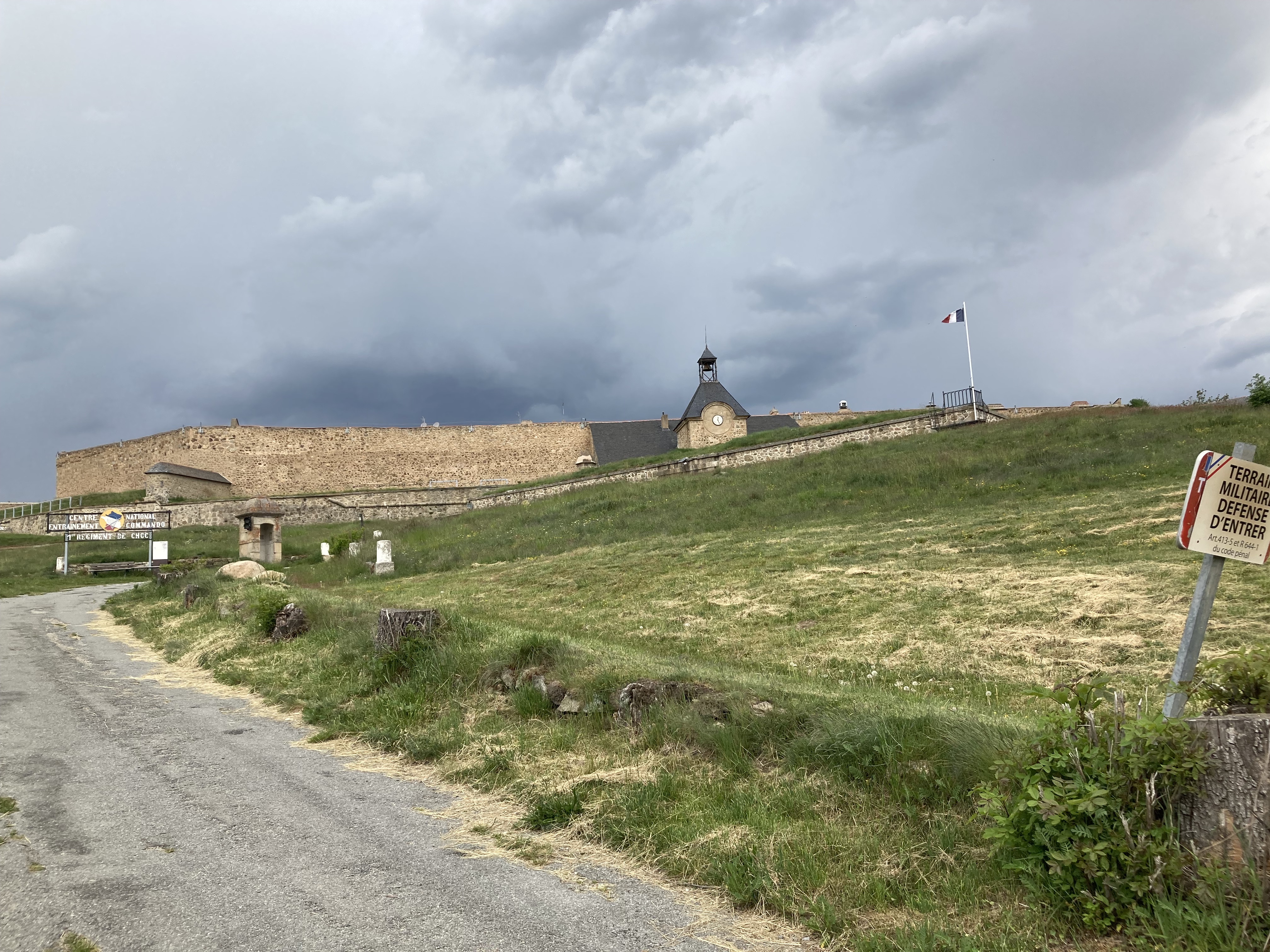
On to Mont-Louis, a walled commune on a hill, also home to the Commando Training centre. We were well and truly in France.

Entry was through two narrow stone gateways, across a moat bridge. We chose a cafe/snack bar for lunch bypassing the restaurants that do a brisk trade with 3-course menus of the day. After nearly three months in this lifestyle, we haven’t taken on the dinner & wine scene in the middle of the day, preferring to return to home base ( by car) for this. The waitress had excellent English and when we ordered the quiche to share she advised that it was not home-made, recommending the bruschetta (for two): we selected the cheese and chorizo option. When it arrived it was huge, and about 80% garlic. This was, however, a single serve!

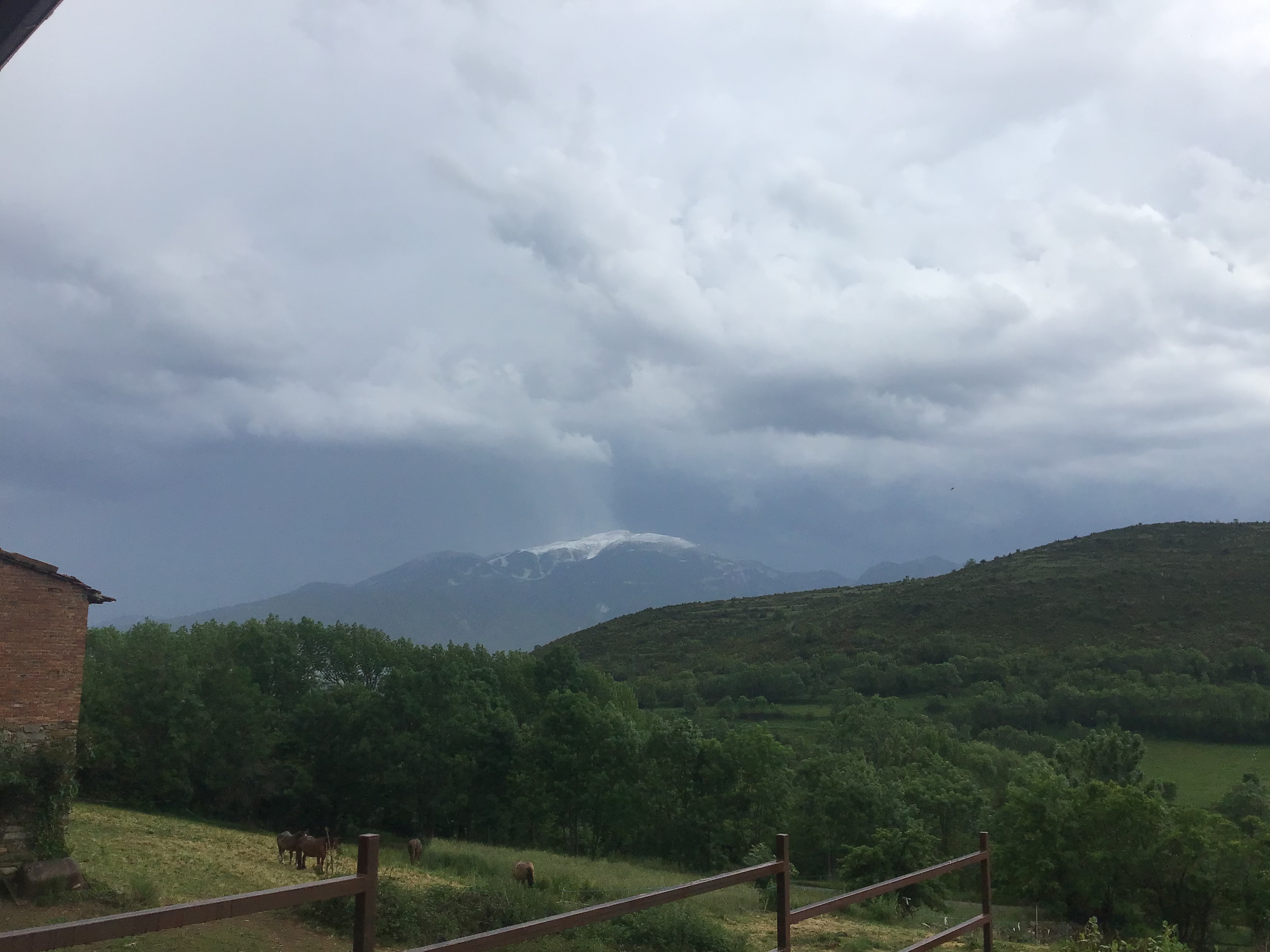
Spotty rain turned into showers as we drove away, becoming heavy enough to have a brief pull-over to wait it out. D stopped the car for T to take a photo of the boom gates he said were the border: actually, they were only a railway crossing!There are no marked borders.

Rain continued on and off…D took to the screen and T picked up needle and thread.

Dinner is a spicy soup using leftover chicken, red curry paste, veggies ( including Joan’s technique of breaking potato chunks).