
Day 78. Saturday 24 May.
The day dawned with promise, and J, for the moment, had sprung back – not all the way, mind you, but a little skip. T not so good after a sleepless night with a head too full of everything…
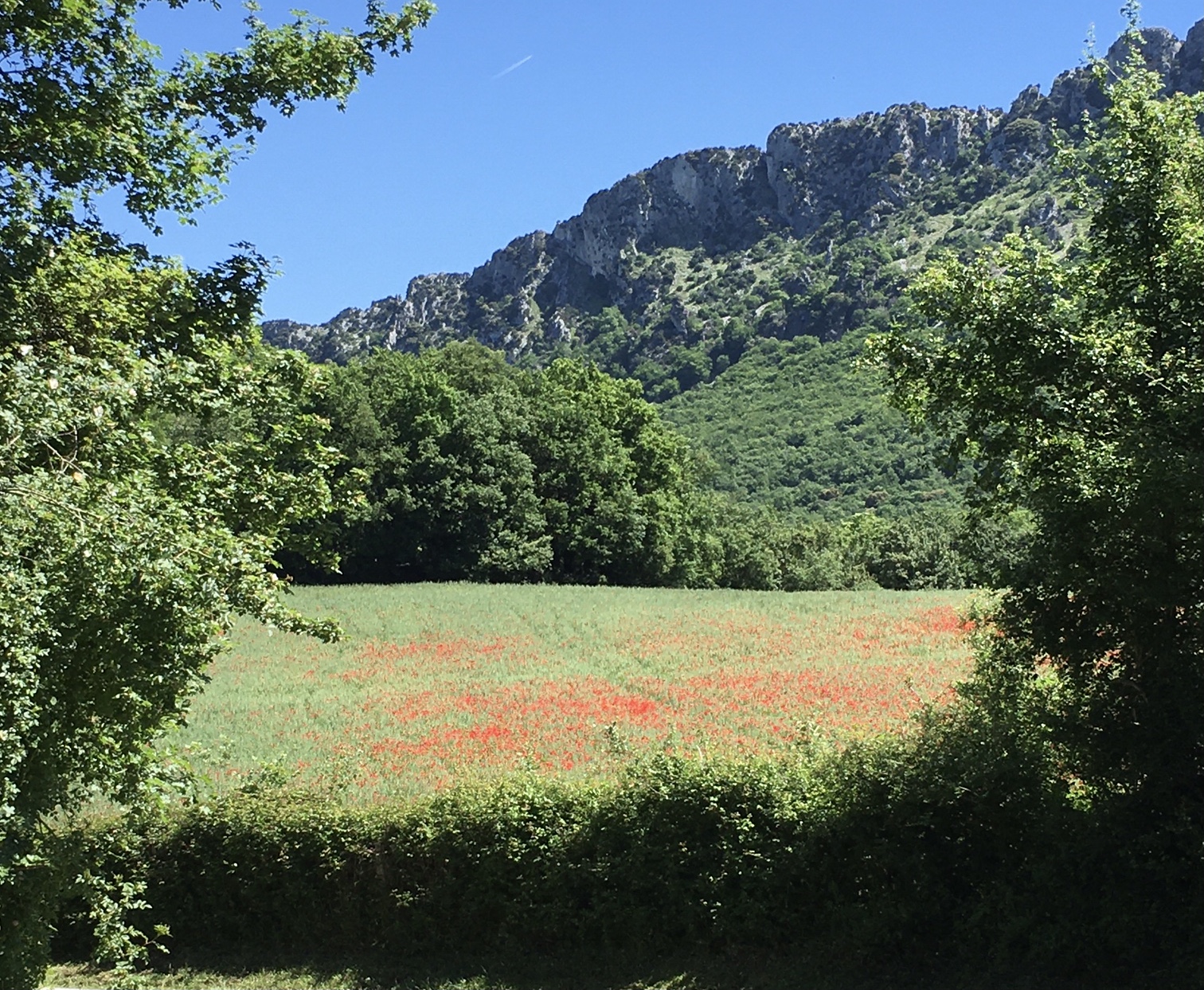
After a beautifully cooked/prepared leisurely breakfast, we decided to take the short trip to the Museo Etnografico del Reina de Pamplona. The road passes through fields of wheat and poppies, with the occasional cow, with her bell ringing, queen of the road.
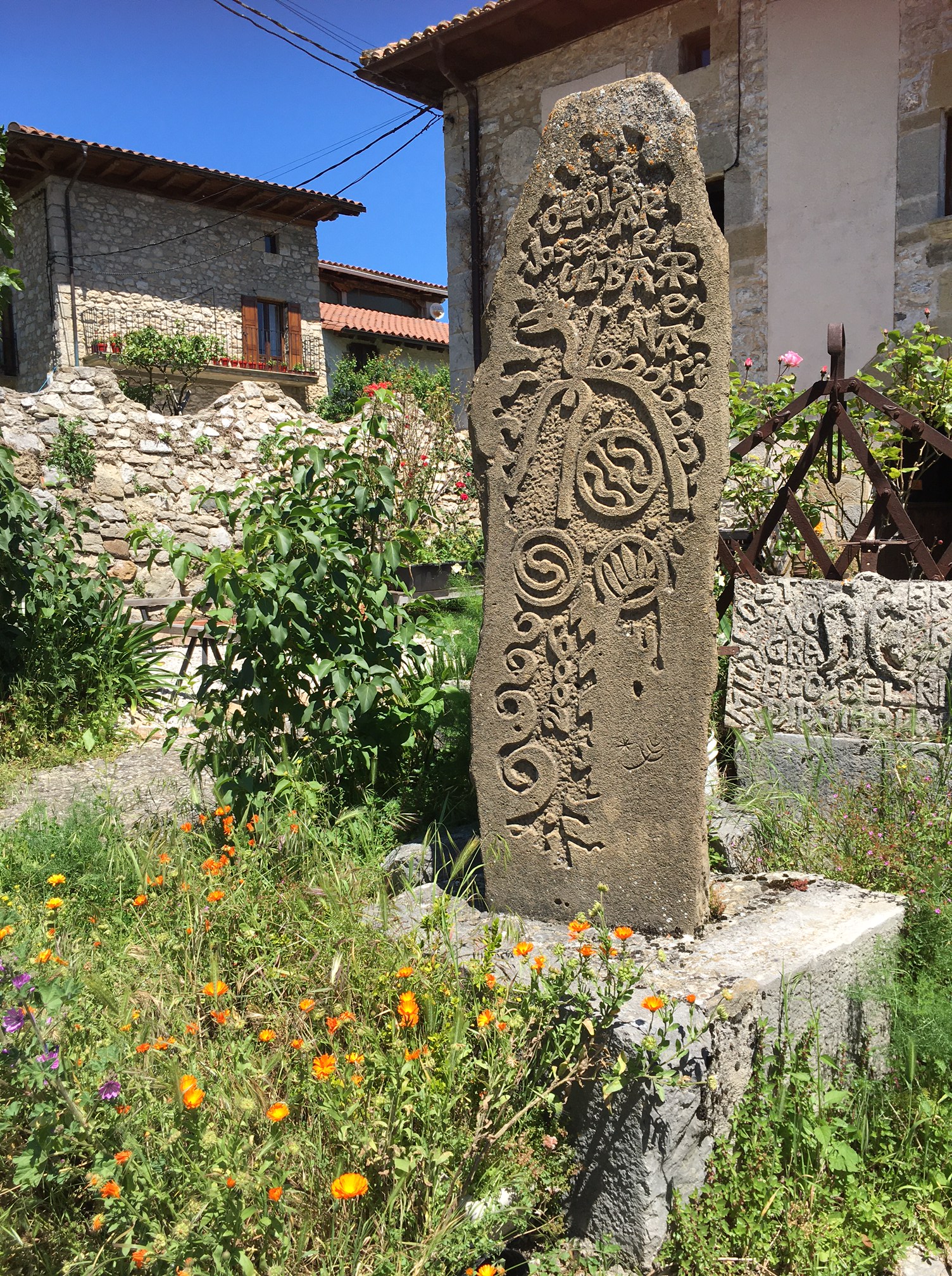
Thanks to Google, we know that the museum is located in Casa Fantikorena, built in 1641. It consists of a ground floor and two upper floors and features 17th-century folk architecture.

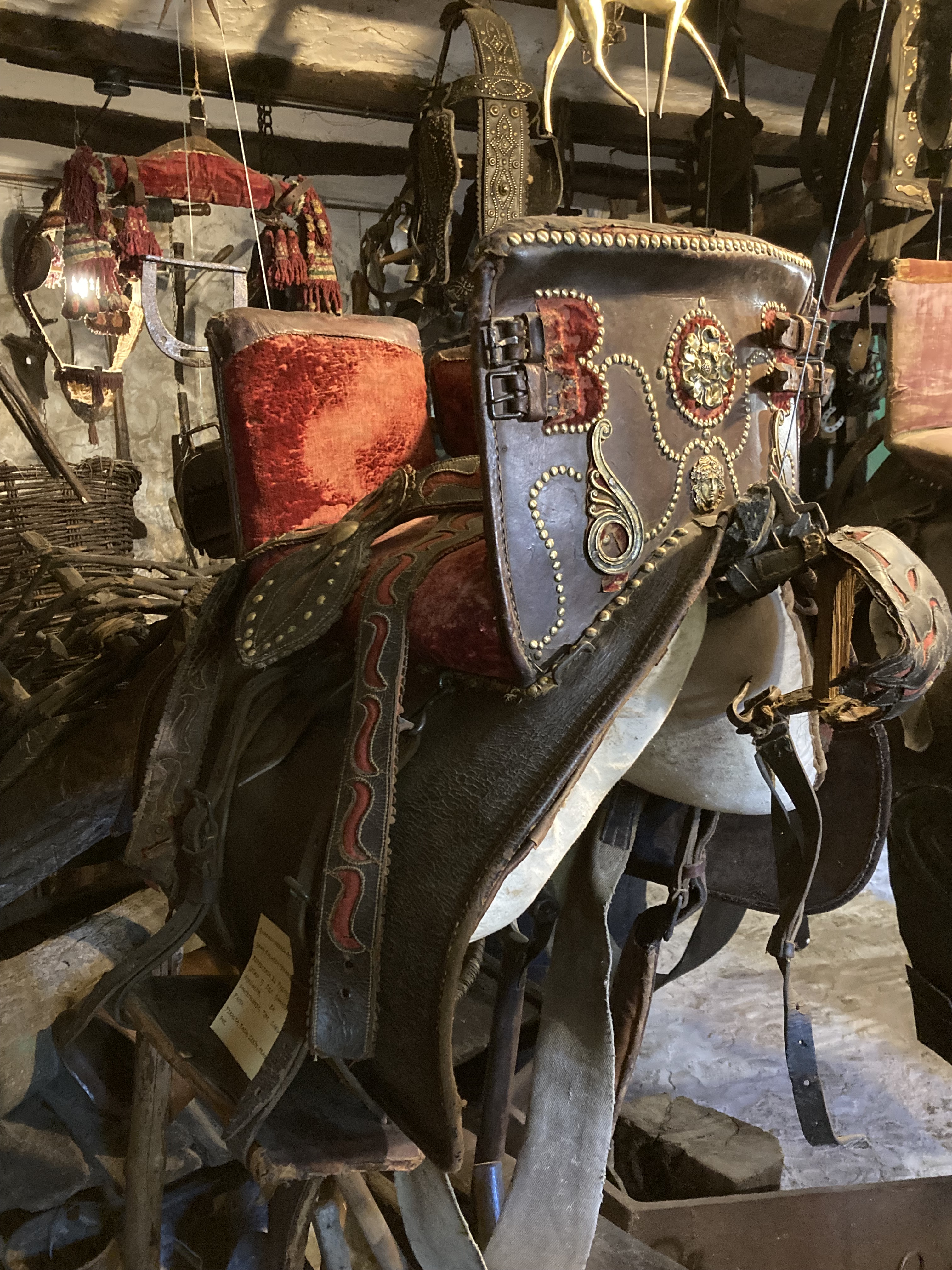
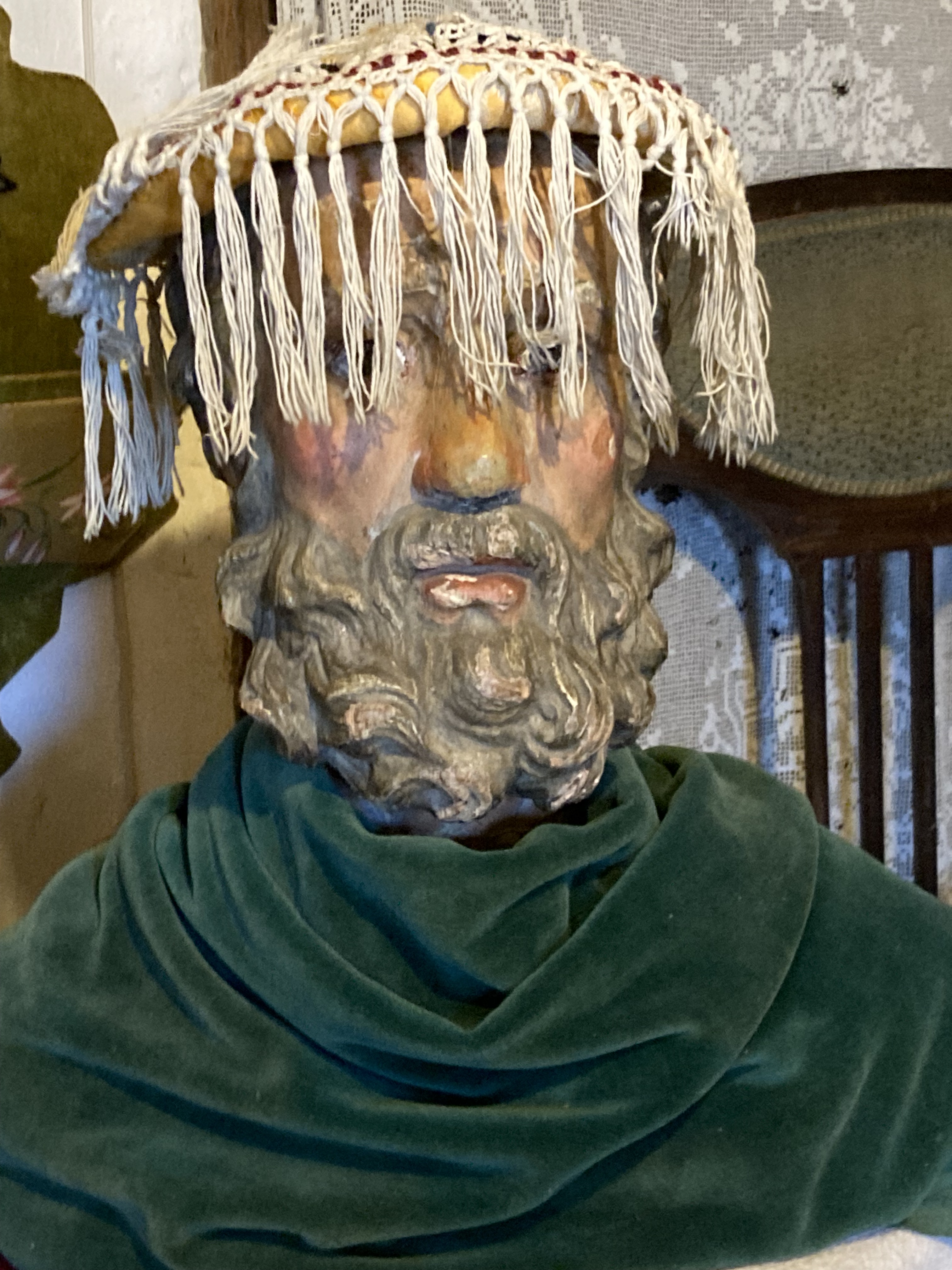
There are nearly 8,000 artifacts from pre-industrial rural society, from the Ancient Kingdom of Navarre, grouped by trade. It was, of course, somewhat amusing and/or confronting that many of the items were not only familiar to us, but we also had used!


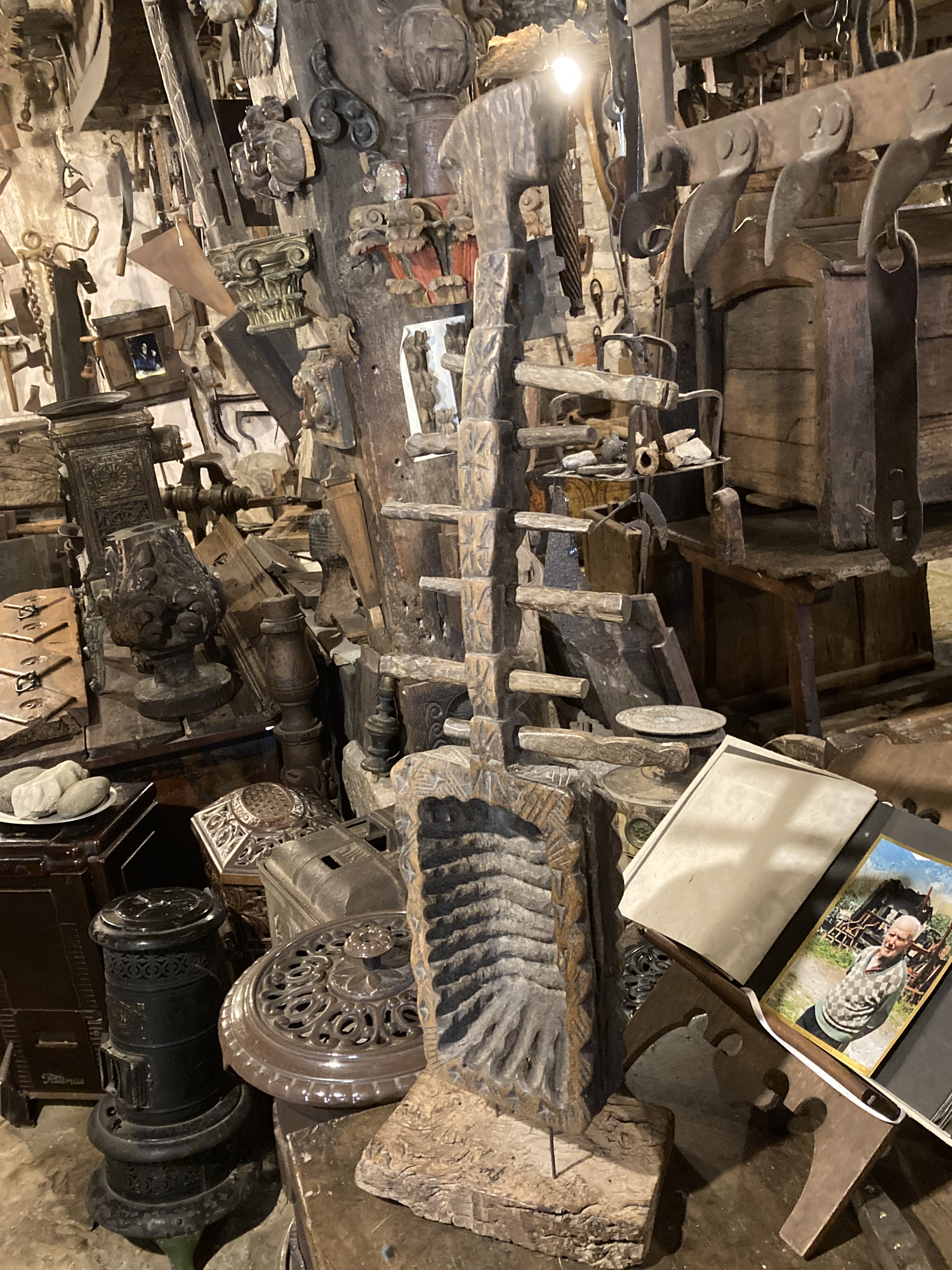

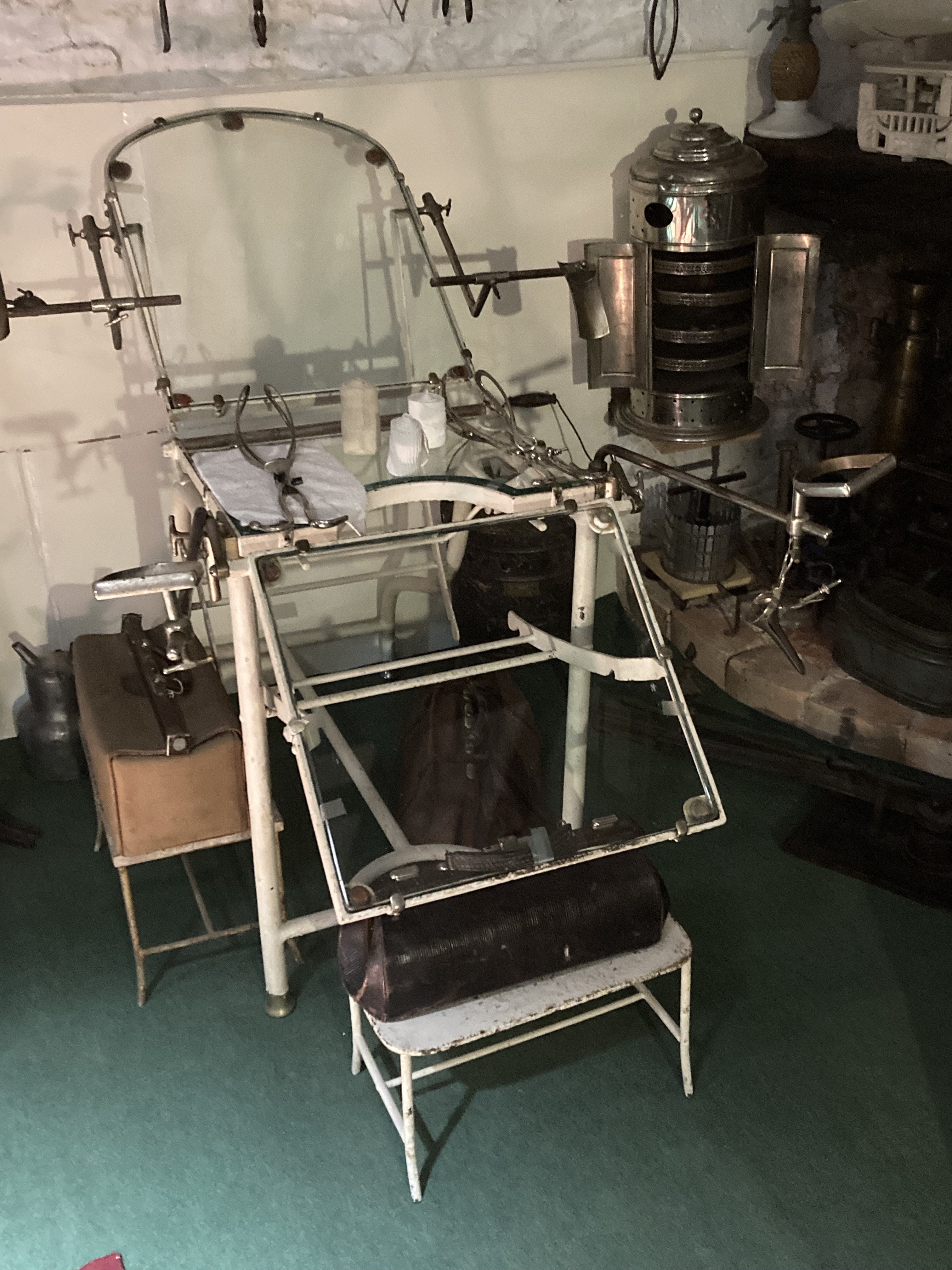
It was terrific, and we eventually started a conversation with the guide for the day. She was a delight, as we managed, with only a small reference to Google translate, to communicate. We did feel a bit underdone: she speaks Spanish, Basque, French, and a bit of English. A former school teacher of 24 years – her gestures told the back story – she retired but now travels around with a suitcase containing artifacts to tell the history of this region.
Our museum host advised of a coffee spot just up the road at Ultzurran. Turned out to be quite popular, tables of younger and older folk, kids and a dog, and we all had a beer and a little snack: chorizo roll, mushroom patty and tortilla.

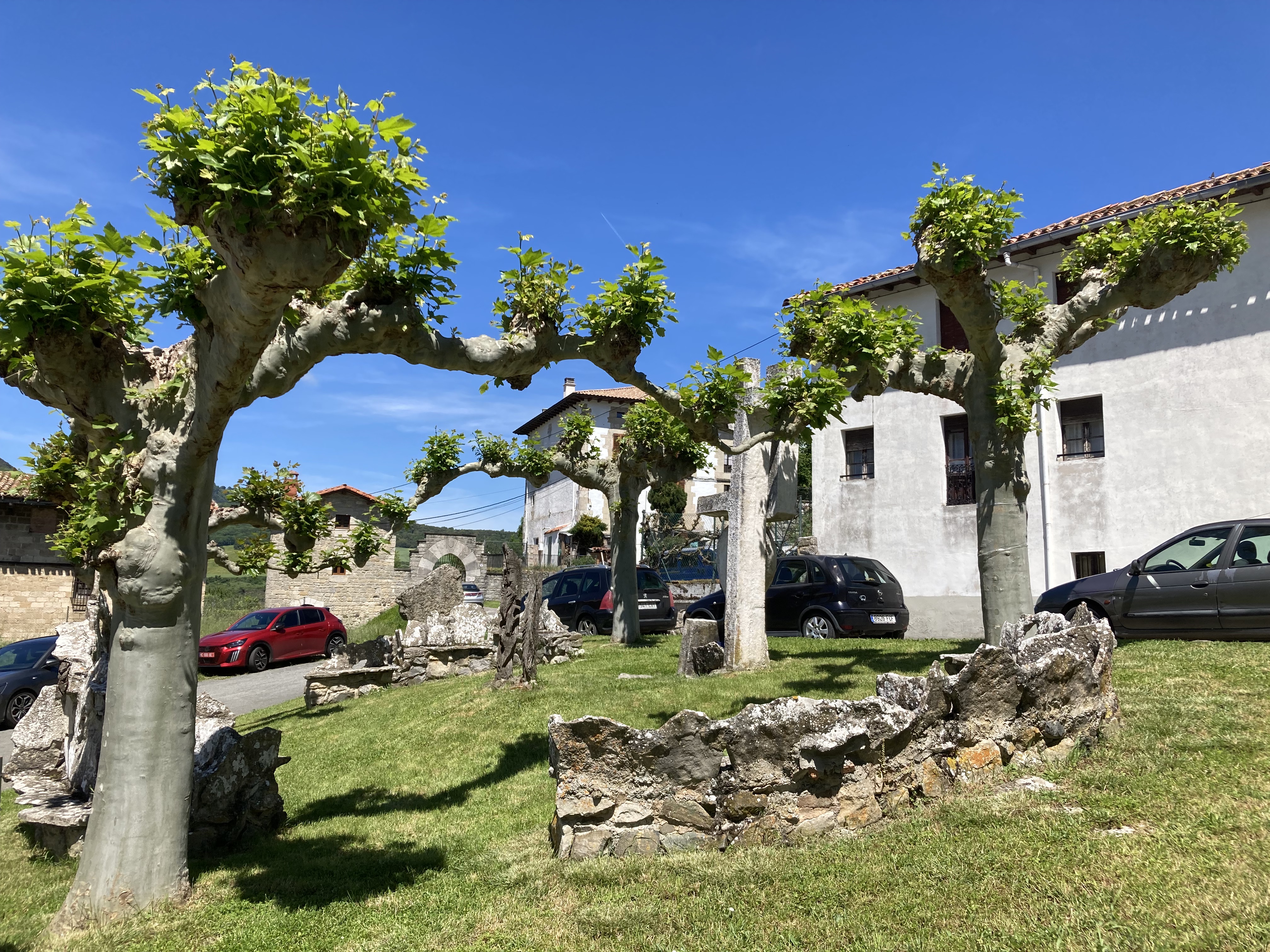
Next idea was to try to find a memorial T and D had passed yesterday, so headed towards Ororbia. As we neared, we gave up, not recognizing any landmarks. Arriving at Ororbia, for some reason D turned right at a T-intersection, then sought somewhere to do a U turn. You guessed it – there was the site we were looking for, on the ‘wrong’ road we took yesterday.
It was a memorial connected to the Spanish Civil War. This grave is the one with the highest number of victims in this region, where several areas were chosen as the scene of shootings and murders due to their proximity to the detention centers established in Pamplona after the military coup of July 1936. Nine graves have been located to date, in which at least 73 people were murdered. The remains of 39 murdered people have been recovered thanks to exhumations carried out during the Franco regime.
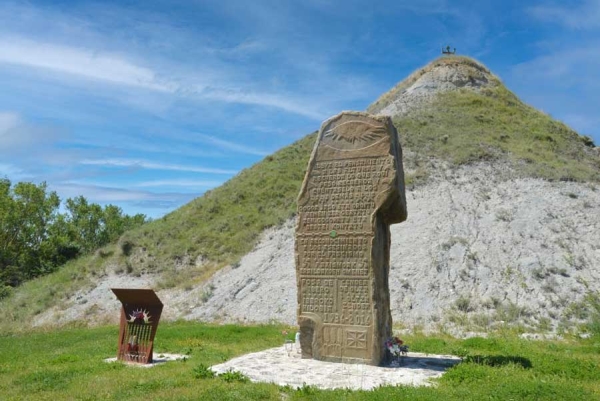

The local Town Council, in collaboration with the memorial group Zurbau, has launched several initiatives to raise awareness of this horror. Each of the graves has been marked with a metal monolith, a plaque, and a QR code to provide information about the people murdered there.
In 2019, it was declared a Site of Historical Memory in Navarre. The memorial recognizes the horror Navarre experienced after the 1936 coup d’état and the political cleansing carried out against hundreds of people simply for thinking differently. One hopes that we learn from history.
That was enough for one day, so home we went, some to rest, some to continue to search for our next accommodation, some to read the news.
Dinner. Roast pork with roast vegetables, and steamed long flat green beans and broccoli.

And solely for medicinal purposes

 Travels with and without Gloria