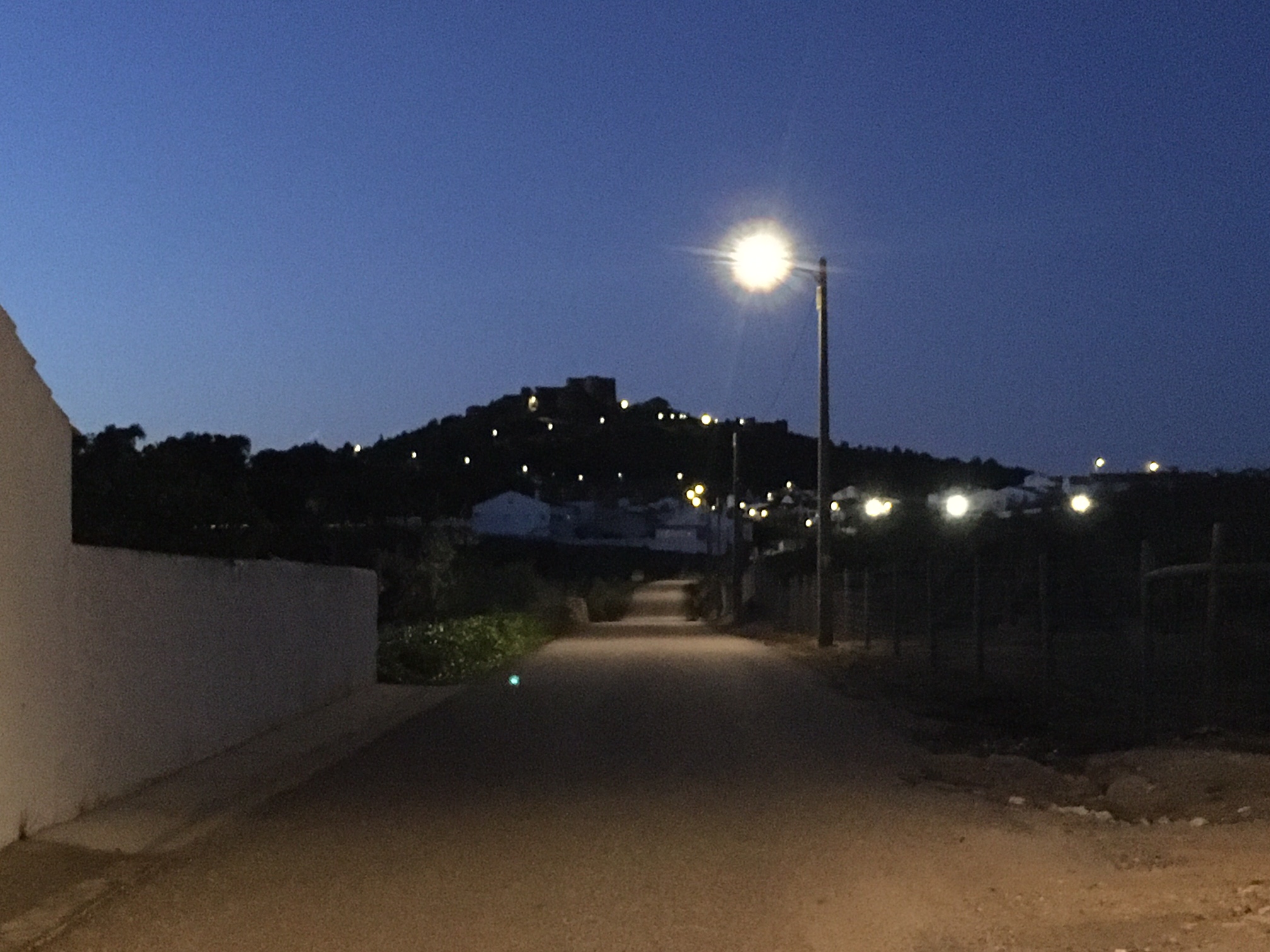
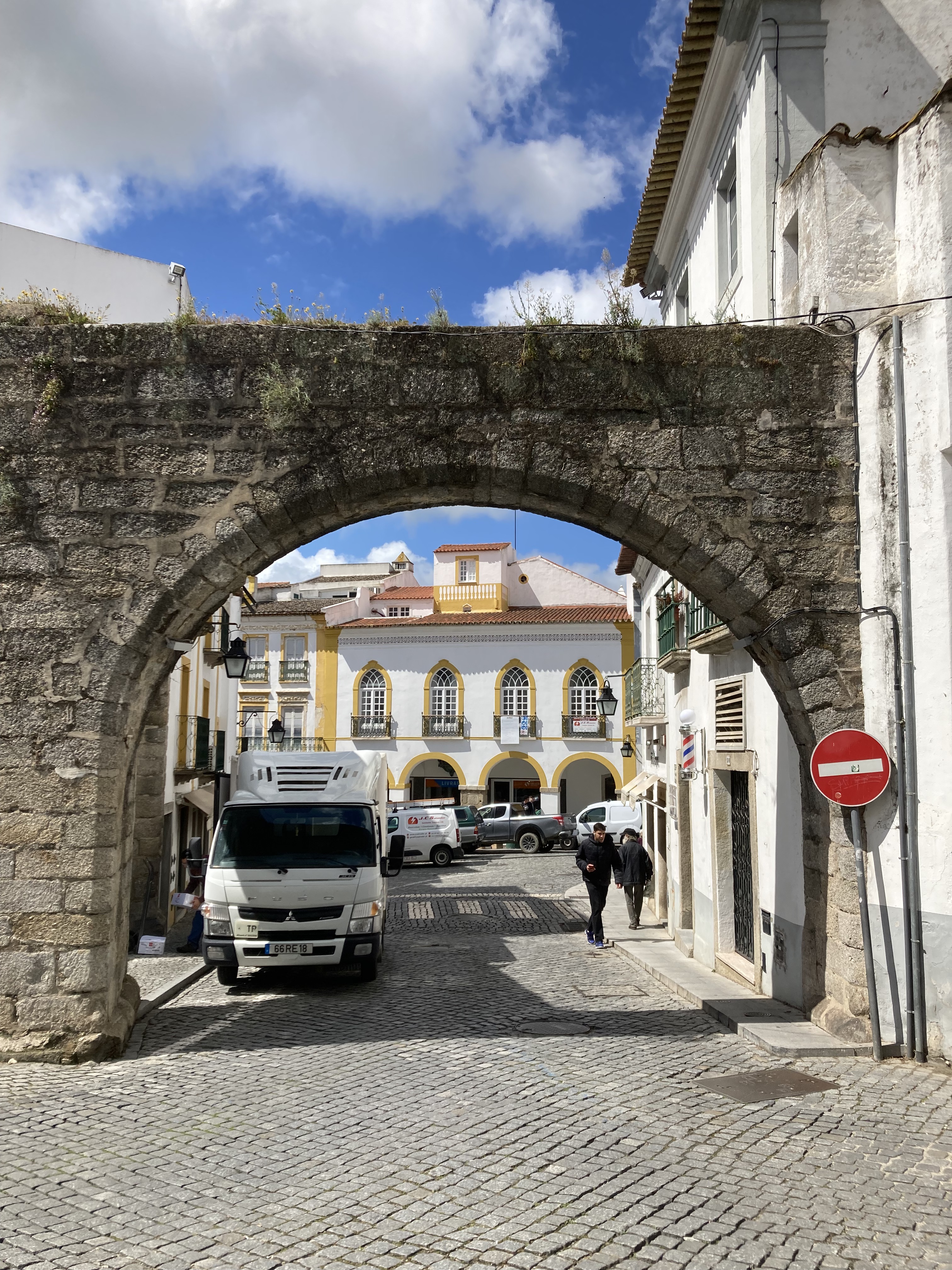
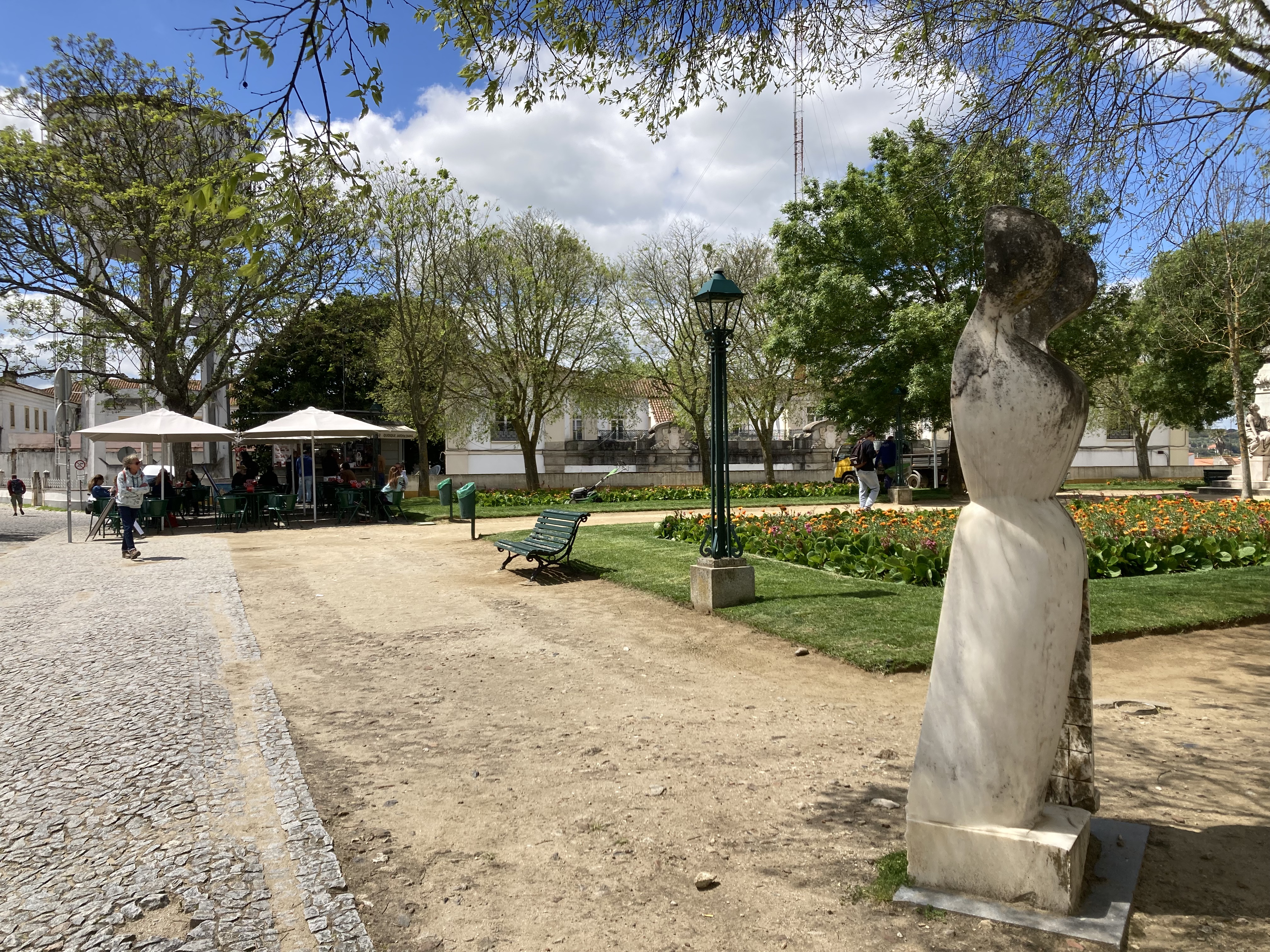
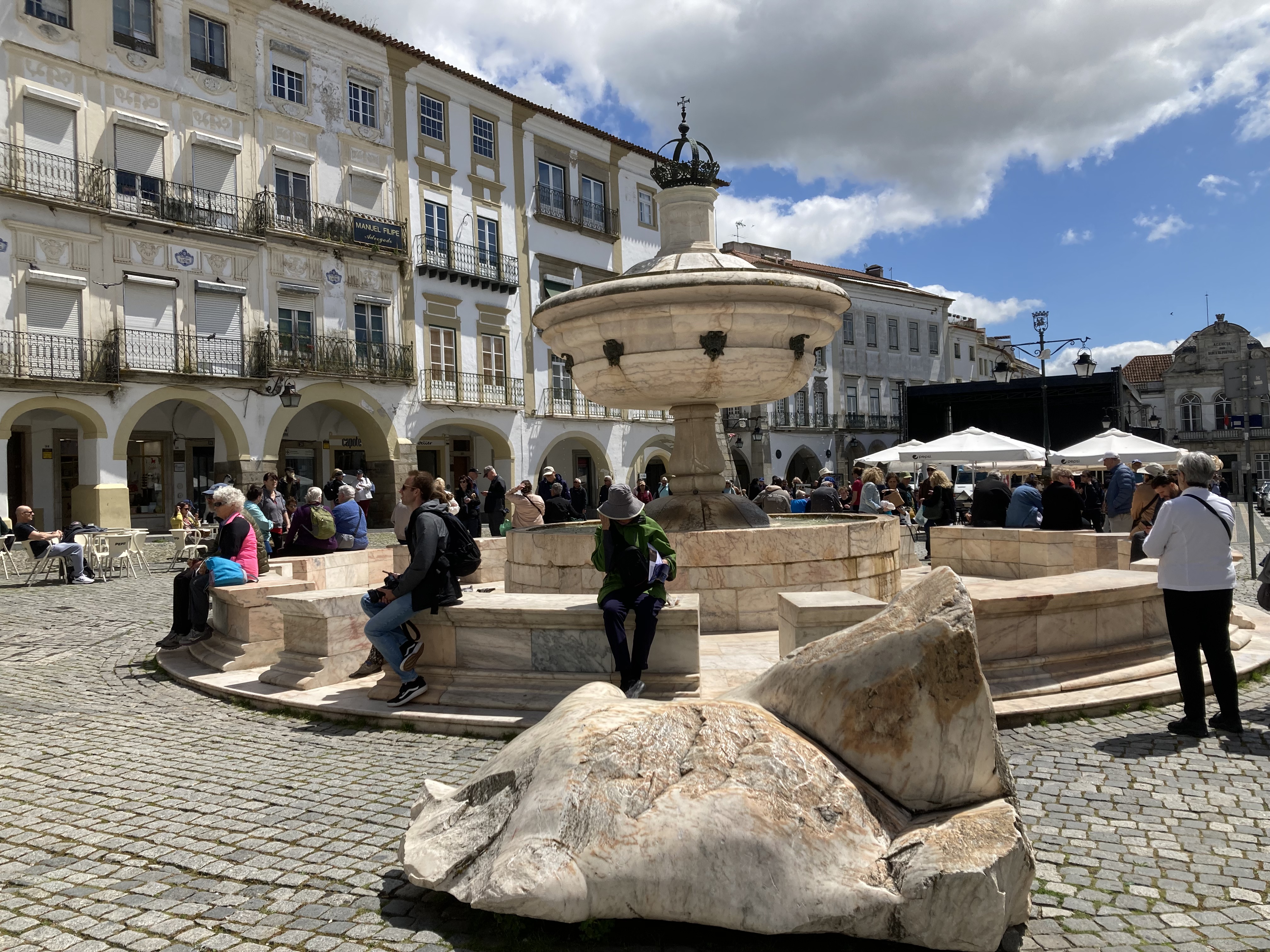
Lisbon #5

Day 52. Tuesday 29 April.

Having effectively lost a day yesterday, our bucket list was overflowing: so how to choose destinations in a city full of museums & galleries?

First destination – the LX factory cultural area and the Liraria der Devagar bookshop (collocated as it turned out) – the next challenge was how to get there. It turned out that the simplest way was the 728 bus from our local metro, Moscavide, to Alcantara Mar, about 11 Km. It was great because we had another overview ride, like a Big Red Bus, but without the commentary.

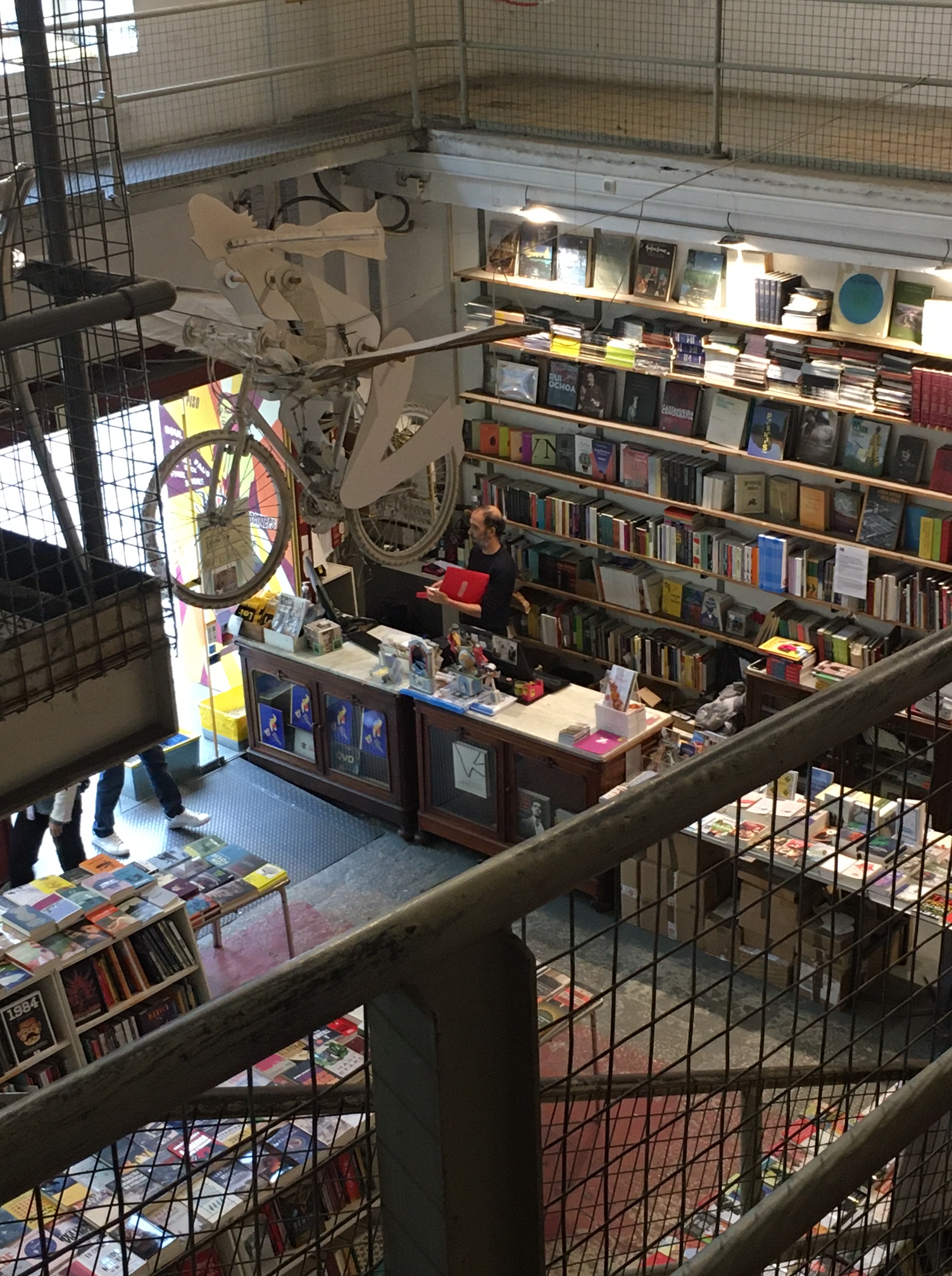
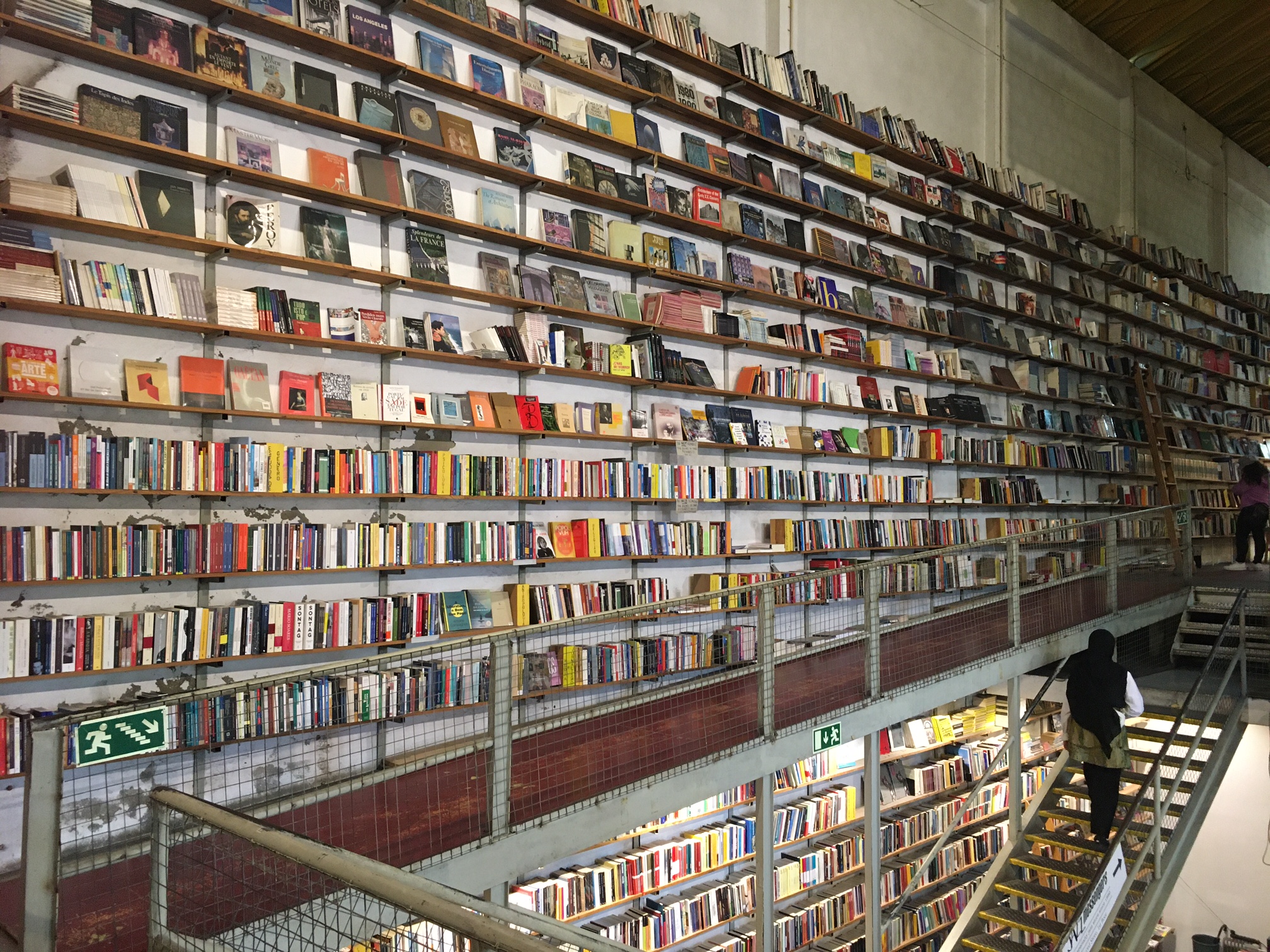
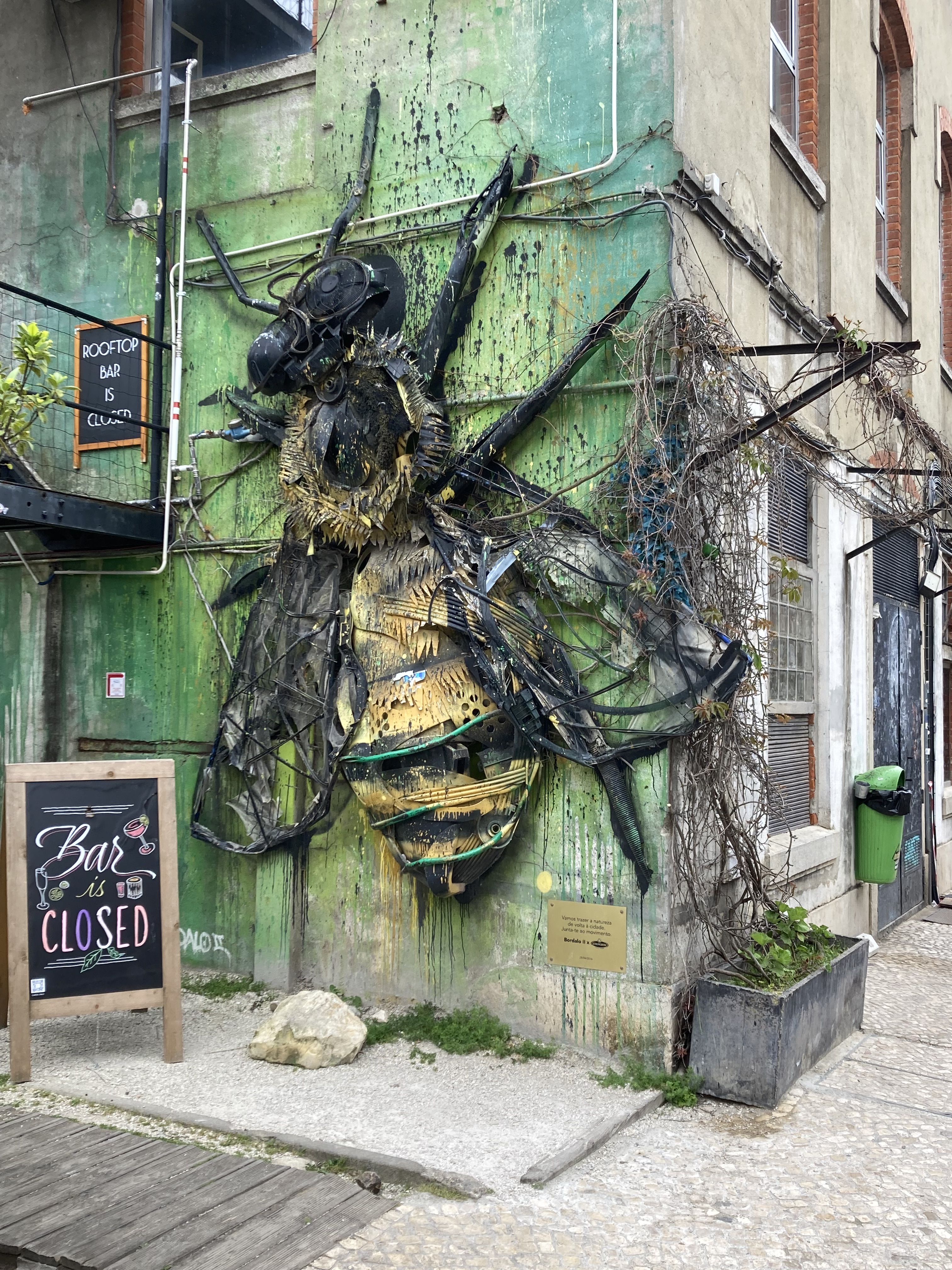
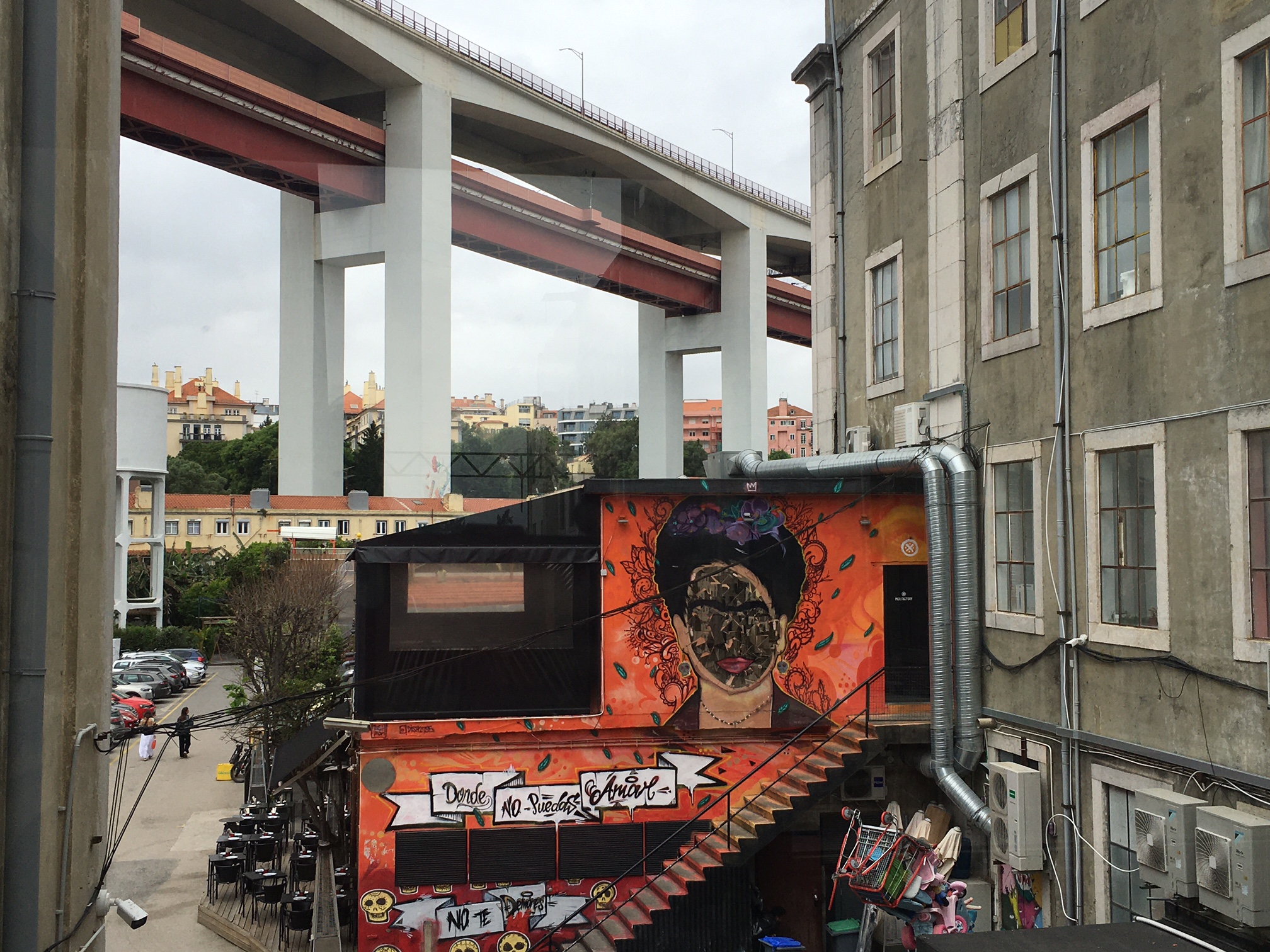
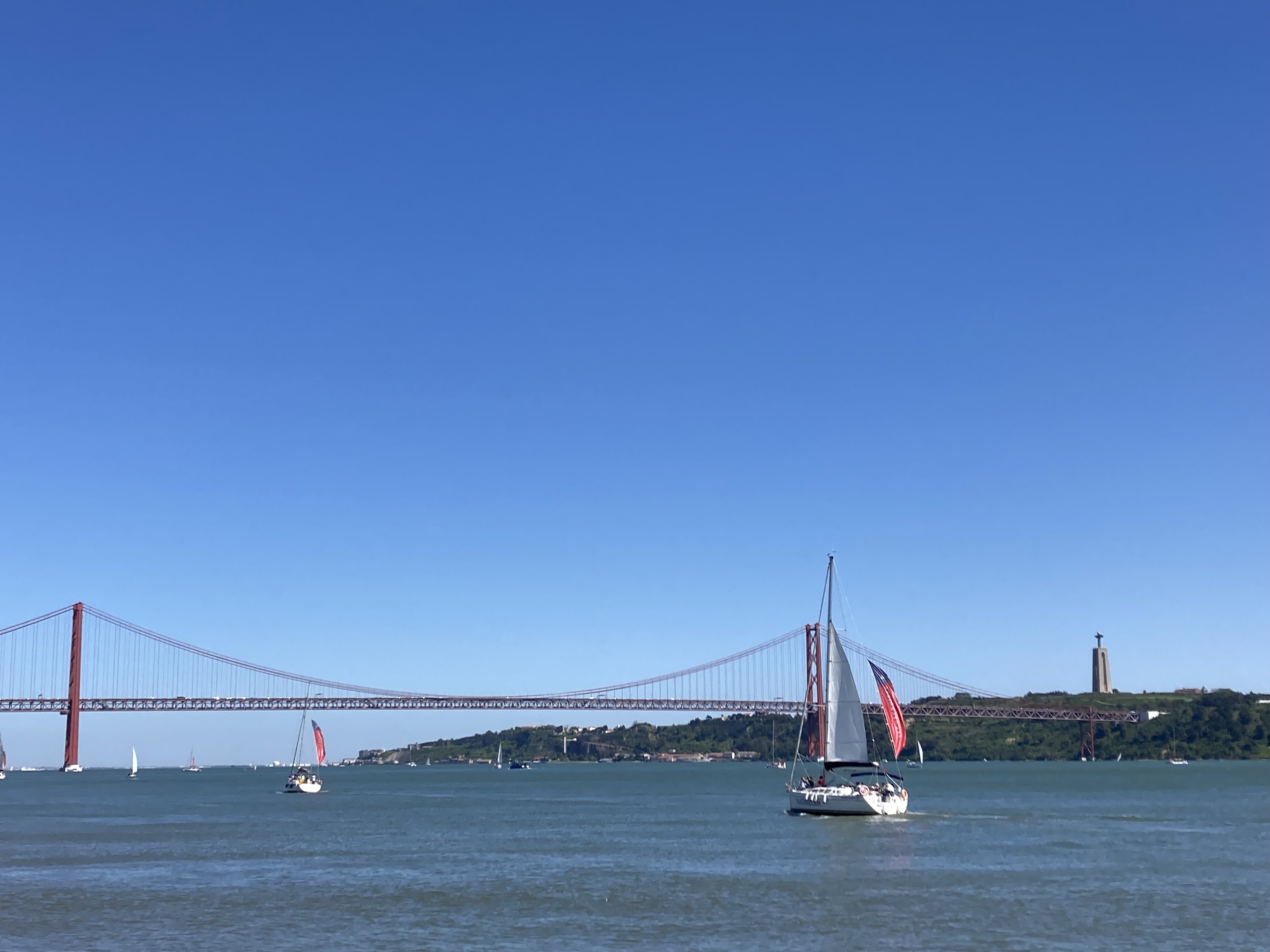
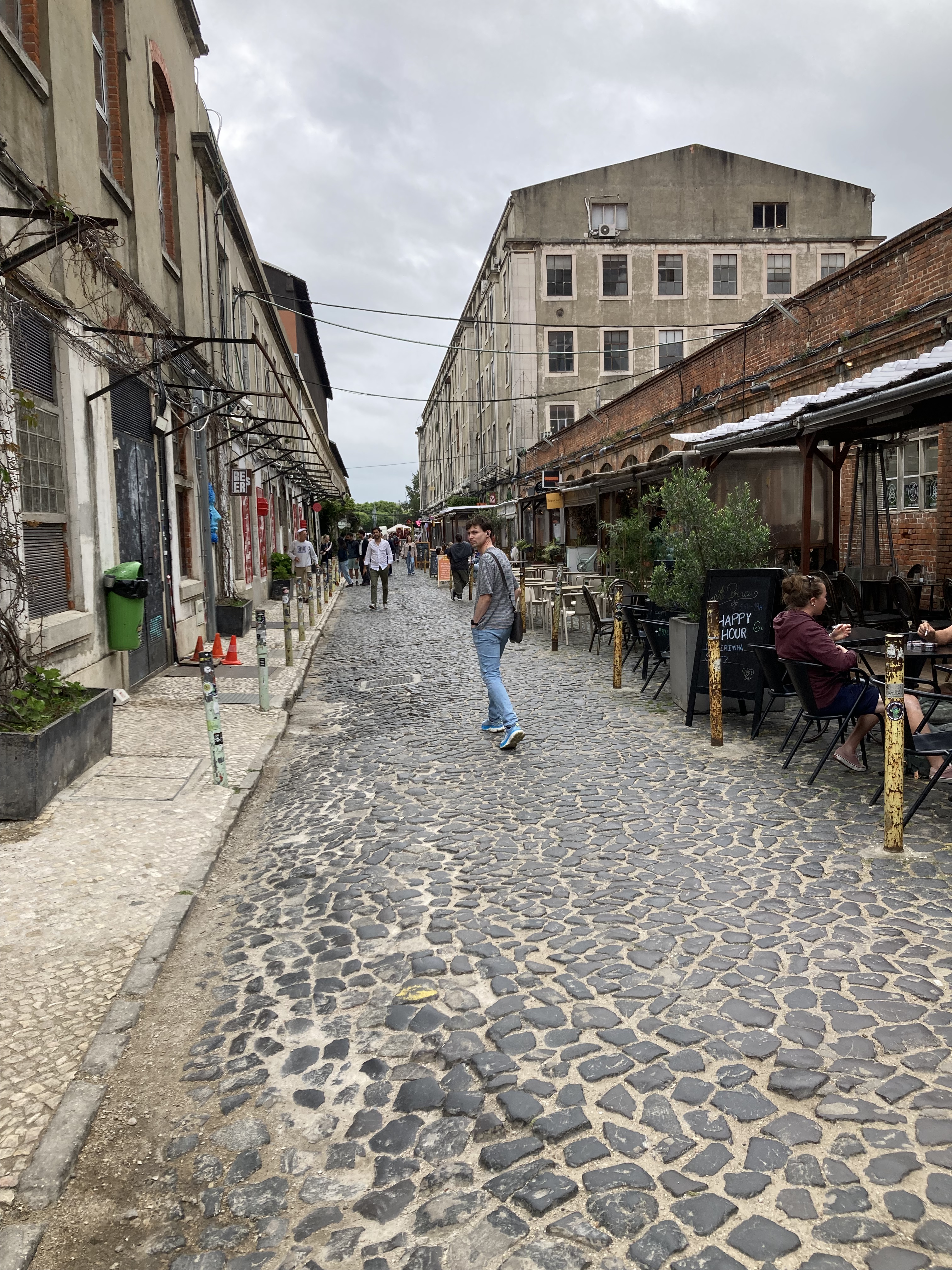
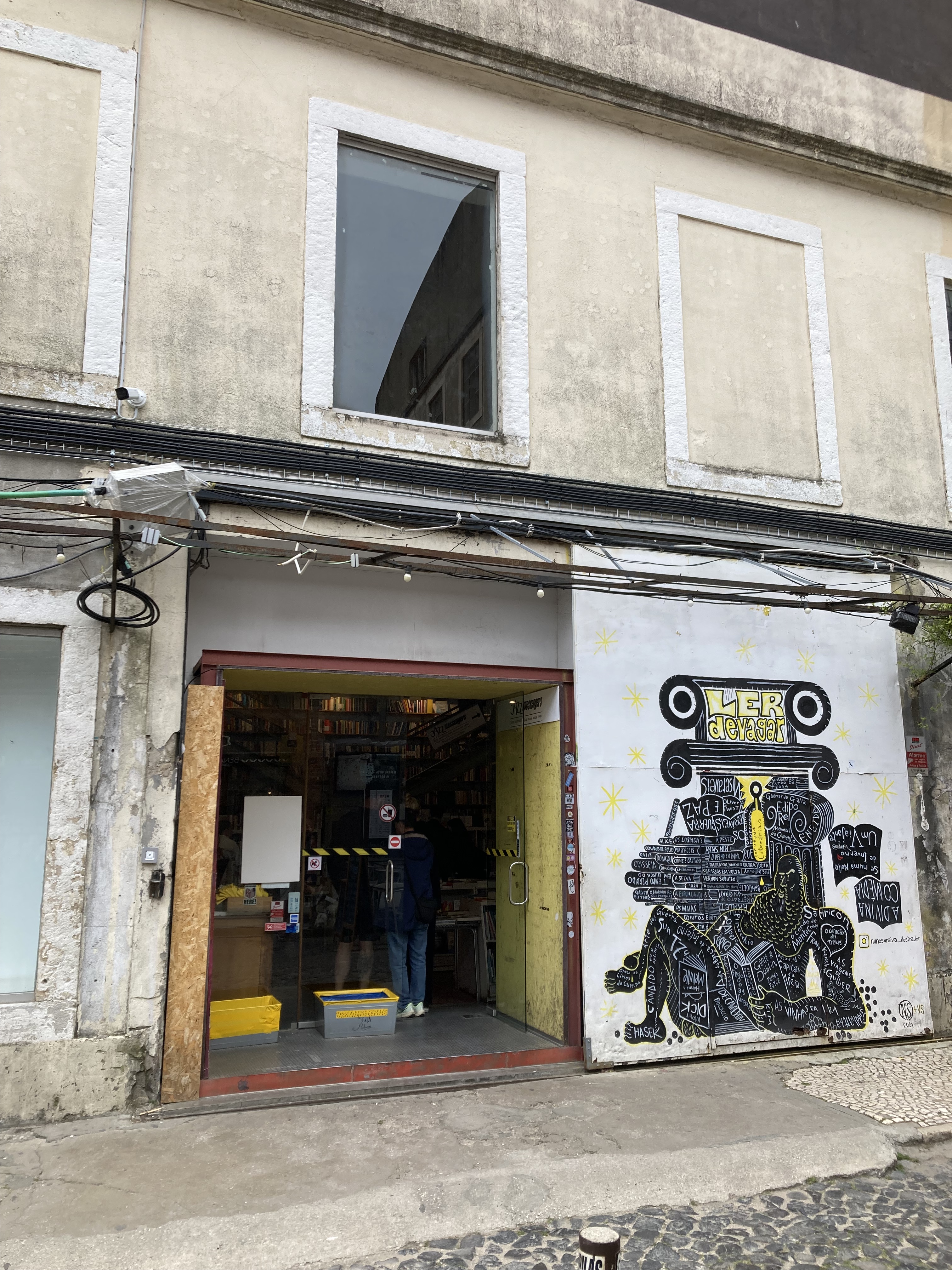
Duly arrived, ready for coffee – the LX Factory was once an old industrial textile complex, but now claims to be home to Lisbon’s trendiest restaurants, bars, and shops, located beneath the Ponte de 25 Abril Bridge. The bookshop is marvelously quirky, offering stacks of books, records and some artisanal items. We spent about two hours in the complex, just drifting, but T had two highlights: the jazz vinyls playing upstairs in the bookshop and a lady in one of the stores, discussing yesterday’s power outage – ‘the government is not telling us the true story’ – claims that the heat caused the problem just don’t stack up, as higher temperatures, in the 40s, are common, and it was nowhere near that.
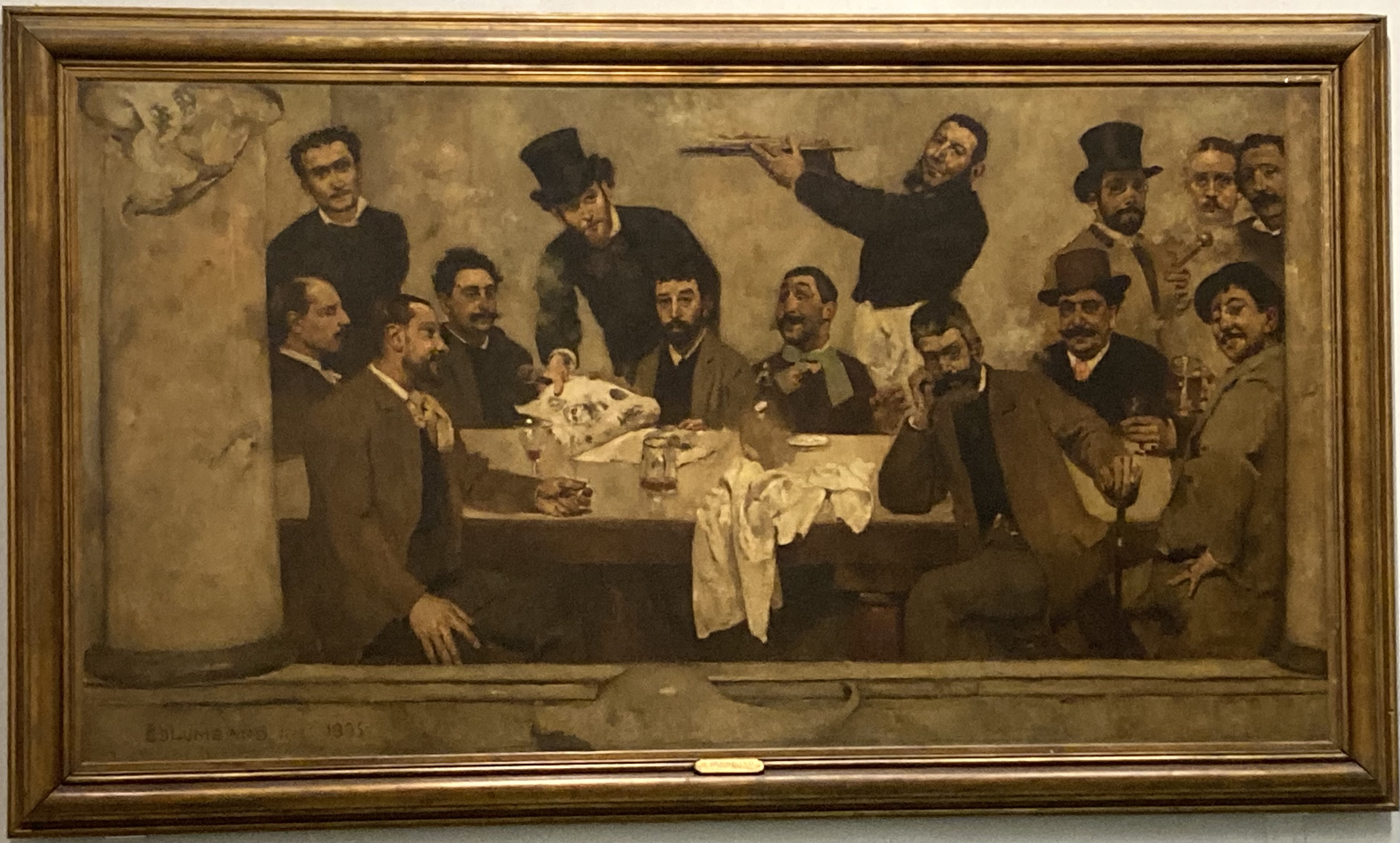
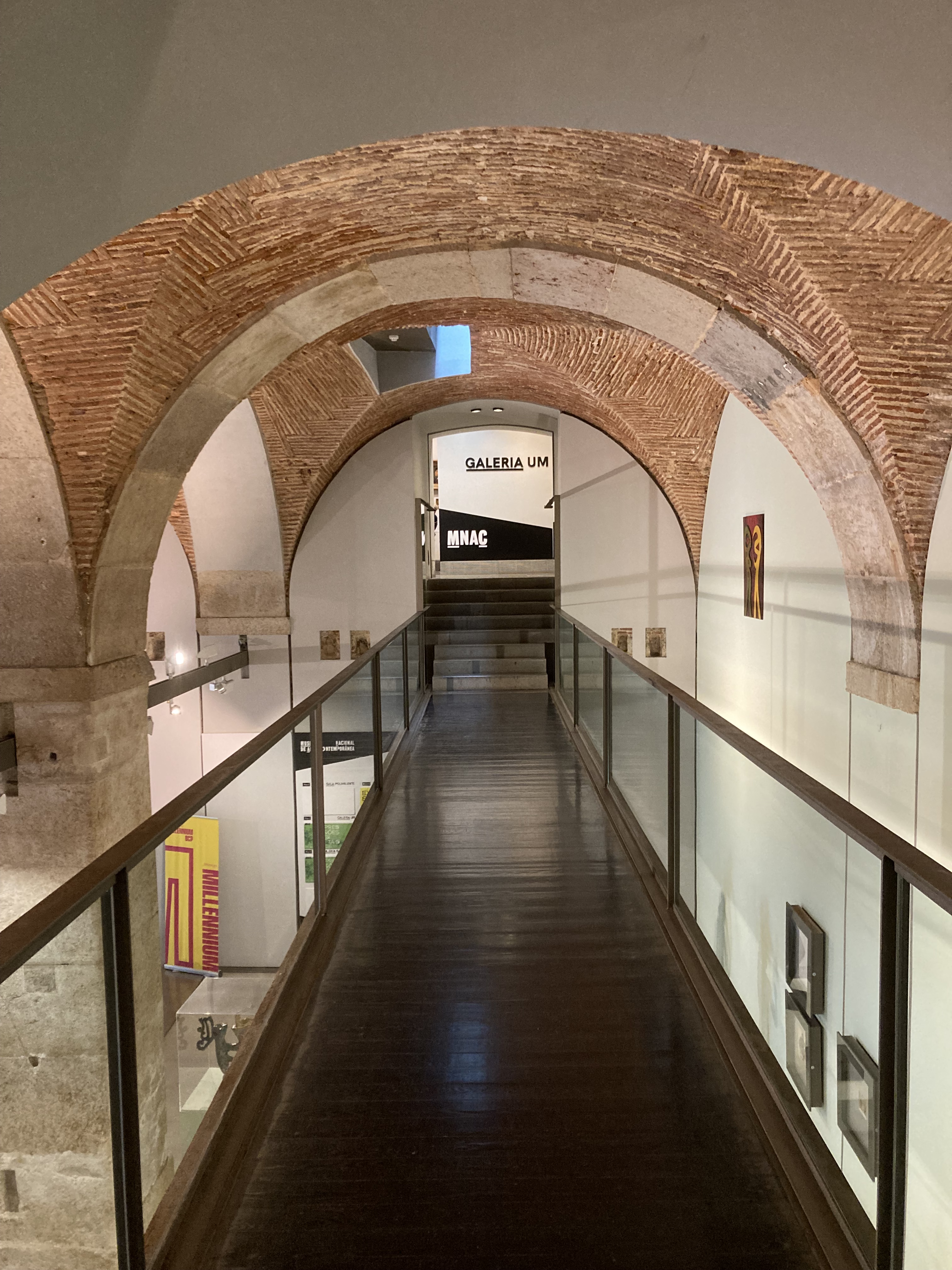
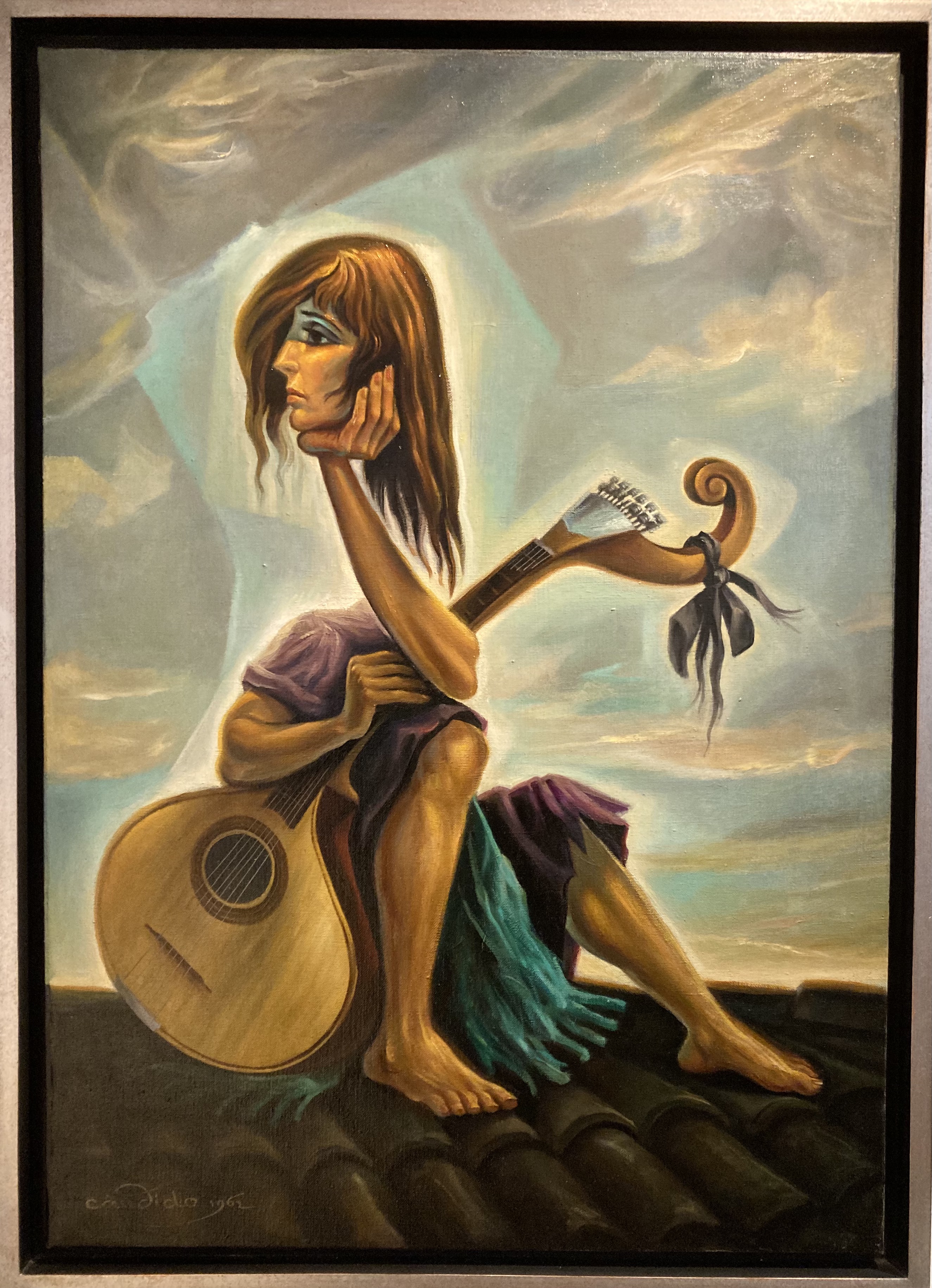
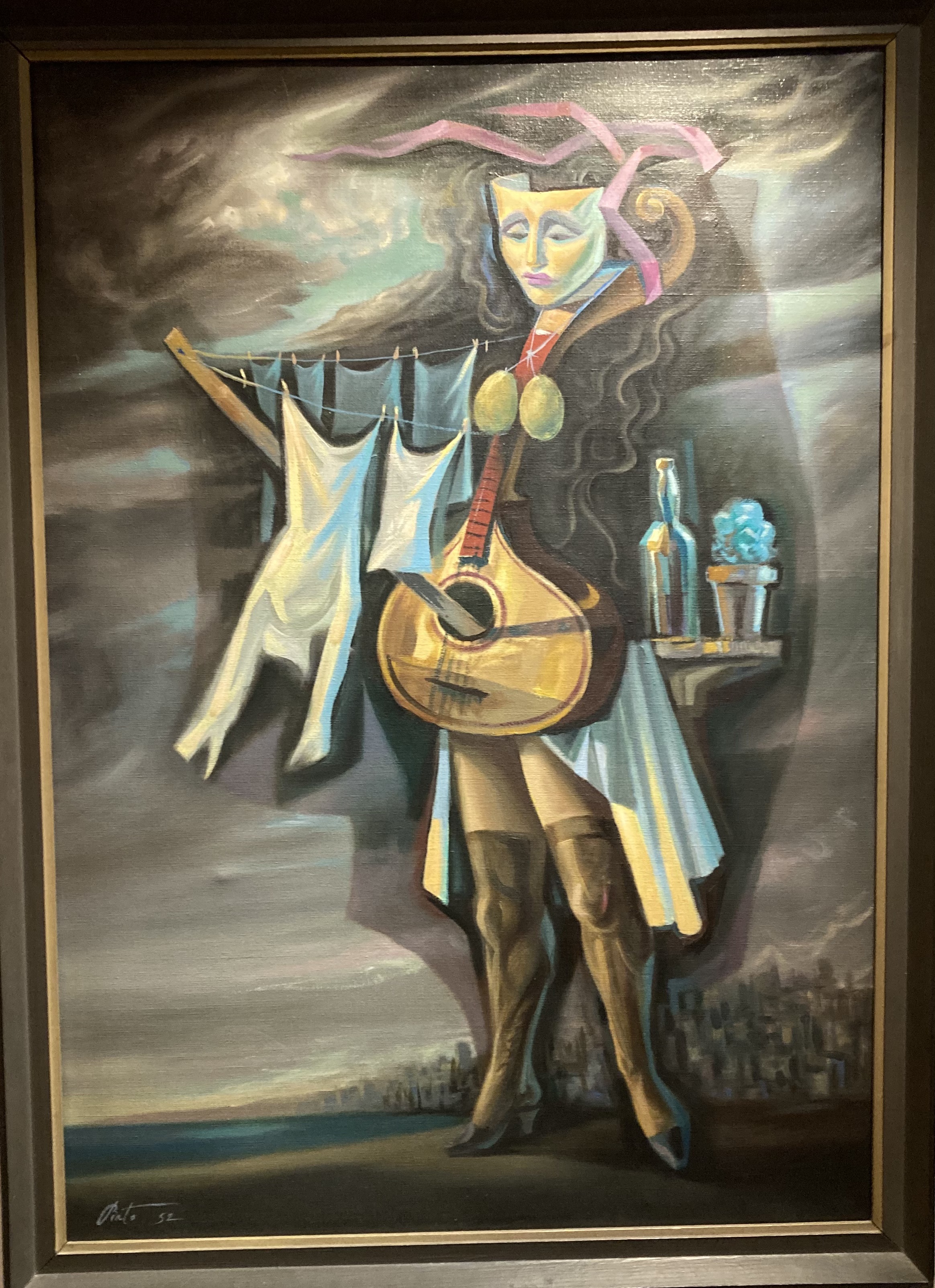
Back on the bus, heading for the Museu Nacional de Arte Contemporânea – Museu do Chiado featuring Portuguese romantic, naturalist, modern and contemporary art, in the form of selected pieces from the leading art movements from the second half of the 19th century to the present day. A bit too much focus on old stuff for our liking (meant we missed the opportunity to go to current artists at Underdogs, another gallery) but it was beautifully quiet. Yes,T lost her man again but staff took pity, scanned security screens throughout building, made a phone call and identified that he was waiting at the entrance door, having lost his wife who was at the exit door around the corner. D was not agitated.
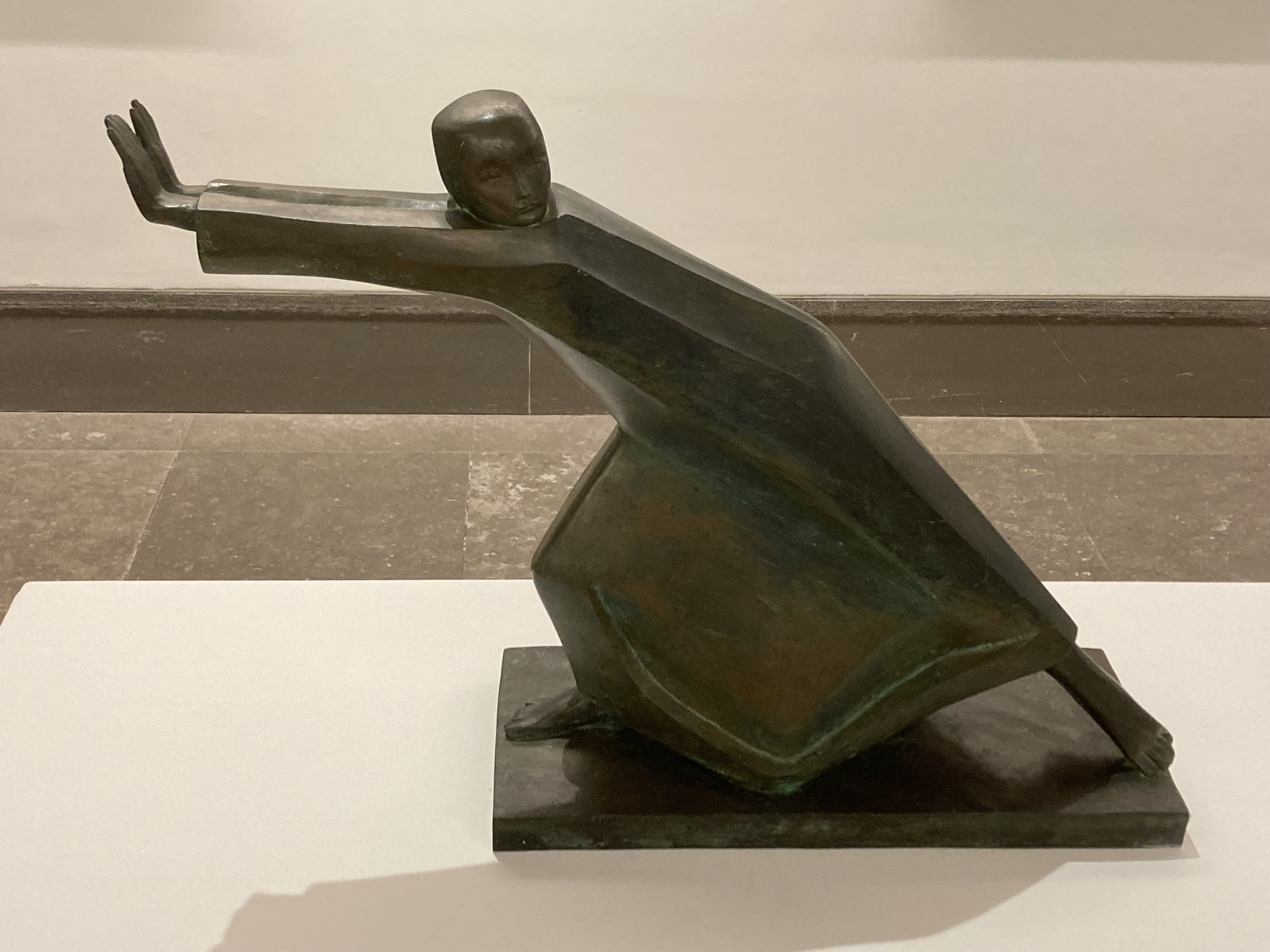
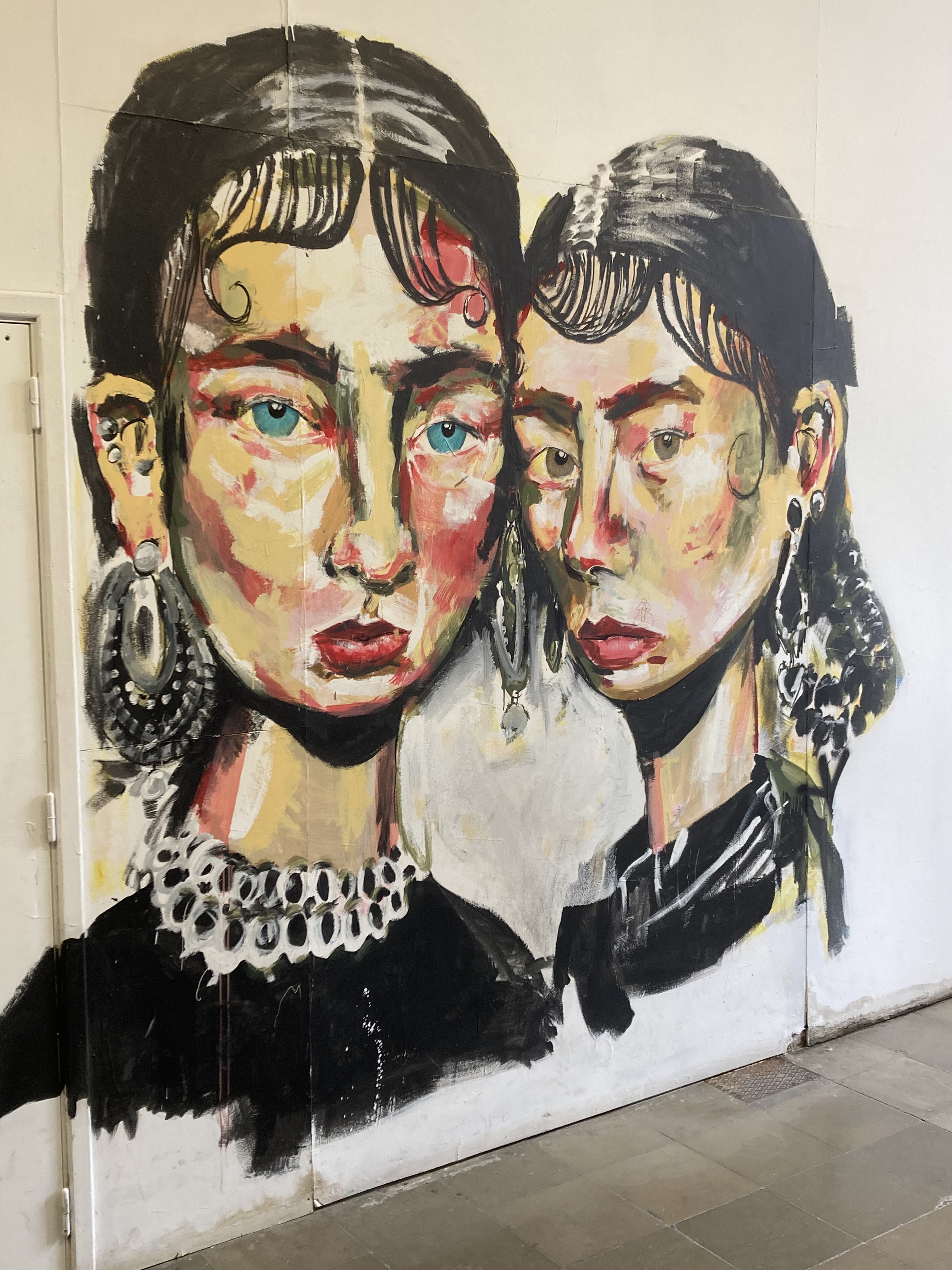
Just asking…..who does this remind you of?

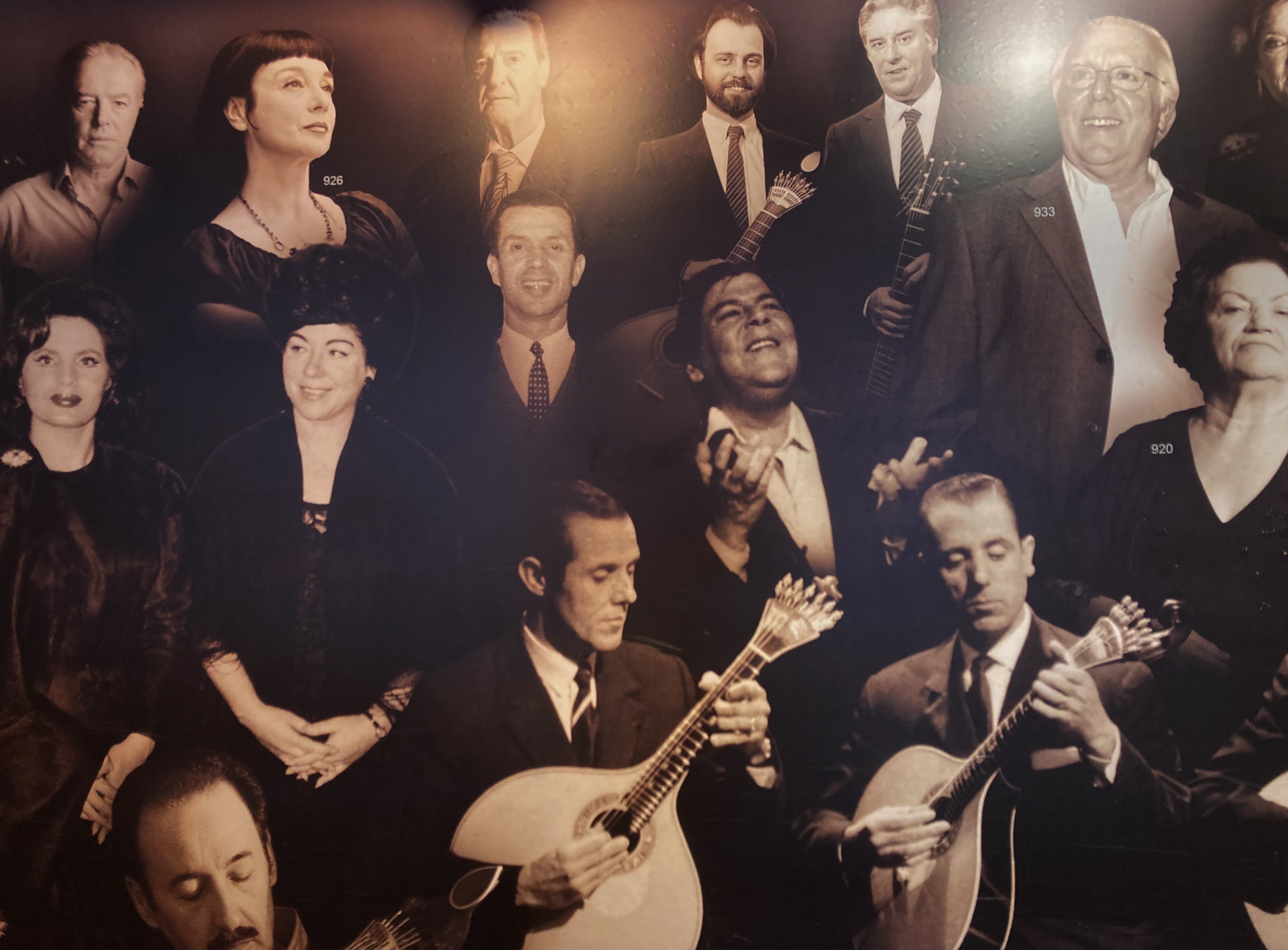
Back on the bus, heading for home and a well earned beer (that had to wait) because T noticed a sign pointing to the Fado Museum, (we’d lost the chance to do real fado in a late night cave), so we got off the bus at the next stop and made our way there. Good decision, as it was a terrific exhibition and well worth the last 90 minutes of the opening. Fado, as D was to learn, is rooted in the cultural identity of Lisbon and Portugal, from the 19th Century. The word “fado” translates to “fate” or “destiny” in English, and the poetry of the words and the music often reflects on the harsh realities of life, longing, and the human condition. T draws similarities with Irish ballads/culture/melancholy – very much part of her heritage.
So that was the end of our last full day in Lisbon.

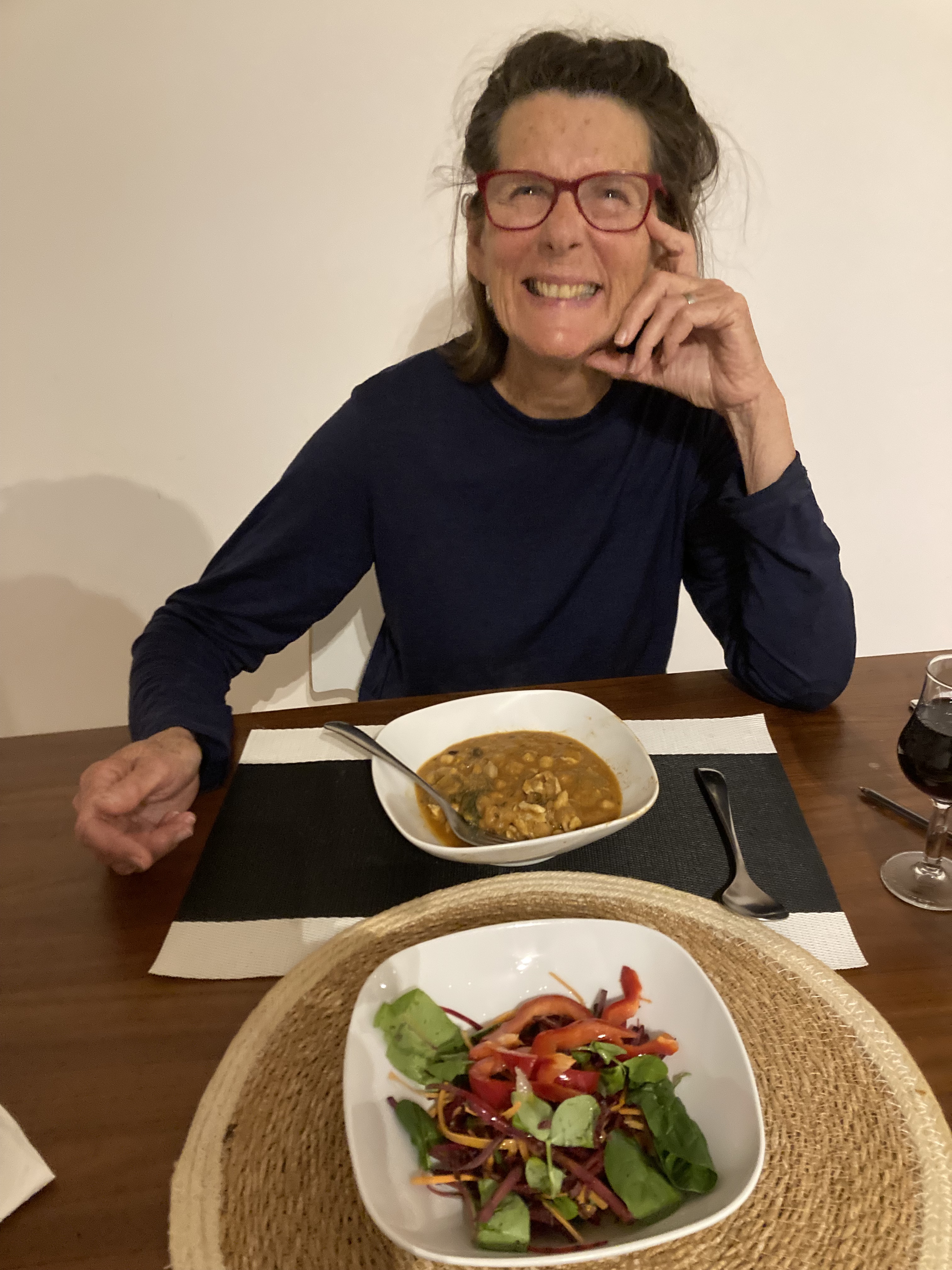
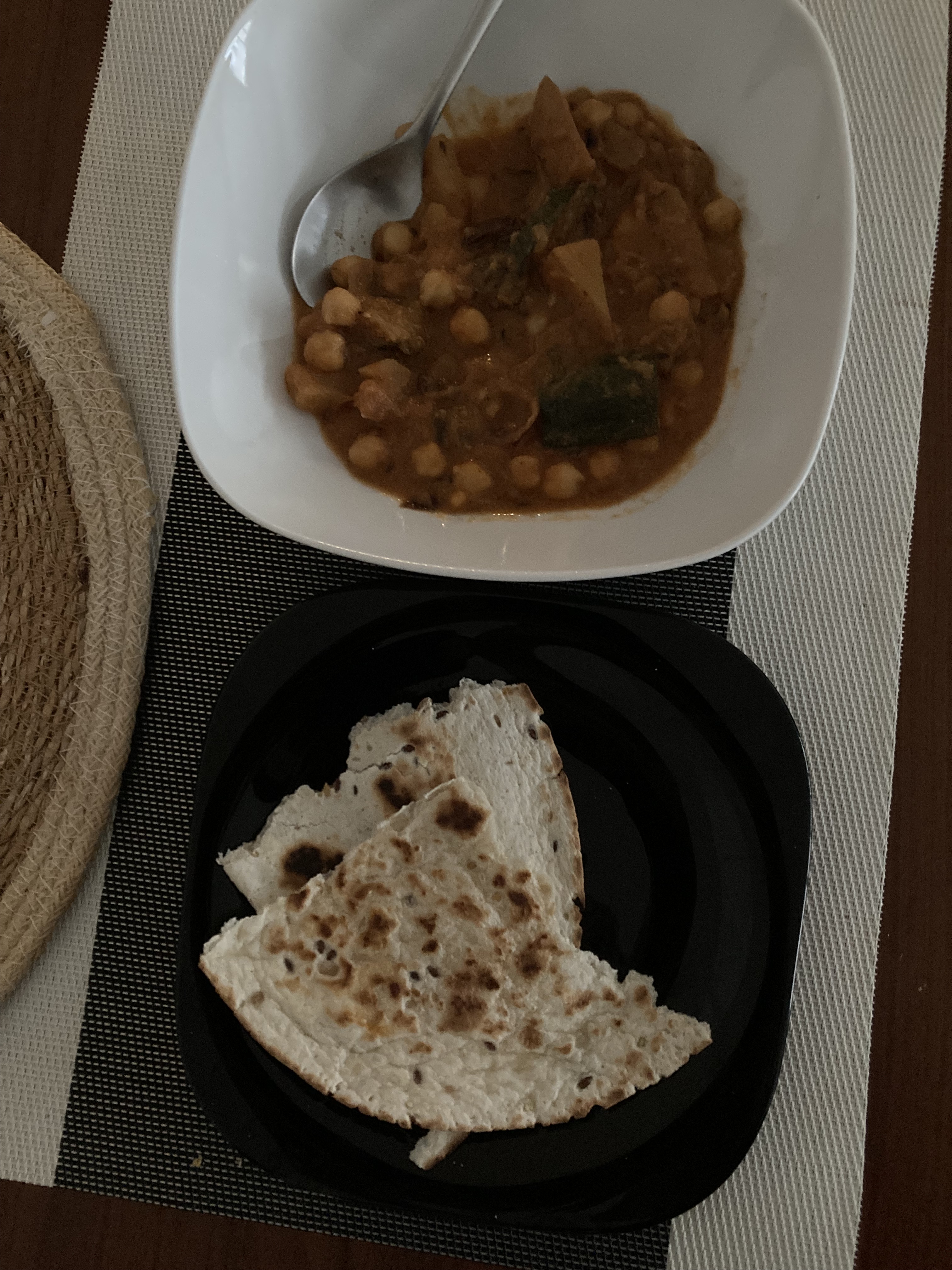
Dinner. Potato Omelette Surprise – the surprise being that the six eggs D bought yesterday in his surge of power outage – panic- buying turned out to be hard boiled! Fortunately there were two fresh eggs still in the carton from a previous buy.

Lisbon #4

Day 51. Monday 28 April.

D knows that many scoff his extraordinary planning focus: generators, first aid kits, torches, red wine…(but T’s toothbrush needs new batteries and…!!!) 

At about 1100, just before heading out into another brilliant sunshine day, the power went off…all power, and internet and phone. Not to worry, we’ll just wander in the parkland nearby, get a coffee…use phone torch to get down 4 flights of stairs.

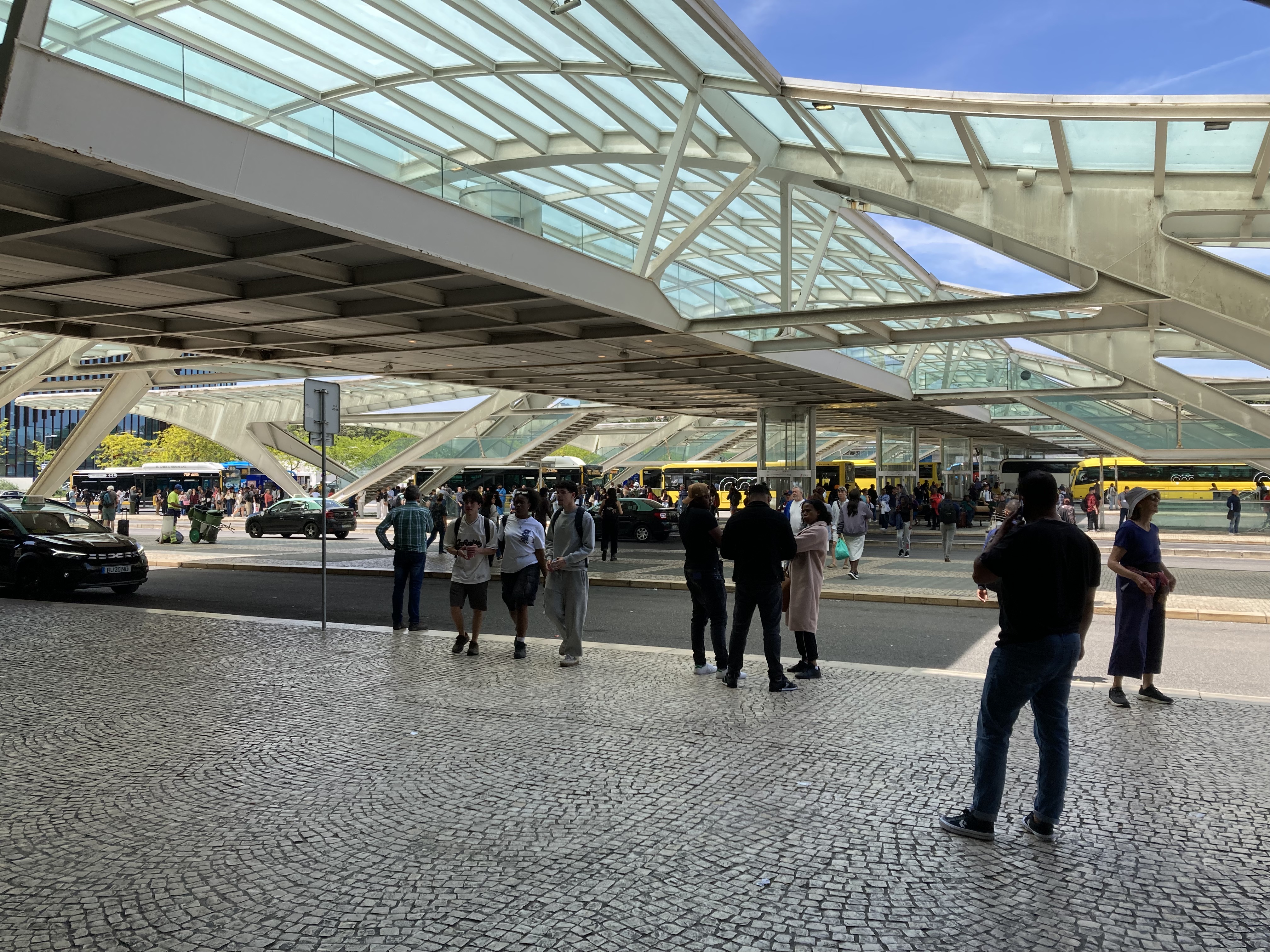
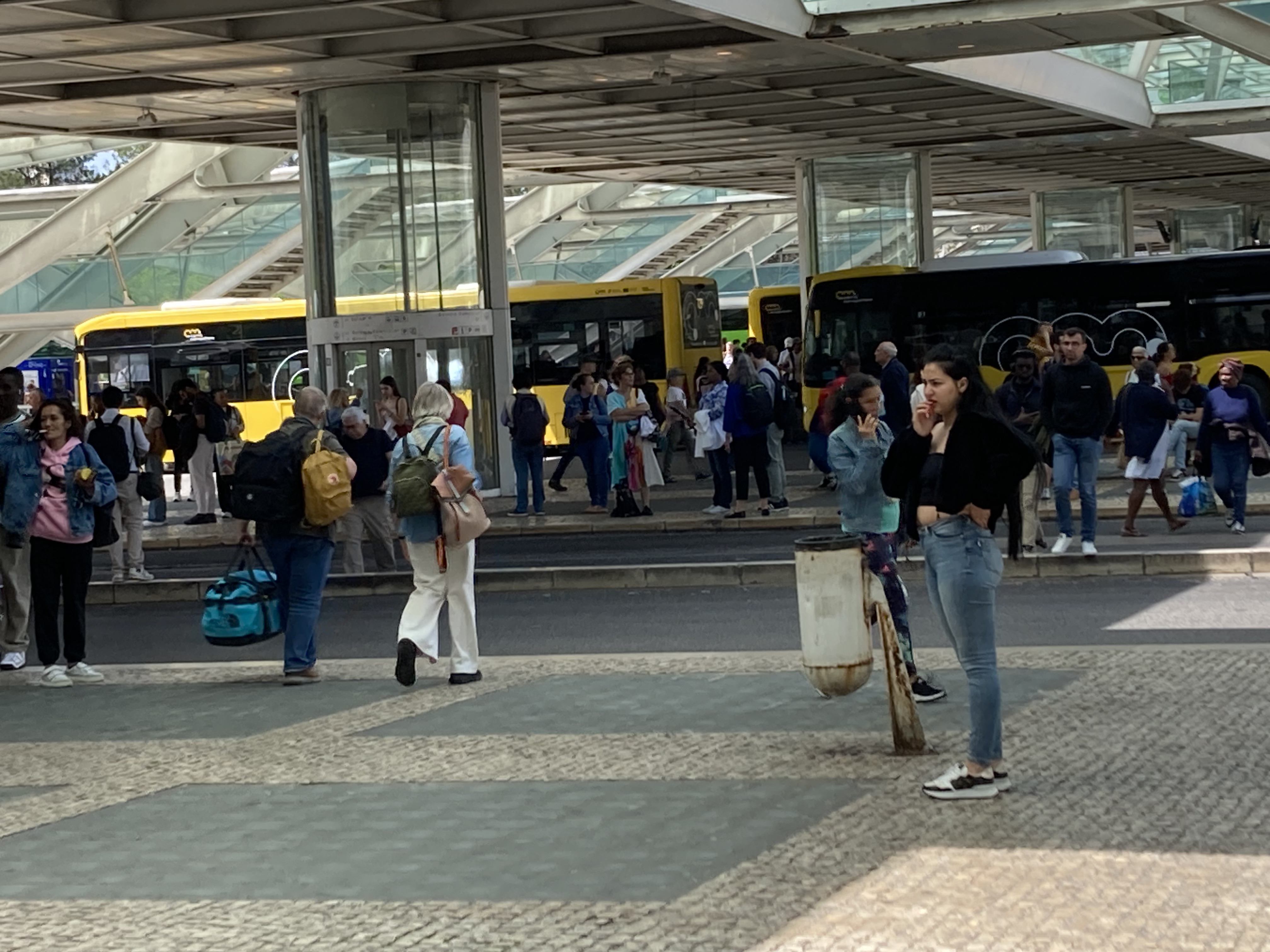
But….no cafes operating, traffic lights out, retail out…down at Oriente (biggest transport hub in Lisbon) thousands were milling, dragging suitcases down stairs, retail workers were enjoying sunshine and a smoko….a bit later retailers were guarding shop entrances.

There was no internet, no power and later we heard the goss that a ‘hack’ had struck Portugal and Spain (and later France was added). Oh well, we can go back to apartment and use gas for a coffee. Saw that there was some movement at nearby supermarket Cor, so perhaps we could get those batteries. It was Covid re-visited! Crowds were doing toilet paper, trolleys were overflowing, long queues at ATM and in store,  somehow checkouts were still operating and staff were managing. Just in case…we picked up bread, one potato, one onion, tomato juice (and a red) and in the frenzied atmosphere forgot the batteries.

Arrived at main entrance to apartment block…electronic key code not working of course and neither would the actual key provided. D was not impressed…Fortunately another resident arrived with a working key, so we were in. 

The afternoon passed and most frustrating issue was ‘not knowing what was happening’. T was temporarily pleased: we couldn’t go out because we had no sure way of getting back in, D was restless (wondering what the world was doing), we had no confirmed accommodation after Wednesday, was there enough fuel in the car to leave Lisbon? Could we get out of the car park? Service stations closed…no GPS…blah, blah, blah. Electricity dependence! But the bar across from our apartment was able to serve beers all afternoon, D observed from our 4th floor window. At 1830 D went out to learn what he could and T would be at front door to let him back in at 1900 for a team-change. 

A round of Scrabble started (before a proposed candlelight dinner – tea lights) and was abandoned when daylight faded. Candle lit, gas burner lit and then a cheer went up from below…lights came on next door building…then ours, another cheer. Still no internet or phone (10 hours outage)…Guess we’ll learn what it was all about in due course. Back to normal.

Dinner. Fish curry.
Lisbon #3

Day 50. Sunday 27 April.

Not quite sure how to tackle Lisbon after the shock of crowds yesterday, so we decided to use the Big Red Bus option to get an overview. It has worked for us before, pretty much everywhere.

So, onto the Metro, now as experienced users – able to top up our Navigante Occasional cards seamlessly (without the assistance of a lovely young lady unfortunately) and get to Cais do Sodre, where we could buy our tickets and get on one of the three routes.

Joined the queue, jostled on board an almost full bus and tried to get the ear phones to work. Moved seats…moved seats….eventually found a single outlet and shared the earplugs – one earpiece each. By this time we were a third of the way through the red line, having spent most of it with bum up trying to get some audio. Fortunately, we’d walked this way yesterday so probably didn’t miss too much.

We stayed on until the line ended at the starting point for all three lines: red, blue and green. Then took the green, which essentially covered the old area of the city, in a much smaller and more comfortable bus. It wended its way through narrow streets with tight turns, with great driver skill. And there were people everywhere. We had read that we must experience the Route 28 tram – we passed many of them on this route, people jammed in, and with long queues. Will give that a miss.

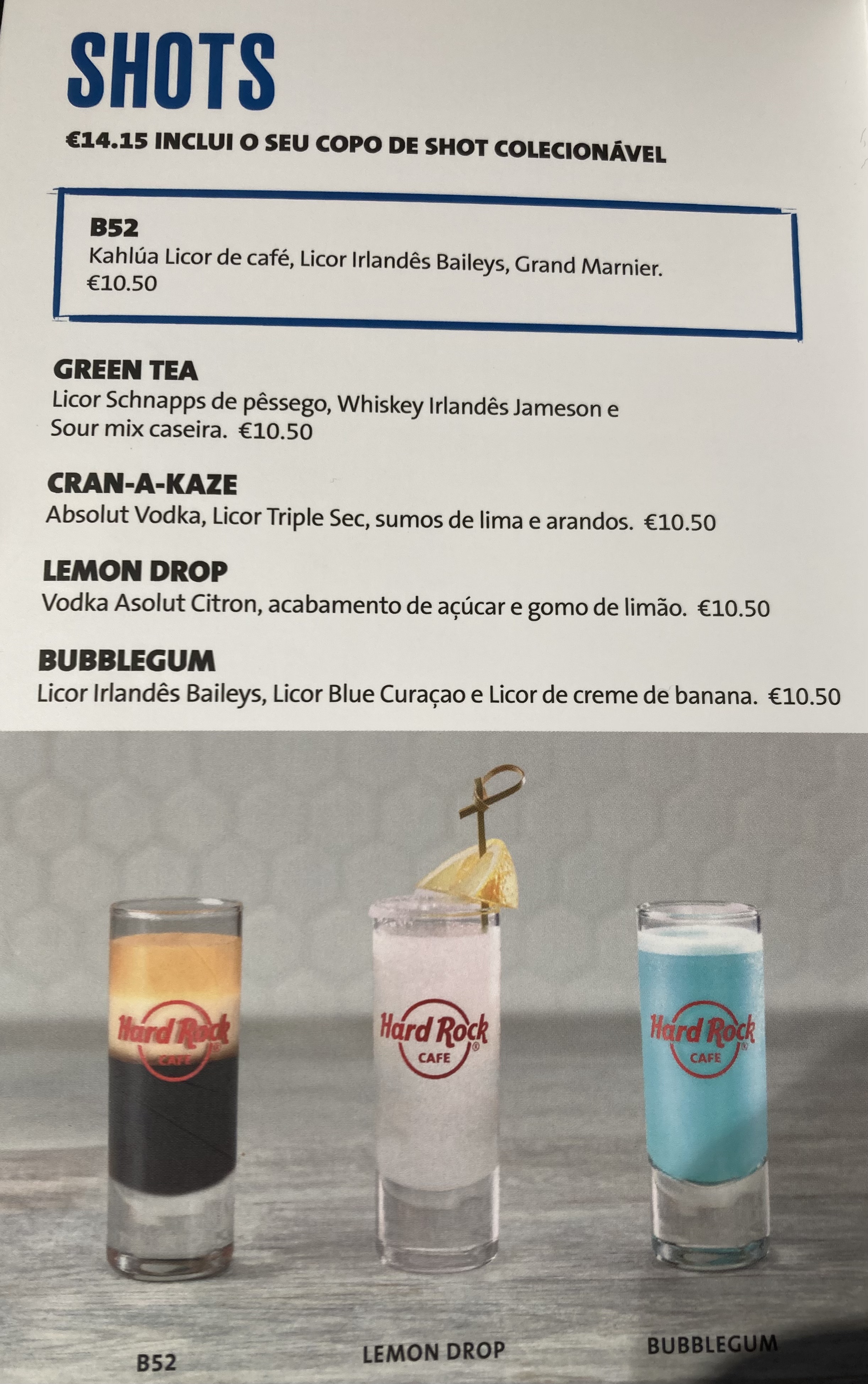
By now it was time for lunch, so we hopped (actually limped gingerly) off short of the finish, and into Hard Rock Lisboa. Bathroom stops sometimes have priority but when there was still no service, gave the (probably) best drink in the house a miss. Might try serving that when we get home.

Just up the street in some shade we found a delightful little cafe for some beers and ate our pre-prepared wraps from home.

Walked slowly up to catch the blue line through a long section of markets, offering lots of souvenirs and crafts.

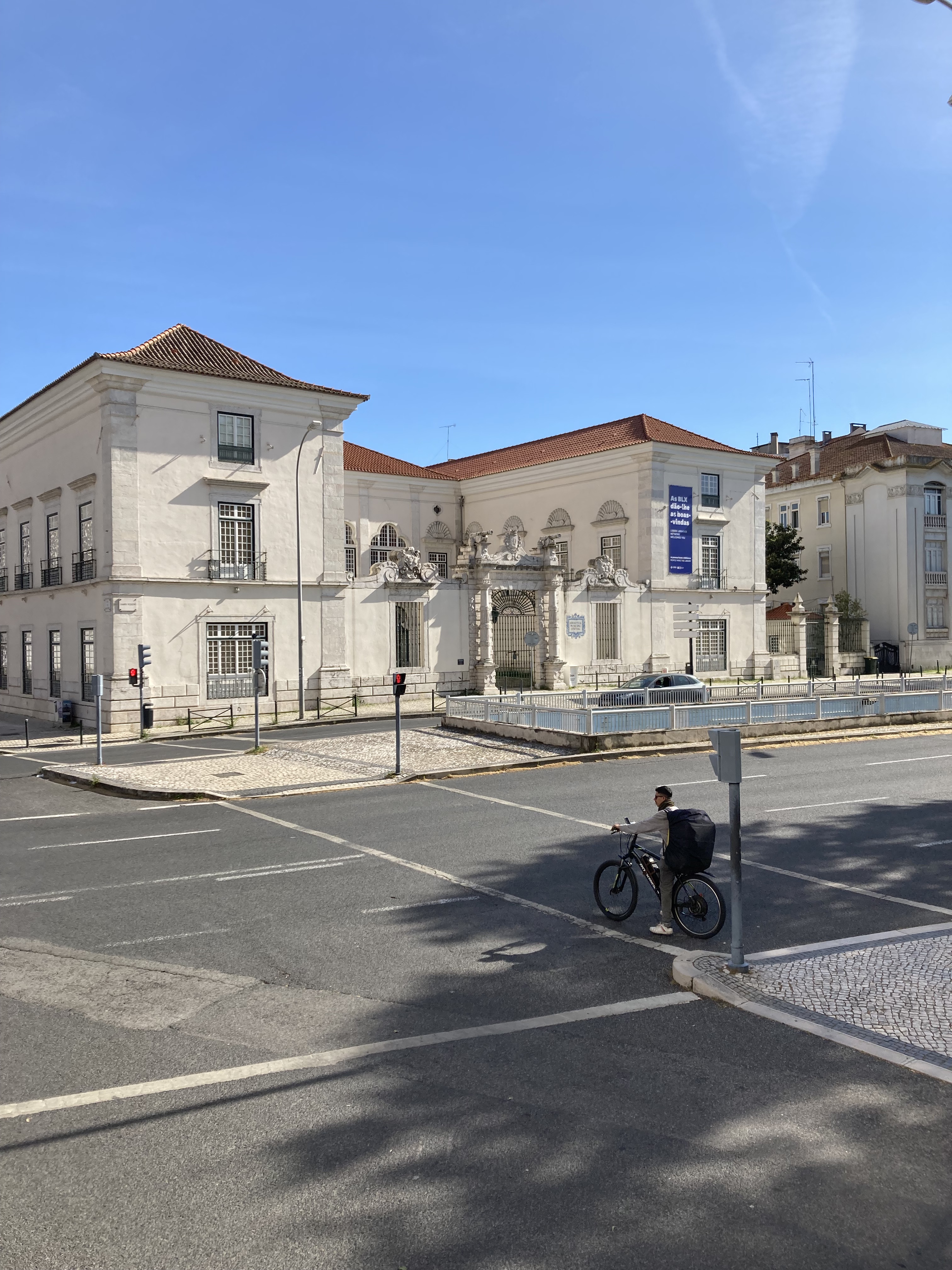
There wasn’t much opportunity for photos while we were on the buses, but one in particular took D’s fancy. Although he wondered at the connection, he knows a couple of (former) librarians who could and would use those cannon.

You’ll need to look closely either side above the entrance…..

The blue line took us very near to our home base, so we got off before the end for a short walk to the apartment, via a supermarket to get essential ingredient for tonight’s dinner: red curry paste!

Dinner. Vegetable curry.

Lisbon #2

Day 49. Saturday 26 April.

So much to see and do! And being back in a big city is quite a change from our recent bucolic lifestyle.

First task was to sort out public transport. Much Googling seemed to indicate that a Navegante Occasional card was our best option – out of many, some with a range of inclusions. So off we went to our nearest Metro, Metro Moscavide. Found the right machine, punched in the information (two cards, cost 50 cents with 10 Euro credit each: total 21 euros), contactless payment,…..wait, wait…wait…

A young woman approached and asked if we needed assistance. As we spoke, the machine advised that the transaction was declined. Start again, this time using a credit card. D typed in his PIN – declined: wrong PIN. Start again, this time with the right PIN. Success. We were on our way on the red line (changing at Alameda) and then green line to the waterfront getting off at Cais do Sodre.

Walked along from the Metro stop, seeing fishermen adapting to the situation, as they do. And we saw at least two (smallish) fish being caught.

Next destination was Bellem, for a walk along the waterfront. Usually that would be by train, but trains weren’t running – possibly due to strike action. So the alternative was the 15E bus or tram. And of course everyone else wanting to travel in that direction wanted the same. A fair bit of pushing and shoving to get on board: D crossly demanded that pushing stop, and surprisingly it briefly did.

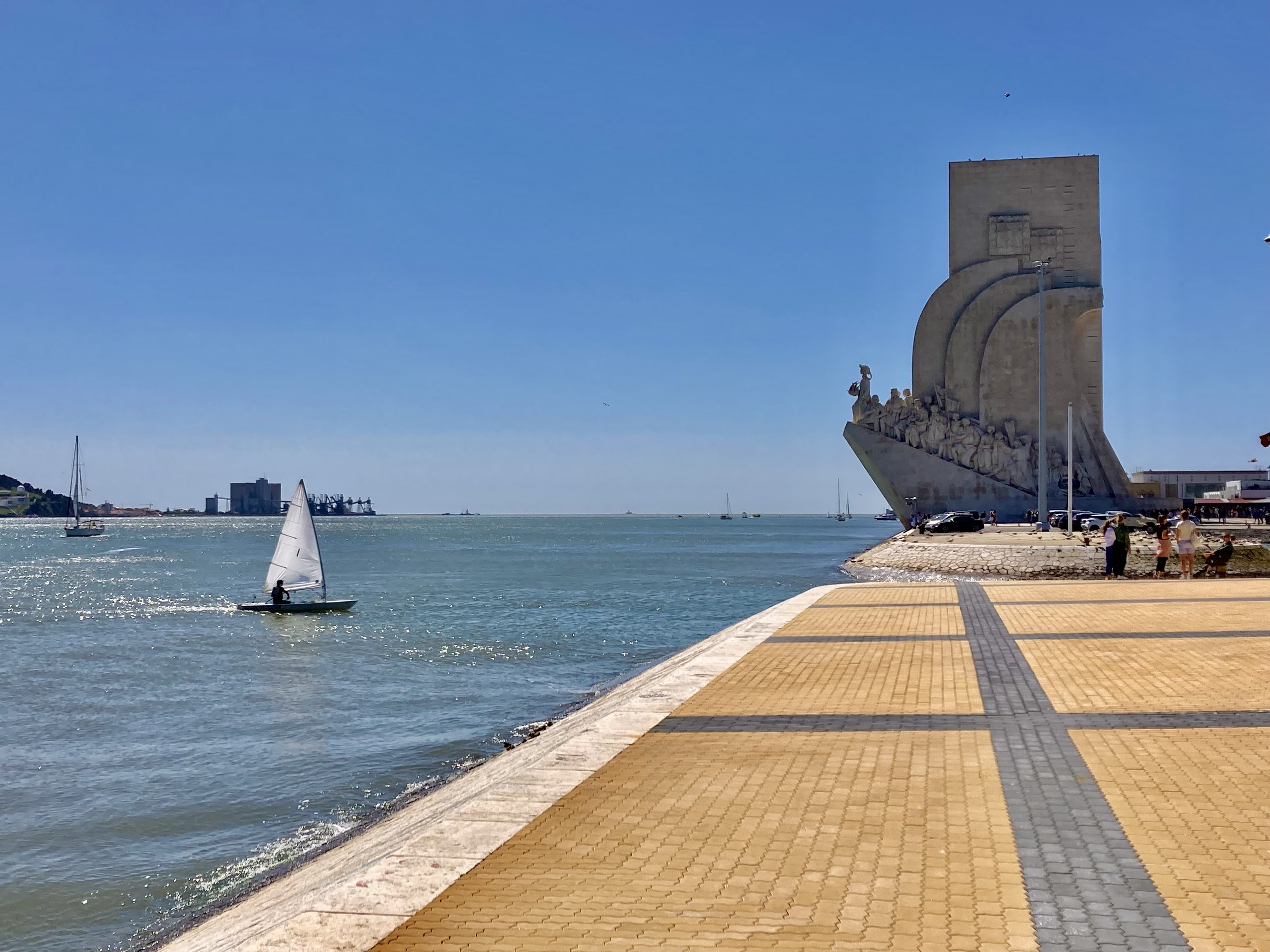
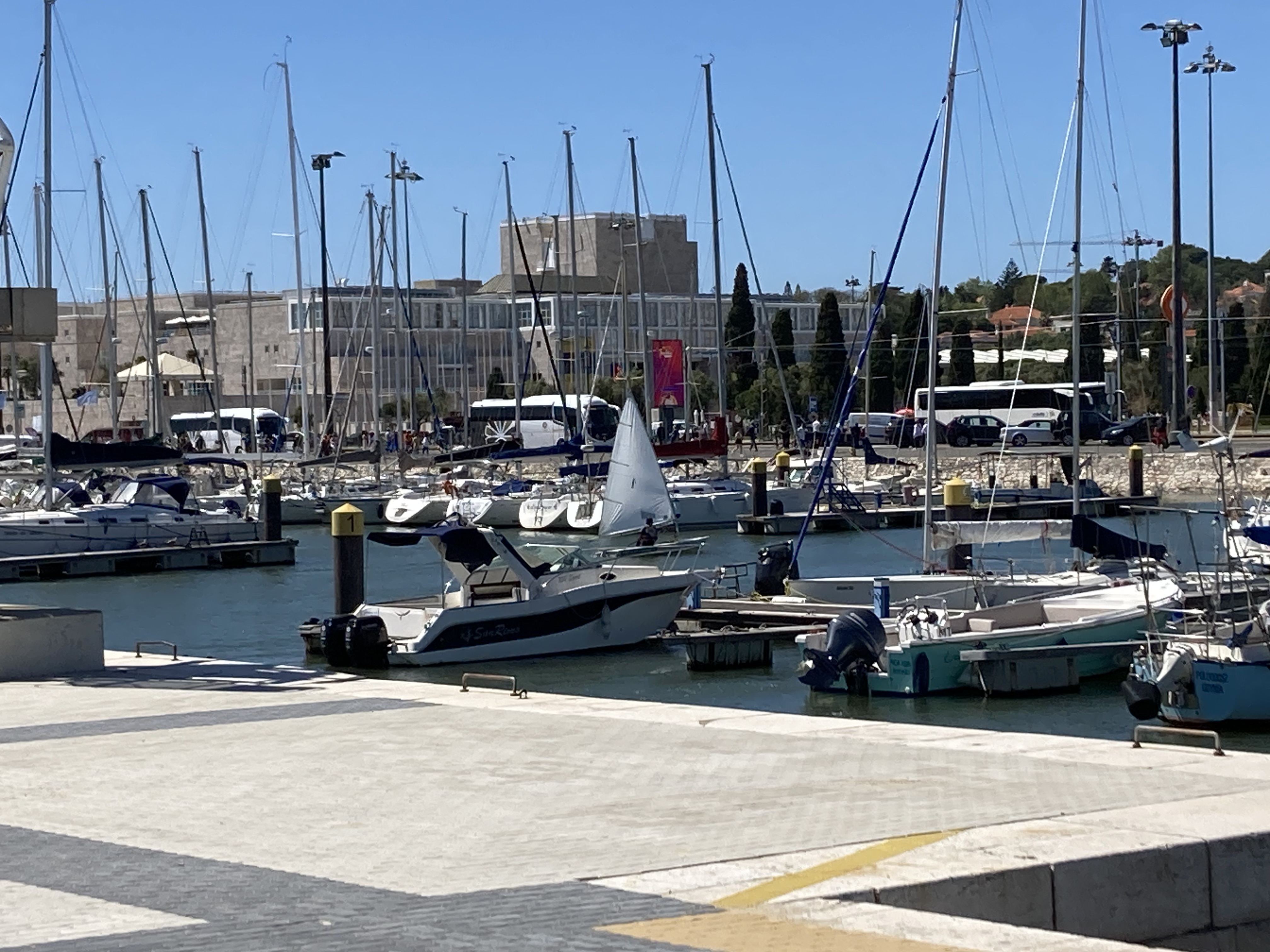
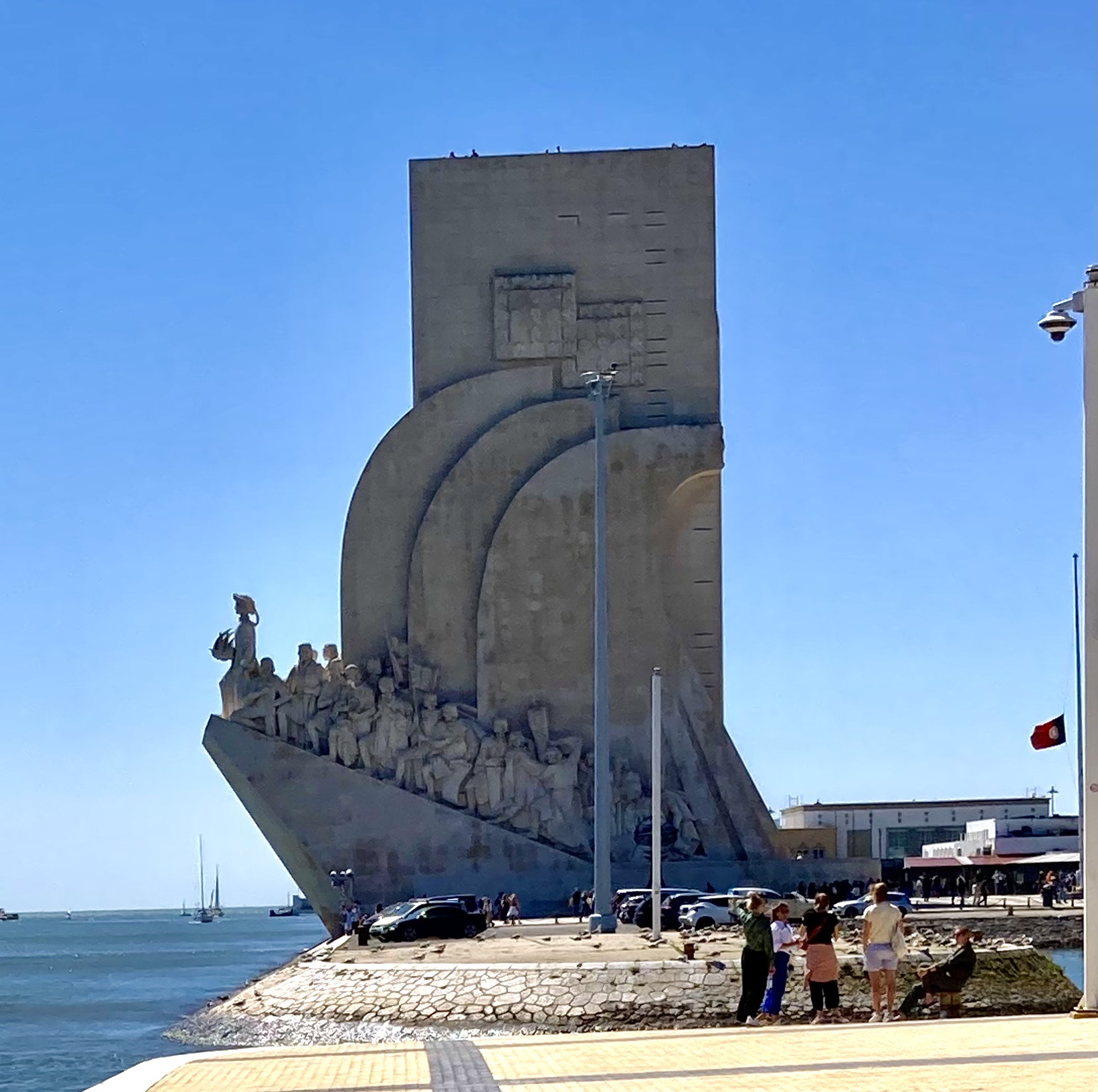
The waterfront walk passes several big cultural things: museum of art, architecture, and technology (MAAT), car museum (Museu Nacional dos Coches), monument to explorers (Padrão dos Descobrimentos), Electricity Museum (Museu da Electricidade – which looks a bit like Canberra’s Fitters and Turners). Sailboats/ cruises went by, folk were on bikes, scooters, feet and group pedal outfits. It was a lovely happy scene.

We searched for a coffee and snack, stopping in at a couple of swanky and very expensive (overpriced) restaurants.We’ve been caught previously at over-priced, over-glam eating spots so departed without too much embarrassment (there were plenty of glamorous patrons on a beautiful sunny Saturday).  D googled and we eventually came across a little gem, short staffed, with the front man worked off his feet, mopping his brow, running between tables, counter and the pig-chopping board but with a constant happy face and interaction with customers (some were obviously family/friends) and the local blokes who turned up for a beer or a wine and takeaways. We felt it intrusive to take a pic: he was fantastic, dealing jovially with everyone who came in.The specialty of the cafe was pork – it was in pretty much every dish on the menu, with the exception of a vegetarian soup and a fish cake, the latter made with Bacalhau, the traditional salted and dried codfish. We sampled all of the three available starters – croquette, fish cake and empada – and opted for a second empada each, with some beers. T thinks she won’t bother buying some codfish (hoping to turn it into something else) but noted that it was on menus at various cafes today. Watch this space.

It was just a hole in the wall, no outside tables, but was terrific.

Walked from there down to the waterfront again, but by this time were washed out so began the return journey. Not so busy, but still pushing and shoving to board, and no attempt to offer seats to those with any sort of mobility/age issues (not just us!), so different from our Madrid experience.

Dinner. Vegetarian spaghetti.

Lisbon #1

Day 48. Friday 25 April.

ANZAC Day in Australia was pretty much over by the time we arose, and Essendon humbled by Collingwood. We were expecting significant disruption due to the 25 Abril commemoration, but this did not eventuate.

We had the luxury of a later check out (which D had not divulged to T) so while he caught up with the news she bustled to get out. But the pay off was a lovely chat with one of our hosts, Carlos.

We took a detour on the route to Lisbon to revisit Arraiolos and the tapestry interpretative centre that was closed when we were there on Tuesday. It was closed again – today is a public holiday ‘to celebrate freedom, so it’s a free day’ a shopkeeper in a store that was open gleefully told T.

That’s as close as we got!

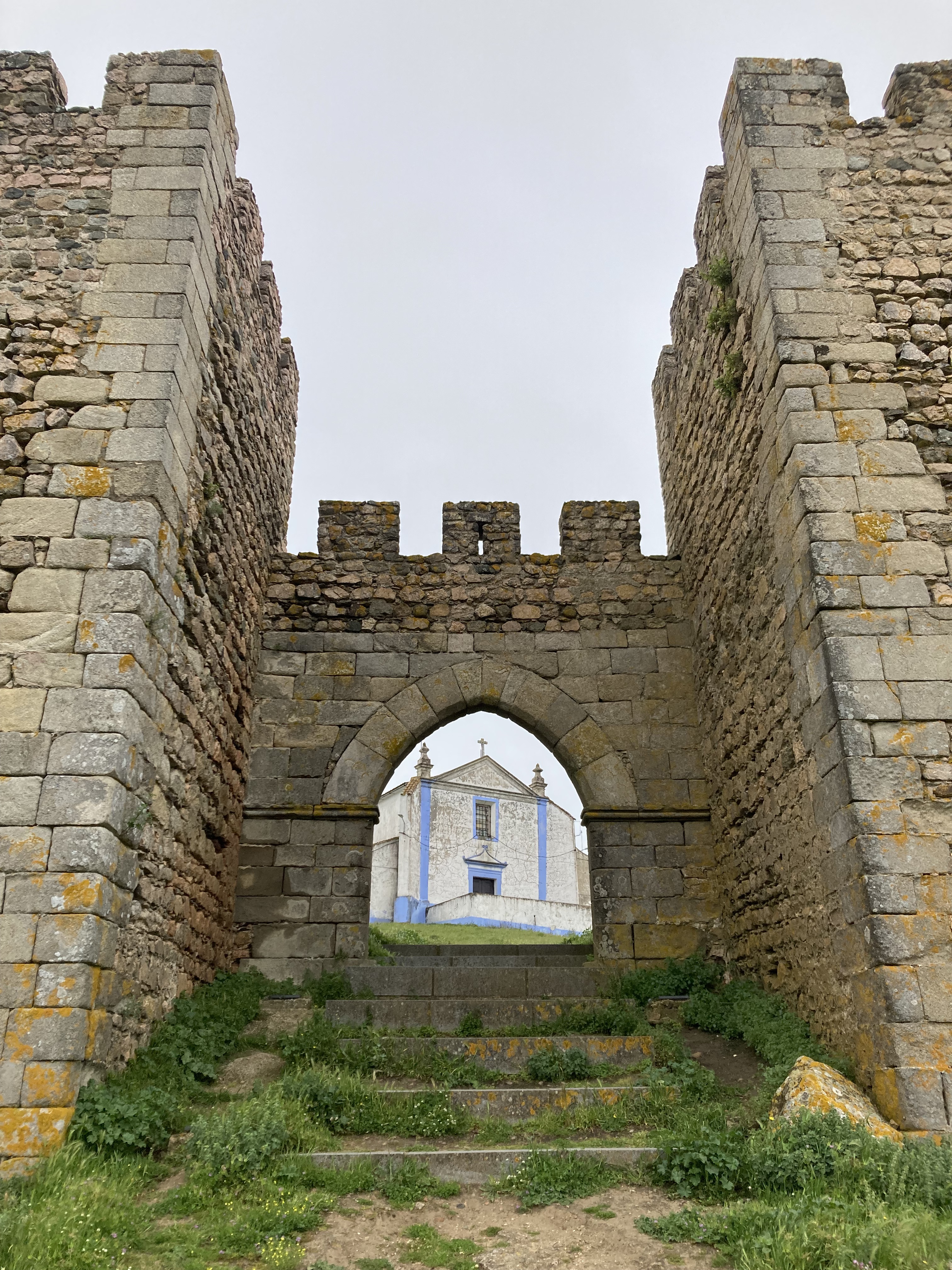
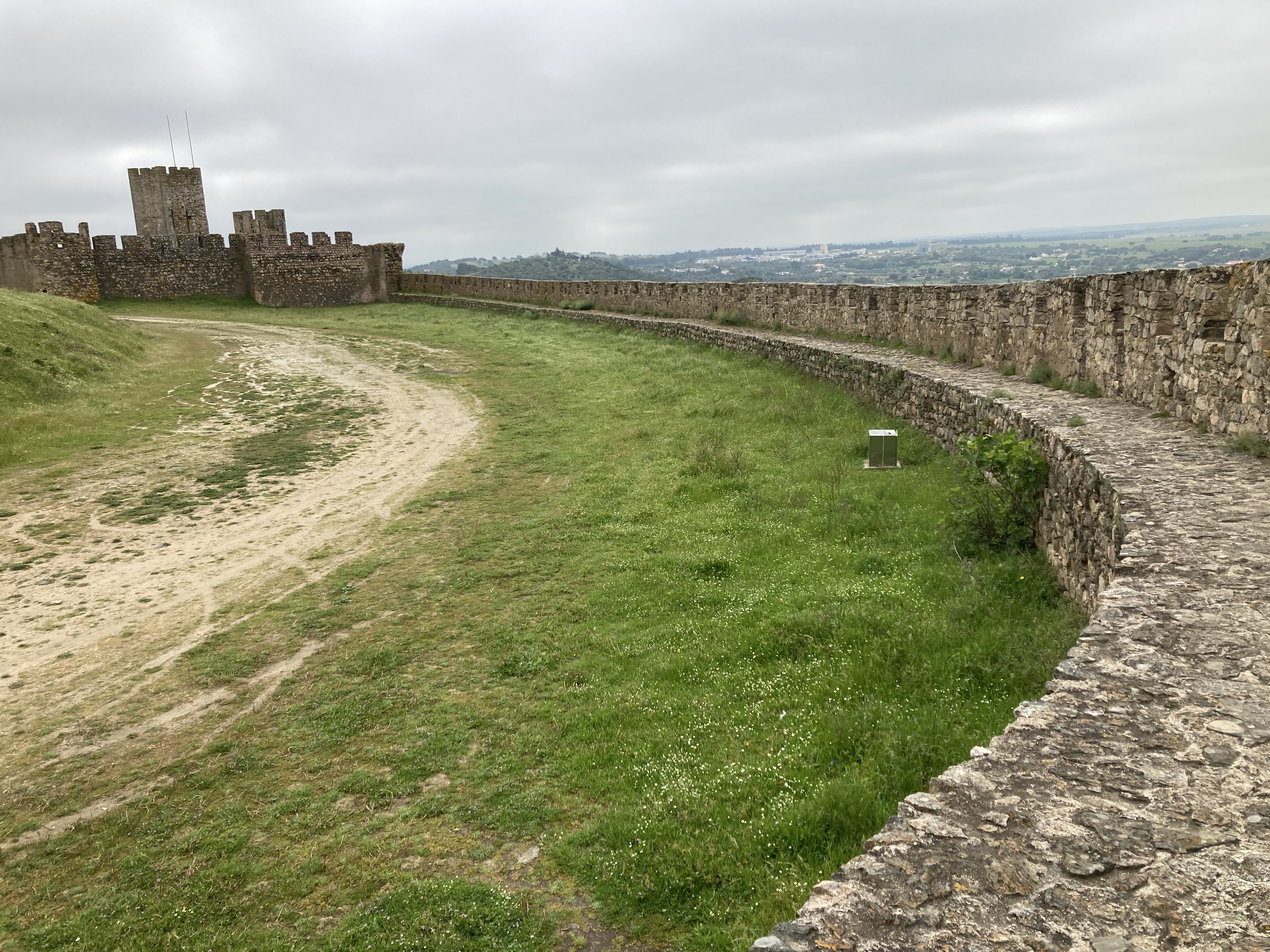
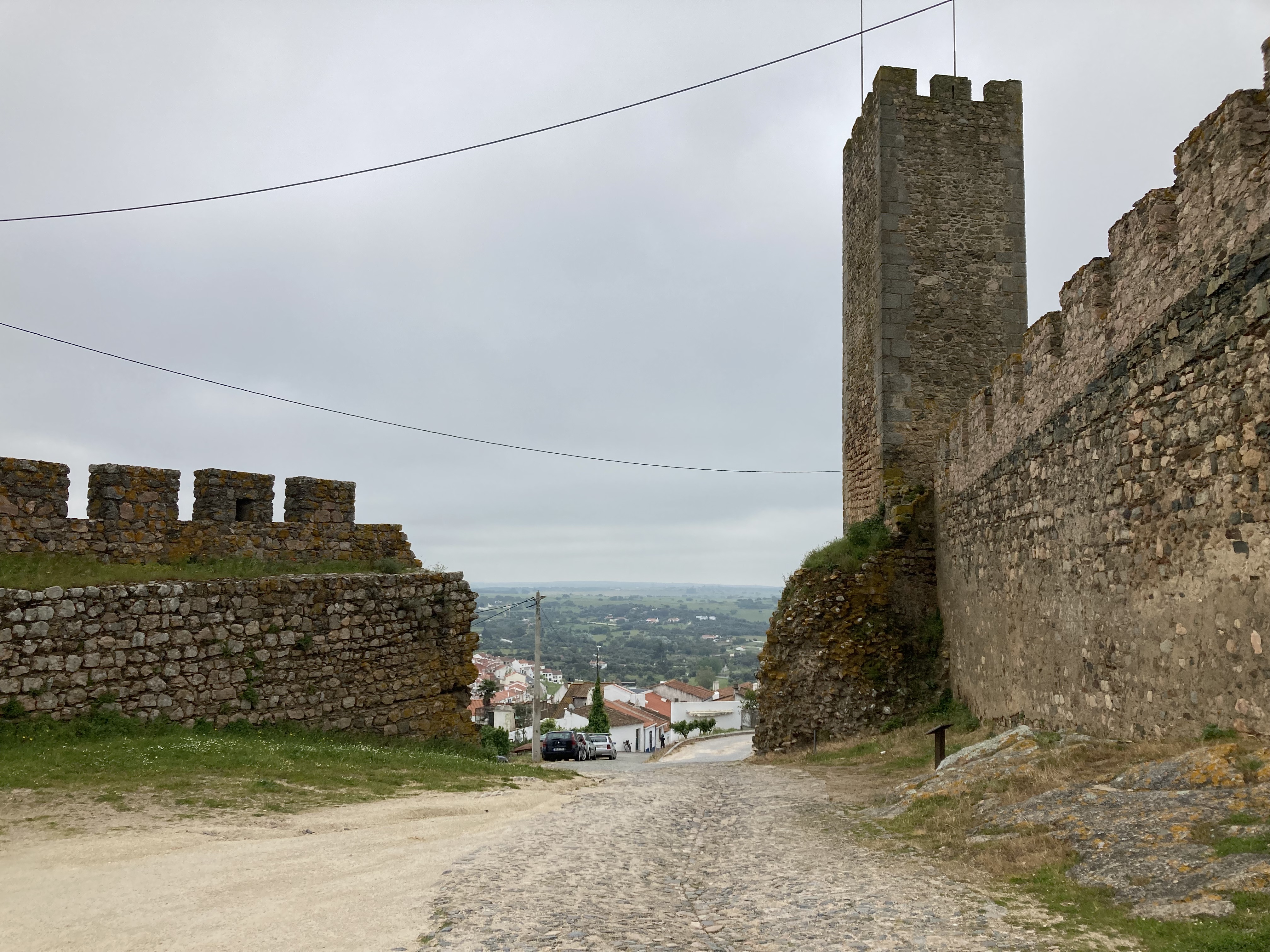
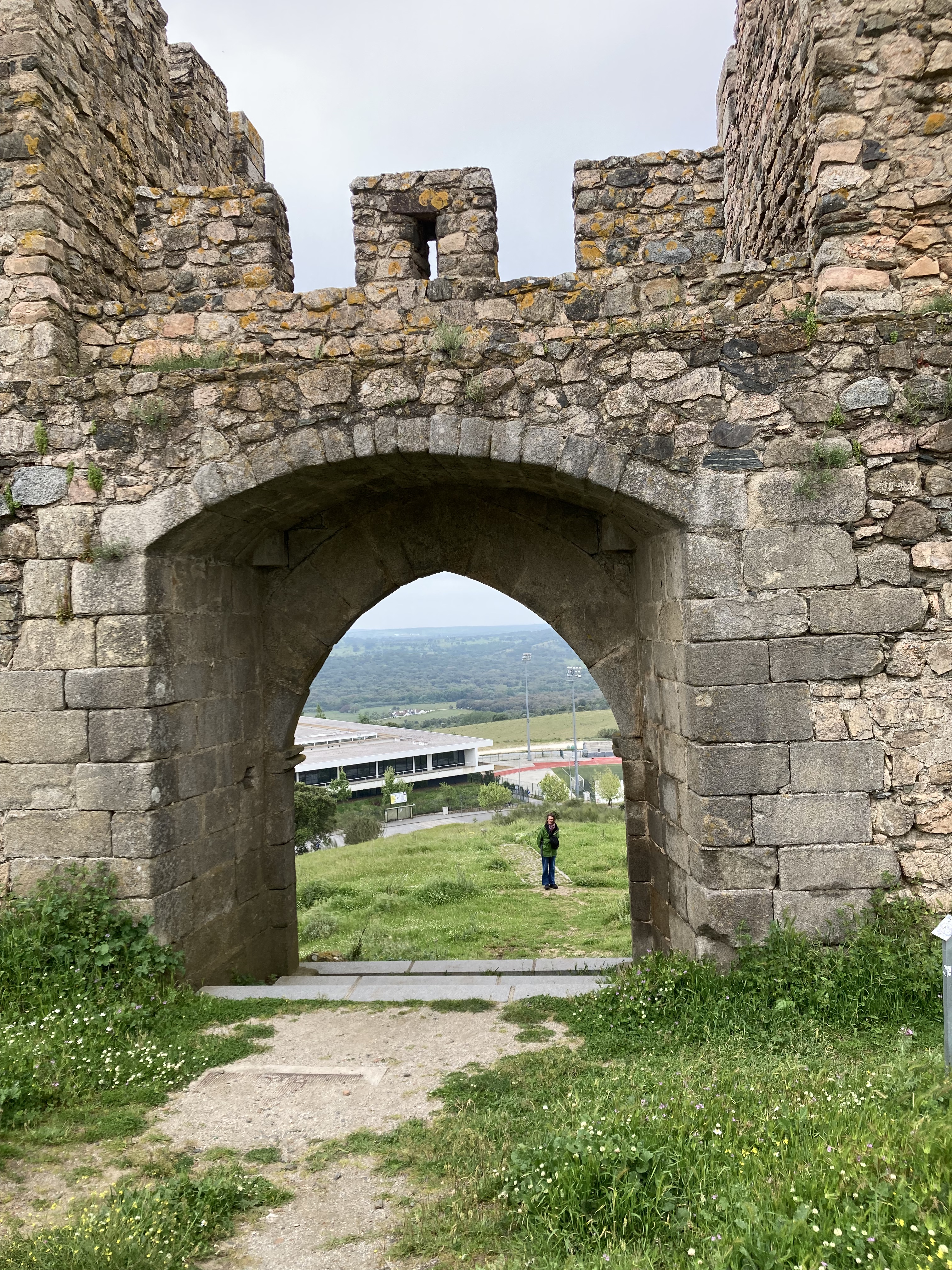
After sampling the espressos and empada at the same delightful cafe as last time – they remembered the request for extra hot water – we drove up to the circular castle. It was a ruin, not inhabited, but we could freely walk around. D could picture such a castle in the Napoleonic era, when castles were besieged and stormed: it was very reminiscent of descriptions of sieges in the Bernard Cornwall ‘Richard Sharpe’ novels.

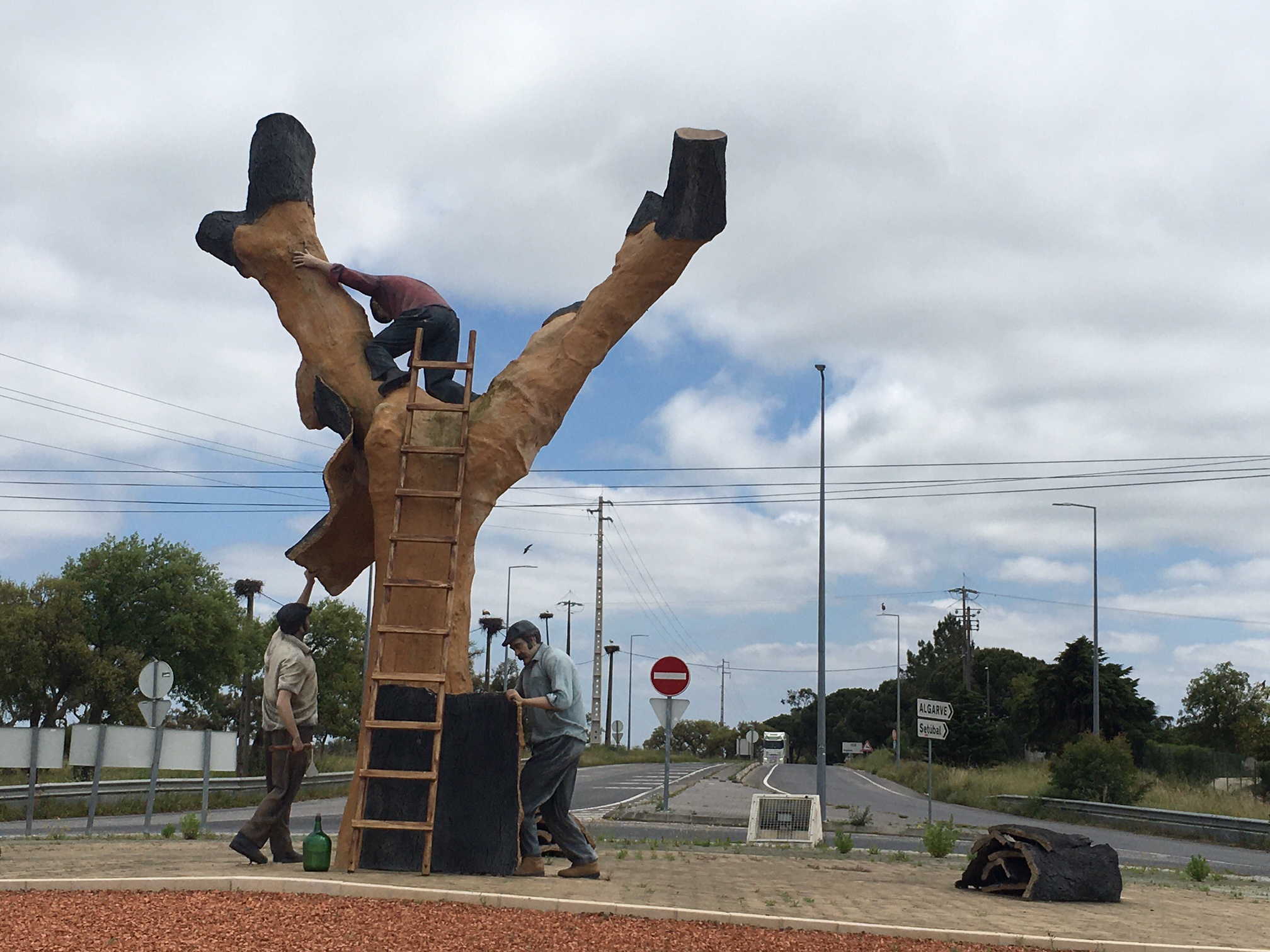
So, onto Lisbon via the slower route. Just had to stop for the roundabout statues that were, on first glance, so life-like.

As we neared Lisbon, within about 30 km, it occurred to both of us that if we’d been heading to any major Oz city we’d by now be deep in suburbia/urban development. It wasn’t until we were about 10 km from our destination that we became caught up in city density – a lot of it, of course, being high density apartments. And the little white cottages with colored trims were gone. We were in modern urban environs. But the traffic throughout was light, and surprisingly was sedate.

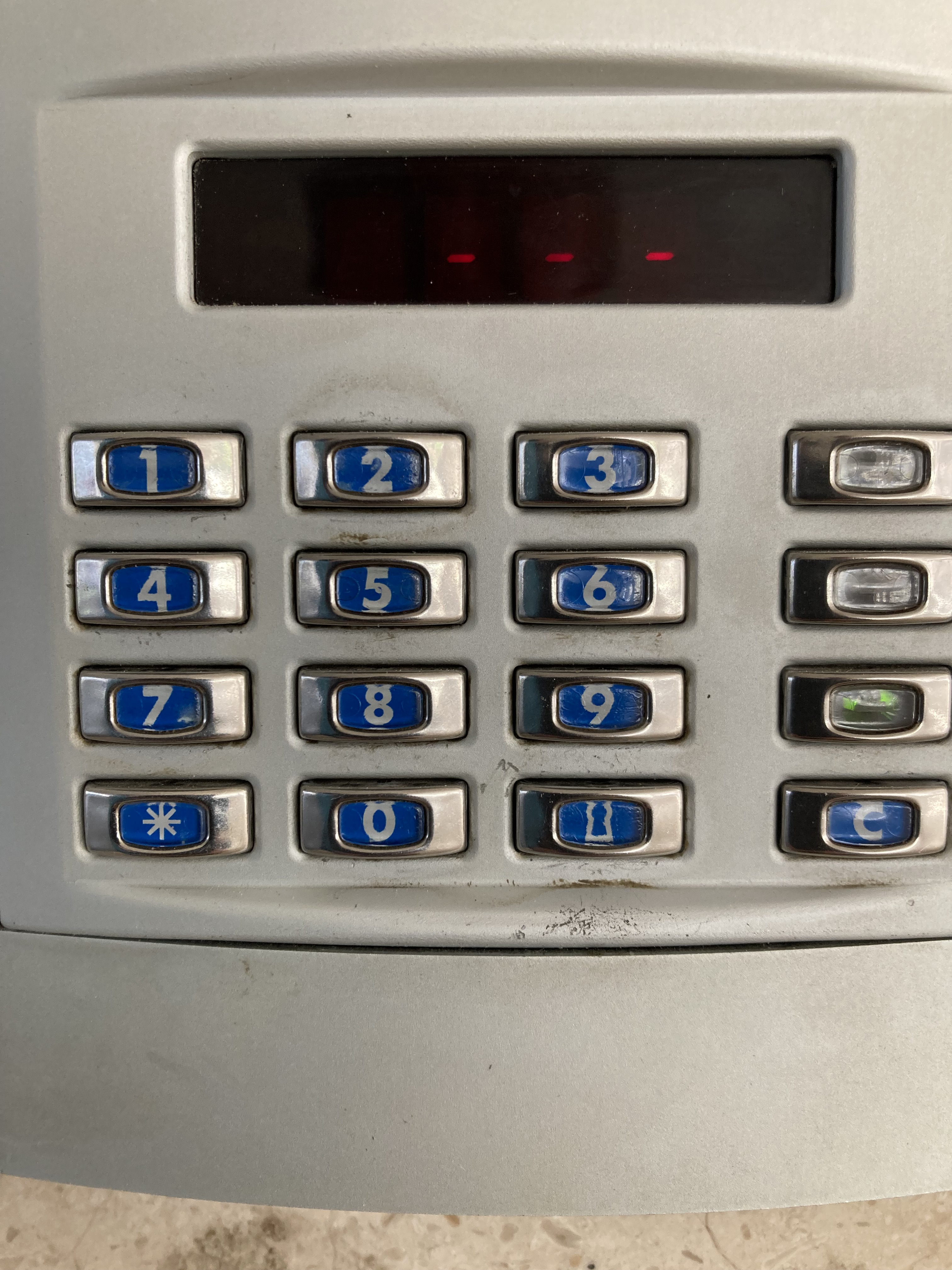
We arrived at our destination and parked outside. We’re in apartment blocks built for the Expo in 1998 and subsequently sold up. So far, so good, but the messages D had sent last night and this morning had no reply, so we had no idea how to get in nor how to access the on-site parking. D rang the contact: ‘you haven’t received the advice?’ Apparently there had been a computer issue (of course). Instructions arrived via WhatsApp, so we decided to walk the route before moving the car. First instruction was to press the ‘key hole button’ and insert the code. What key hole button?

Obvious when you know, but at waist high, in gloomy light…..

Eventually worked that out, got into the apartment, picked up the remote and decided to recce the parking. Found two access doors from the street: which one? D, a bit slow, eventually pressed the remote: presto!

Back to the car, entered, found our spot, parked, unloaded, headed for the lift, up to our fourth floor: wrong block. Back to ground floor, cross to our lift, up to fourth floor: all good.We’re a travelling circus with bags of food and wine unloaded at each destination. D does a fine job in keeping up the supply of cumin seeds and wine.  (D later went back to find that our lift from the parking was in a different block. But the intrigue didn’t end there: there was a code, but where was the key pad? The code was entered on the numbers of the lift – duh – trial and error.)

So, we were in. Spacious, seemingly quiet, and very close to the train line into the city centre. 

Needed to get milk for the morning cuppa and ‘something to stitch together the leftovers from last night’….something would jump out at T  (and it did) so headed off via Apple Maps to a Mercado which was in fact, we think, wholesale, but was close to a Lidl, so we came back with far more than milk and the ‘something’ (zucchinis on special, 1 red capsicum, 1 potato, 1 purple onion, 1 small eggplant, a can of tomatoes and a jar of chick peas)….tomorrow night’s meal is already programmed.

The zuccinis made a delicious soup and last night’s pork & apple became a salad, with rocket and a bit of that capsicum. We’re far from starving. T reckons it’s time to get brave and actually commit to a piece of salted, dried cod, the National food (and it’s in every shop). Having tried this in a fancy restaurant in Norway some years ago, we’ve not been inspired to repeat but this time, if T finds a jar of red curry paste, then maybe it will get a run.

Dinner. As above.

Evoramonte #4

Day 47. Thursday 24 April.

April 25 is a significant day for Australians and New Zealanders, and it is also a significant day for the Portuguese. We have seen signs, posters, murals and banners since we arrived advertising 25 Abril, the anniversary of the Carnation Revolution, a coup by military officers that saw the overthrow of the dictatorial government in 1974. The coup produced major social, economic, territorial, demographic, and political changes, not only in Portugal but in its overseas territories as well, including East Timor. After the revolution East Timor claimed independence but was invaded by Indonesia in 1975 and was not free until 2002. From the responses to our quiet questions there is no doubt the revolution is seen as a good thing, certainly by those old enough to have lived it.

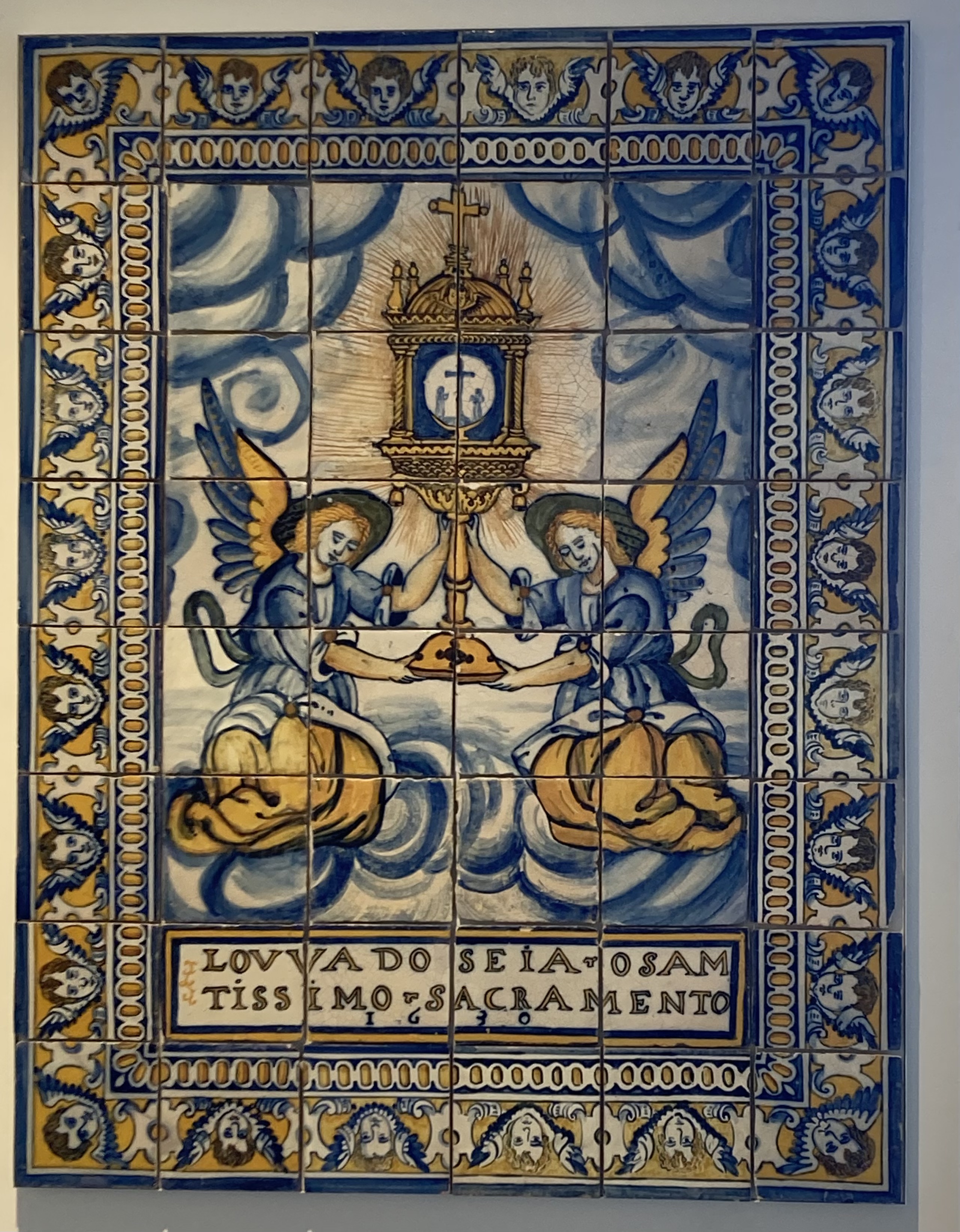
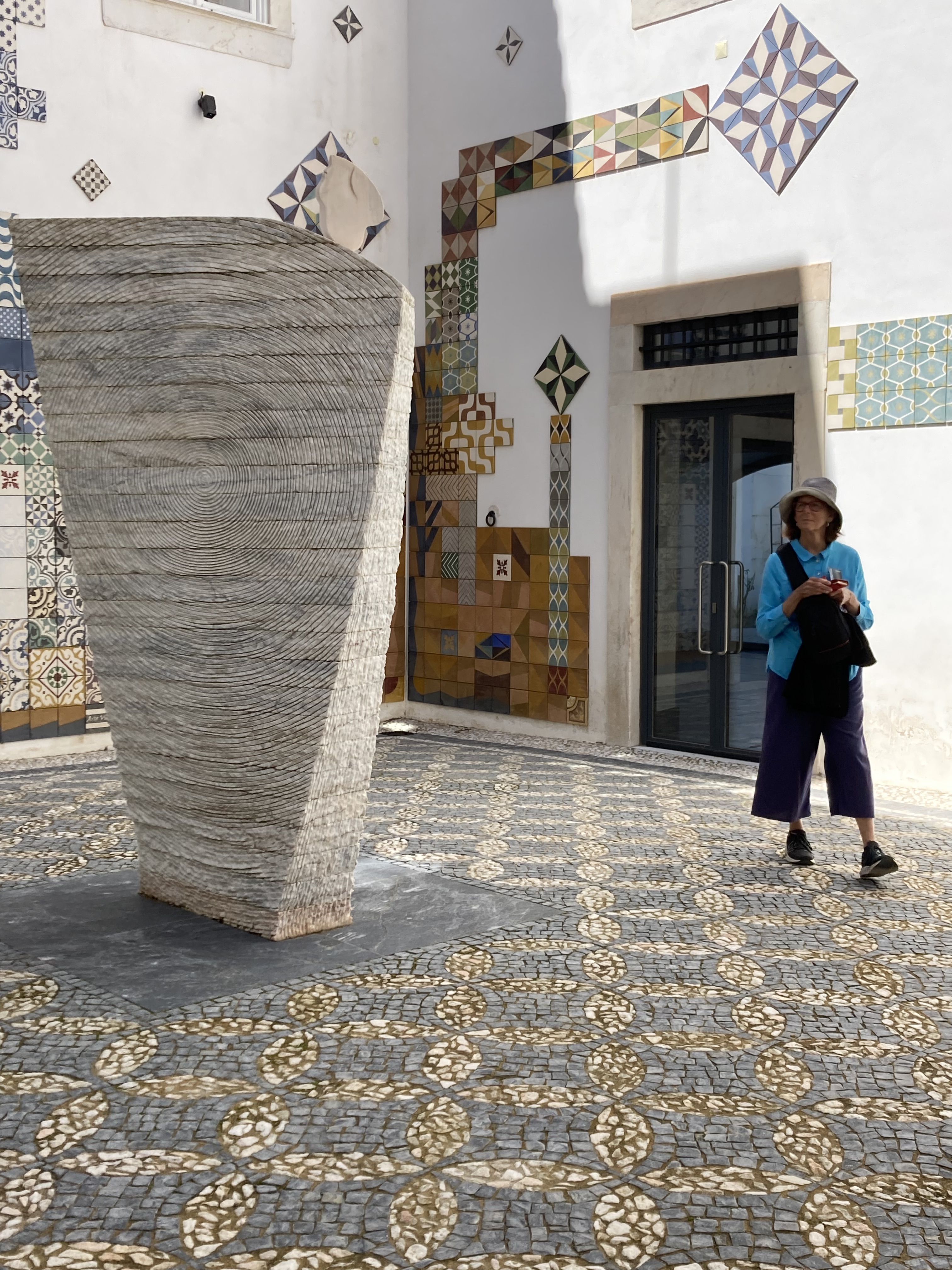
If yesterday was the day of cork, today was the day of earth (marble and clay): 15 kms up the road took us to Estremoz, a town noted for its marble, ceramic tiles and its clay figurines. First stop, even before coffee, was the Museu Bernardo Estremoz, which houses a personal collection of ceramic tiles jointly managed by the owner (of the tiles and the palace housing them) and the municipal council. Spanning 800 years of tiles (Iberian and beyond), the impact was overwhelming. 

The collection was extensive, with captions in Portuguese and English, and was beautifully laid out and presented on three levels and we had the place to ourselves! The woman manning the wine shop (part of the complex) explained that was not unusual, except for Saturdays when there is an adjacent flea and antiques market.  Estremoz is not on the ‘must do’ tourist list – people come after doing everything else, like Lisbon and Porto and so on. The huge collection can also be viewed via a website at https://museuberardoestremoz.pt/

But there’s more…

There were also a couple of ‘non tile’ exhibitions, the most striking being human figures carved into tree trunks.

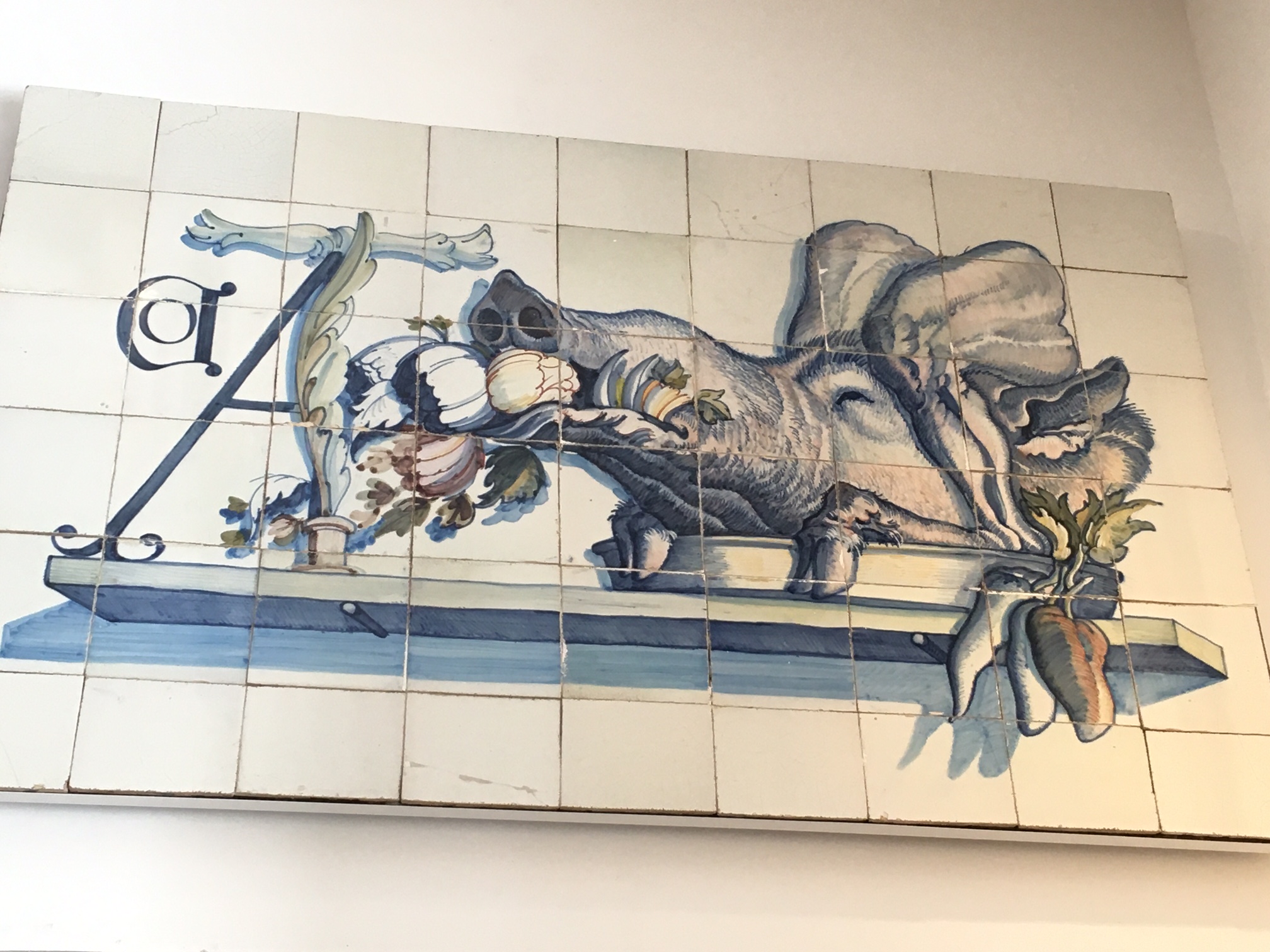
T was particularly taken by a (1968 maybe) tile grouping that seemed to be asking that very important question, ‘What’s for dinner?’ And the answer was ‘ My version of stitched together pork’.

The visit ended with a wine tasting – not sure of the connection – with today a choice between one maker’s red, white or rose, and another’s Moscatel, a sweet aperitif from a rose grape grown only in Portugal. We chose the latter, and came away with a bottle to sip during our future travels. When we commented on the beautiful marble in every structure in town, including the cobblestones, we were told that yes, marble and wine are the town’s income. Marble makes for terrific wine because it holds moisture and the minerals in the soil help the vines.

Coffee at a rather smart cafe – the sort that ladies dine at – produced nice espressos, an empada  (partridge) that wasn’t quite as delicious as yesterday’s but fine, and some sort of saveloy wrapped in a pastry, which wasn’t what D had ordered. He was too overawed to send it back: it actually was OK.

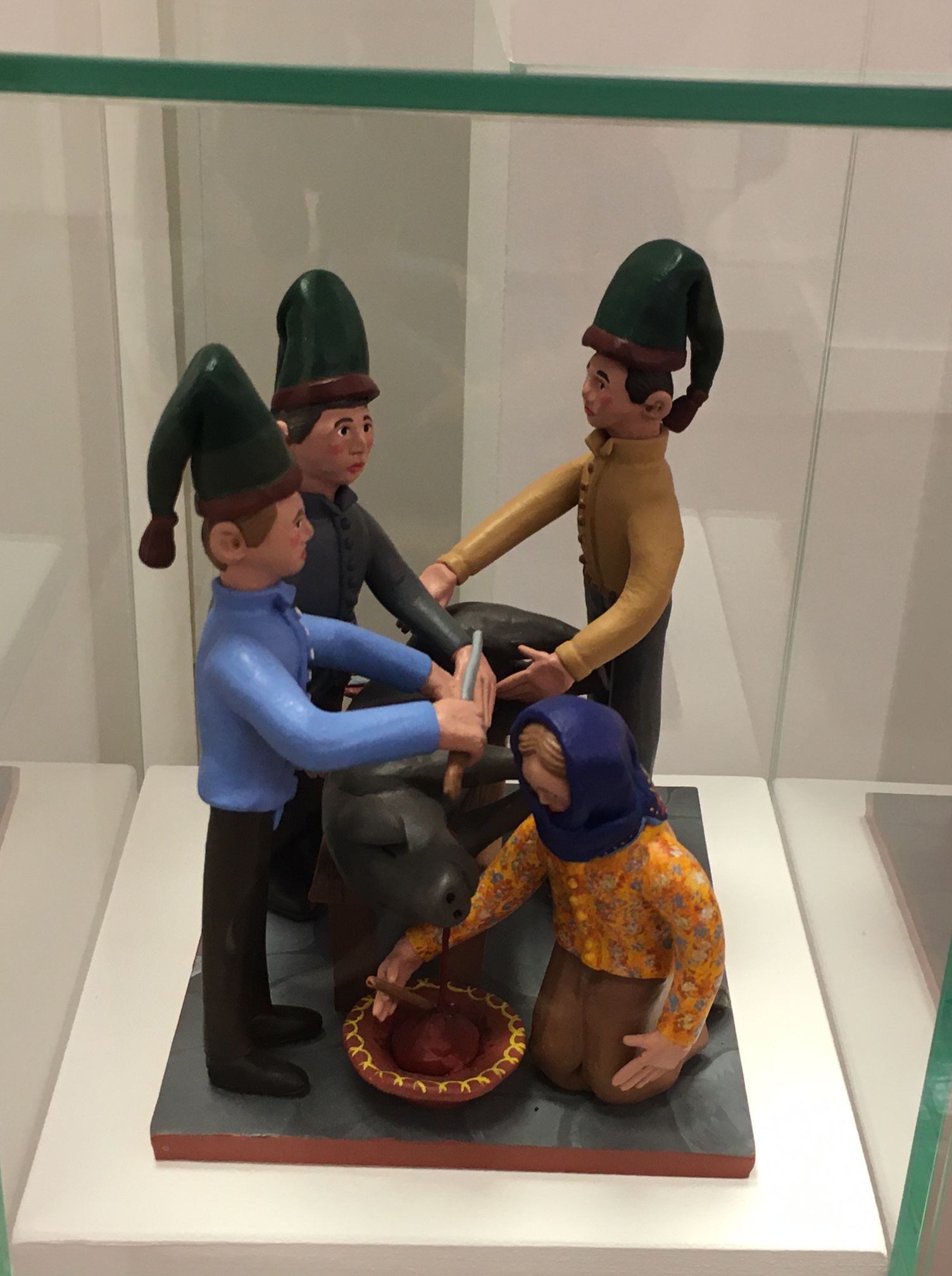
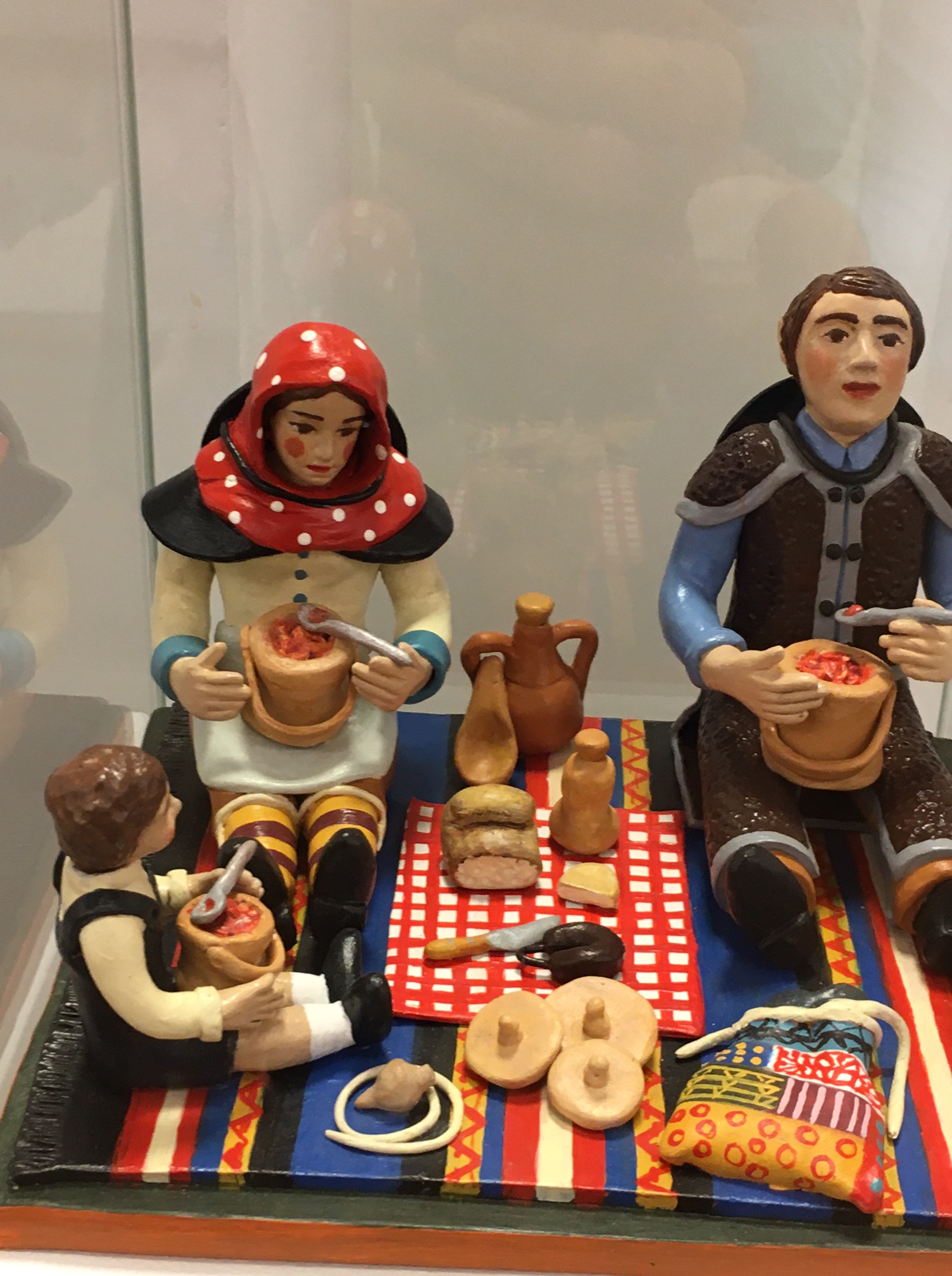
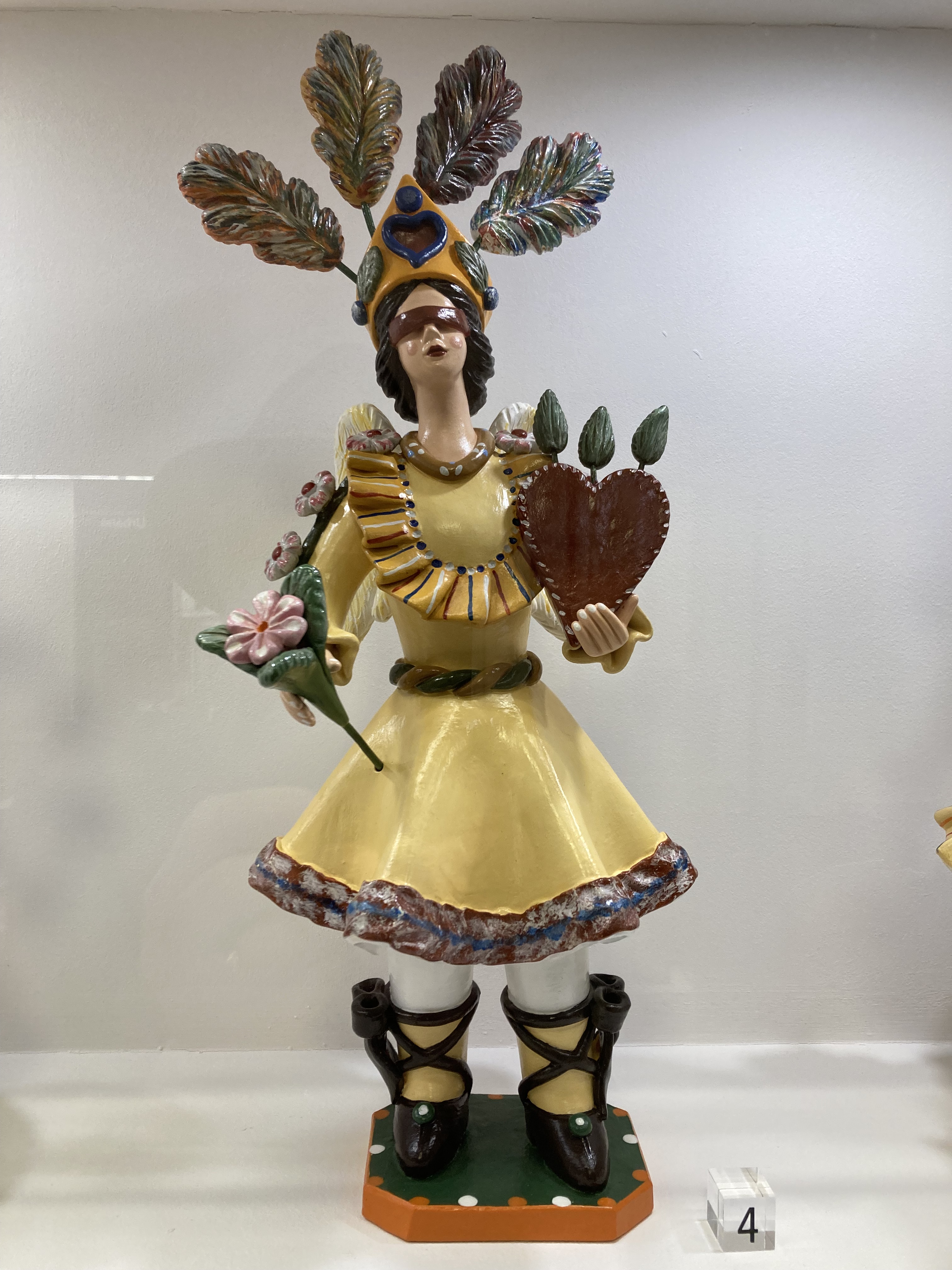
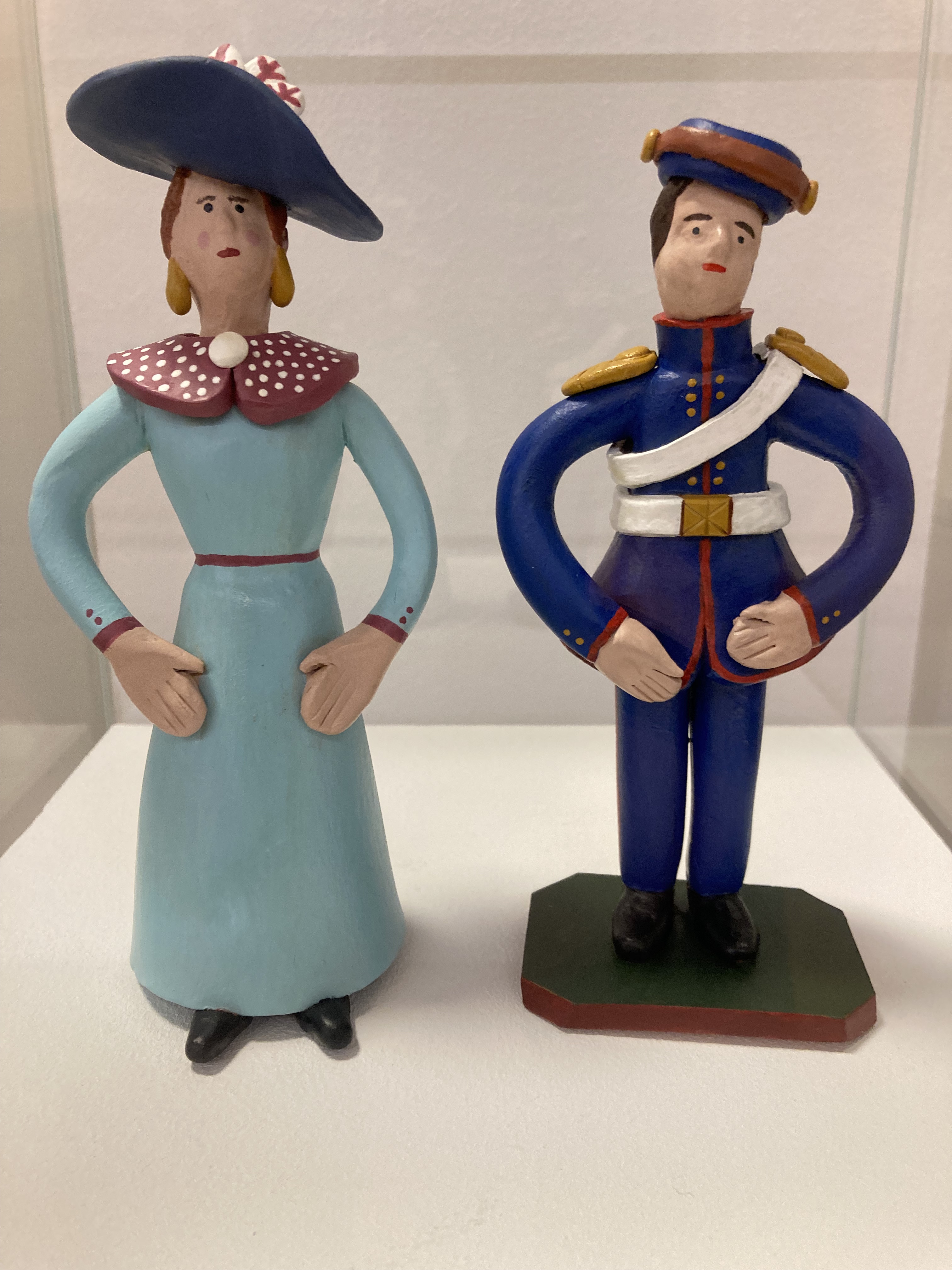
After the tile museum the Centro Interpretativo do Boneco de Estremoz. This was another fabulous display of the clay figurine artisanal tradition of the area. Unfortunately the descriptions were only in Portuguese, but a couple of videos with English subtitles made up for that. The craft dates from around 18th century and has gained a UNESCO status in recent times. The display was sheer delight and we followed up by visiting two of the artisans in their retail locations.

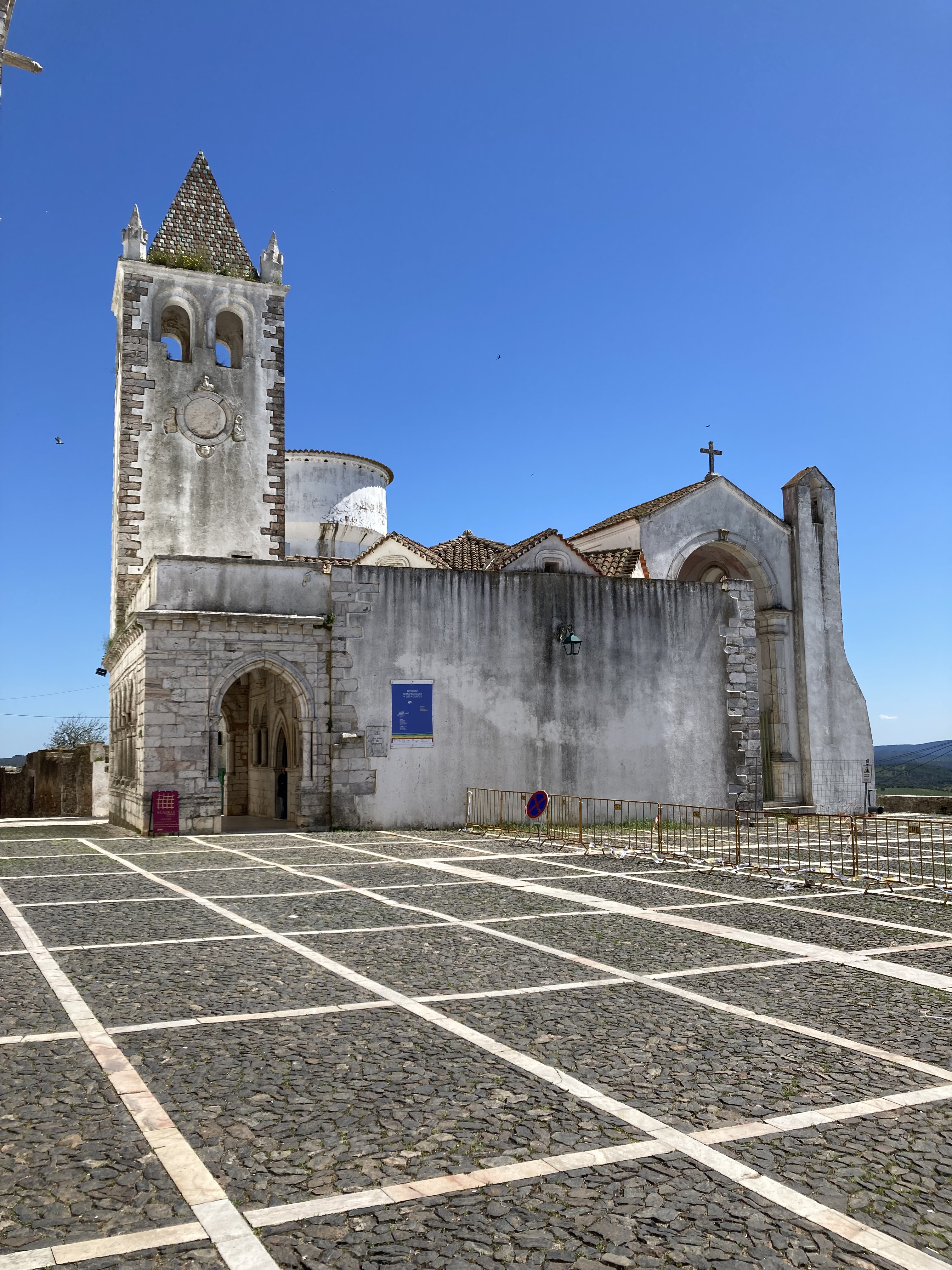
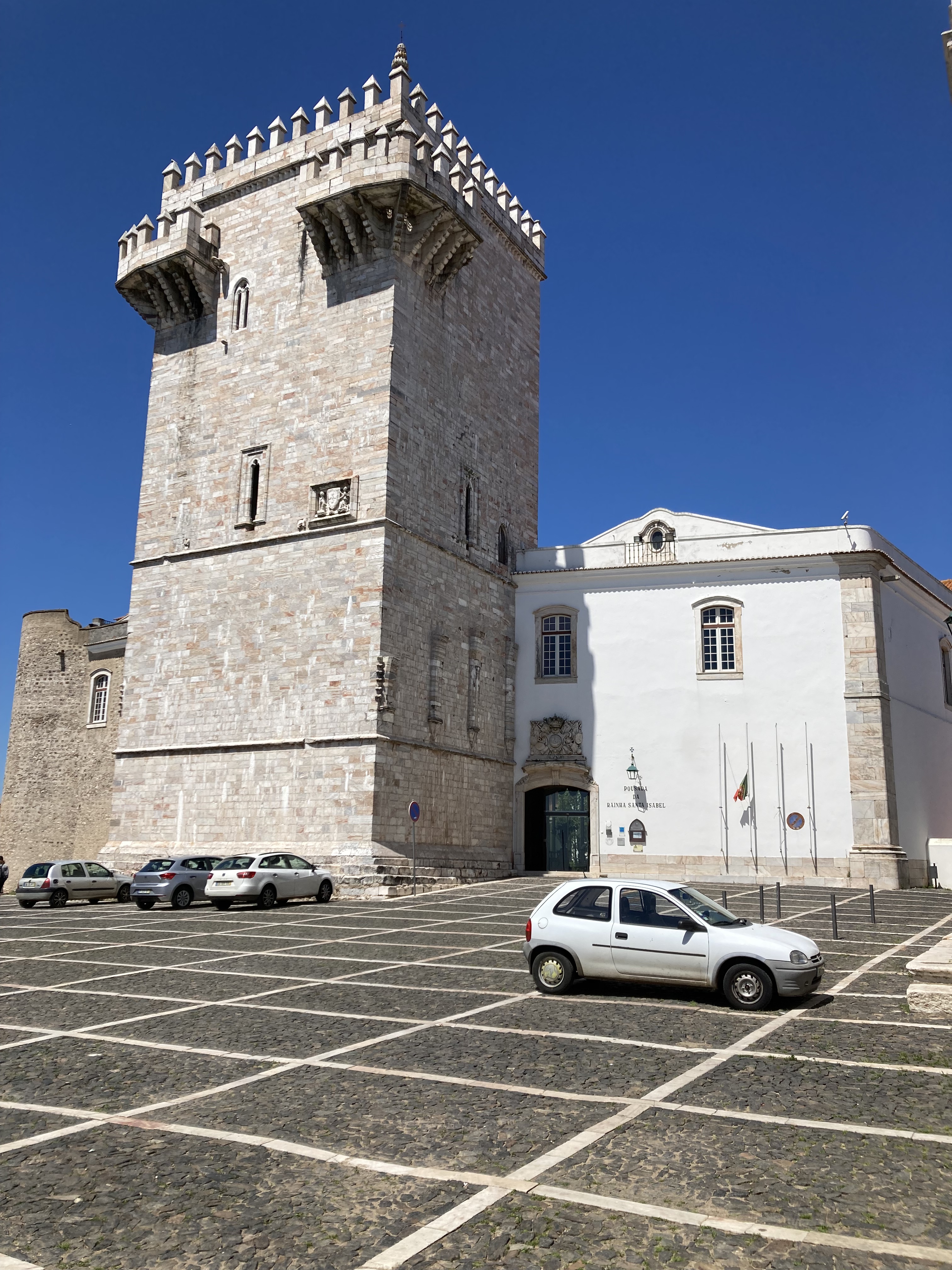
Up the hill to the Castelo, to find that the building was now the Pousada de Castelo Estremoz – part of an expensive hotel chain. Off to the side, we were beckoned inside an exhibition of the graphic art work of Armando Alves, a display of his life’s work. Needless to say, 25 Abril featured a couple of times. We thought at first the building was, or had been, a church but it was a former municipal building. The attendant remarked that many people made that assumption.

From the castle ramparts we could see in the distance what we assumed was huge pile of marble (the white in the distance) – and hoped was not the local rubbish tip! (On our way home we detoured and confirmed that indeed they were humongous piles of marble, at the municipal marble quarry.

Down town for lunch at the earlier cafe: non-alcoholic beers and a cheese and jamon tosta to share. It was terrific.

Then to look for a genuine clay figurine as our souvenir of the trip. Found just what we wanted: ‘love is blind’ is one of the themes of the figurine makers, and we were both taken with it: when discussing what to buy we said almost simultaneously ‘not a nativity scene’ (we have enough of them).

Estremoz is a marvelous, beautiful town. When that lotto ticket delivers, we’ll go to the real estate agent.

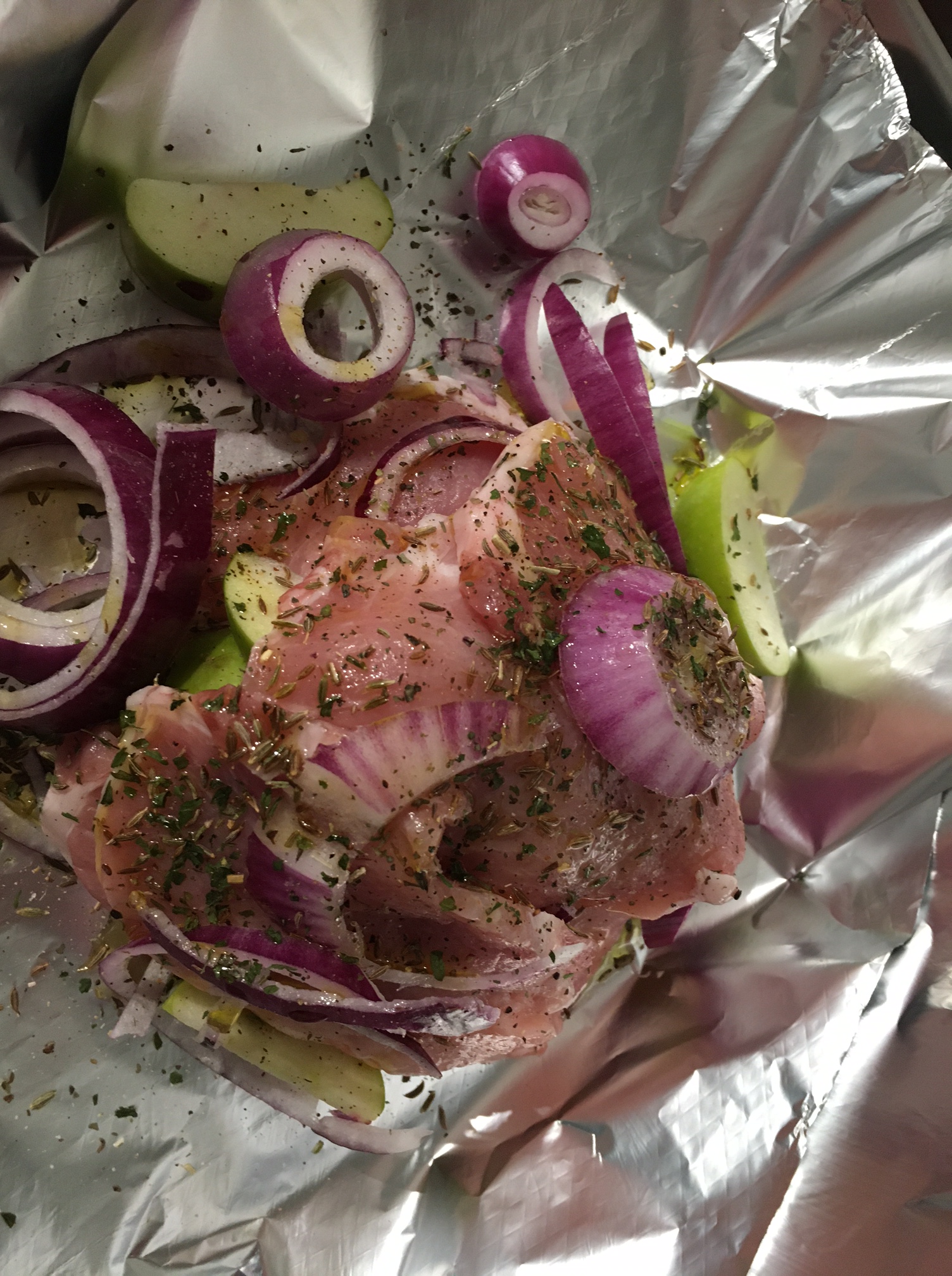
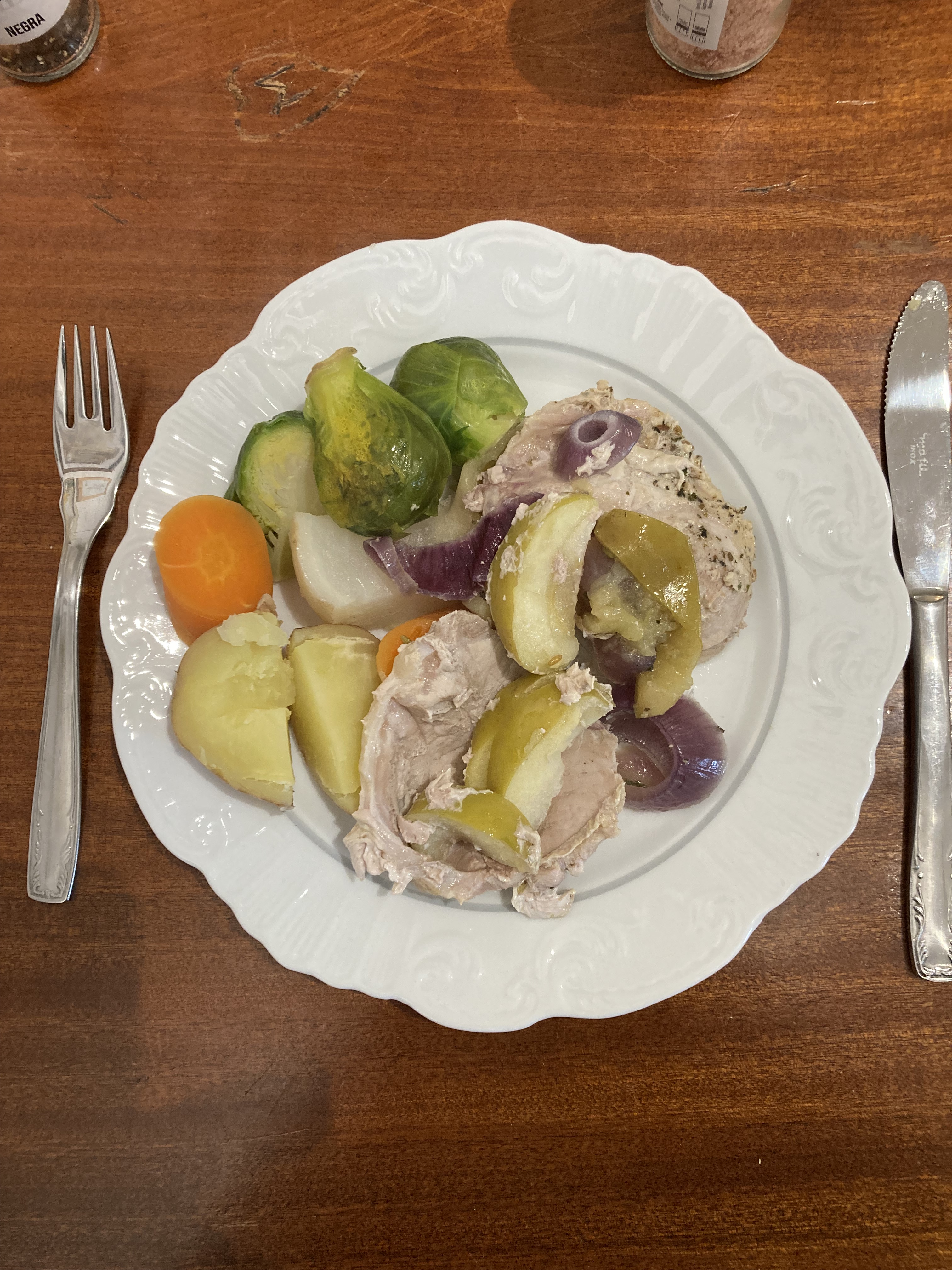
Dinner. Pork loin slivers (cut by butcher yesterday when that’s not quite what T meant)… stitched back together with apple & purple onion.

Evoramonte #3

Day 46. Wednesday 23 April.

Our plan was to revisit Cromeleque dos Almendres but decided to avoid Evora by driving via Arraiolos, which meant we could also track down some of the things it is known for: the circular Castelo de Arraiolos and Ingreja da Misericordia de Arraiolos, and artisan products, principally the Arraiolos carpets which are woven/ embroidered with wool of varied colours on a jute or cotton canvas.

Had a terrific coffee, shared an empada and a Portuguese tart, and then a wander looking for the Interpretative Centre. On the way, T just happened to come across a fabric store. D hung around a couple of doors down and had a relaxed conversation with the shopkeeper, who had excellent English. She was delighted at the good weather today, after continuous rain, and spoke of the high temperatures to come. D remarked that he was from Australia and knew a little about heat, at which she remarked ‘Ah yes, the Crocodile Dundee hat!’ D pointed out it was made in Italy, which she dismissed with a flick of her wrist.

It was 1200 by now, so when we found the museum that would tells us all about the rugs it was shut, we assume for early siesta, as there were no timings on the building, nor on the brochure extolling the town’s treasures. So we wandered back down through this lovely town (yes, cobblestones) and headed for the rocks.

We’d been informed about the poor condition of the dirt road (goat track definitely applies: Oh for the Ranger!), parking a bit short and then walking, so chose a shaded spot. First menhir was down a wobbly dirt, deeply indented track, but at least it was only 350 metres. The information board said it’s location was linked to the equinox and possibly aligned with the stones.

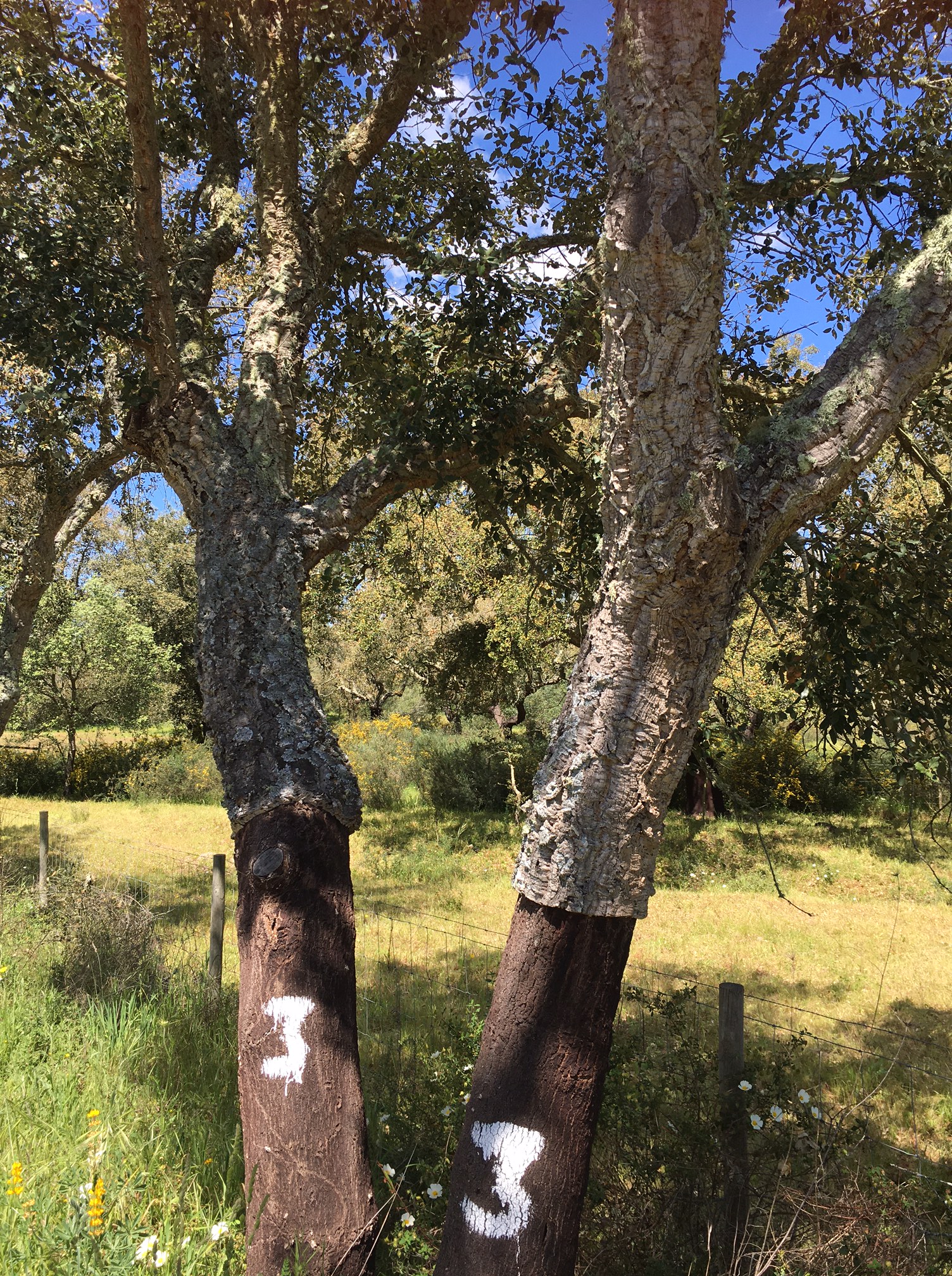
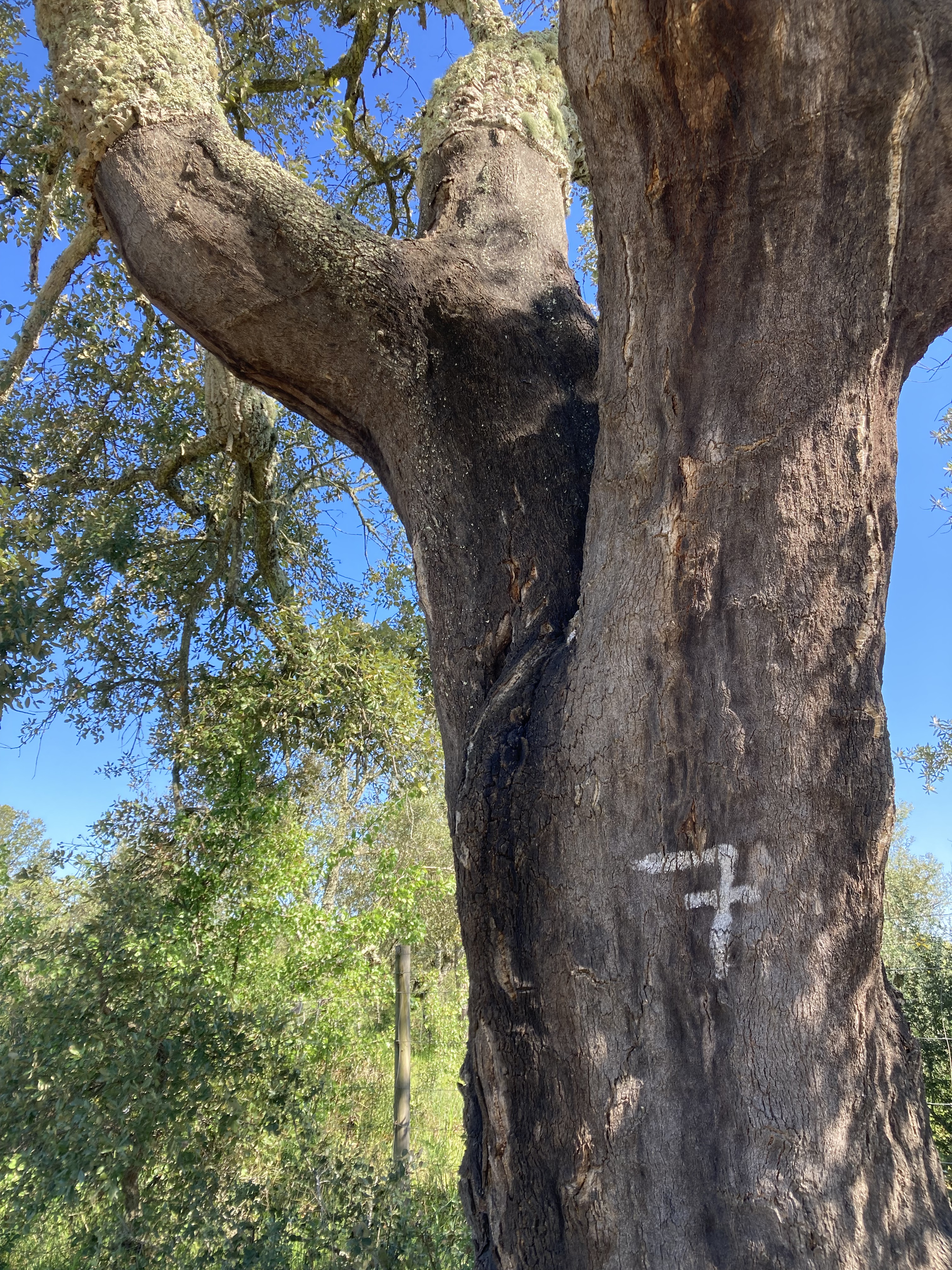
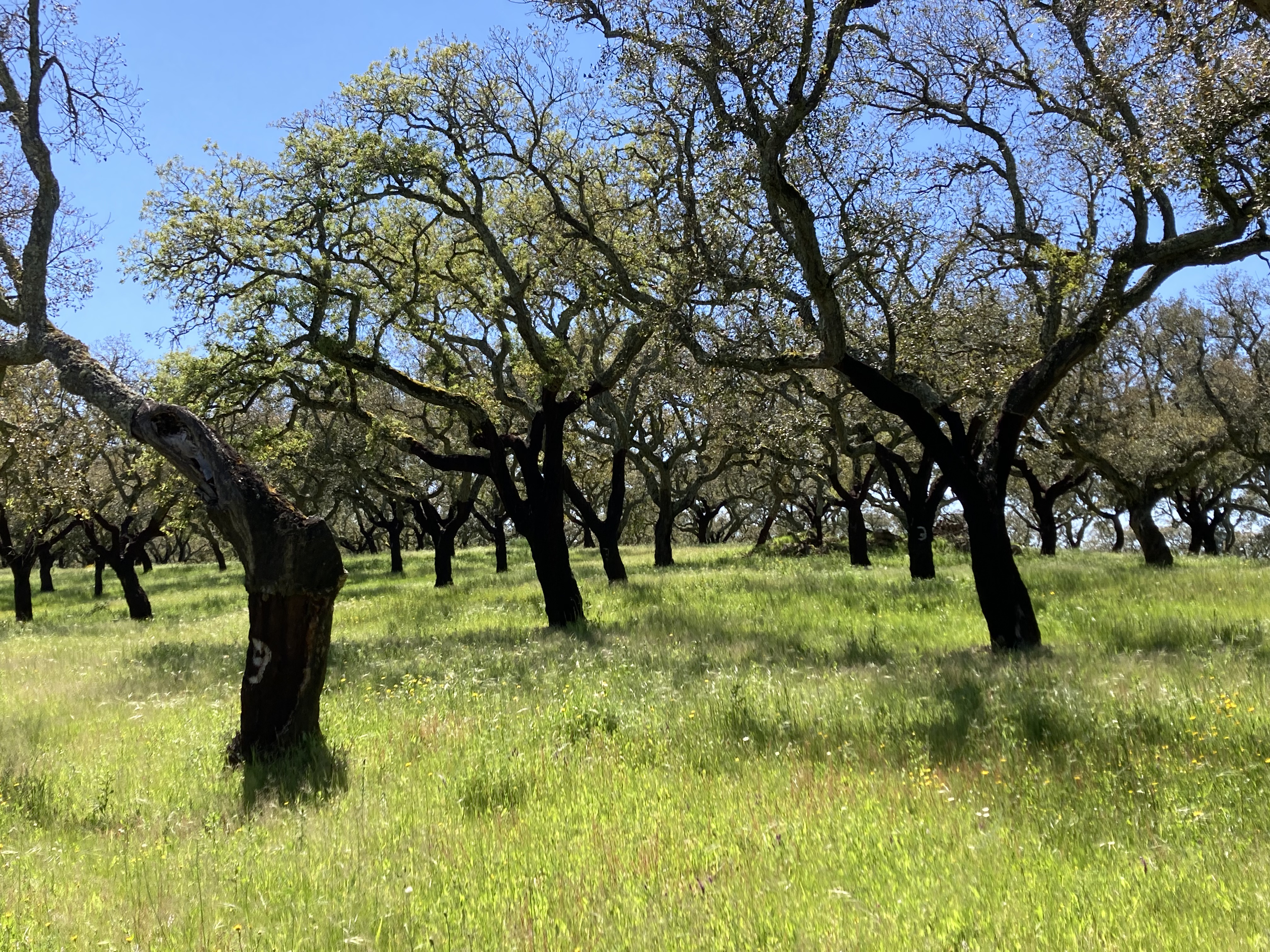
We’d passed through plantations, groupings and single cork trees on our drives. An information board told us they were a highly protected resource, and managed by experts. Each tree is ‘cropped’ when mature, the next crop not being for 9 to 15 years, all closely managed. The bark is only taken from the main trunk, at a height three times the diameter. When the bark is taken, a single digit number is painted on the trunk indicating the year: for example, 2023 would be just 3. We didn’t notice too many trees that might be ready for the next cropping: there was one that seemed to have bark renewed with a 7, presumably 2017, that is, 8 years ago.

Then a slow climb along a rough road/track to the 100 rocks (positioned 7000 years ago) in a horseshoe pattern and some with engravings (not visible to untrained eyes) marking a serious change from hunter/gatherer society to sedentary/pastoral.We wondered about the process involved in positioning such huge boulders at that time: slaves? equipment? How did pre-historic humans have the time/energy/technology to engage in the task? And what did it all mean?

Returning to the car was much easier, all downhill and in a cool breeze. Dinner? A pasta dish, that probably needs more than tomatoes and half a can kidney beans, so where’s the closest supermarket other than Evora? Arraiolos! Prawns and anchovies added to tomato/onion sauce should do. And projecting to the next main meal, a piece of pork loin was chosen, with gestures to the butcher to cut it in half…but gestures didn’t ’cut it’…ended up with wafer-thin slices of pork loin! But T has a plan.

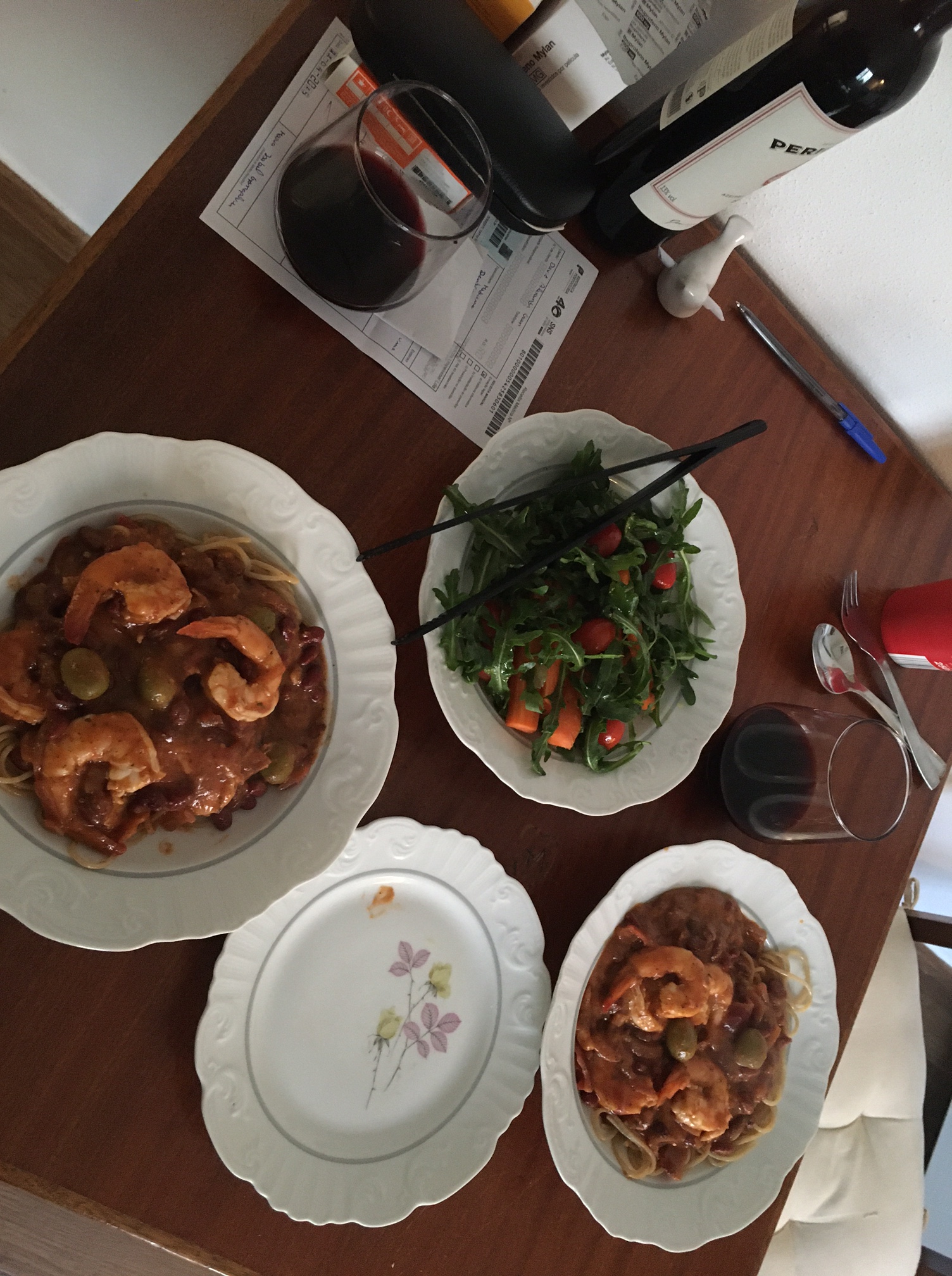
Dinner. Pasta with prawns and anchovies in an onion, tomato and herbs sauce., with a side salad.

Evoramonte #2

Day 45. Tuesday 22 April.

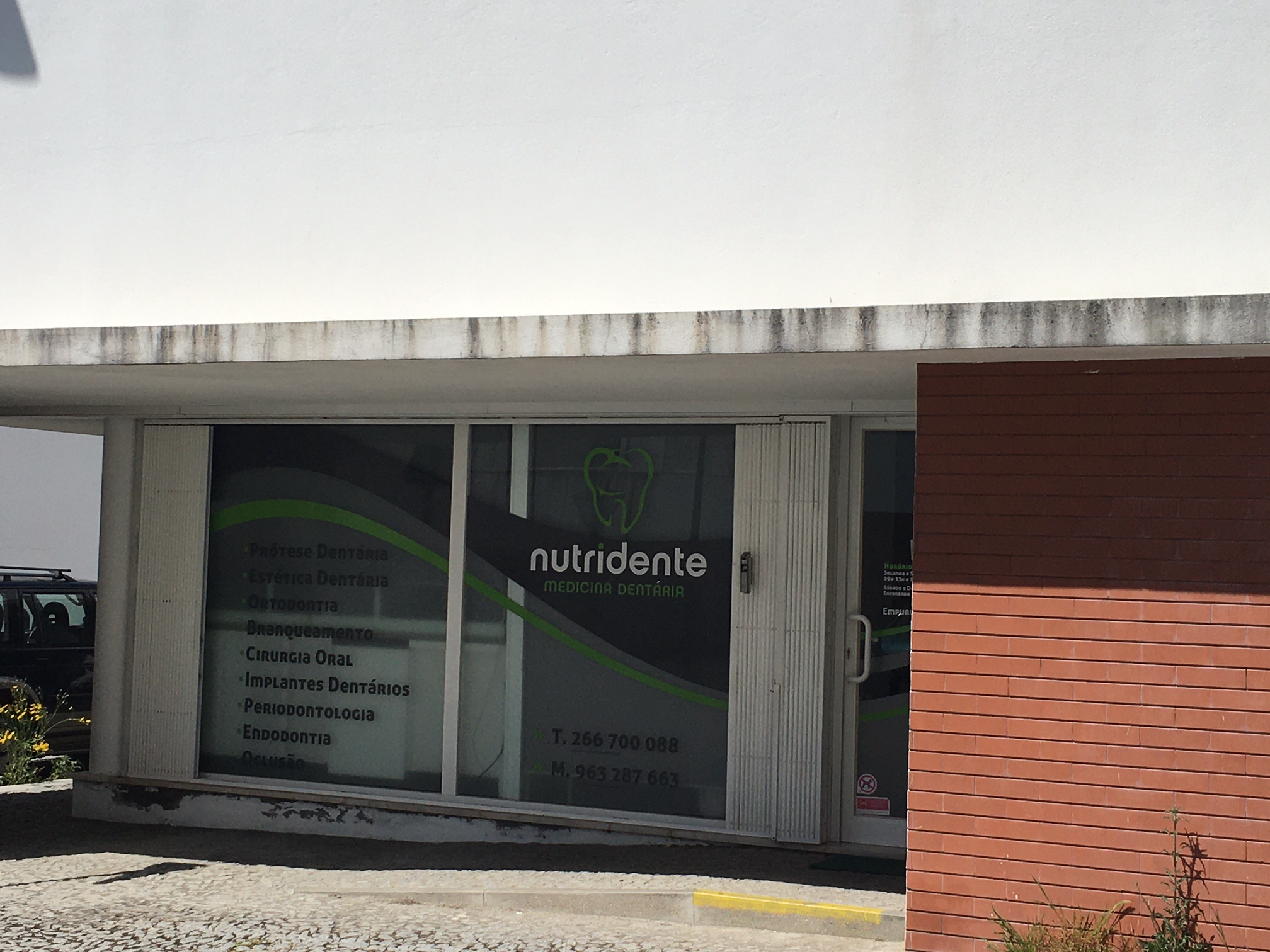
While ‘walk-ins’ at a hairdresser might be familiar, ‘walk-ins’ at the the dentist are a bit unusual. But Dr Maria Isabel Gonzales – Isabel – in Evora handled this with a pleasant efficiency today as D’s troublesome tooth (months old) flared this morning. 

Earlier, having found a parking spot and entered the walled city, it was no surprise that T ‘happened upon’ a fabric shop where she engaged with the owners – two brothers- and chat was about the decline in all forms of hand sewing (people too busy on their screens, was their take).

Not too long later, while T ordered the espressos in the central square, unbeknownst to her D was googling dentists and T consumed both caffeine hits while D went in search of the dentist supposedly ‘nearby’. Oh dear! No sign of the business listed on maps. Tourist office staff suggested a clinic just around the left corner, but it didn’t handle treatments, it just undertook investigations to create ‘plans’ for the whole mouth. More googling located a dentist within a few kms, re-opening of course, after siesta/ lunch. We wondered how many days and nights would D have to wait for an actual treatment??

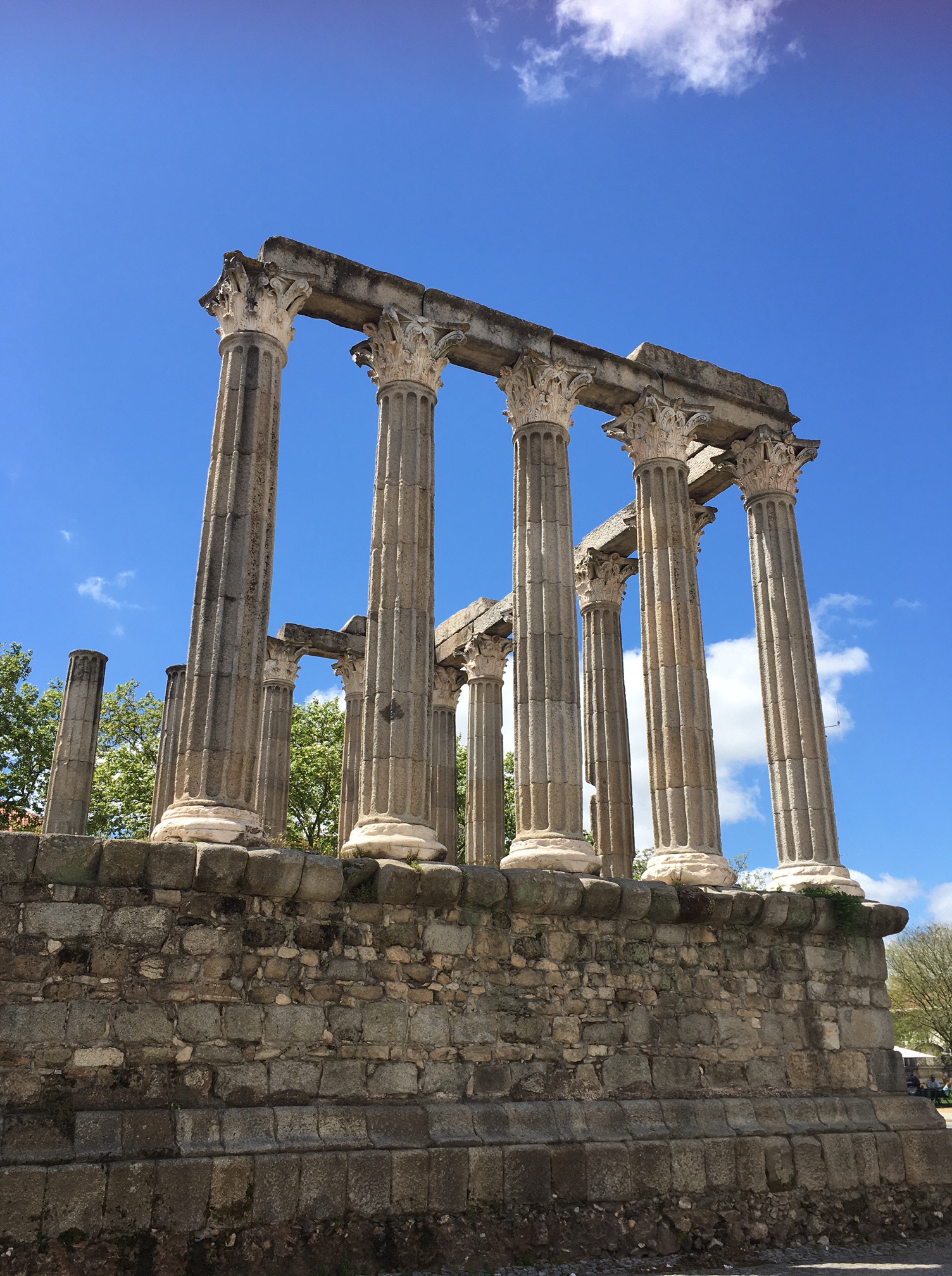
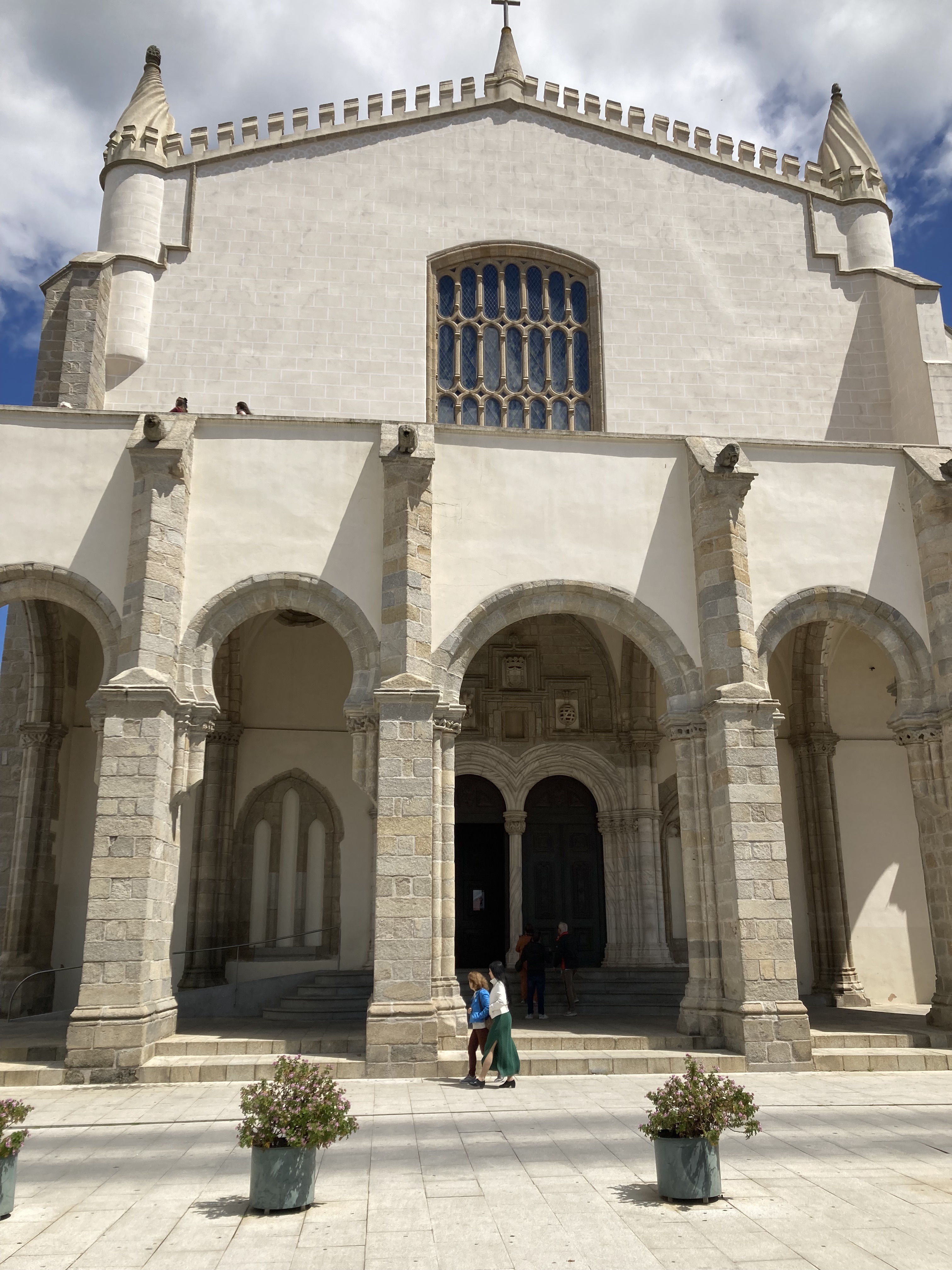
Ambling in Evora, we could have been back in Spanish territory with the super-narrow curved streets, the cathedral, a very impressive aqueduct, Roman temple ruins, multiple churches, tour groups, folk of various languages drinking/dining in the SUNSHINE.

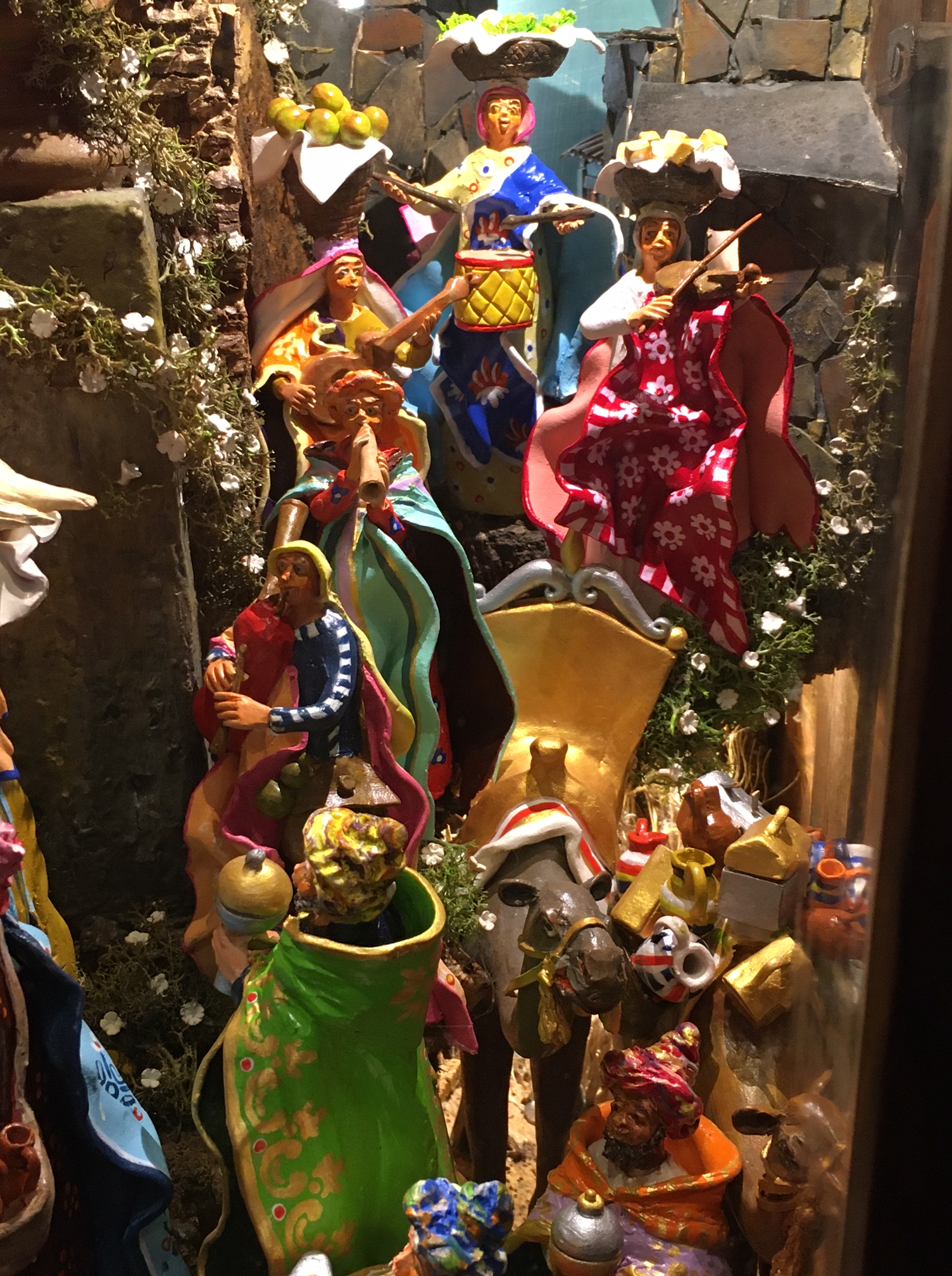
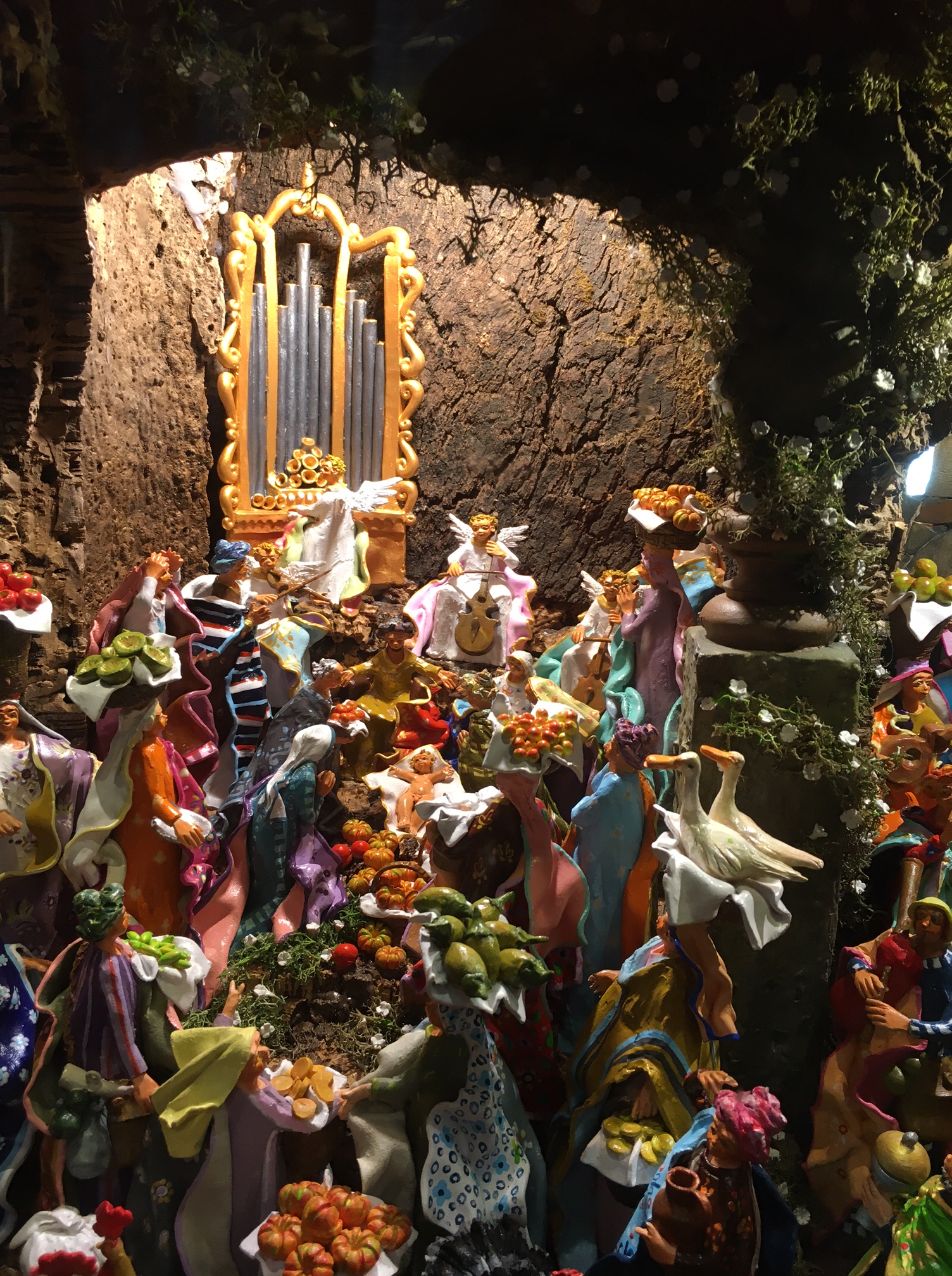
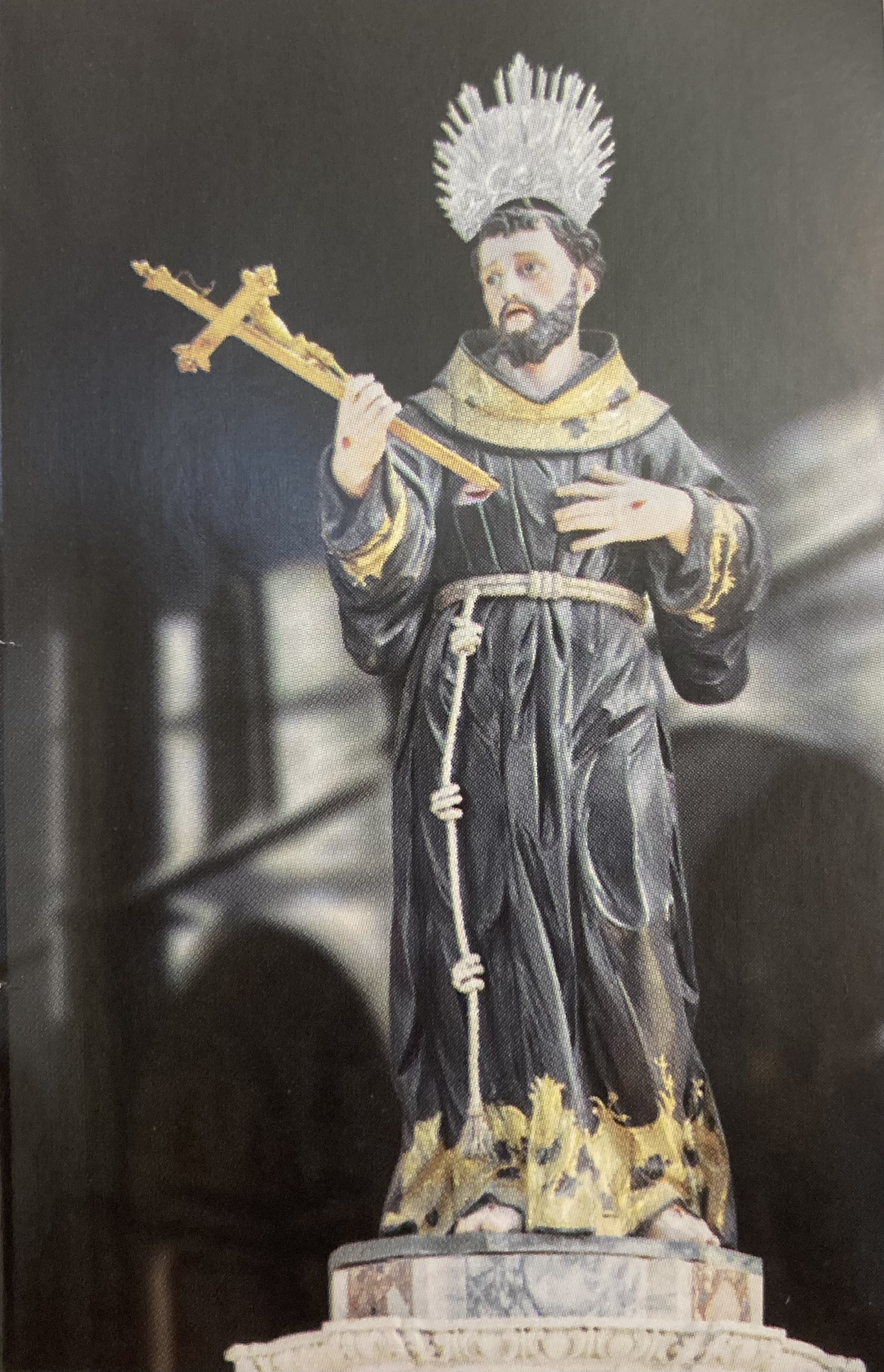
At Sao Francisco a cabinet of figurines drew T’s eye. Hundreds of tiny figurines, human, animal, vegetable & celestial had gathered to announce the birth of a very special child. It was pure delight after the so many grand/grandiose representations of the Biblical characters we’ve encountered.

After 90 minutes of siesta ambling (cobblestones do nothing for problem teeth) D navigated to and presented at the Nutridente clinic desk. Yes, Dr Isabel would see him…. just wait please…and after the check-up of a young boy, D was in the chair. An X-Ray delivered good news (tooth not cracked…) probably a sinus- root-related issue that can be aggravated by cobblestones! Scripts written and D sent on his way for a very modest fee. So, if it’s to be no more cobblestones, where does that put us?

With renewed energy after the dentist, the Peugeot took us back into rural mode, finding the site of Cromeleque dos Almendres, a horseshoe circuit of stones (2000 yrs older than Stonehenge)…we’ll come back to walk the site. And on an interpretive sign detailing local fauna was the picture of a creature we’d seen slithering/ scuttling across the road yesterday..(of course) it was an Egyptian mongoose! We’d been startled by this guy, with long body and tail (T had been puzzled saying,’ it looks like an otter!) Sure does.

On our return we sought out a Farmacia to get D’s script filled. Headed for Azaruja, but we think Doris may have become an insurgent, as she sent us down a one way street. Fortunately we didn’t meet anyone coming the other way until right at the end: the local woman merely raised a slightly amused quizzical eyebrow, no doubt thinking ‘bloody tourists’ in Portuguese.

Dinner: Does T need to use the zuzzer to blend last night’s leftover beef/gravy/B sprouts? No, cobblestones are not that vicious. And tomorrow is sunshine guaranteed.

Evoramonte #1

Day 44. Monday 21 April.

We could have been in rural NSW (around Yass/Gundagai) for much of today’s journey. After leaving the Algarve the landscape became rolling hills, green, eucalypts as well as carobs and olives, then there were orchards (unsure what) and some fields with sheep and cattle.This is Portugal’s bread basket. And very few castles! It was the road to Évoramonte, about 300 km north of Tavira, and about 120 km east of Lisbon.

Out in good order, then realized we’d left our rubbish behind so back we trekked to gather it up. Our stay was terrific: T frequently commented ’this is heaven’. 

Coffee at Ourique and a stretch, enjoying being in a real working town – we were pretty much the only tourists. And as a bonus, the Chinese bazaar had the vital threads for T to start a needle project!  At the pastaleria we eyed off a small selection of sweet treats (may be Easter Monday was the reason for such limited choice). The waitress at the bar didn’t want to stop cleaning the fridge to serve us despite T going behind the counter and calling ‘hola’ several times, but we caught some tv footage of the passing of Pope Francis (and thought of the next conclave moves). Ended up at a booth at the station: the espressos for 80 cents were excellent! 

Picnic lunch was at Beja where we firstly did a stock up at Aldi. Tonight will be a real treat: beef! Poor Doris can’t handle the sidesteps: she kept trying  to get us to ‘return to route’.

No, not Doris, but just as directive.

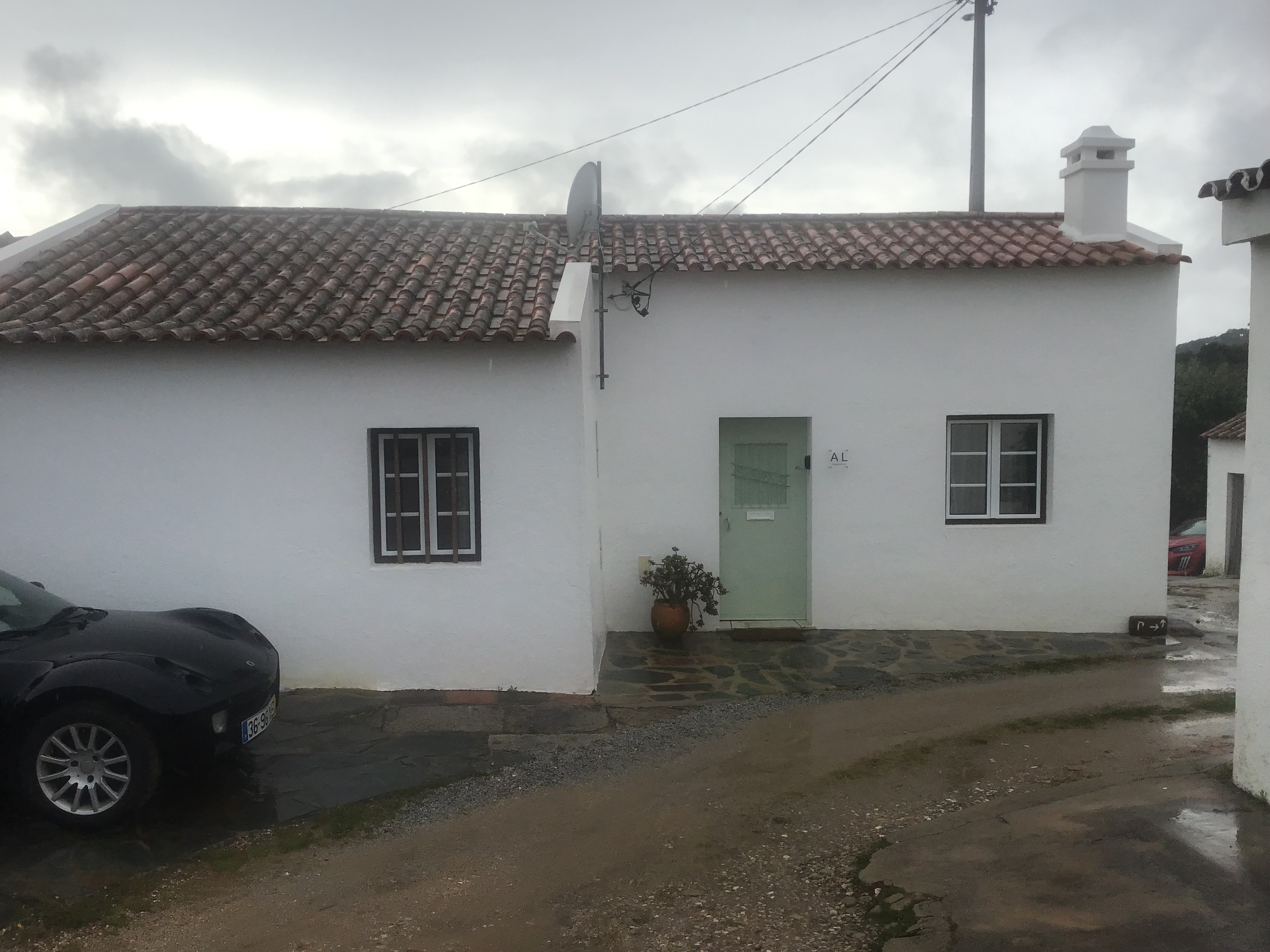
A good road and then heavy rain at times. But the directions worked, Doris was happy and the rain eased for long enough to get our gear inside. We’re at a quaint cottage on several levels, 20kms from the UNESCO town Evora (yes a wall, castle and numerous churches…we’ll explore tomorrow) and D needs to ‘pull his head in’ moving between rooms.T has started stitching and pulling out (the usual routine).

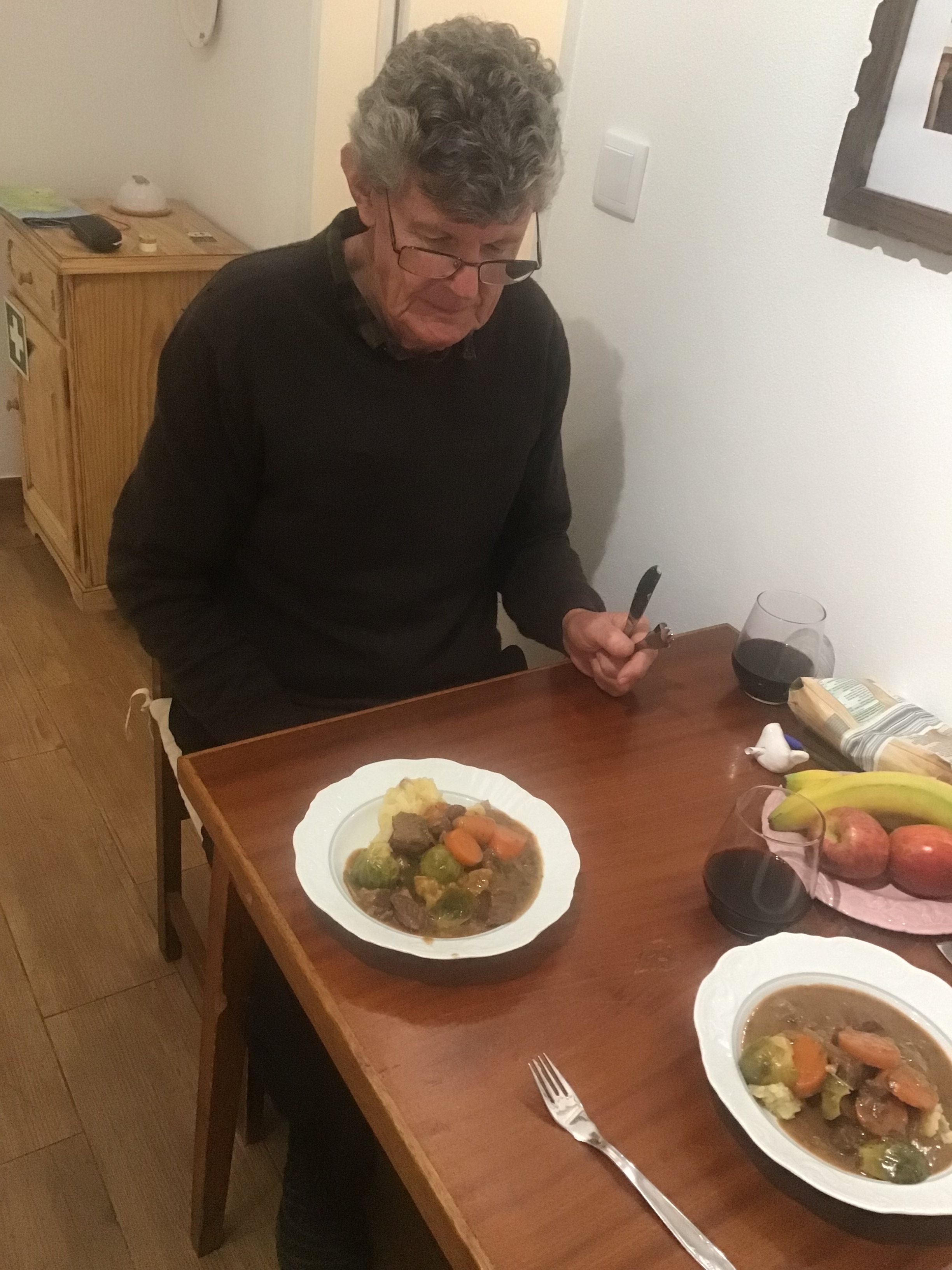
Dinner. Beef stew, with carrots and Brussels sprouts, accompanied by a potato and turnip mash.

Tavira #6

Day 43. Sunday 20 April.

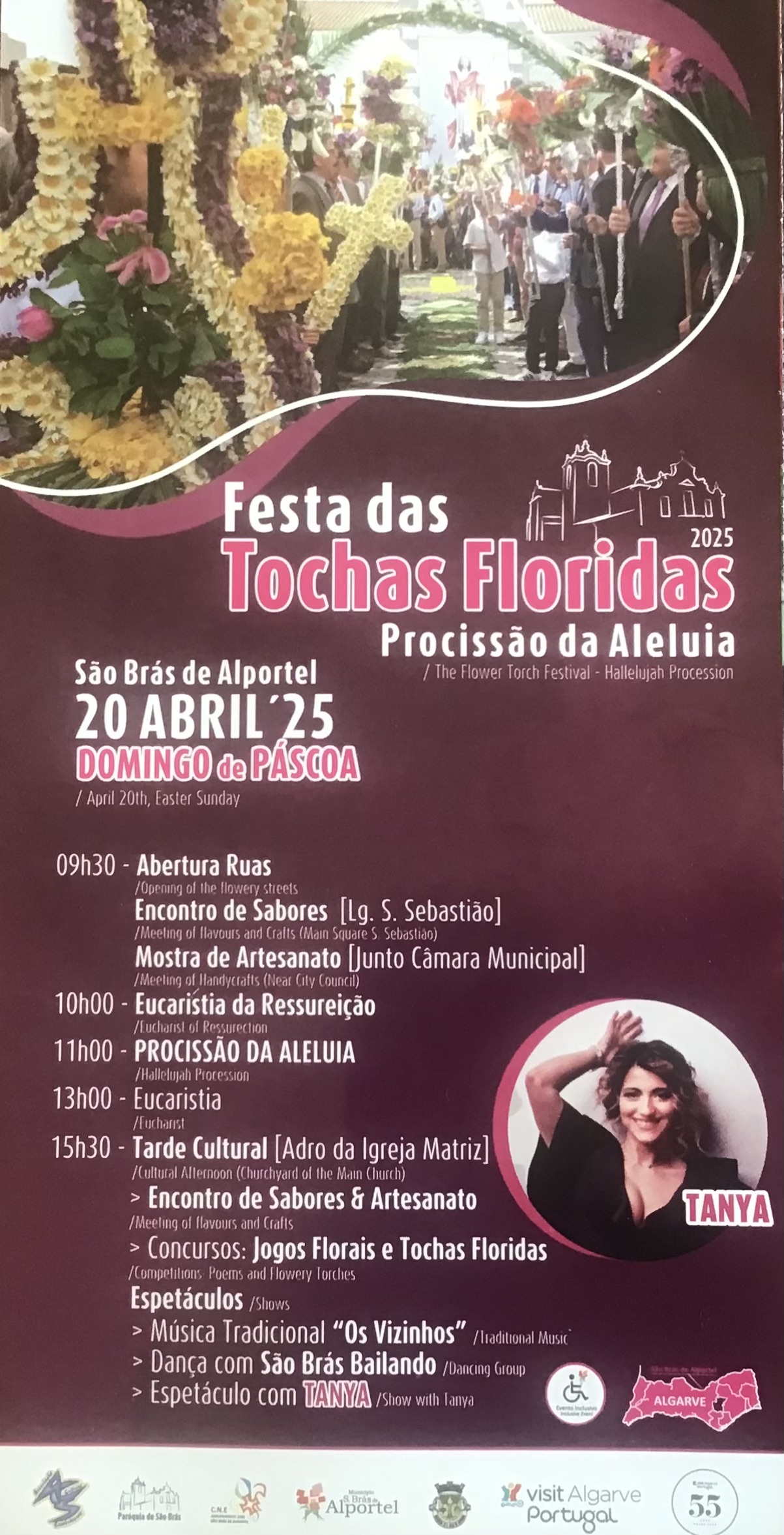
Alleluia! Easter Sunday. Over the first cup of tea, T googled to find listings for a ‘unique Easter celebration’…and found a flower procession through the streets in the neighbouring town, Sao Bras de Alportel. ‘Let’s do toast and go’. It was only 10 mins up the road on a damp morning, definitely not beach weather at 12 degrees.

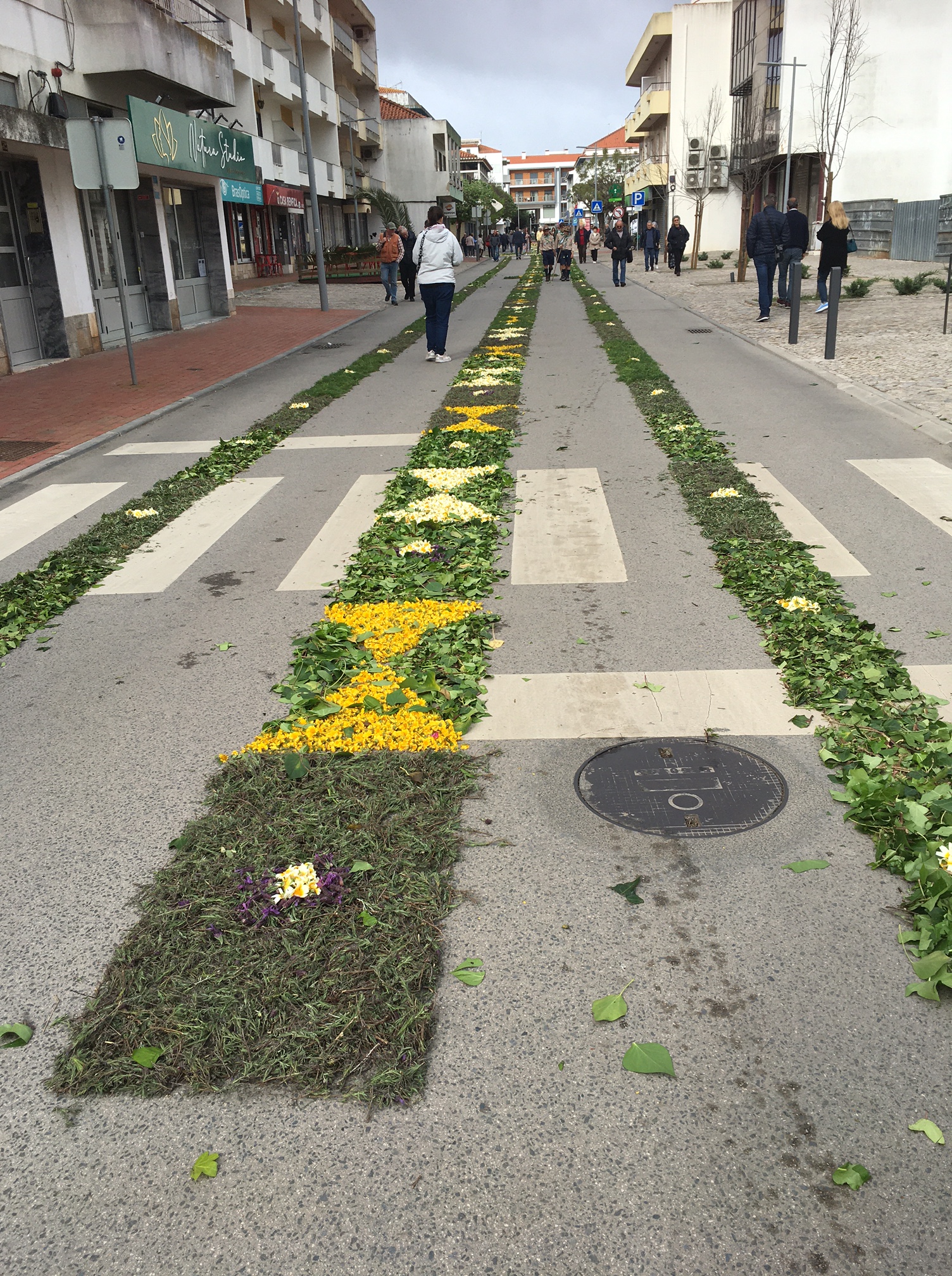
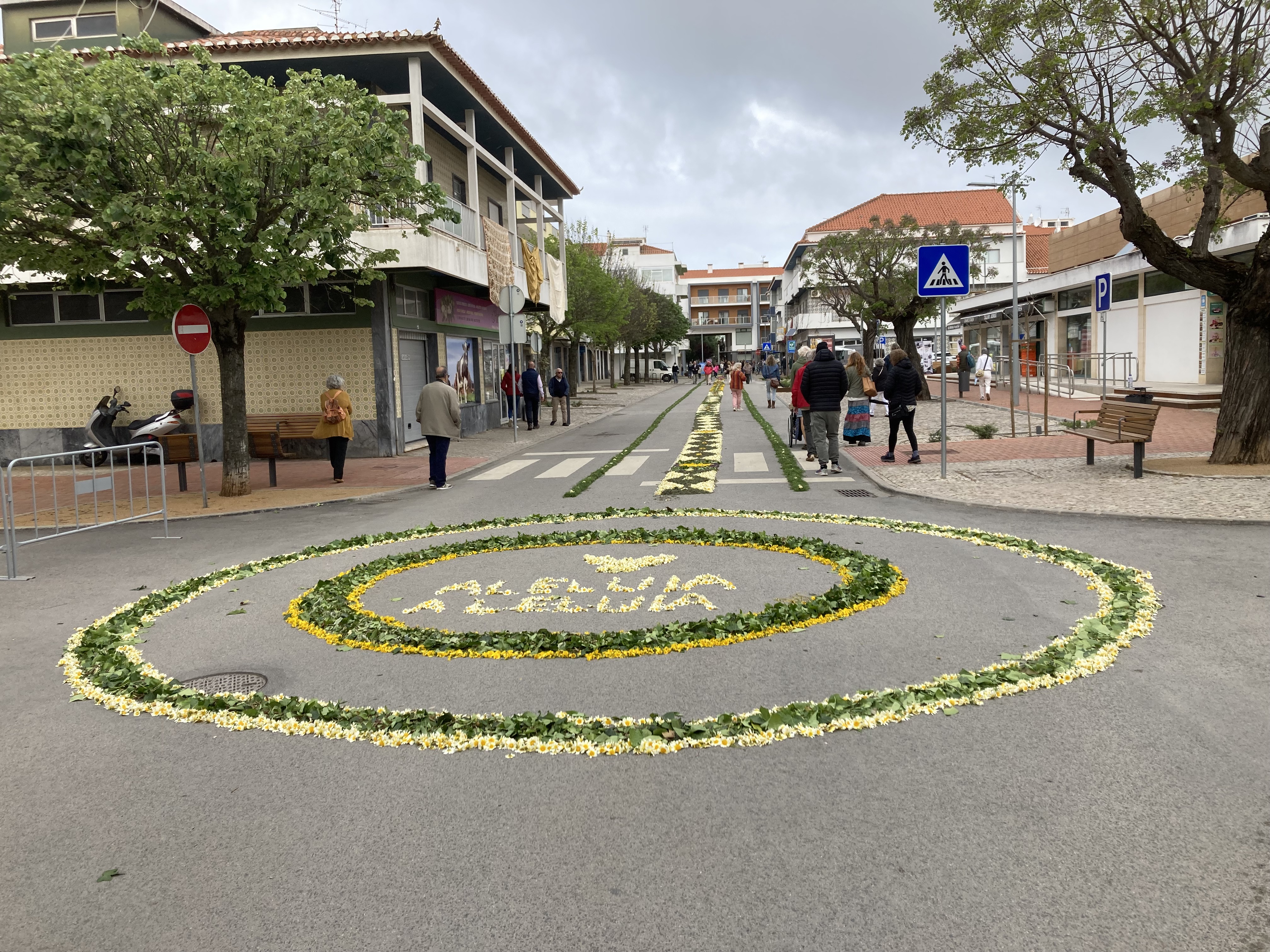
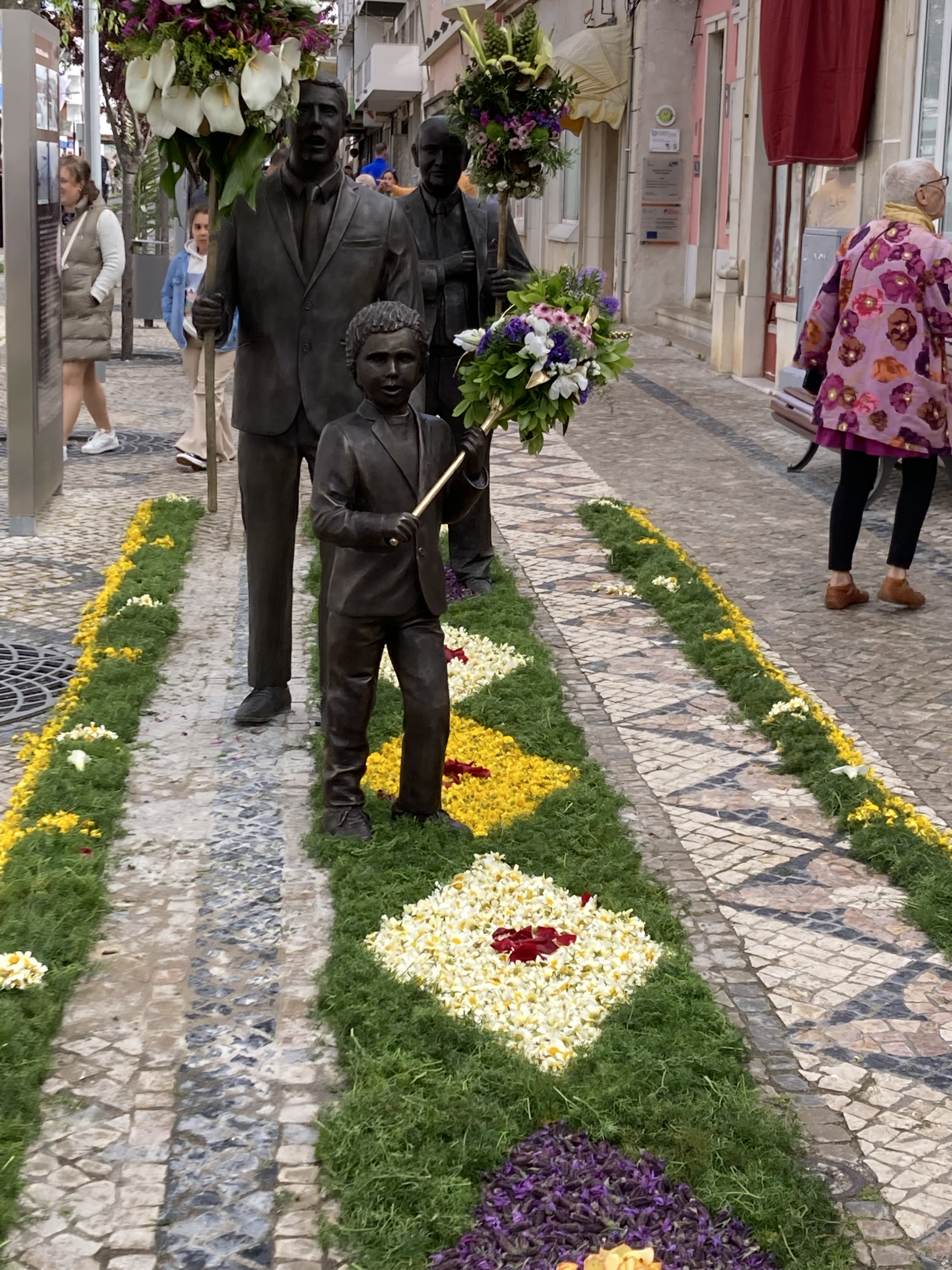
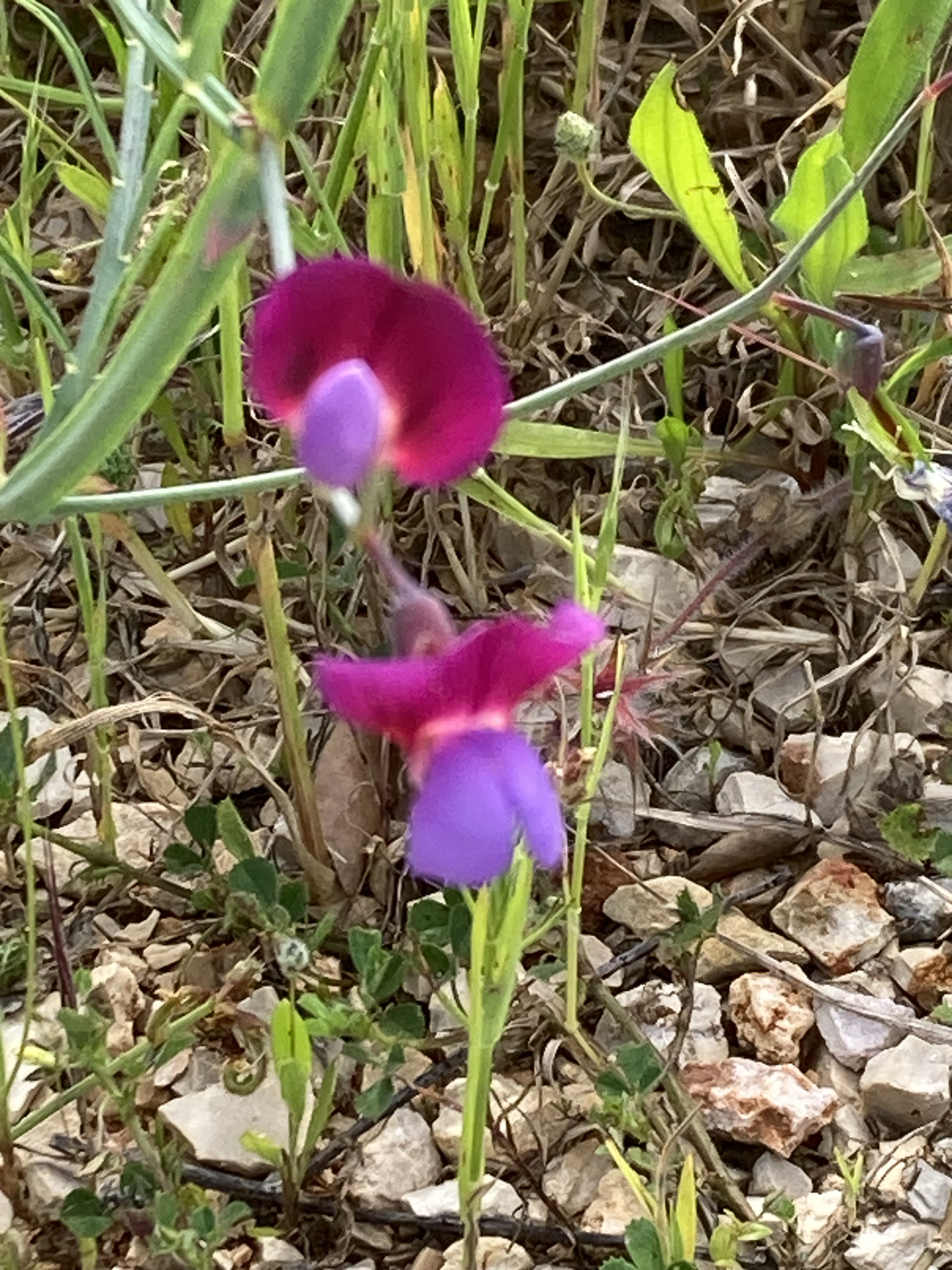
Arrived well before advertised start time of 1000 and followed others who we presumed, were going in same direction to town square.The streets bordering the town centre of the town were artistically decorated with around a kilometre of flower carpets, prepared by the community, a collective work that begins days before with the collection of spring wild flowers, gathered by teams of women from fields close by. The fields are indeed carpeted with daisies, rock roses, purple pea blooms and others – wild fennel, lilies and so on. T overheard a conversation about how and when the blooms are picked (Good Friday),  stored in fridges and then laid out on the streets from 0400 on Easter morning. It’s a huge task and clearly, prayers are said for good weather!

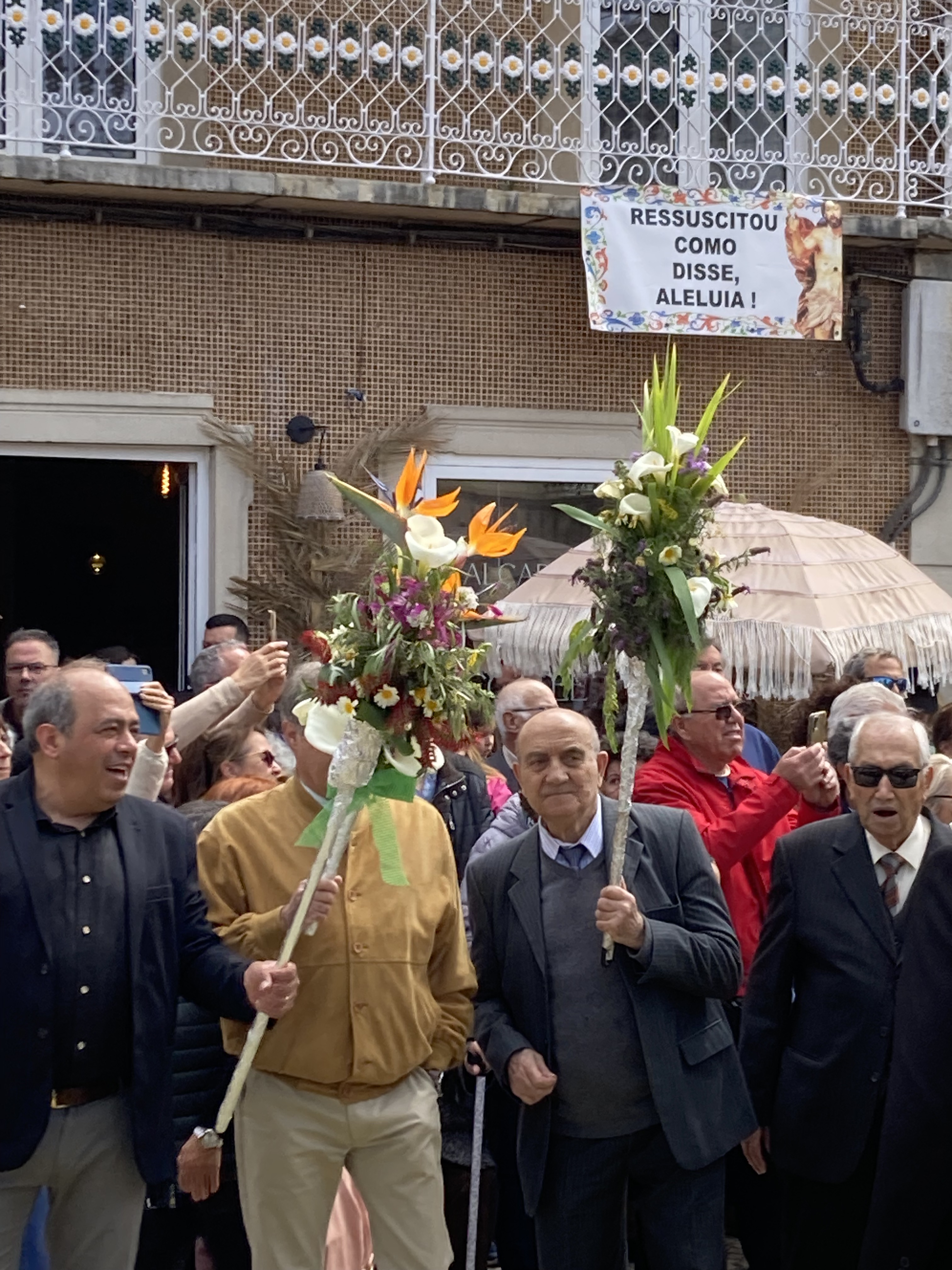
Crowds gathered at town square (thousands of people), there were barricades at several points and for nearly two hours people waited for the procession to begin. Again, T overheard women who’d been part of the flower collection teams telling a family visiting from Ireland that of course the procession wouldn’t start on time (1100) because men were in charge of that! The women were obviously British expats who now live in Sao Bras (a town where there’s no stress…that’s why people age so well). They explained further that the procession of ‘flower torches’ is an all-men thing – women are only involved in gathering the blooms. 

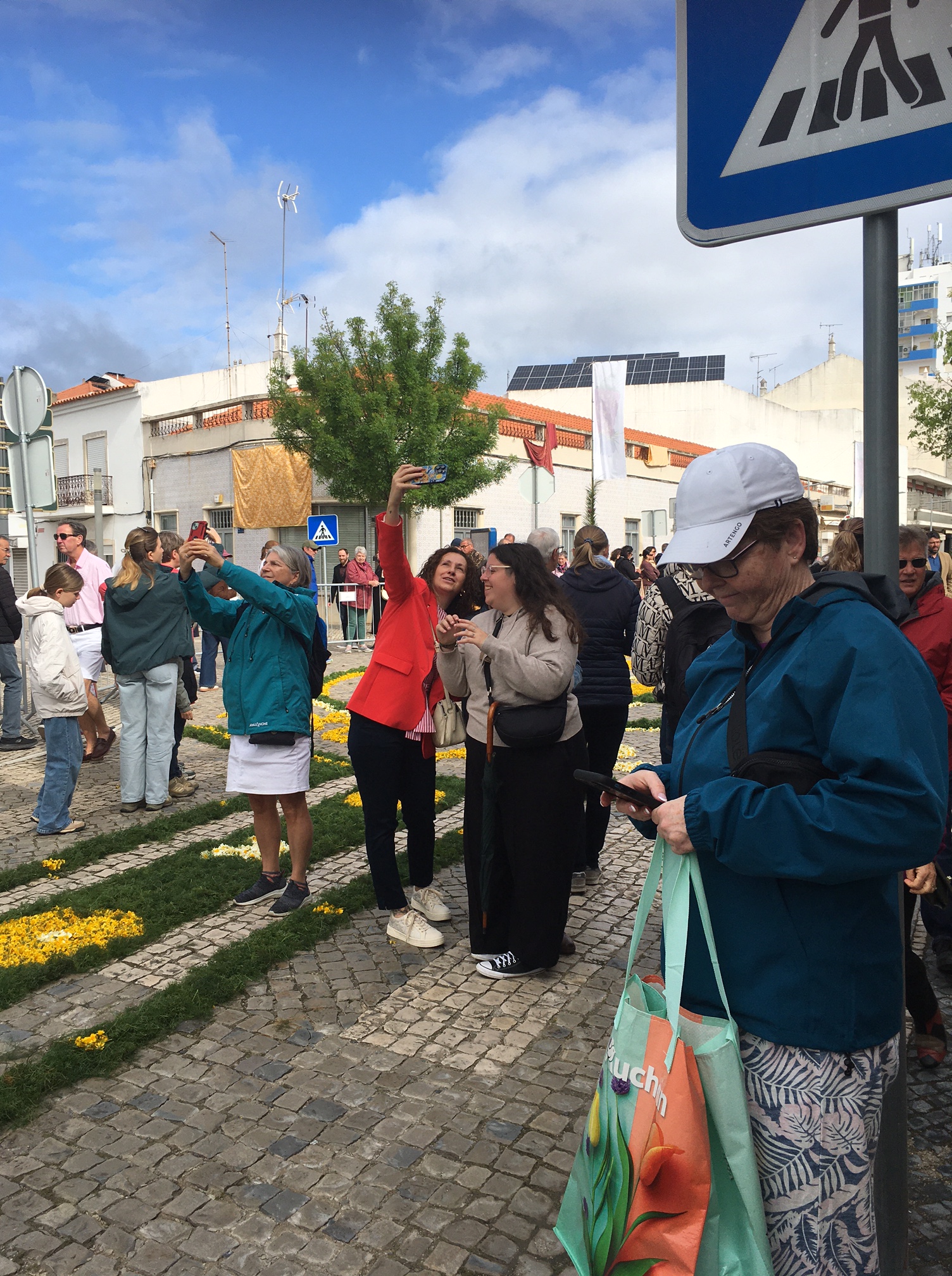
 Although quiet enough when we arrived, a clear photo was almost impossible, as no sooner was it framed than someone moved in front to get their shot. There was an amount of silent cursing, in a way inappropriate for such a day.

The festivities begin at 9:30 am, with the opening of the streets to the public. At 10:00 am, in the main church, the Eucharist of the Resurrection is celebrated (we didn’t attend this one), followed by the long-awaited Alleluia Procession at 1130, which goes through the flower-filled streets to the sound of the traditional hymn: “He is risen as he said! Alleluia! Alleluia! Alleluia!” Well, that’s the official timing. The procession didn’t start on time for two reasons: firstly, it’s Portugal, and secondly many of the men had been drinking since the early hours (so the rumor went) and were more than a bit late getting to the start position.In fact, the pre-procession of men carrying their elaborate (or minimalist) flower torches as they headed to the start point was a double treat.

More and more folk arrived, taking up positions along the route – and jostling for a better one. Photography became even more problematic now because everyone had their cameras/mobiles aloft for that winning shot, so there were lots of photos with crowd heads and mobiles in them! Umbrellas opened and closed, there were tense dialogues between short and tall attendees (“I can’t hold it higher, see the length of my arms”…body language said it all!) and of course, there were the selfies. The torch bearers passed and the chanting became rather competitive, a bit like the Kiwi haka, or other  similar ‘religious practices’ at footy in Oz.

Meanwhile, in the quieter part of the town square, the Easter cake sellers were protecting their goods as the rain showers came and went. Indeed a very different Easter celebration.

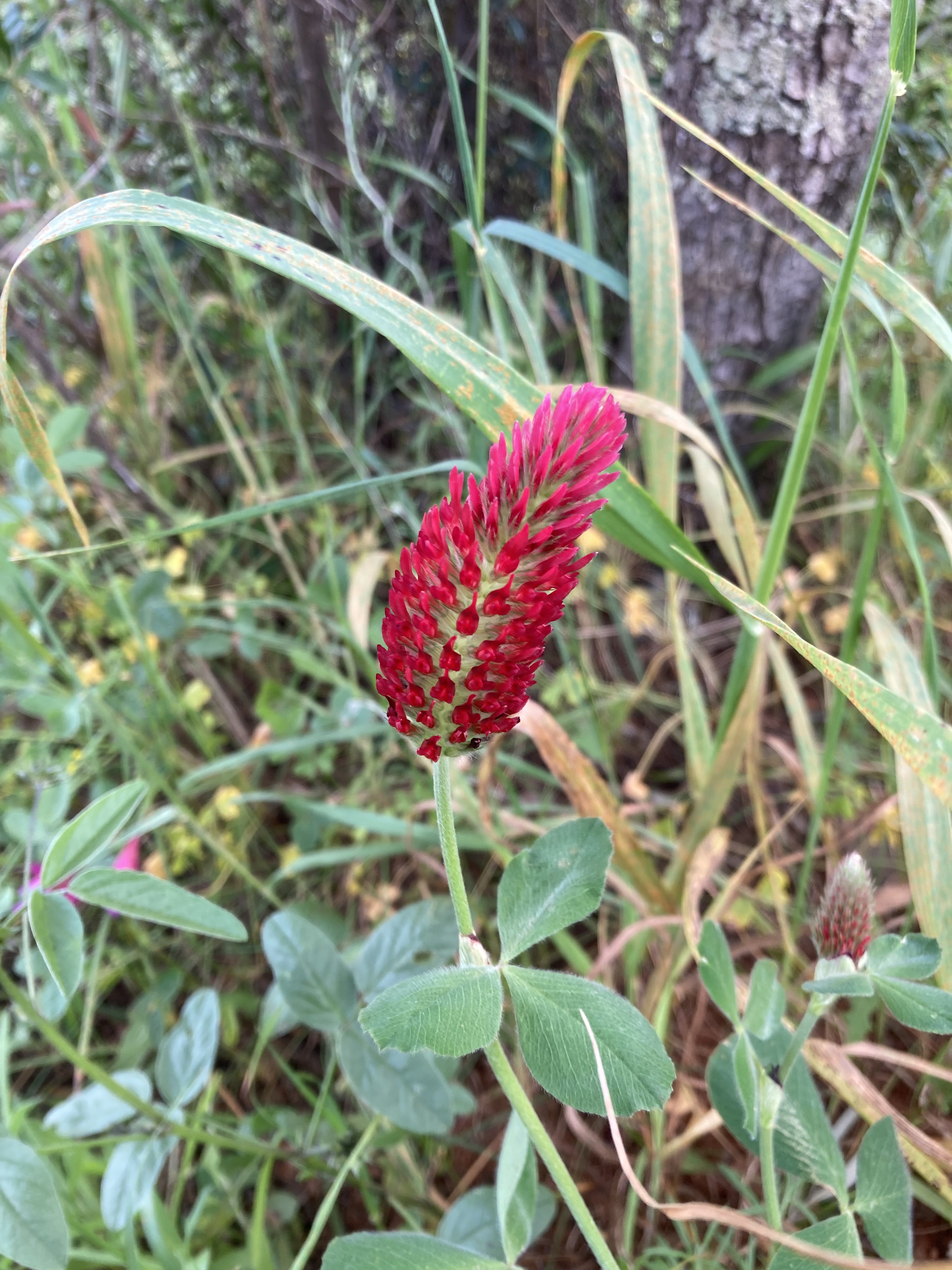
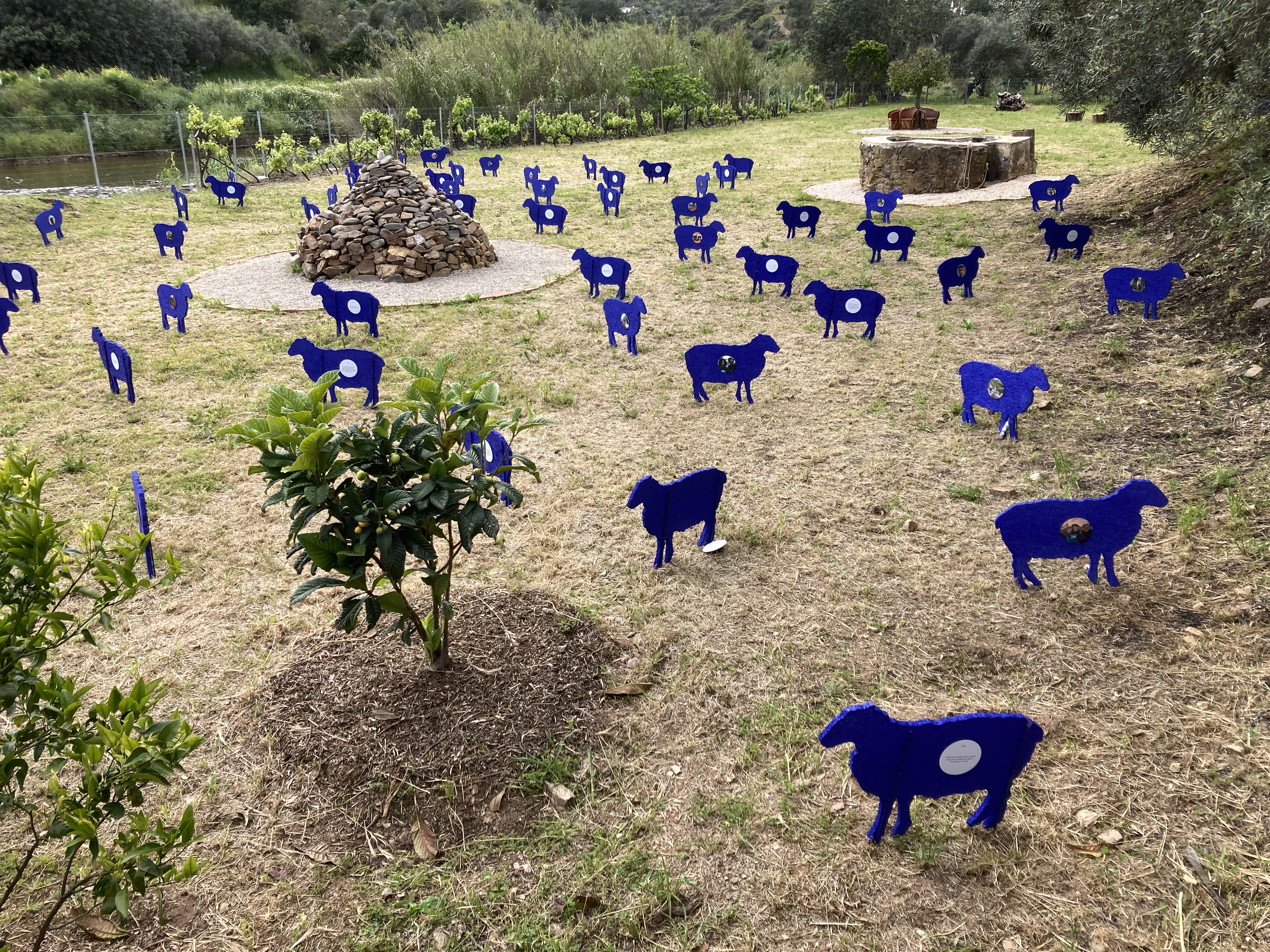
After a quiet afternoon, took a circular stroll of a few kilometers around our local area, chatting a couple of times with locals or other visitors, and enjoying the abundant wildflowers, many of which were familiar. One of the fist sights we came across was a field with cutouts of blue sheep: we learned from a guest of the house that there were 70 of them, representing each year of a birthday being celebrated. Each one had a photo on one side and a text on the other, in a glazed ceramic.

We later again came across the water fountain, later explained by two Portuguese men, seemingly father and son (with a grandkid throwing rocks into the river) as a community water supply derived from fresh water from the hills. Absolutely drinkable we were assured by the two: who aren’t from around here. Not about to test it.

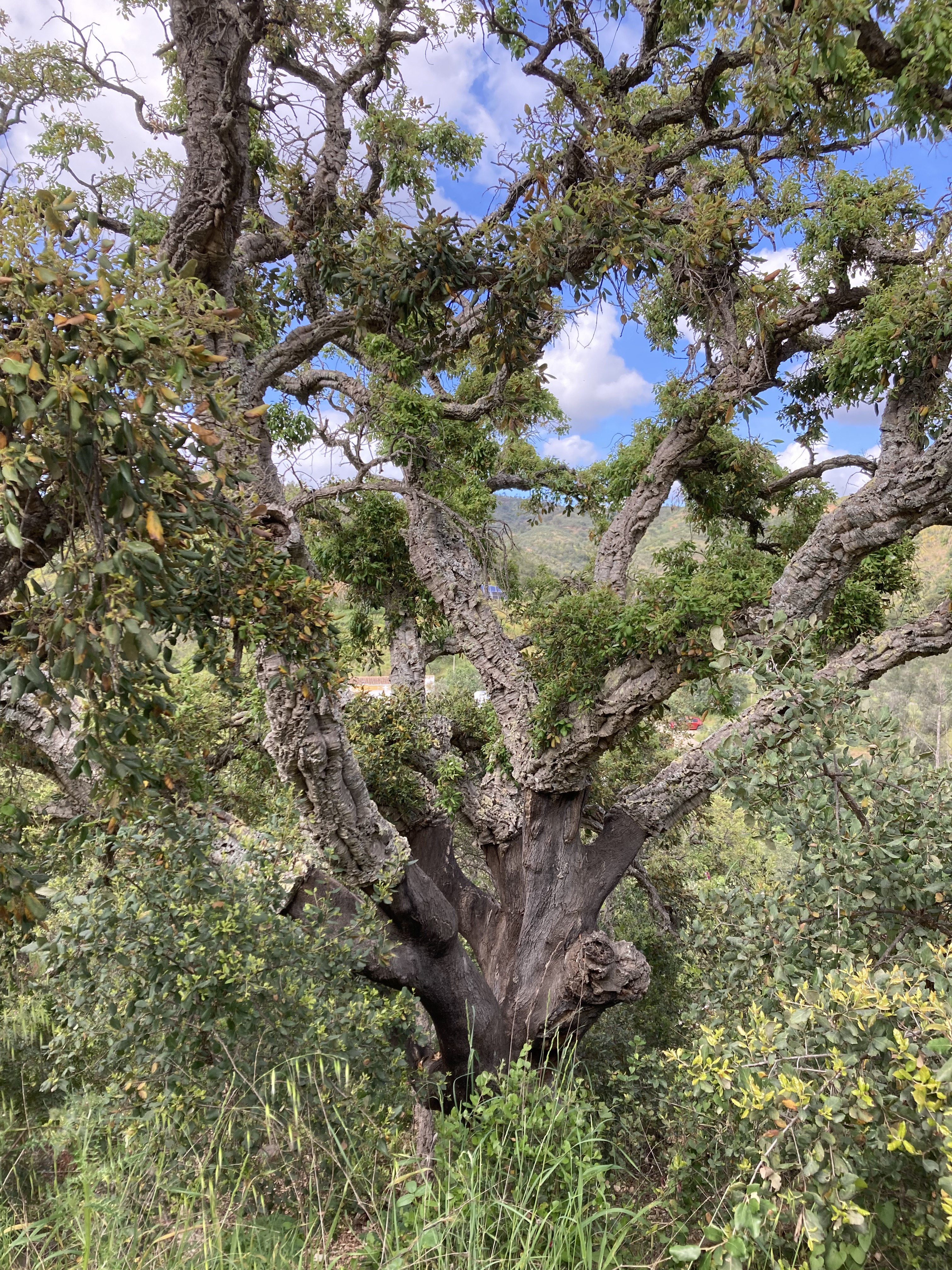
T had wanted to find a cork tree walk…well, here it was in our backyard!

The afternoon finished in glorious sunshine (maybe at 1700 folk were on the beach, but our little garden beckoned with tempura tapas and time to light the fire. An Alleluia Day!

Dinner. Tapas: Tempura vegies – broccolini, button mushrooms, peixinhos da horta (flat green beans). Secundo: Leftover chicken with cous cous, cumin, brocolini and red capsicum. No potato.