
Day 8. Saturday 15 March.
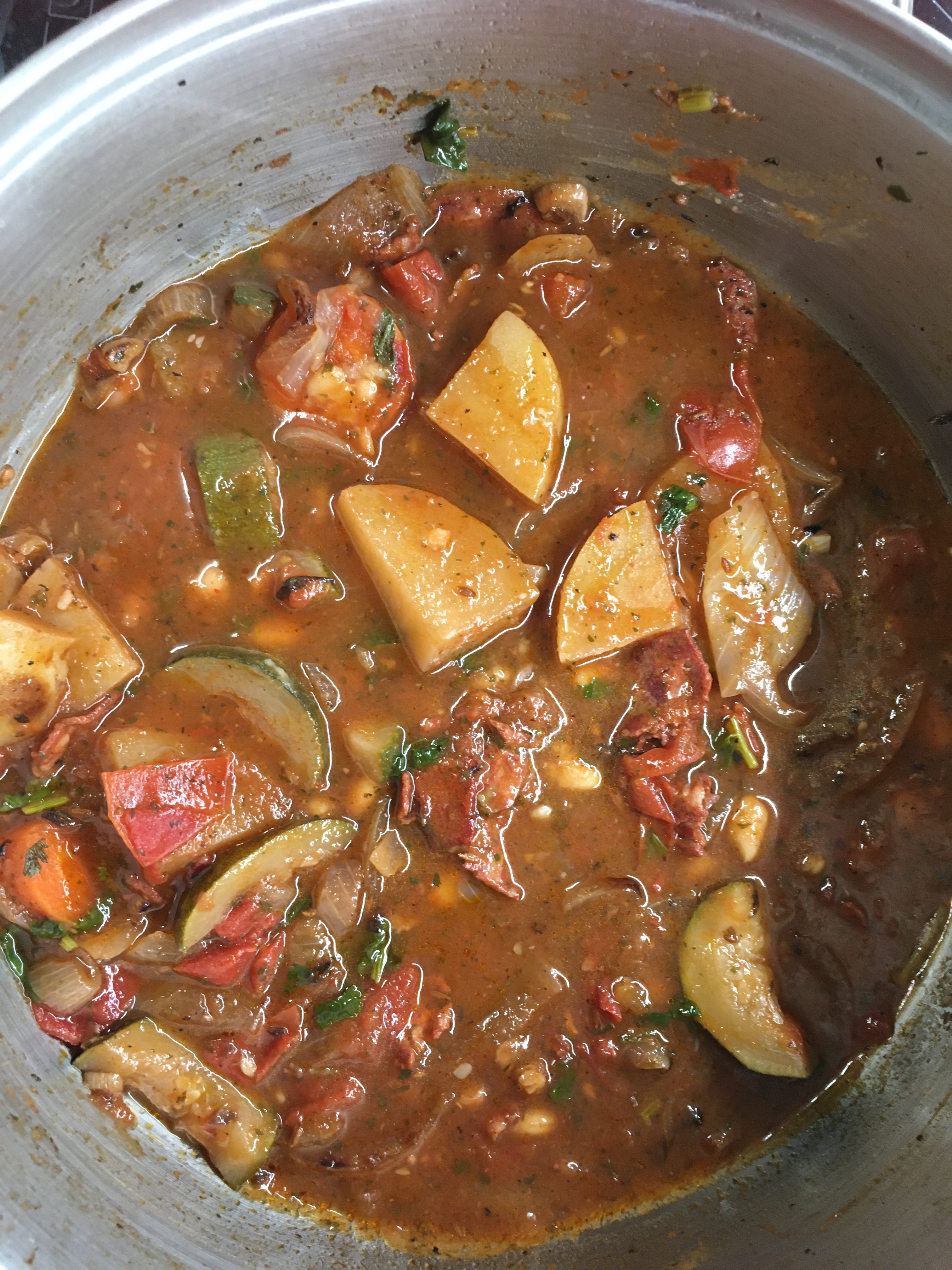
We’d booked the Toledo Completo tour, which left at midday (we had to assemble at 1130) so the morning was relaxed. T cooked up a hearty soup to be ready for our return around 9 PM.
At our meeting point seven of us boarded the 45 seater bus – this was going to be really comfortable. That didn’t last long – one stop further along the bus filled pretty much to capacity.
About an hour to Toledo which many passengers used to catch up on some sleep. As well as high rise apartment complexes, particularly within the city bounds, we passed ‘villages’ of a common building style: two storey maisonettes, not dissimilar to the ones we lived in in the UK in 1982.
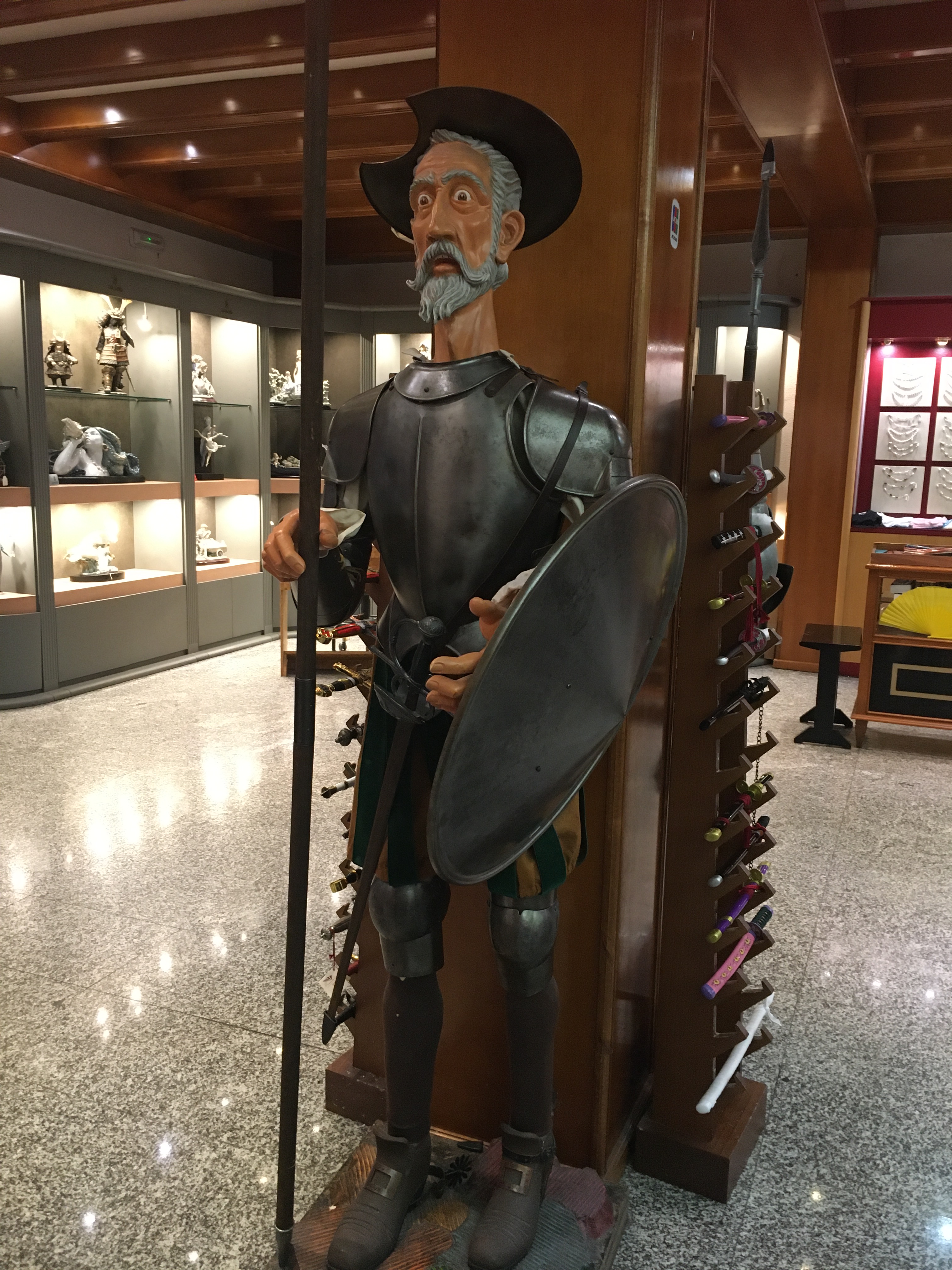
Toledo’s first stop was the mandatory visit to a damascene workshop, demonstrating the working of Toledo steel swords and knives and the art of damascene, the inlaying of gold threads into a base of oxidized steel. The patterns are etched into the metal, and the thread (so thin it is barely visible) is worked into the rough edges. Nothing bought but there was an eye-popper that tickled T’s fancy.
The focus on Toledo was about seven significant sites, that we would visit on foot. First up: the Iglesia San Tome. As was to be the case throughout the visit, locating was a bit of a challenge: the maps were too little detailed and more an approximation than an accurate picture and the cobbled streets & passageways wound up & down & all around. We had two maps, and by combining them, managed to avoid getting too geographically embarrassed!
On route, D found a hat store, and came away hatted.


Our first site was the Iglesia de Santo Tome is located in historical center of the city of Toledo. It was founded in the 12 century, constructed on the site of an old mosque of the 11th century. This mosque, as well as other mosques in the city, were used as Christian’s churches without major changes. Toledo appeared proud that the three major religions had historically co-existed.
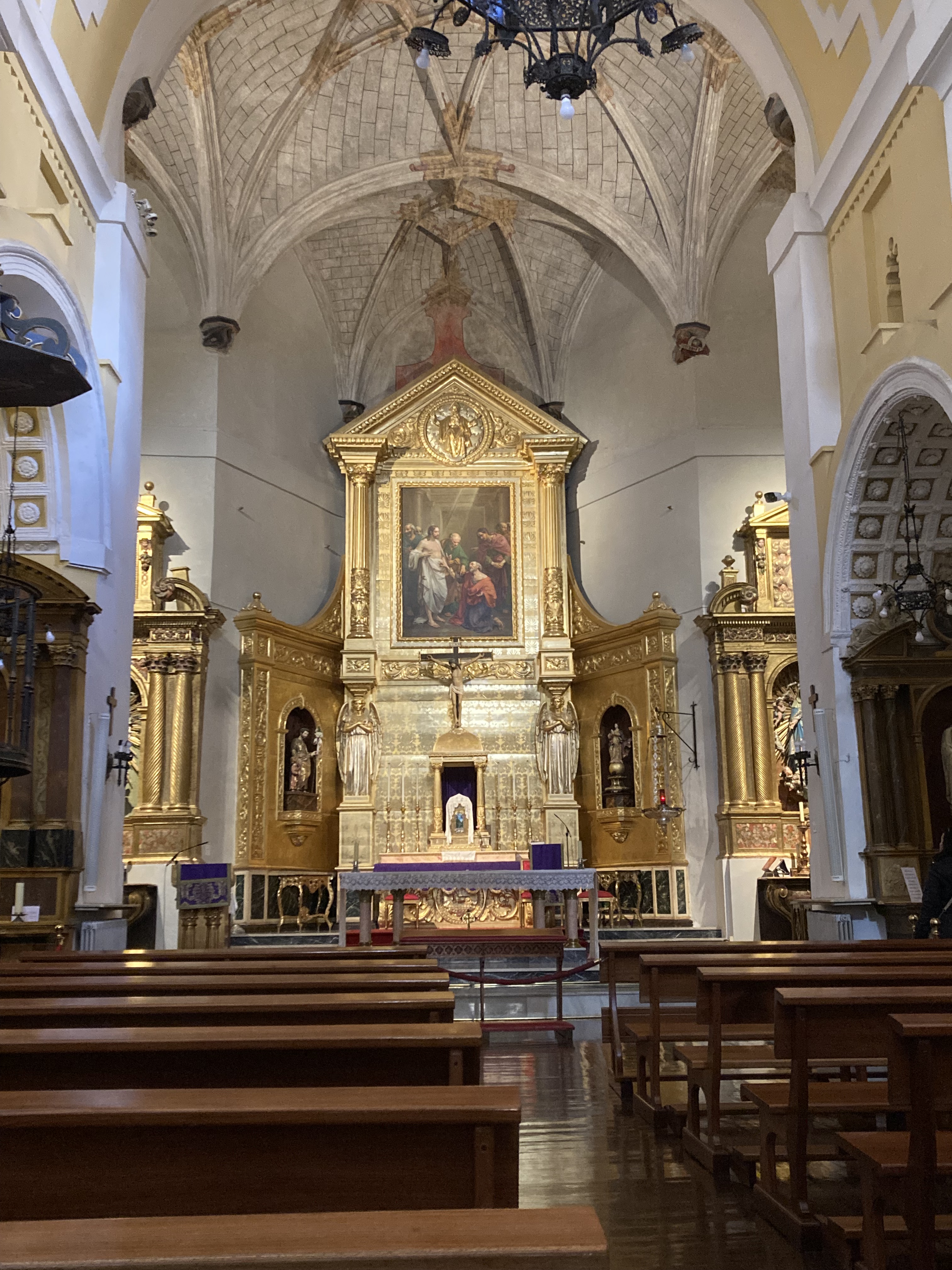
The church is, however, mostly famous for the painting by El Greco in 1586 to commemorate the death the Count of Orgaz, who had contributed generously to the rebuilding of the church, bequeathing an annual donation for the upkeep of the church and the poor. T was completely wowed by the figure in the white robe.


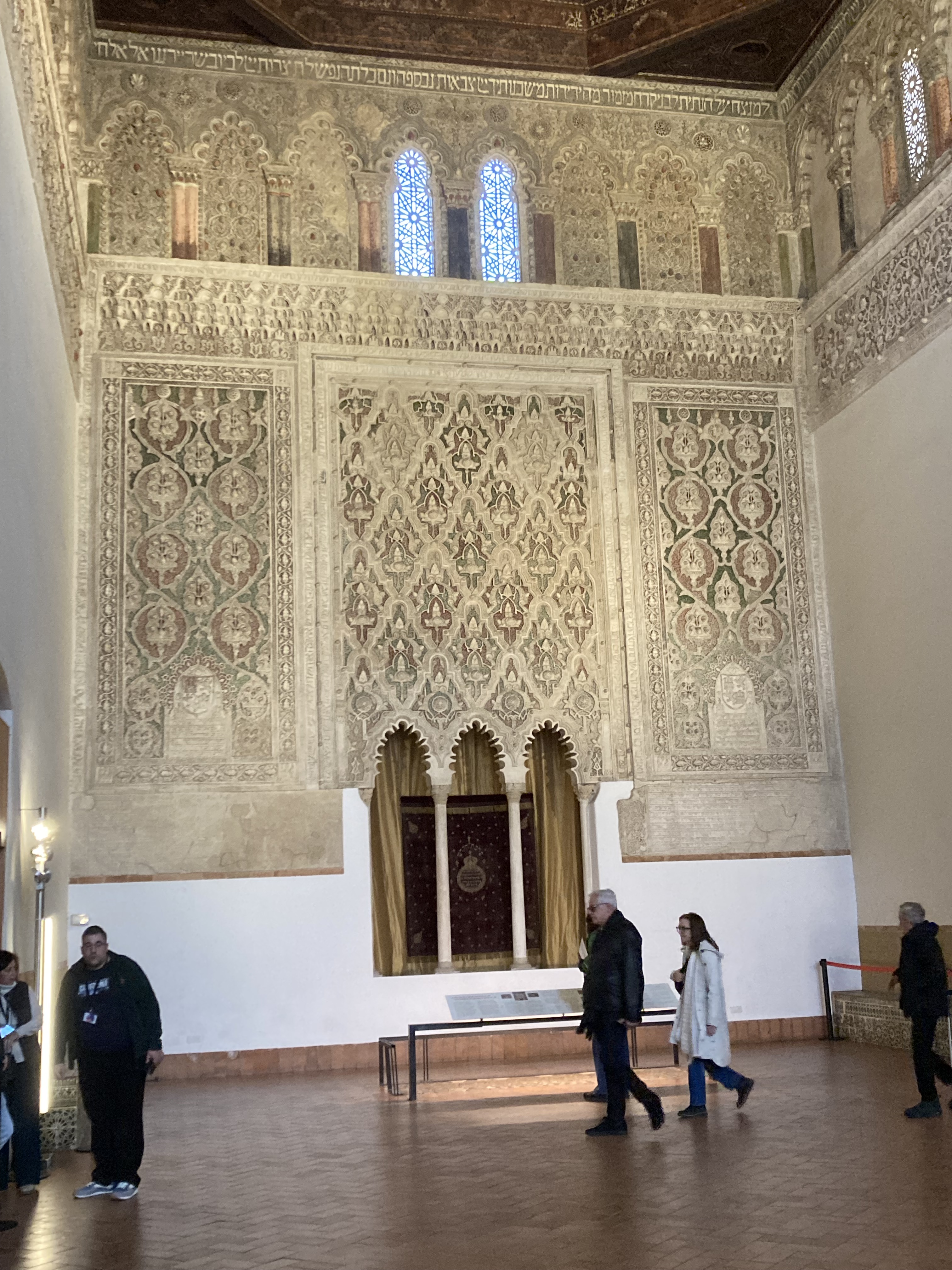
Next stop was the Sinagoga Santa Maria la Blanca, a building that had several ‘owners’ over the centuries and the only building that had significant security, and a screening in place.We learned later that the security has been installed only in recent months (and fortunately there have been no incidents). This was the main synagogue in Toledo’s Jewish quarter, dating from the late 12th century. It ceased being a synagogue in the 15th century and was converted into the church of Santa Maria la Blanca. This was the simplest of the buildings we visited. The walls had lovely ceramic tile decorations, with the stucco capitals decorated with intricate swirls, sashes and pine cones, the latter being a symbol of the unity of the people of Israel. The rooms to the side of the main room contained explanations of the history of the Jewish population of Spain, and of the Jewish religion. It was very comprehensive, we needed a whole day to do it justice and take in the story of Jewish Spain.
1610 was the meeting time with guide Noya for the tour of Catedral Primada. Our tour group was just 4 :two fellow tourists, a mother and adult son from Chile. They didn’t know Iris.

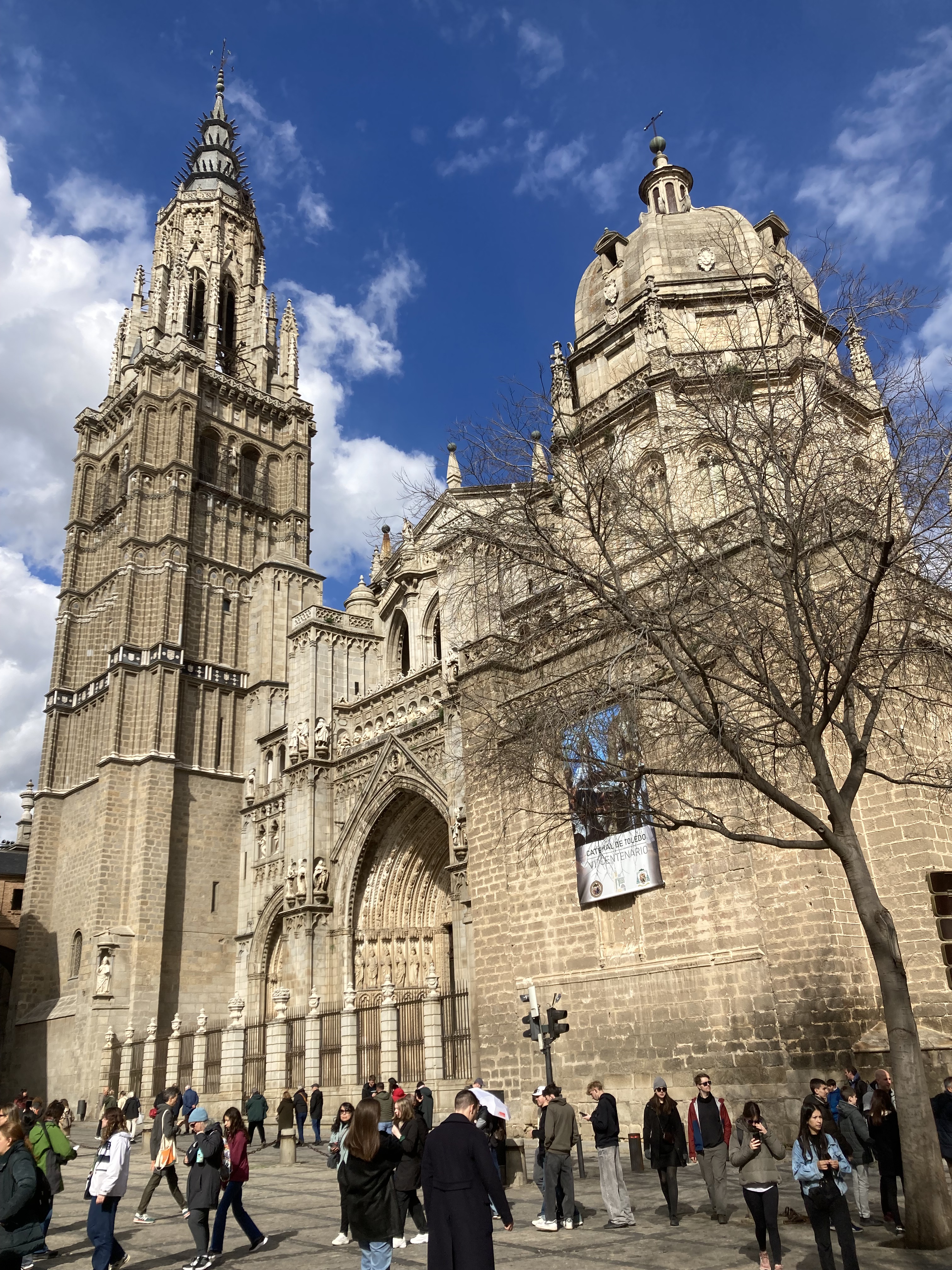
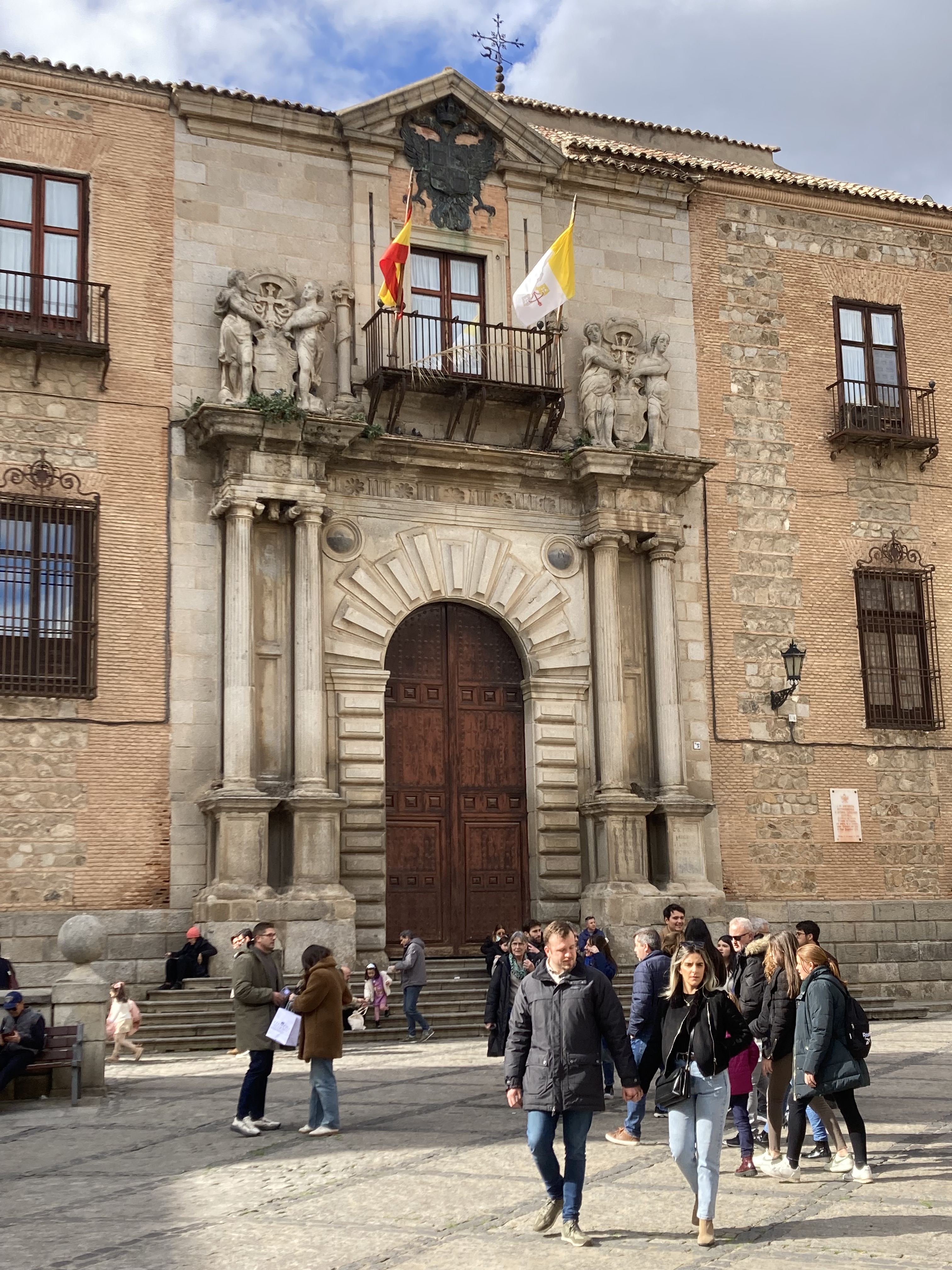
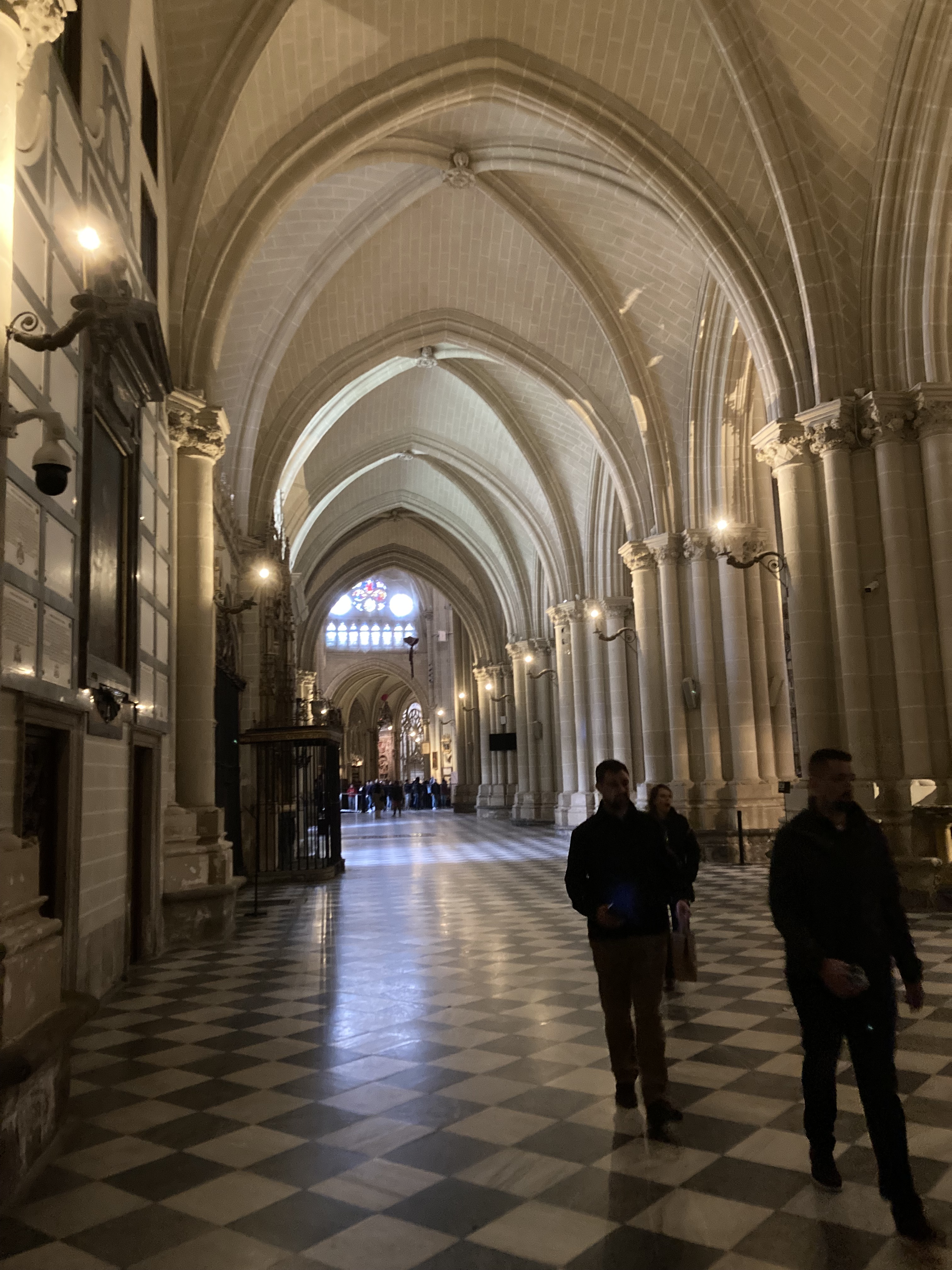
The cathedral dates back many centuries,from 1226,changing from a Muslim to Catholic sacred site. High Spanish Gothic style, Renaissance, Rococo influences as it was restored/ renovated over 5 centuries.The second largest cathedral in Spain, the largest in Seville, is twice the size! Opulent+!!!
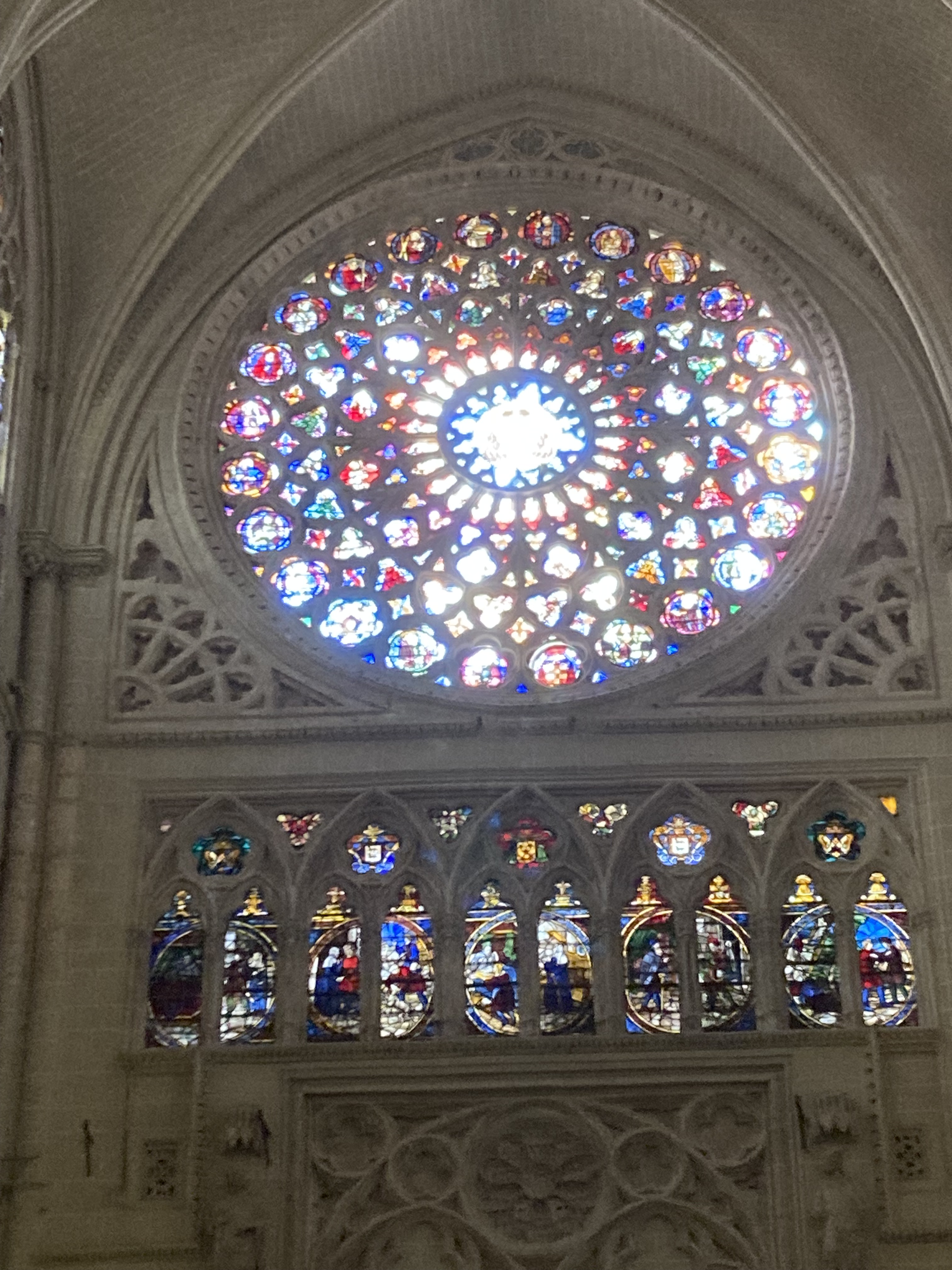
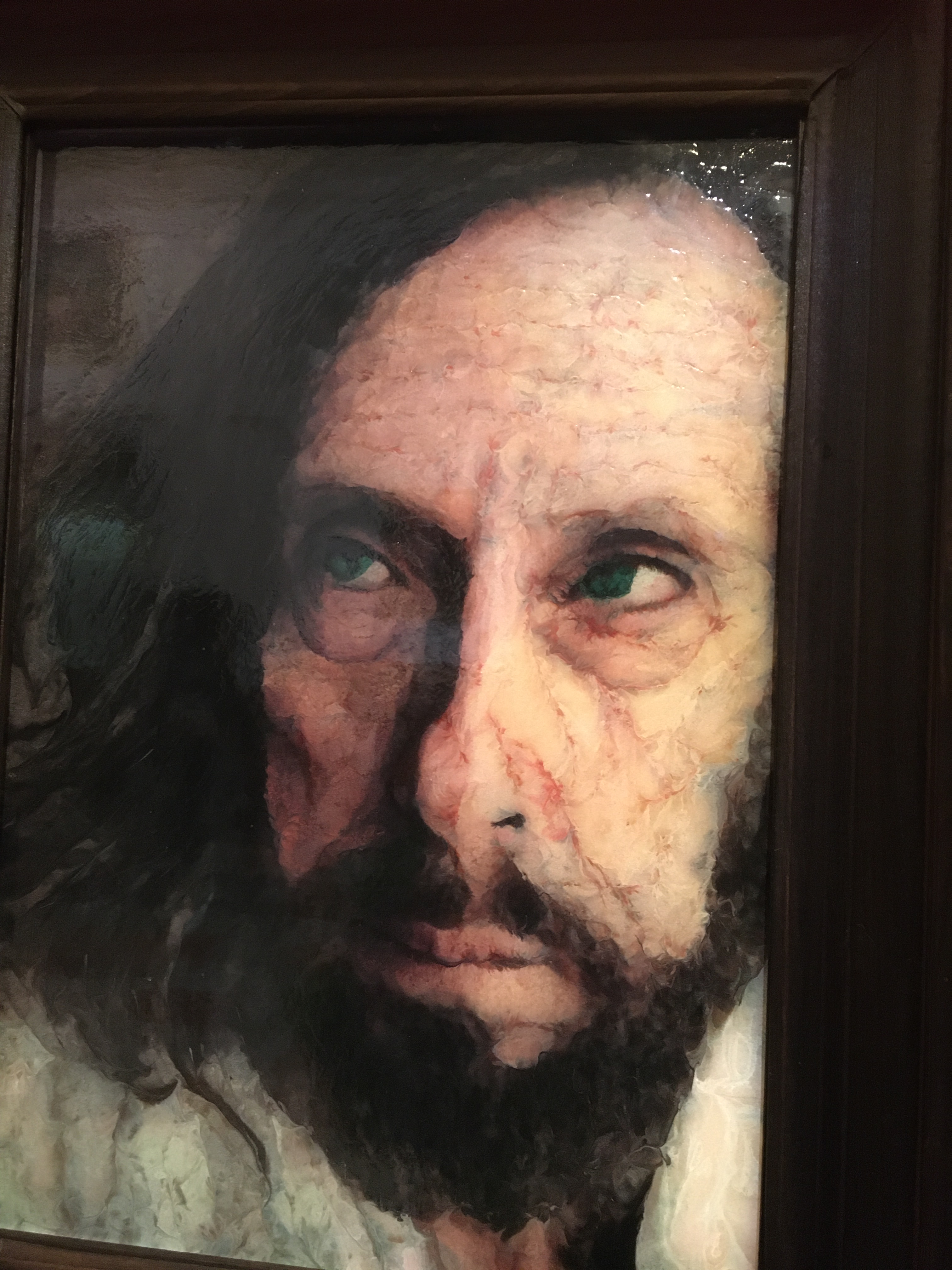

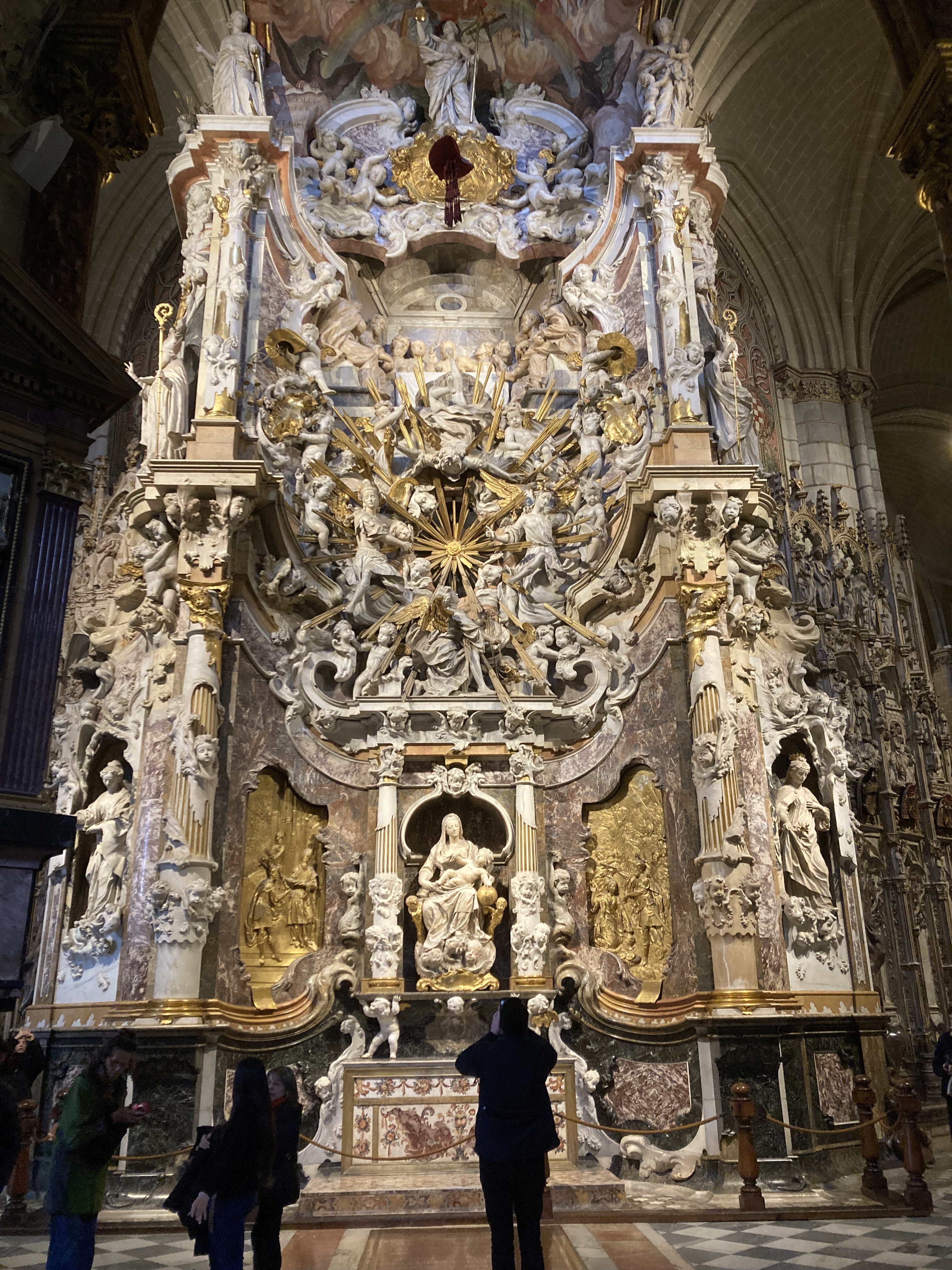
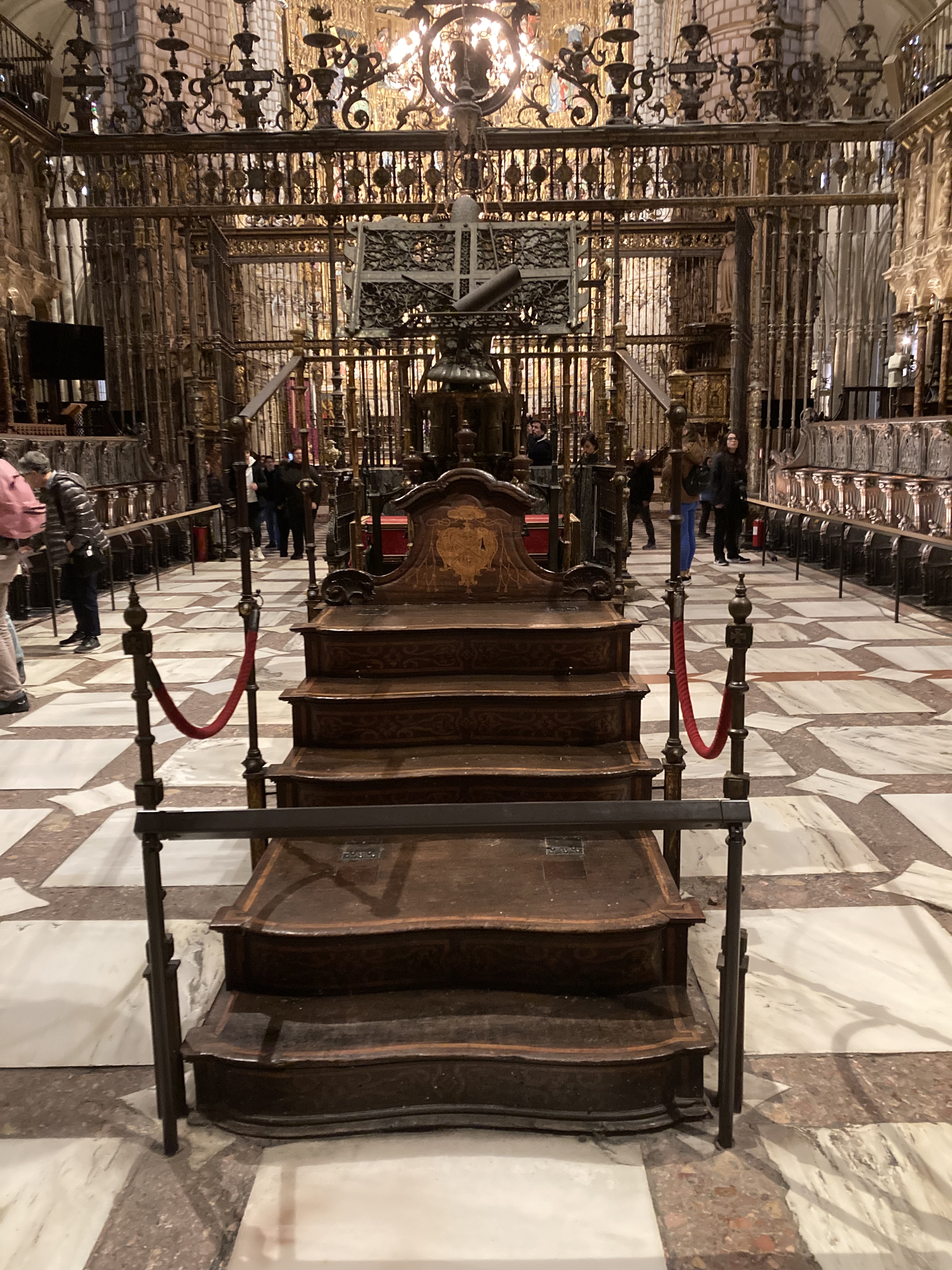
The choir section was fascinating: seats ( just 3 tongues, really) are designed to encourage the choristers to stand throughout. Interestingly, the conductor’s stand has its back to about a third of the choir, which would not suit some conductors we know, but the style probably would (and the school kids).


As usual after visiting such a sumptuous and grand building we came away somewhat conflicted about its role, civil & religious (and perhaps it’s contradictions) past & present – wealth and power versus the actual needs of citizens/ adherents.
After the Catedral we sought out the Museo de Tapices y Textiles de la Catedral, eventually finding it after much re-tracing. It was closed.
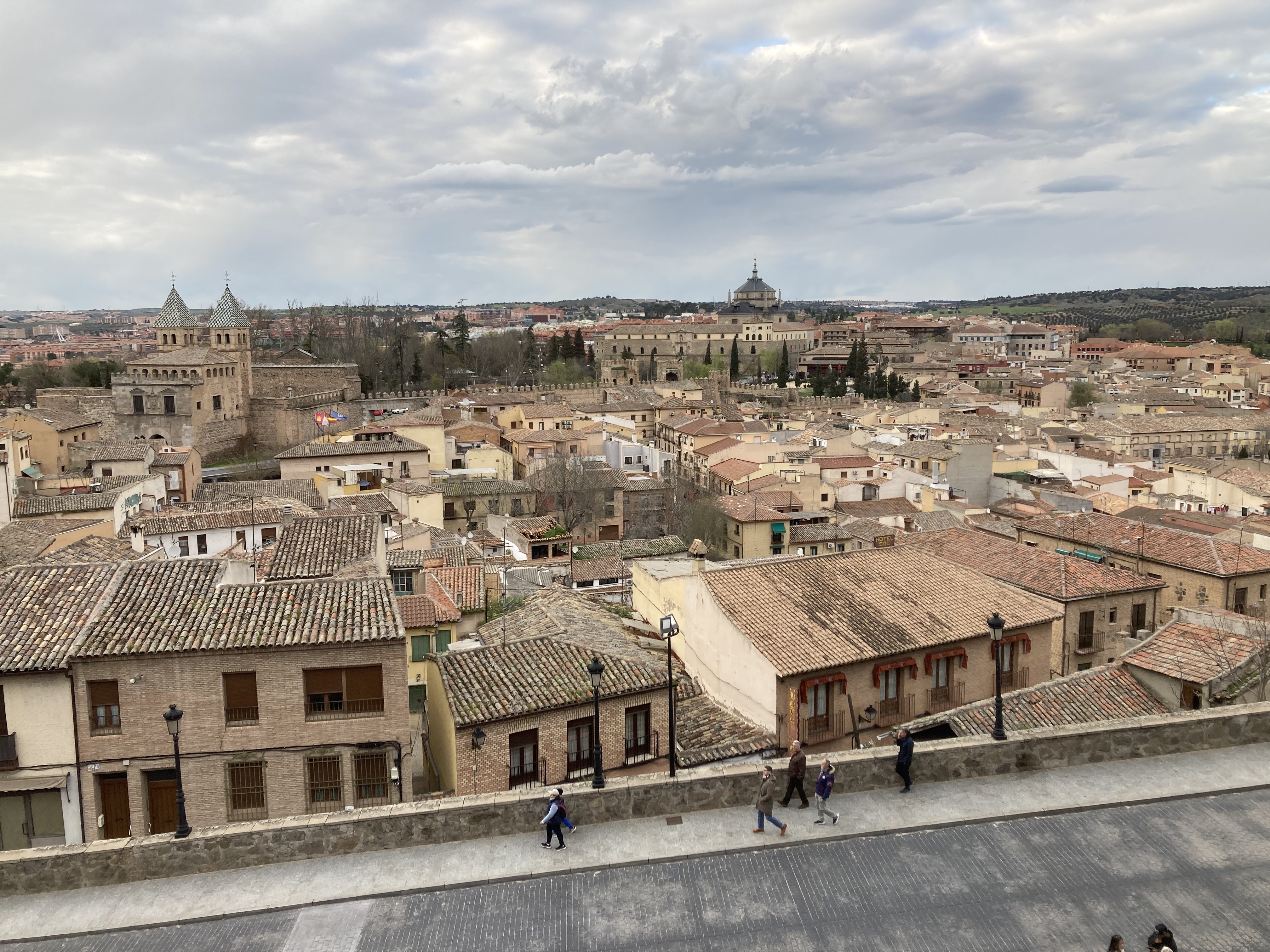
Our last stop, a bit rushed, before we headed back to the return bus pick up point was the Mesquita Cristo de la Luz. This building dates from about 999, and was originally a mosque. It was transformed into a church two centuries later. The building is surrounded by a large terrace and a portion of the Arab wall, with terrific views of the city below.

Magic Moment
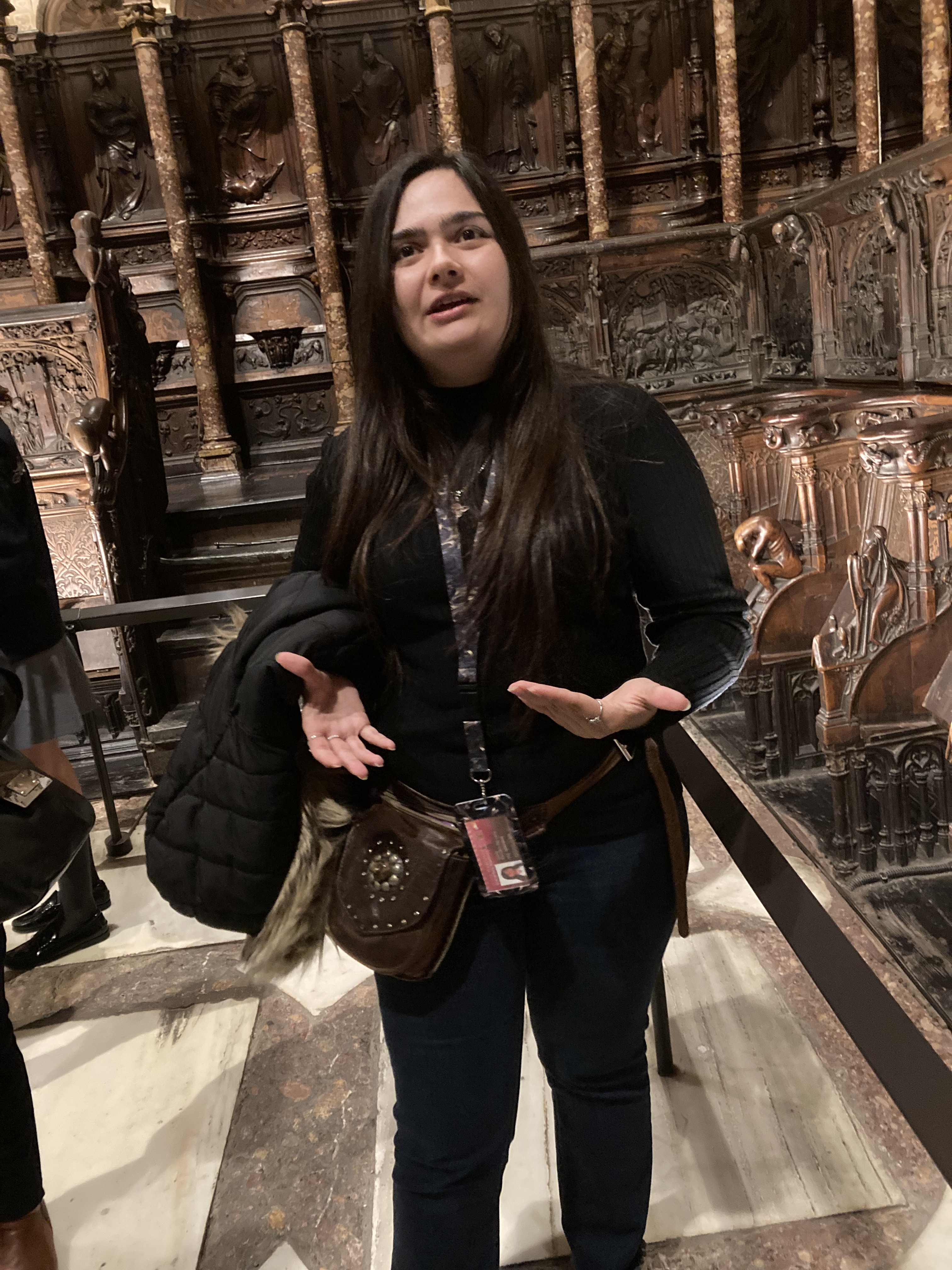
#1- Our delightful guide in the Catedral – and particularly when she laughed at our side play of getting out from under the cardinal’s hat (she had earlier explained that when a cardinal was buried in the cathedral his hat was hung high above the tomb stone set in the floor. When the string holding the hat finally gave way, whether the hat fell on the tombstone (heaven) or to the side (hell) determined where the spirit would go. If the hat hit you, it was the latter!)
Dinner: Chorizo Sopa (choritzo, gazpachpo, onion, garlic, parsley, cumin, potato (only one), carrot, zucchini) with Bardesano Rioja Crianja 2021
 Travels with and without Gloria