Gaudix #1

Day 23. Sunday 30 March.

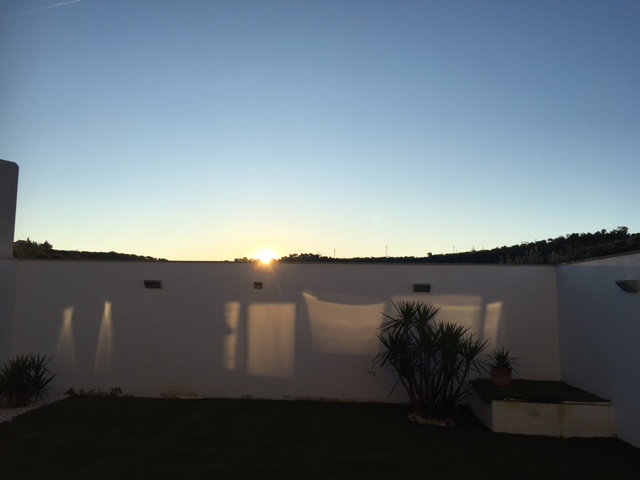
Sun came up a bit later today (start of daylight saving – we’re now on CET )…air very crisp.
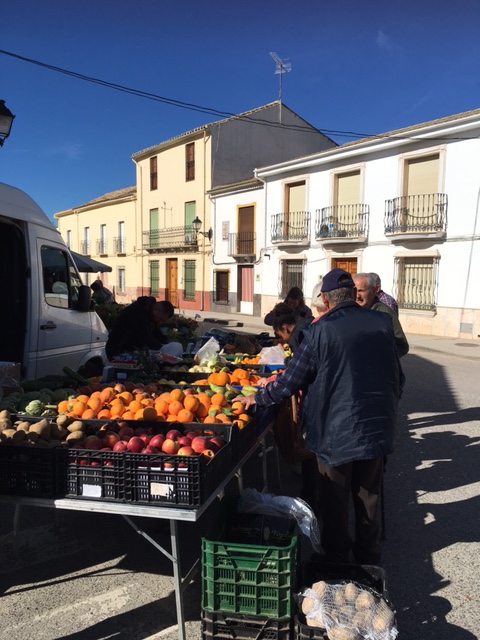
Got ourselves packed for departure & as we left came across Maria (host- Sara’s mum-in-law) in the little street market. She told us to come back next year & there were fond farewells.

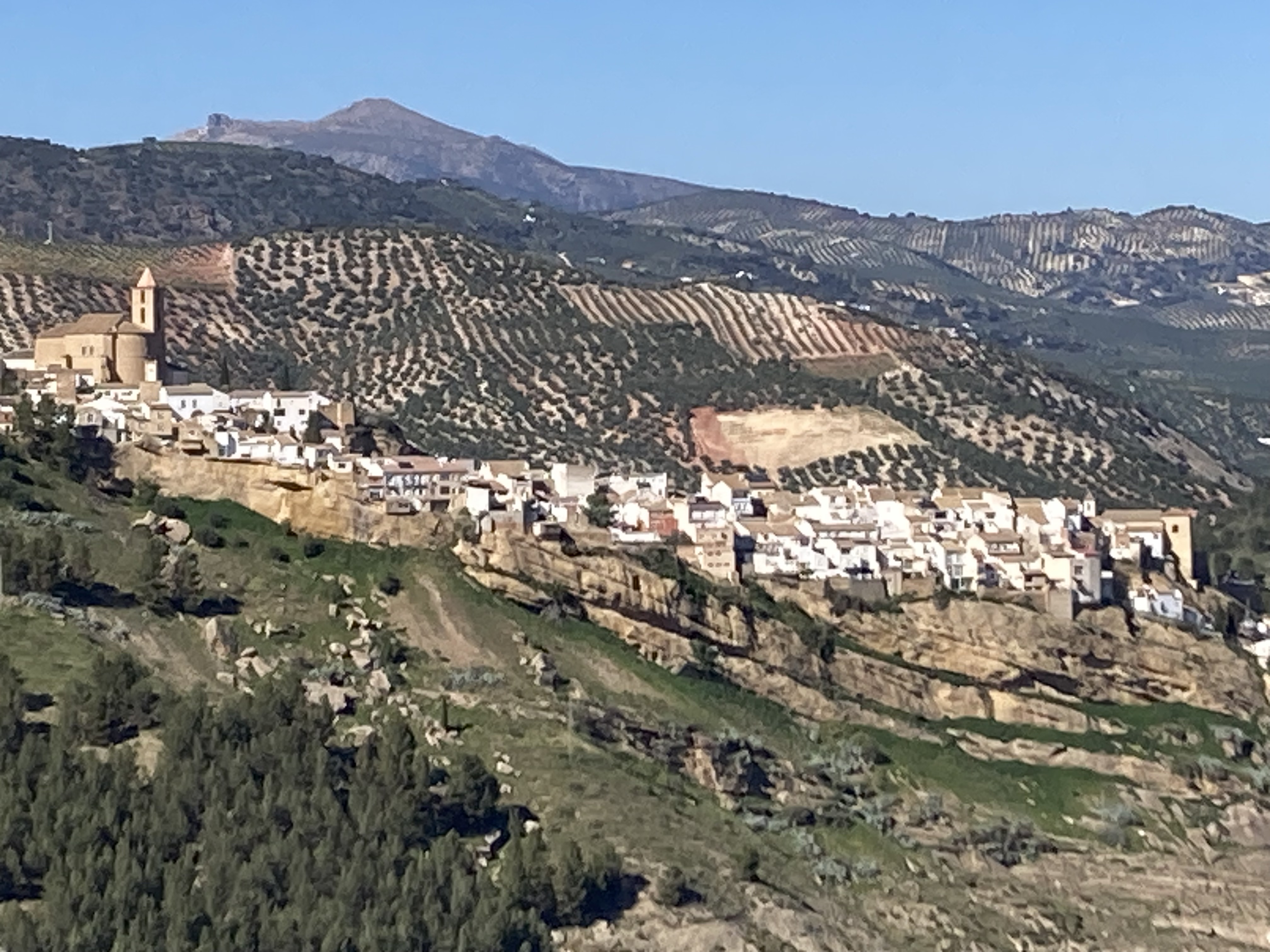
Today’s journey would be long….all of 100 km to the ‘cave town’ of Guadix, just east of Granada. 

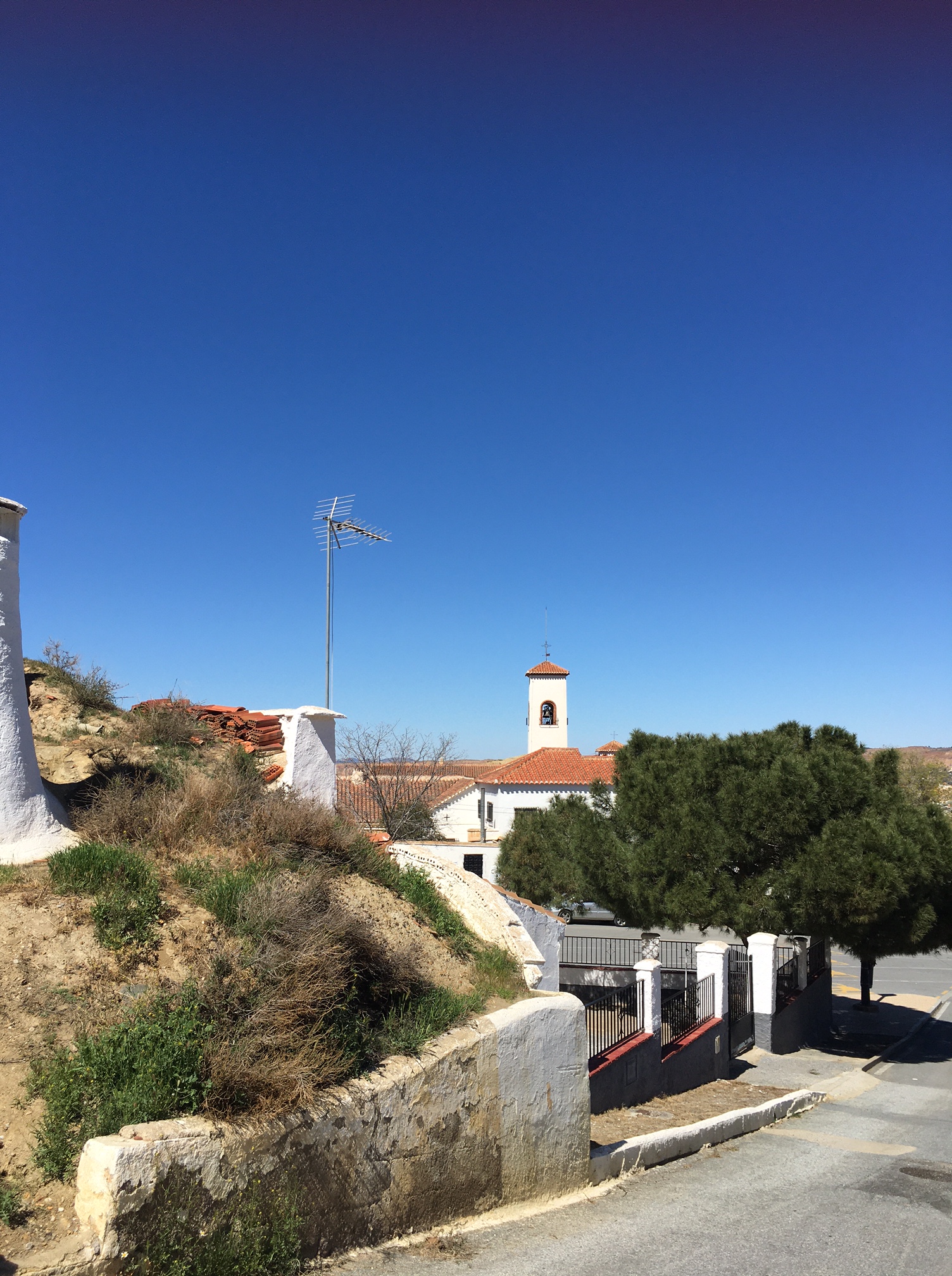
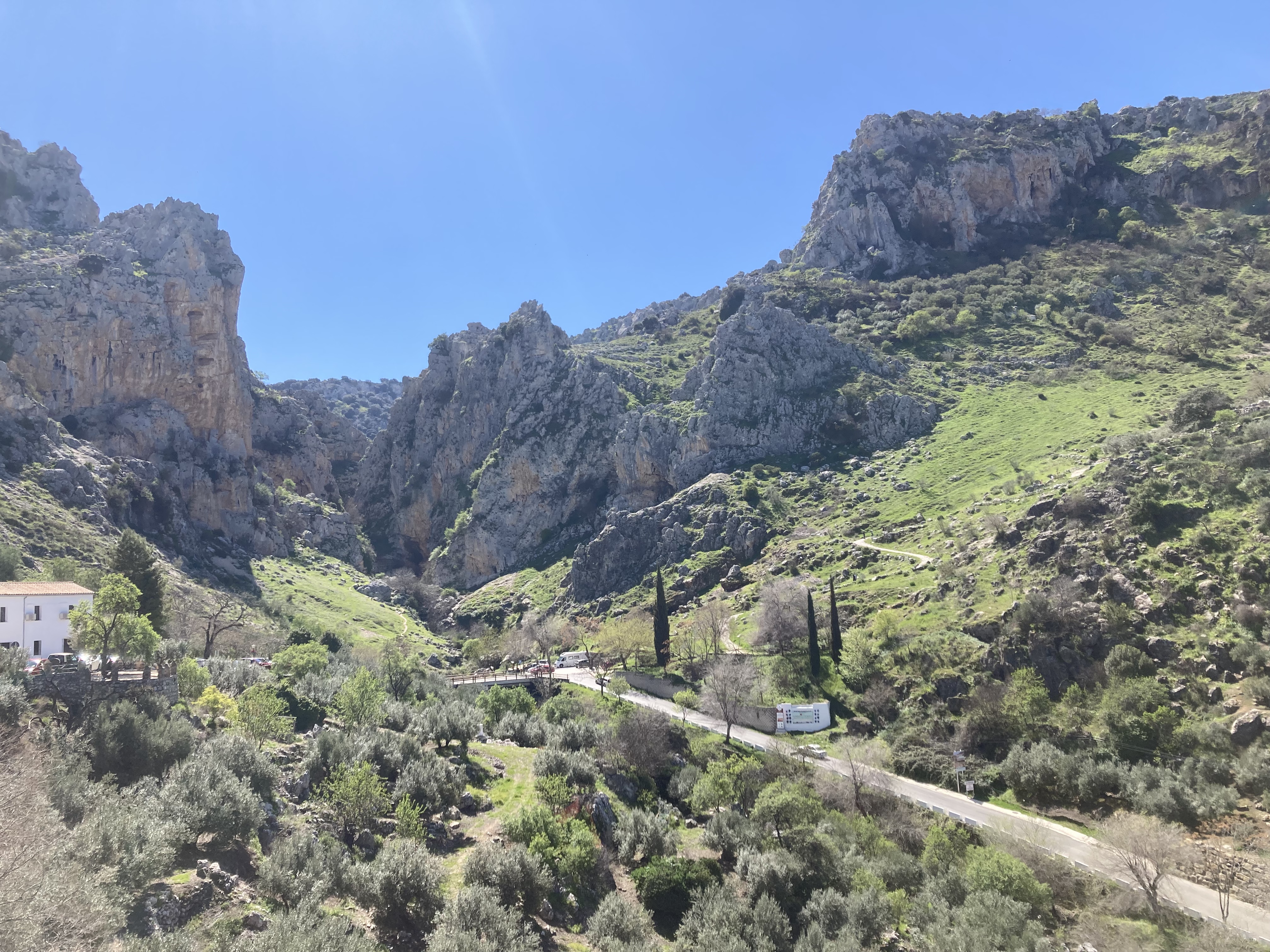
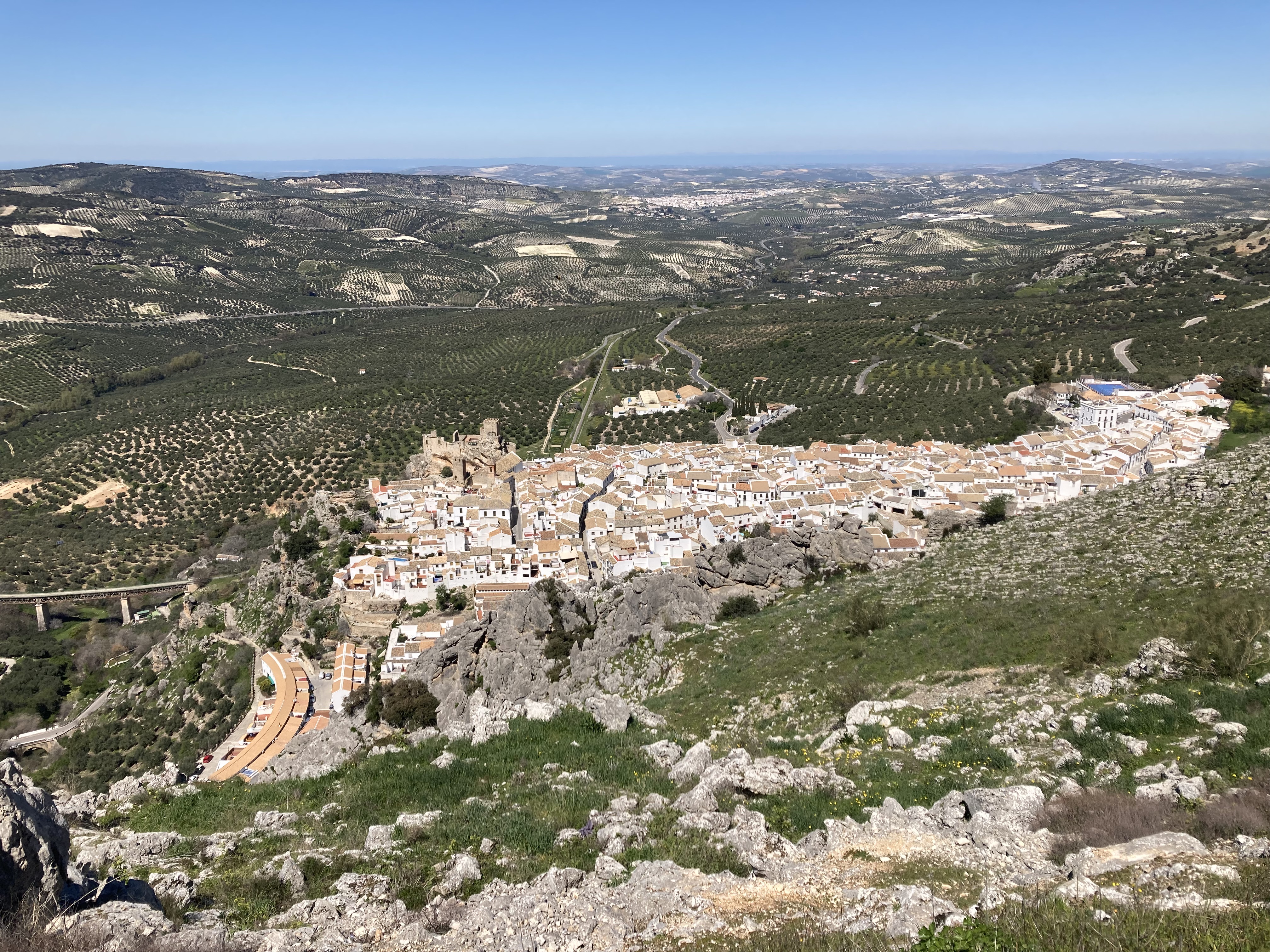
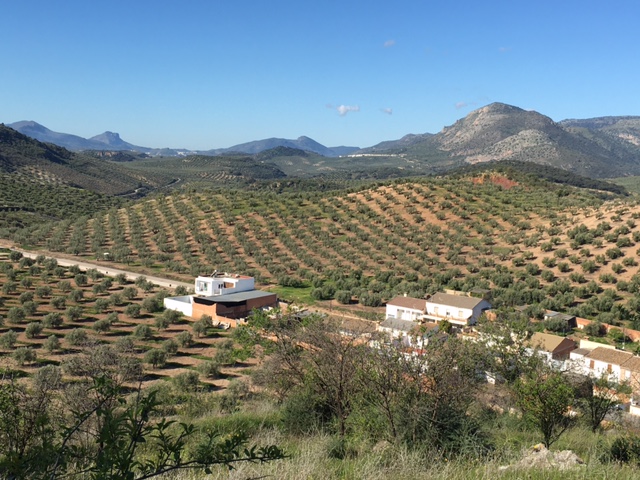
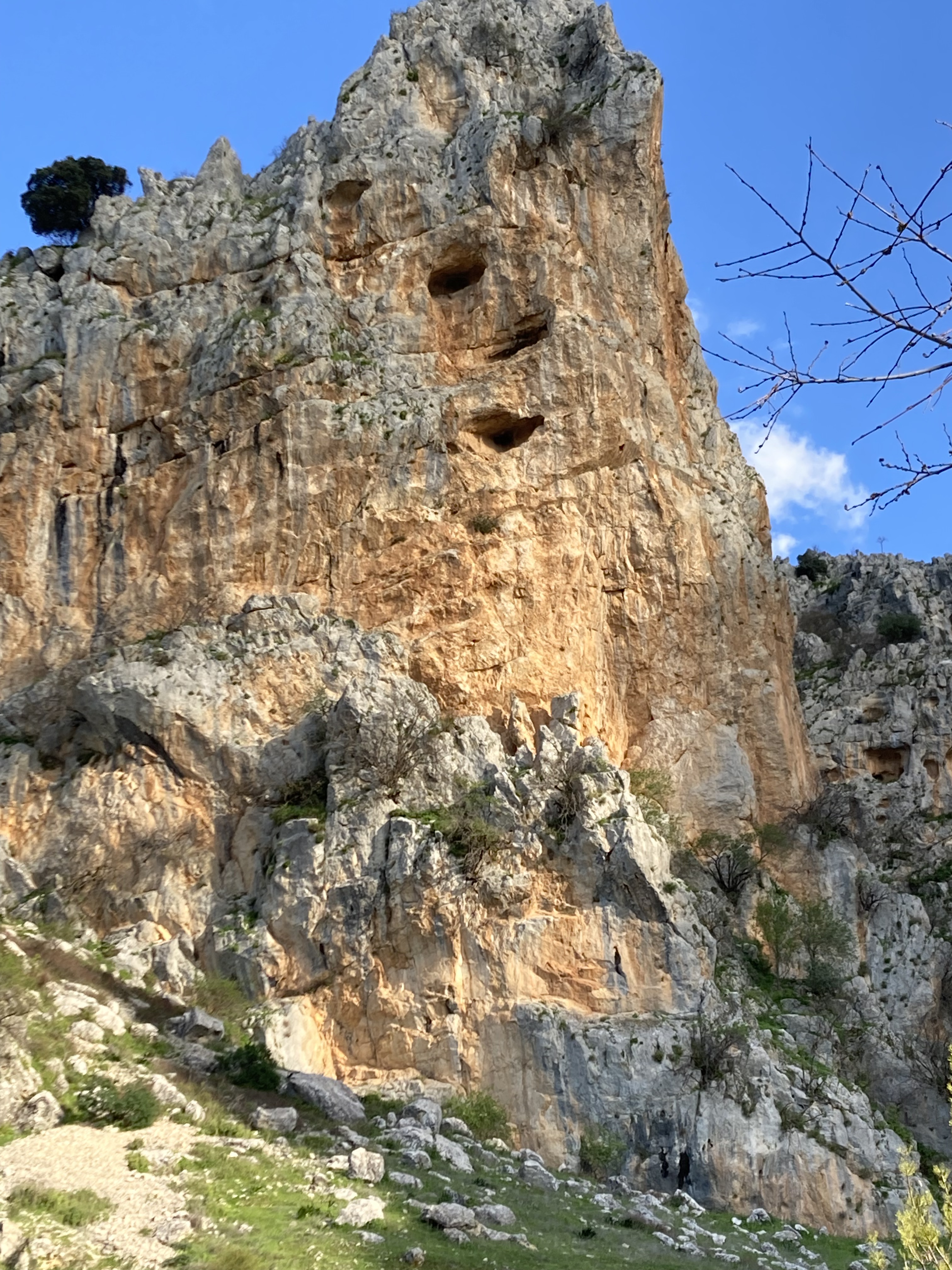
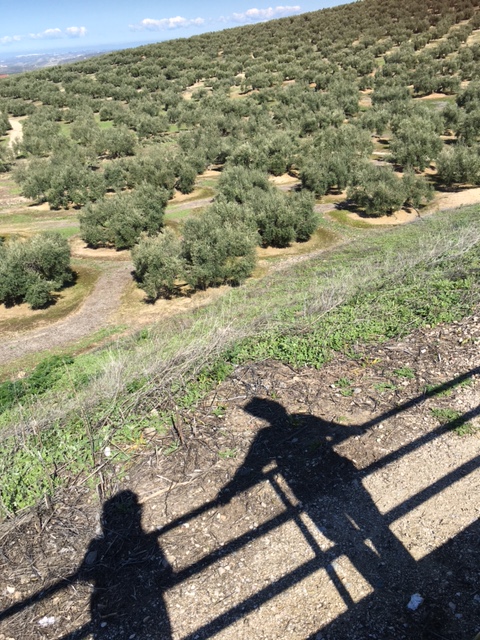
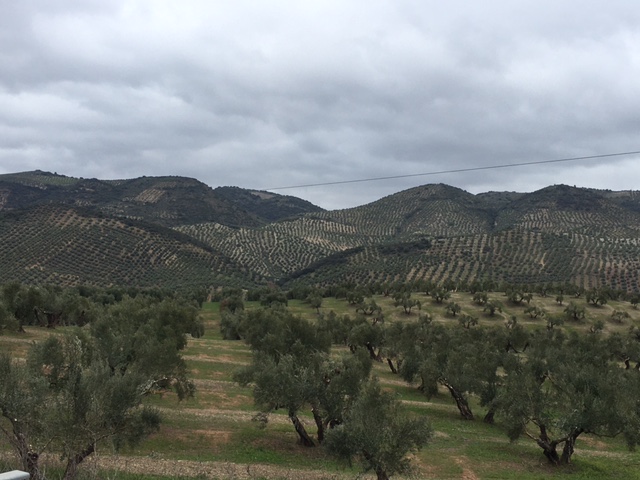
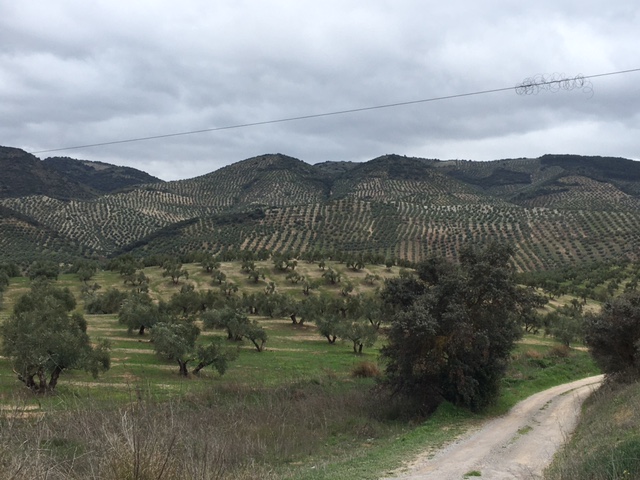
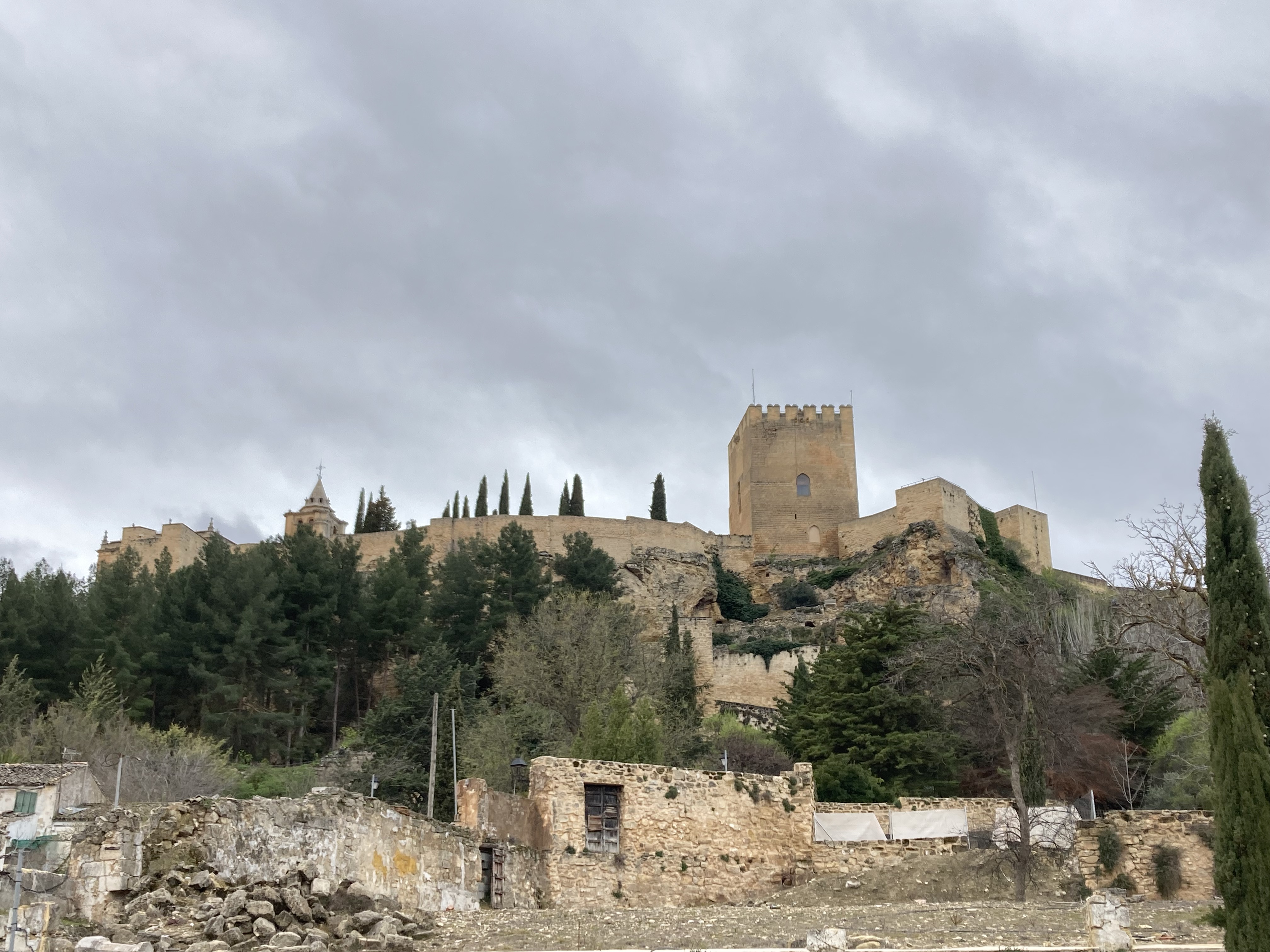
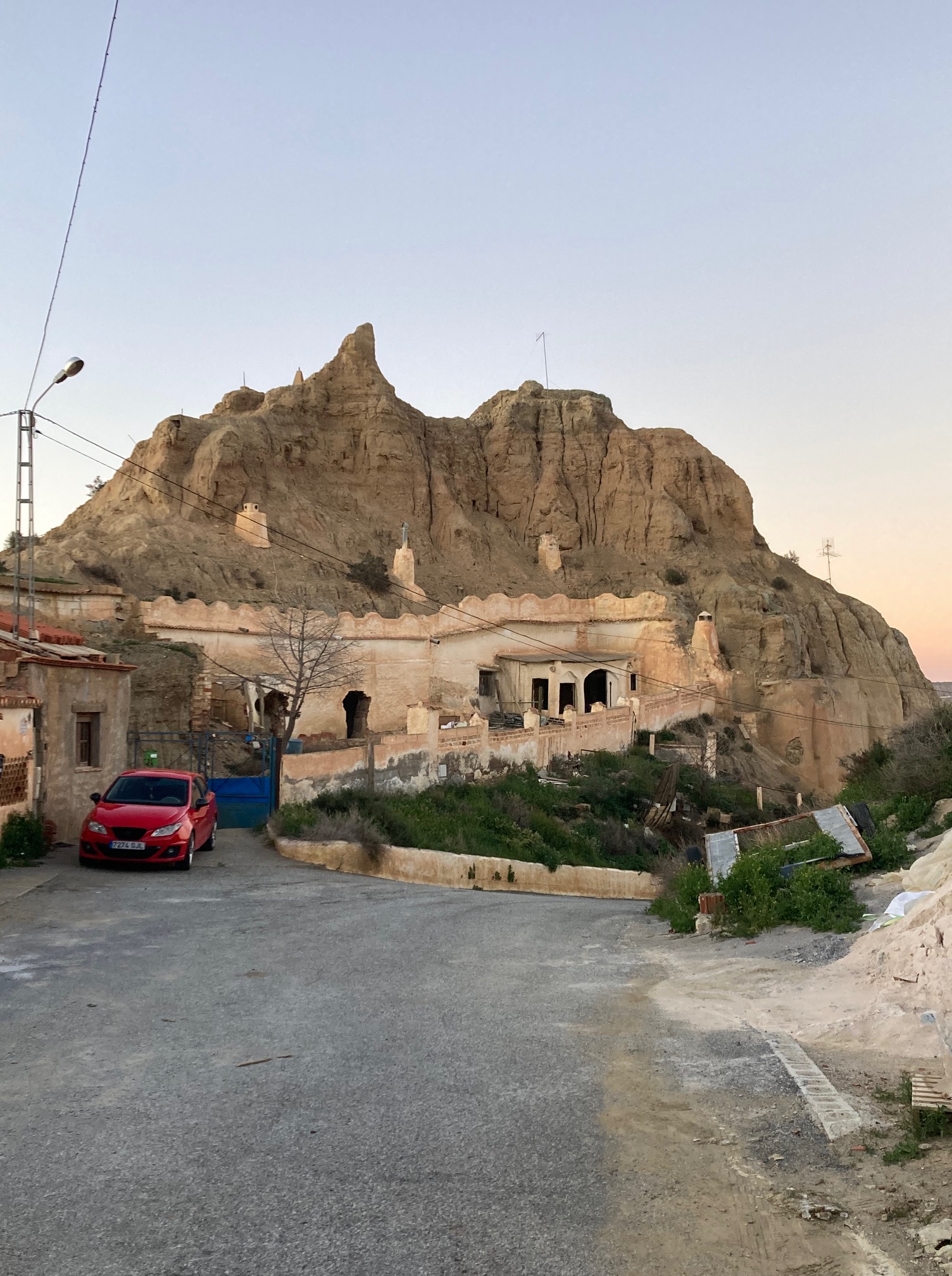
Olives gave way to plains running up to snow-capped Sierra Nevada. Exquisite scenery. Then there seemed to be a mesa, with ochre cliffs dropping into a valley. Yes, we were in Guadix. A river has carved this wide valley, but there’s no sign of water.
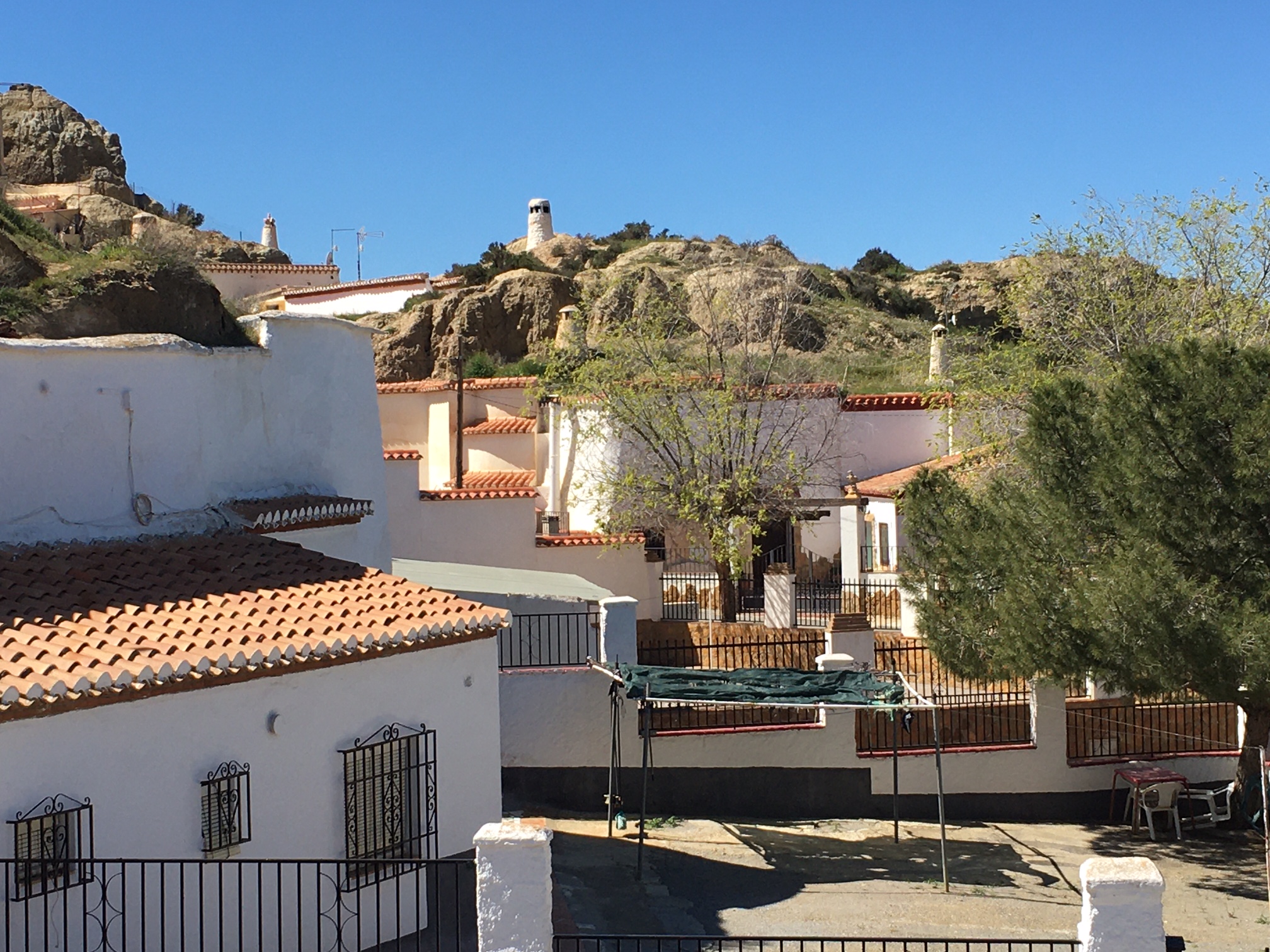
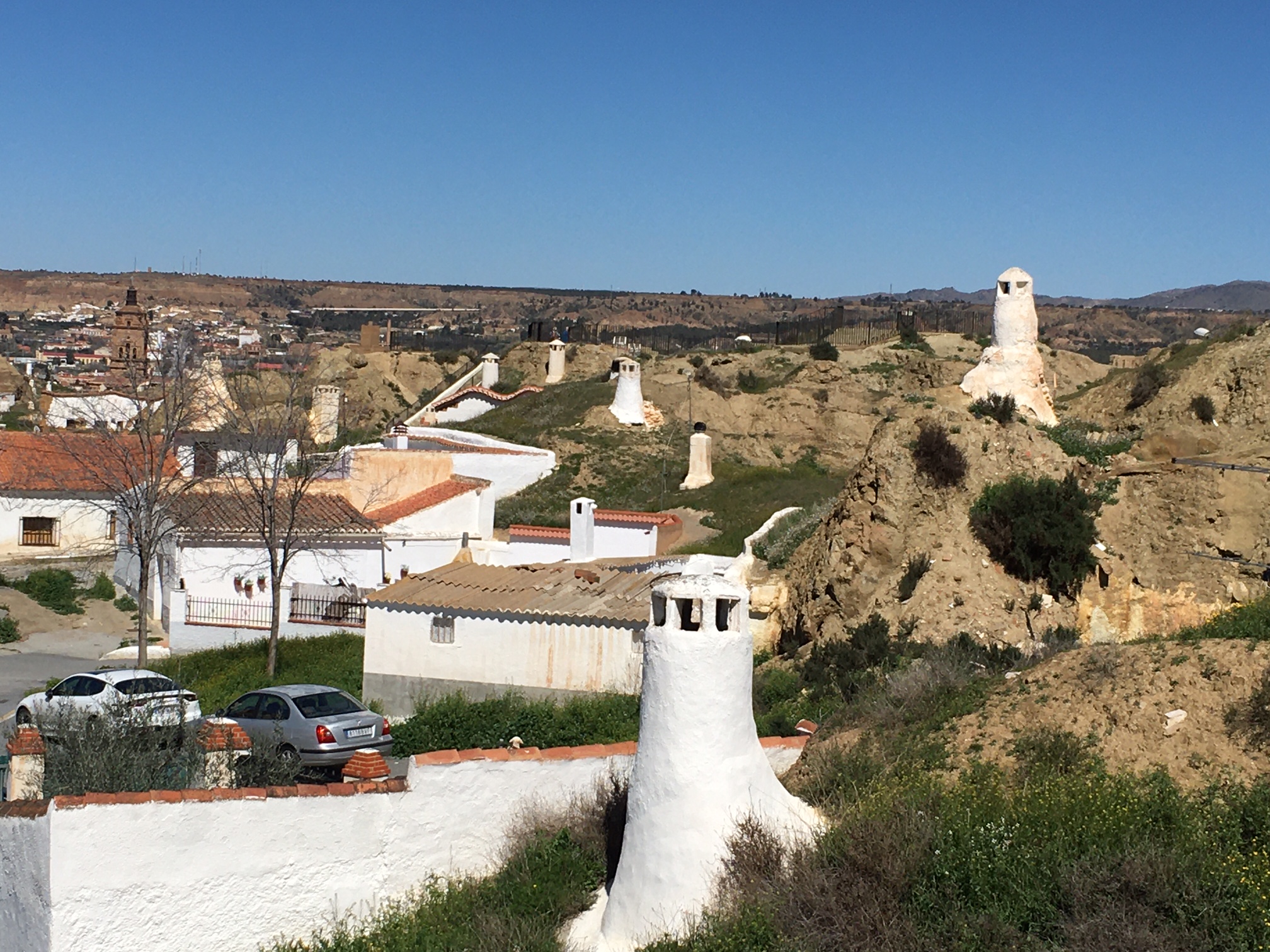
Finding our cueva proved ‘interesting’. Digital maps various were no help, and house numbers equally un-useful as there was often no obvious sequence; fortunately D had a Whatsapp conversation happening with host, who sent directions, & after an hour we were at the right abode (we’d been so close all along, but numbers went from 30s to 70s, back to 100s and Doris the digital guide had us going north, west, south, left, right all simultaneously, with lines & dot markers dancing all over the screen). The kicker is that we did arrive pretty much at the right location the first time, but were told to go down a one way street, which we assumed was a wrong instruction (as it was!) – but that’s the one we are on. 

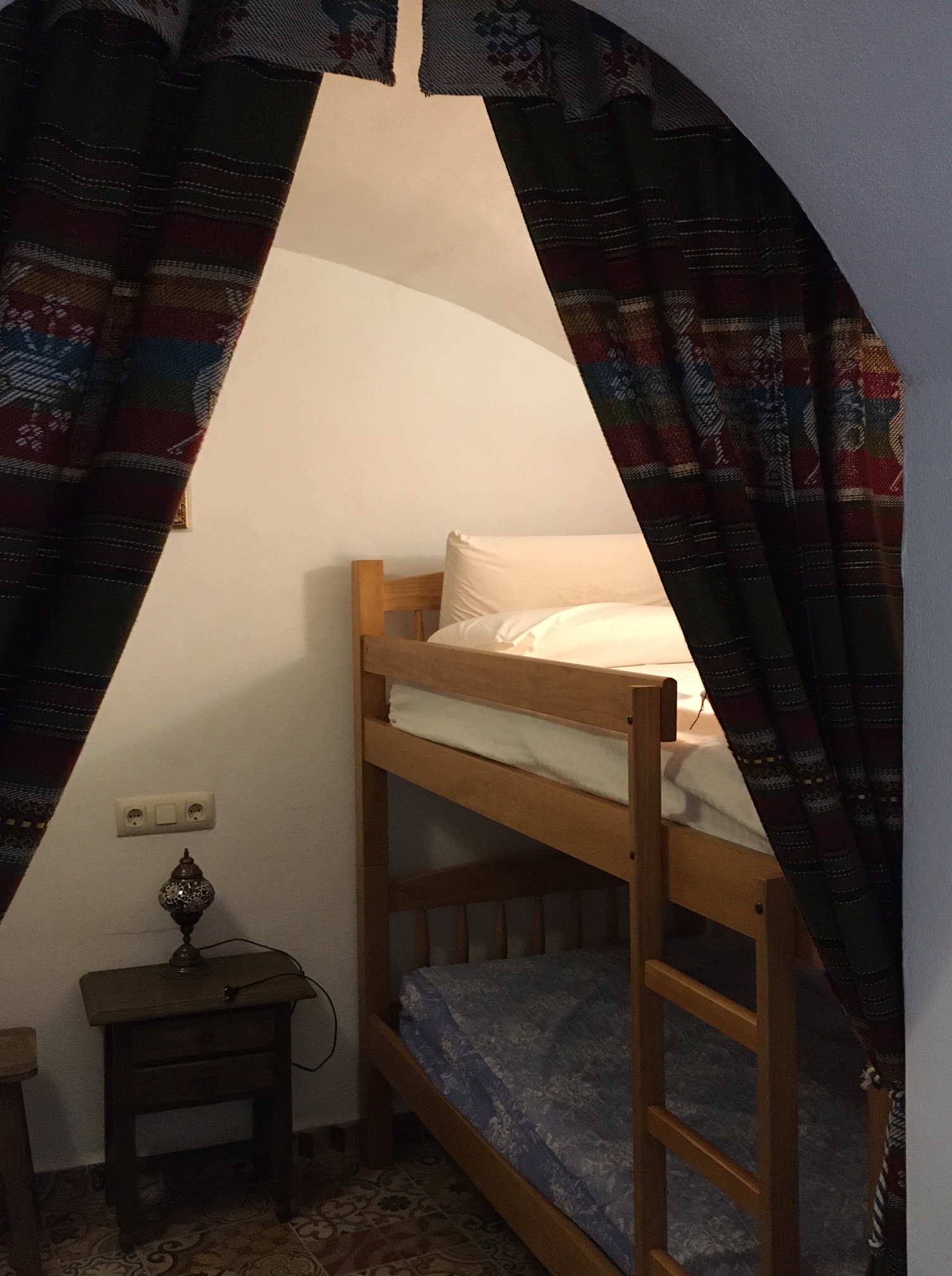
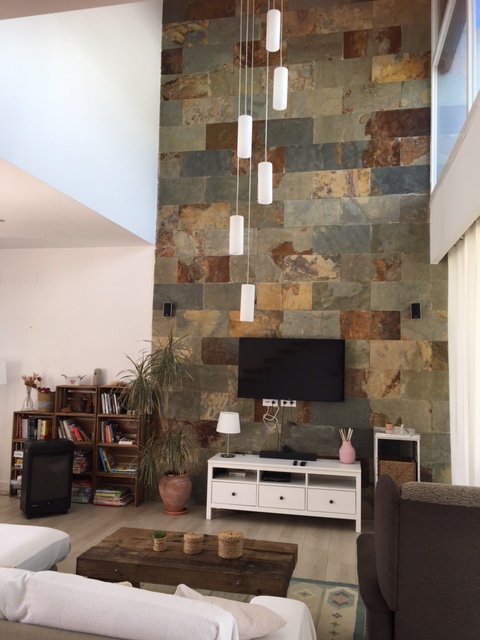
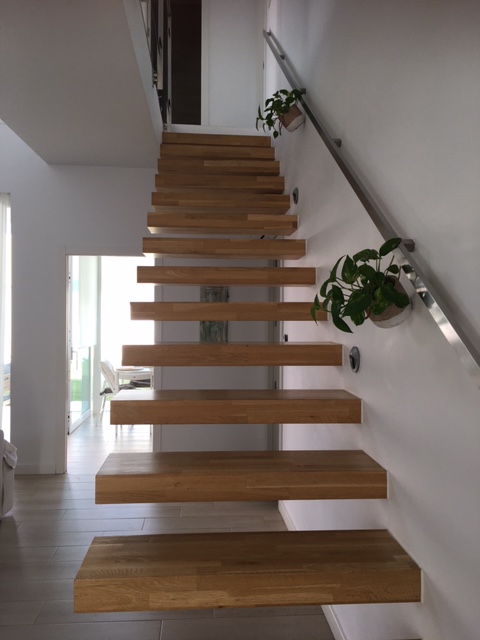
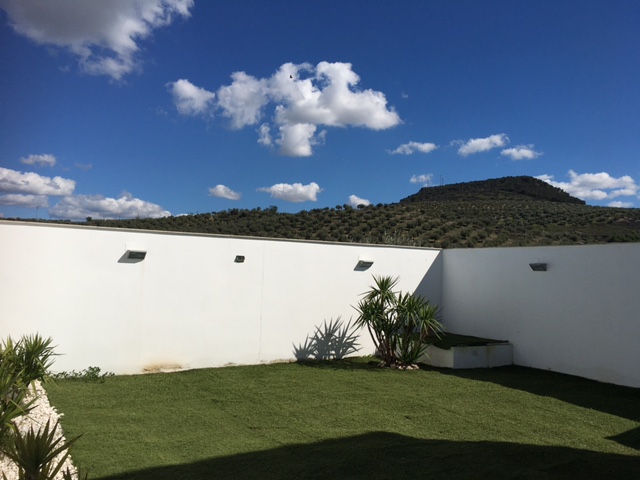
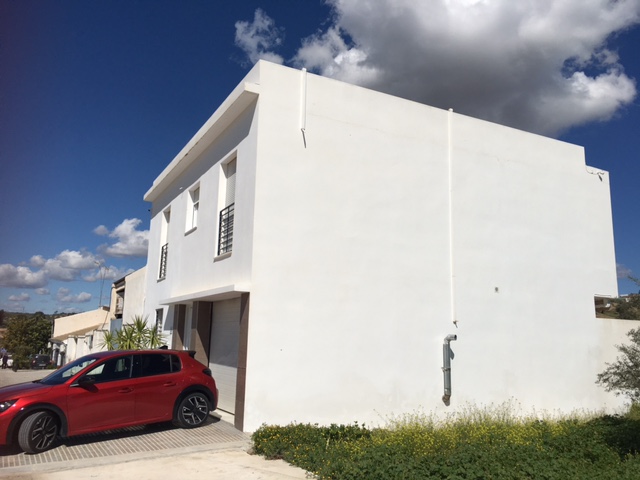
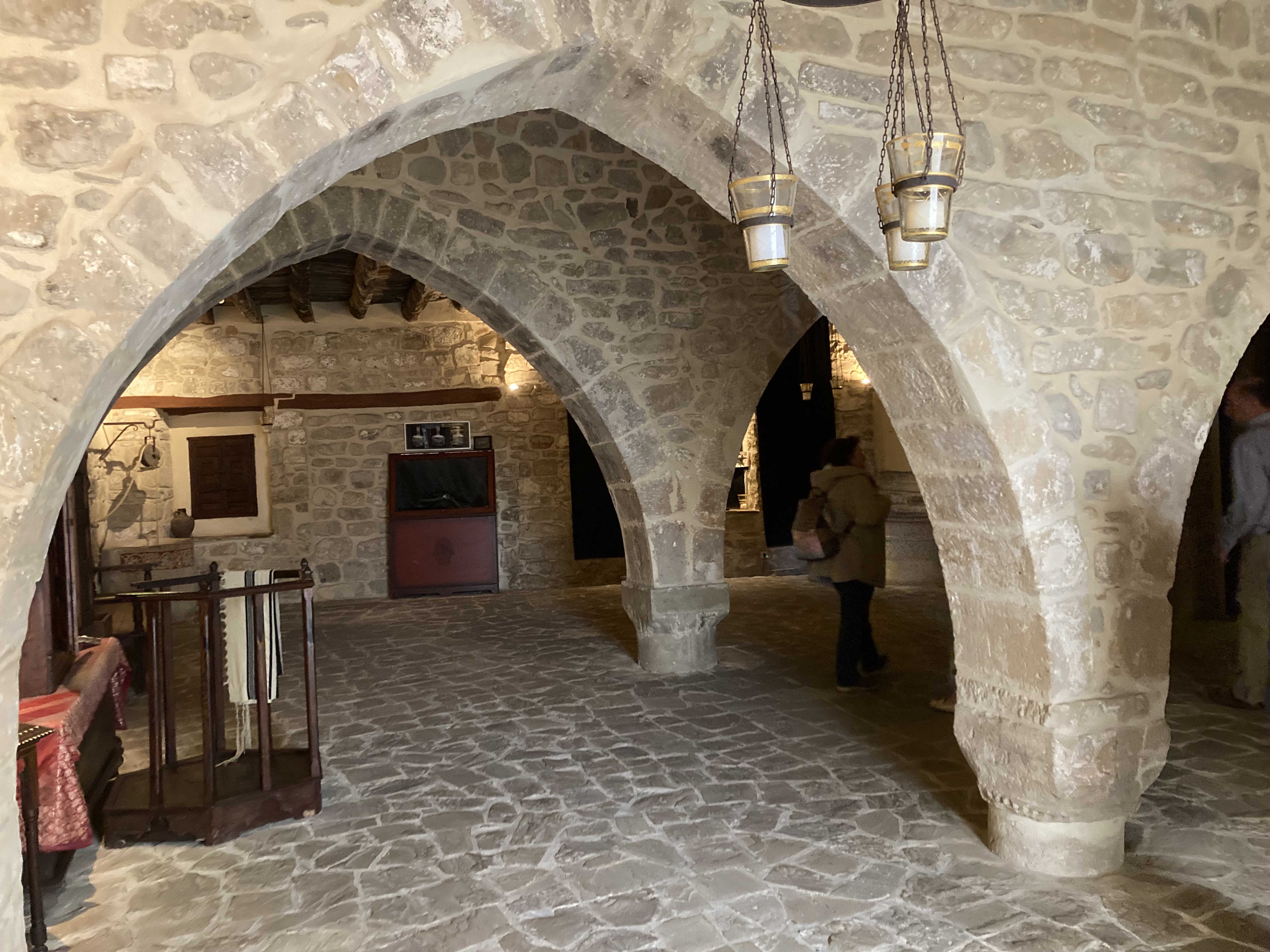
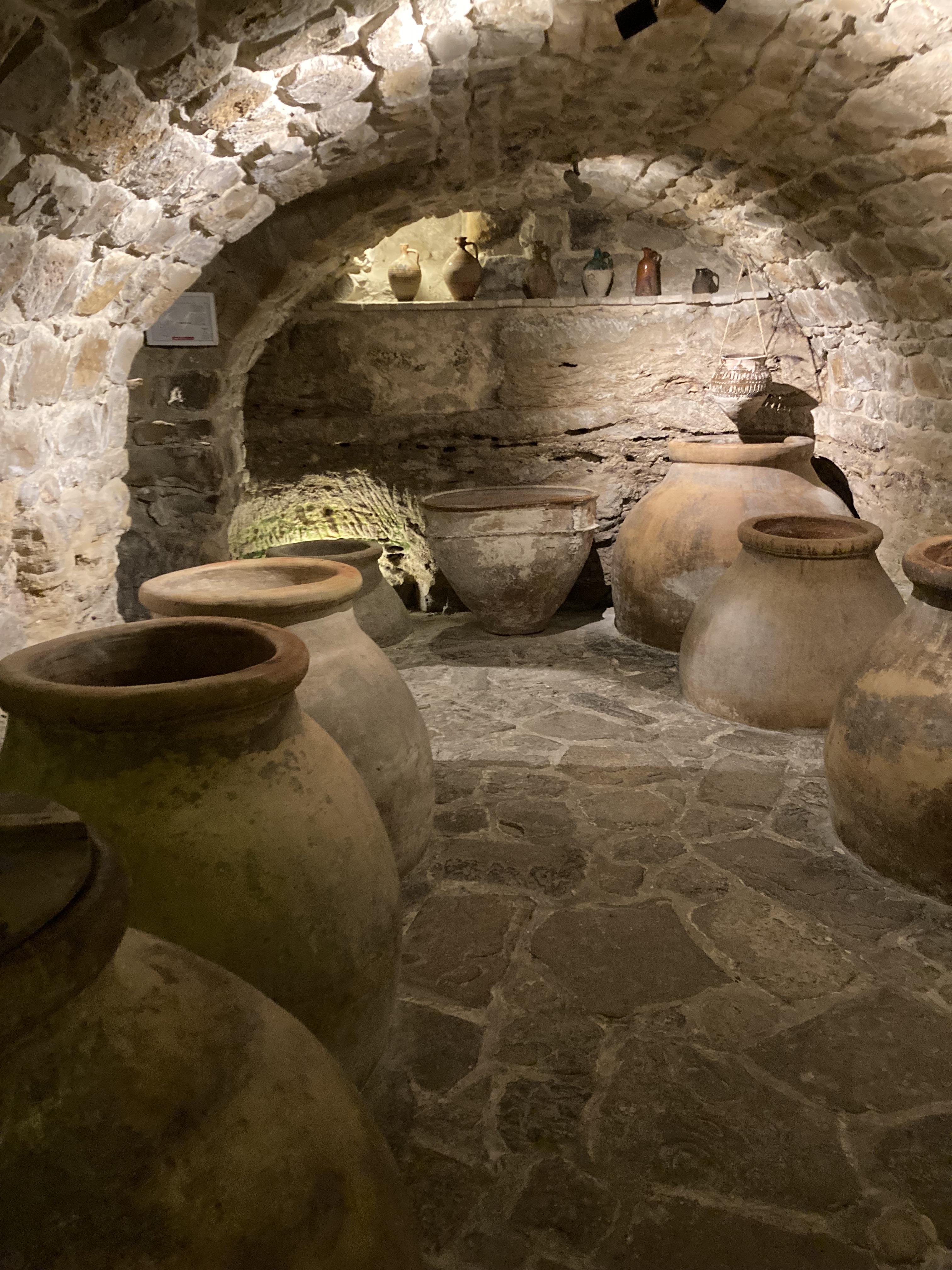
The cueva is just that…a cave with 3 bedrooms (room for Theo if he can make it) & living/kitchen spaces. And there are a couple of electric heaters, just in case. We’ll be cosy as.
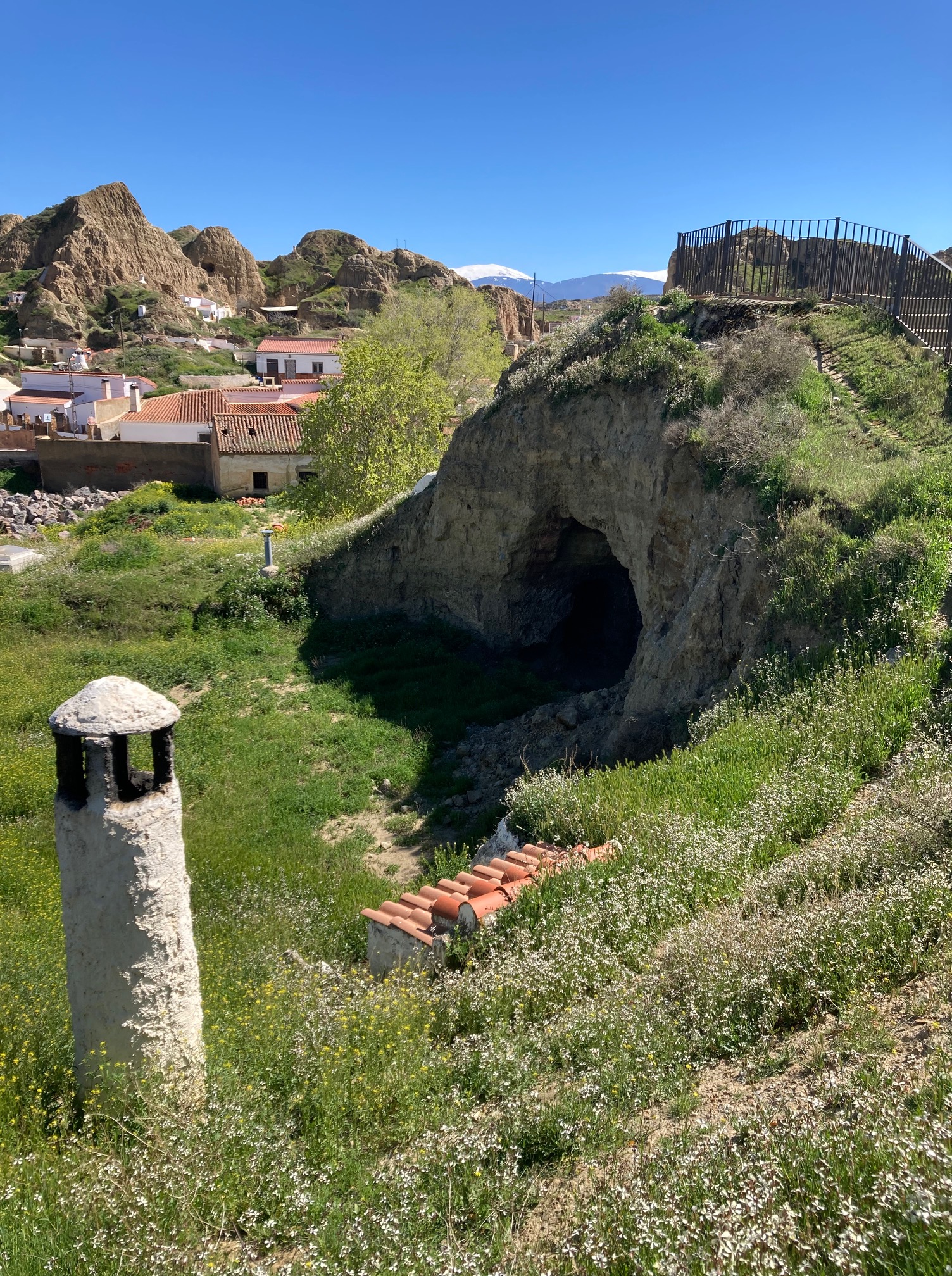
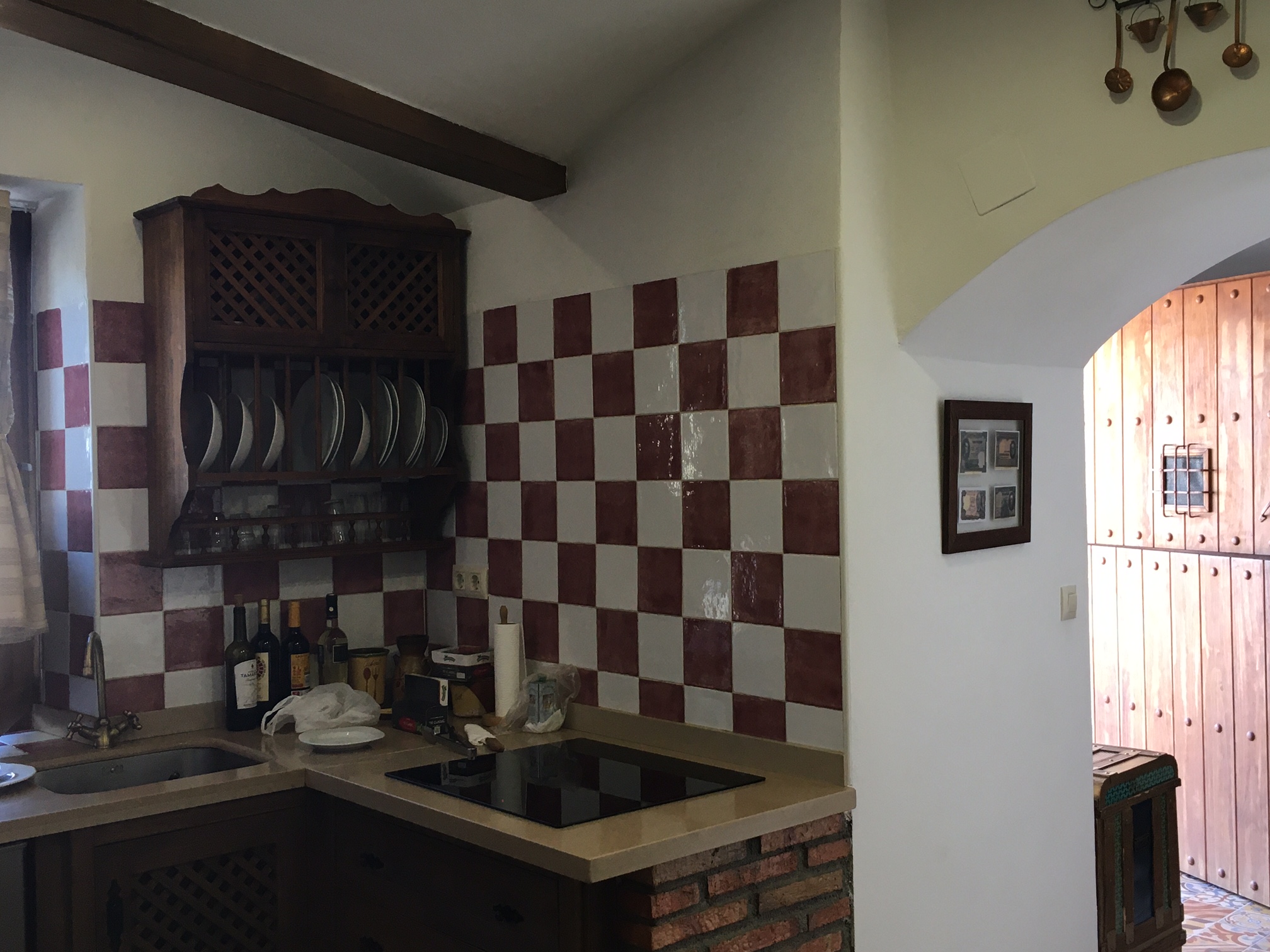
It doesn’t look like much, but it is home….and cheap.

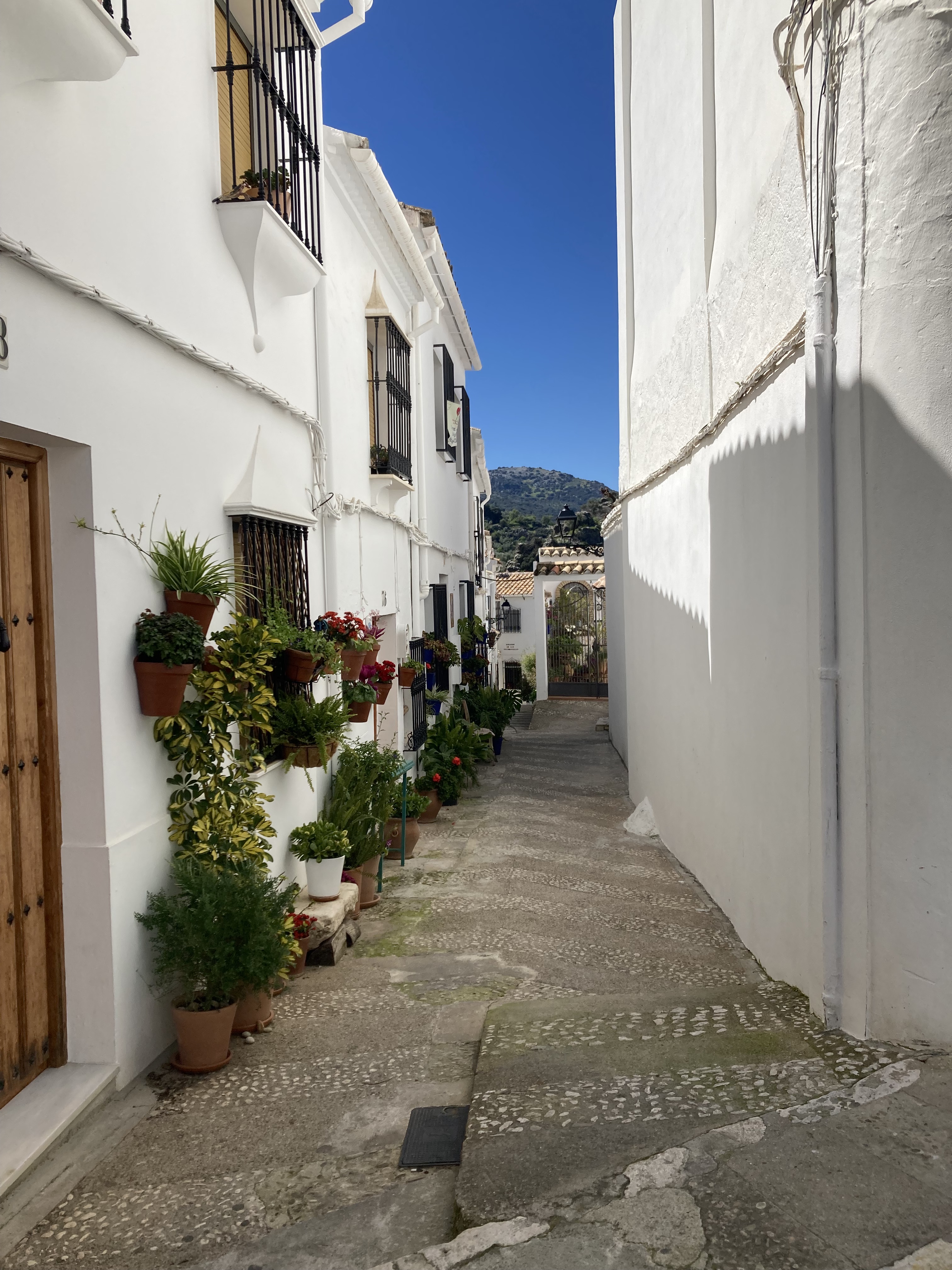
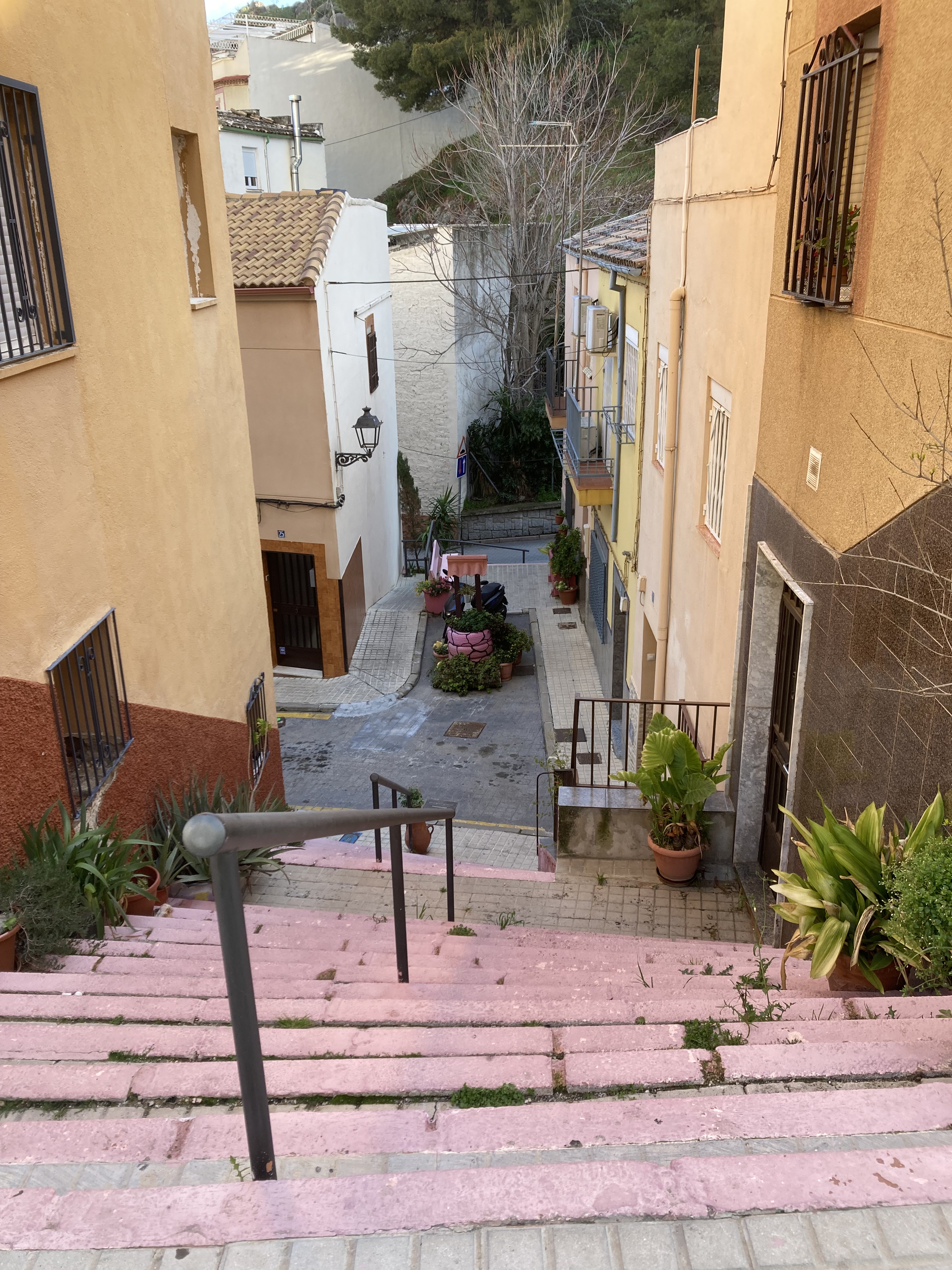
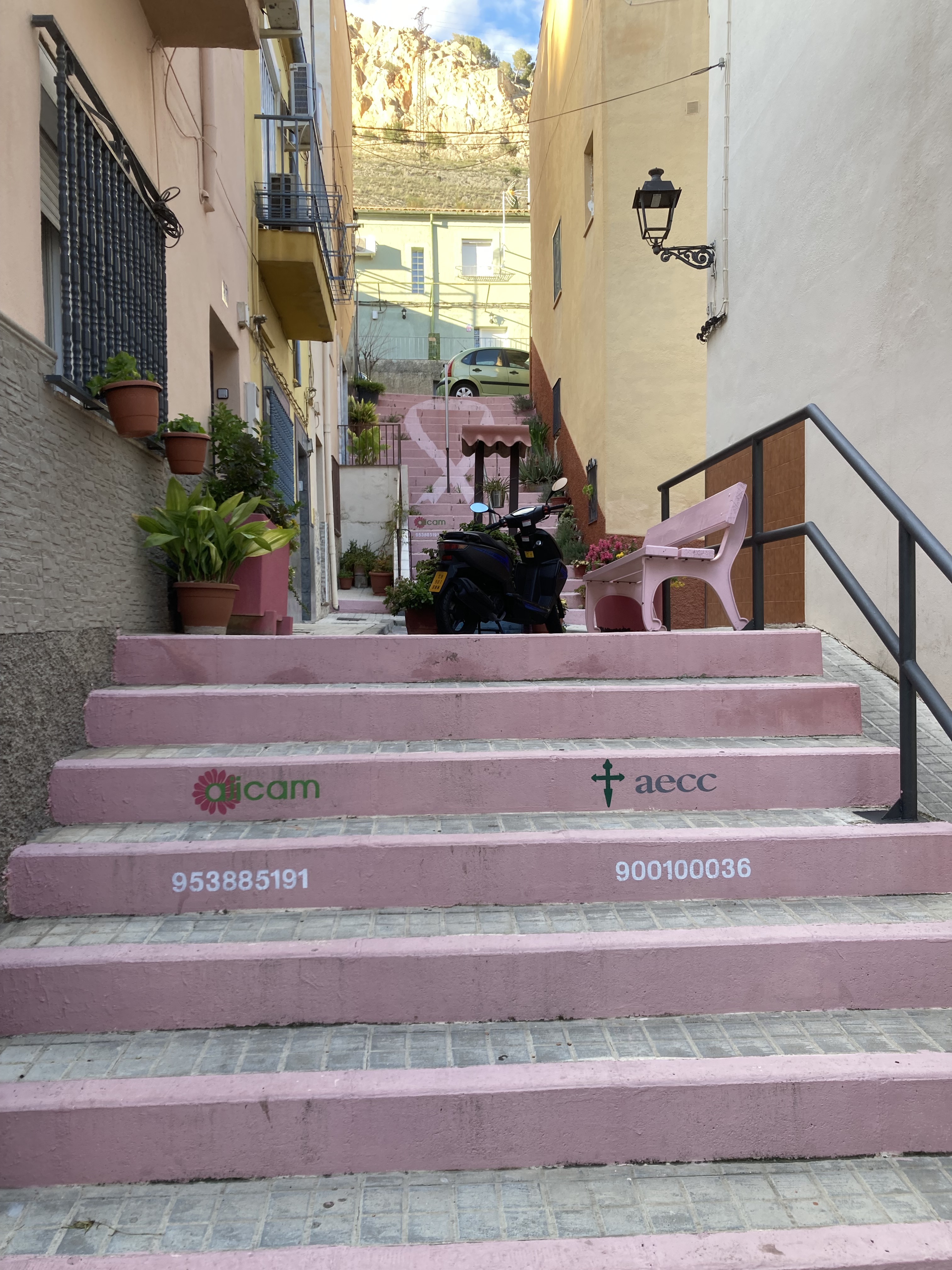
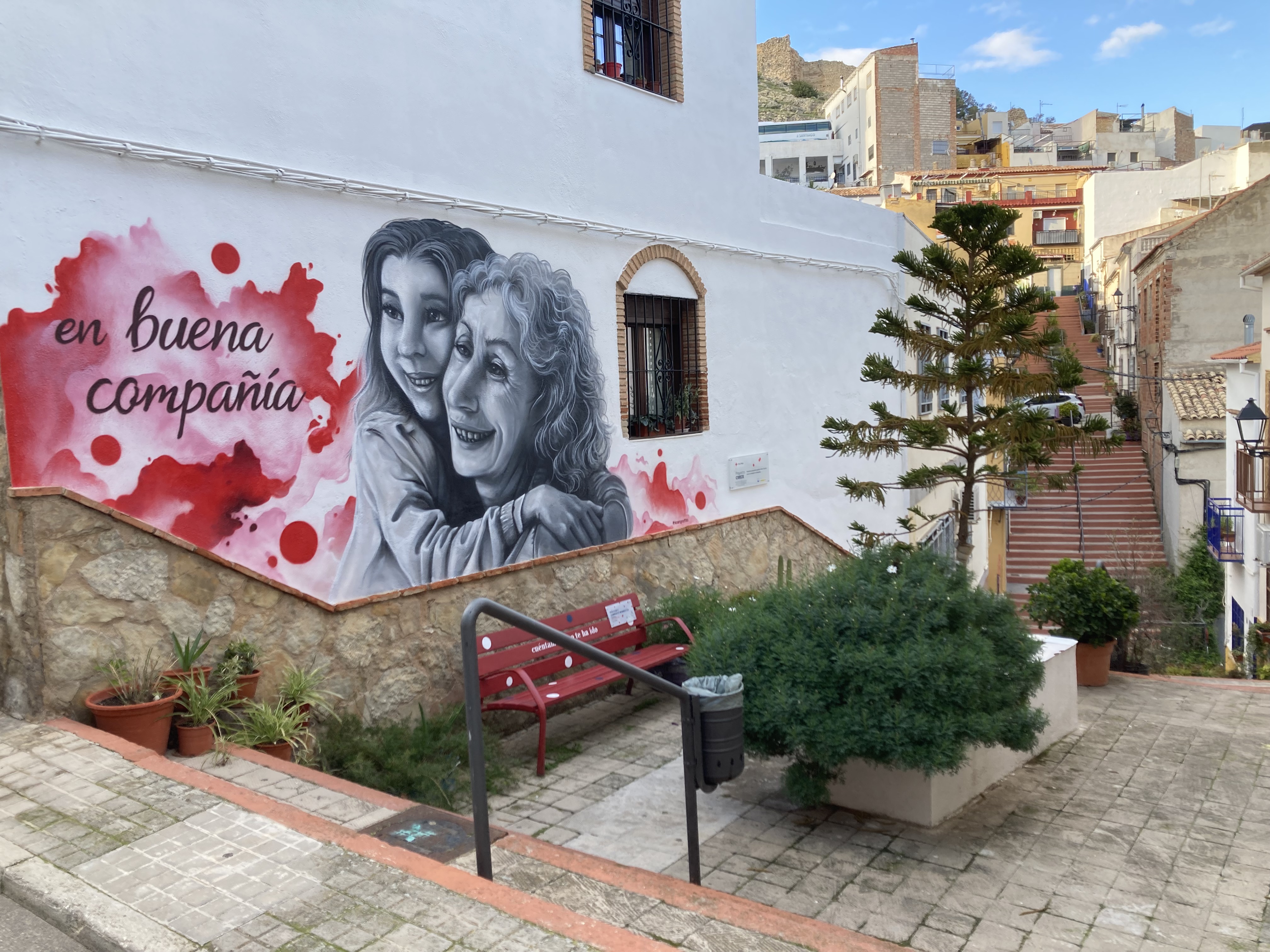
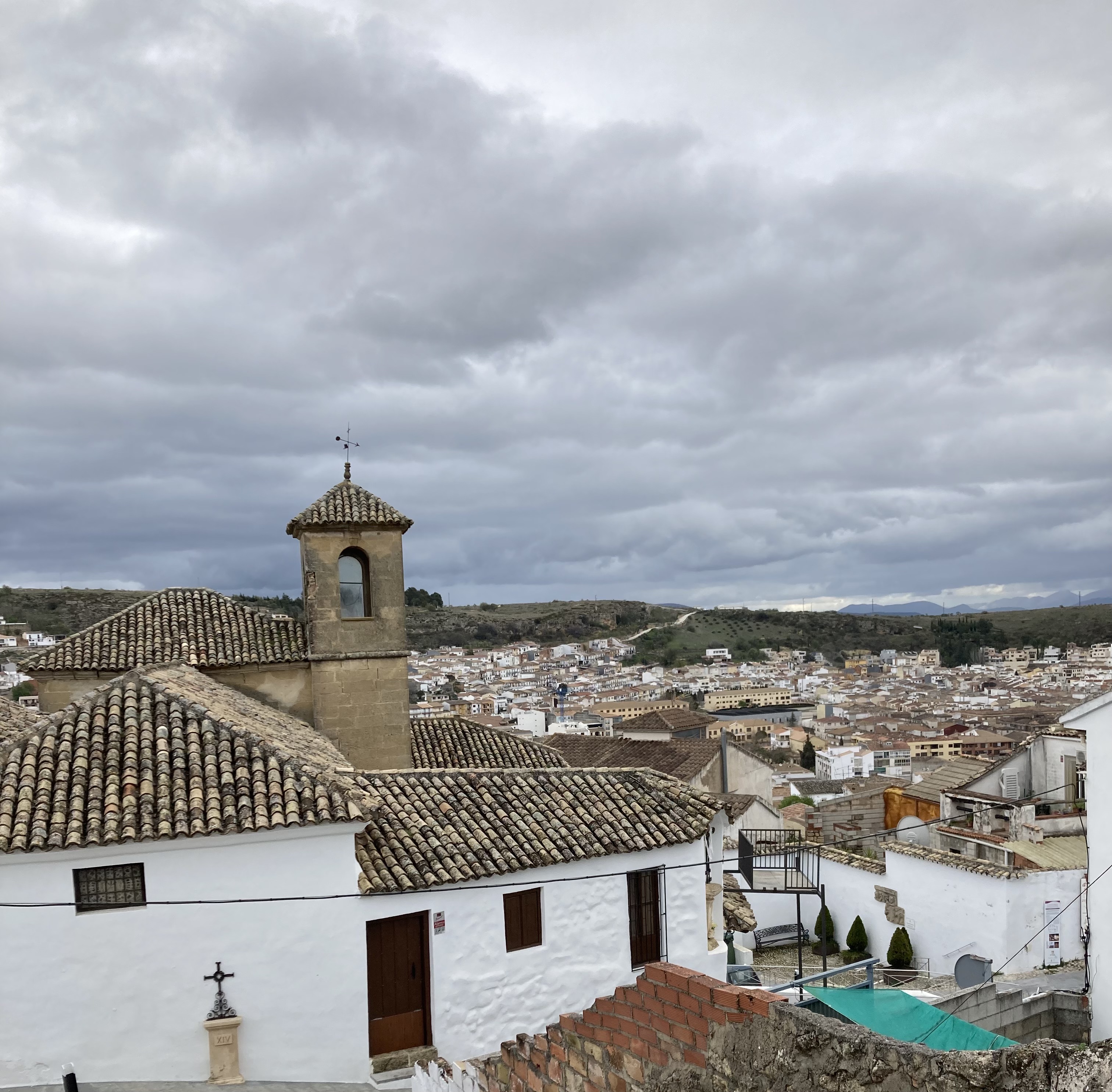
After picnic lunch in the courtyard, a walk down into town was lovely, yellow/ochre colours against blue sky. Nothing was open (apart from taverns where folk sat chatting & drinking& eating in the sun…perfect Sunday arvo stuff.

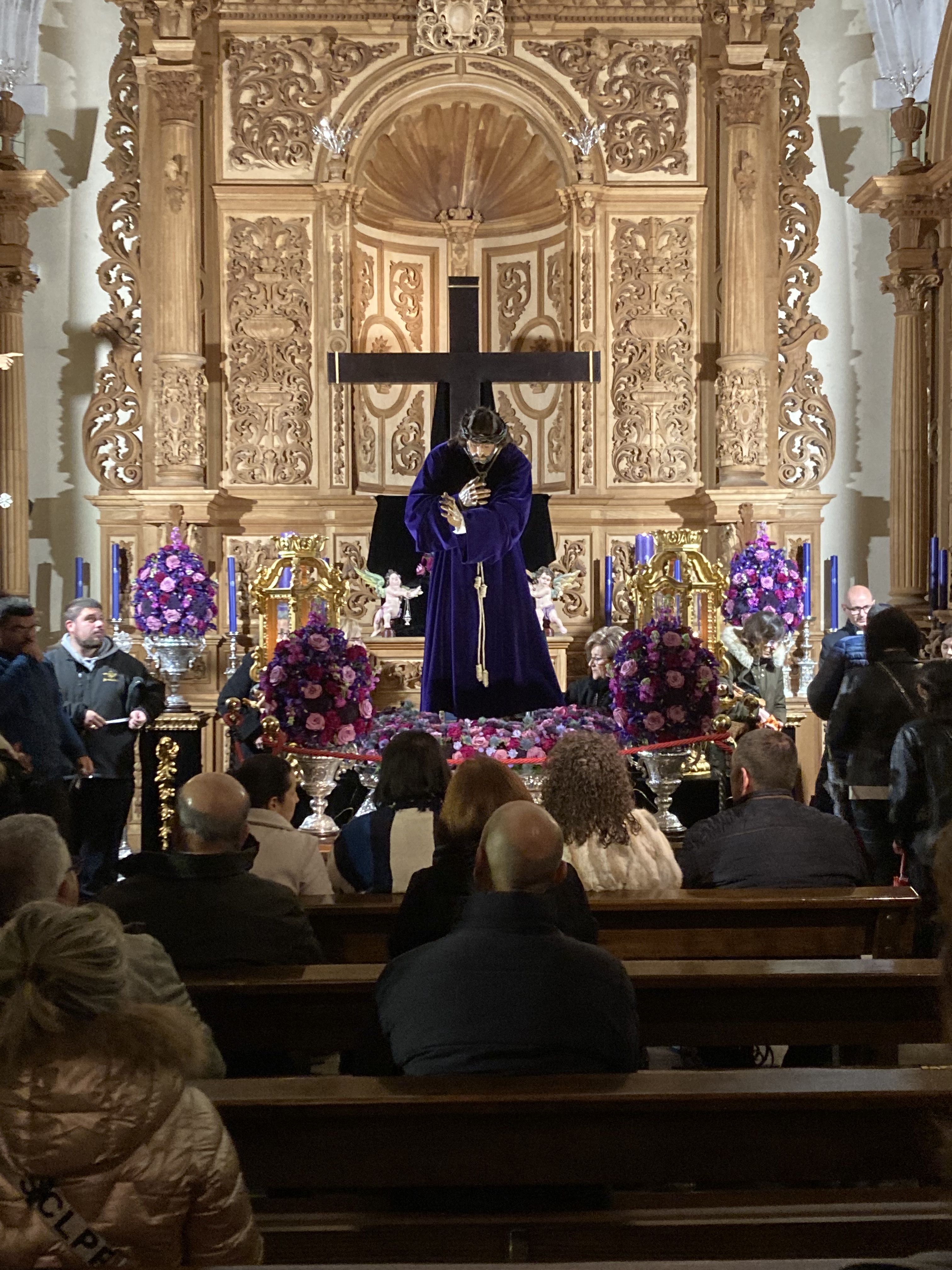
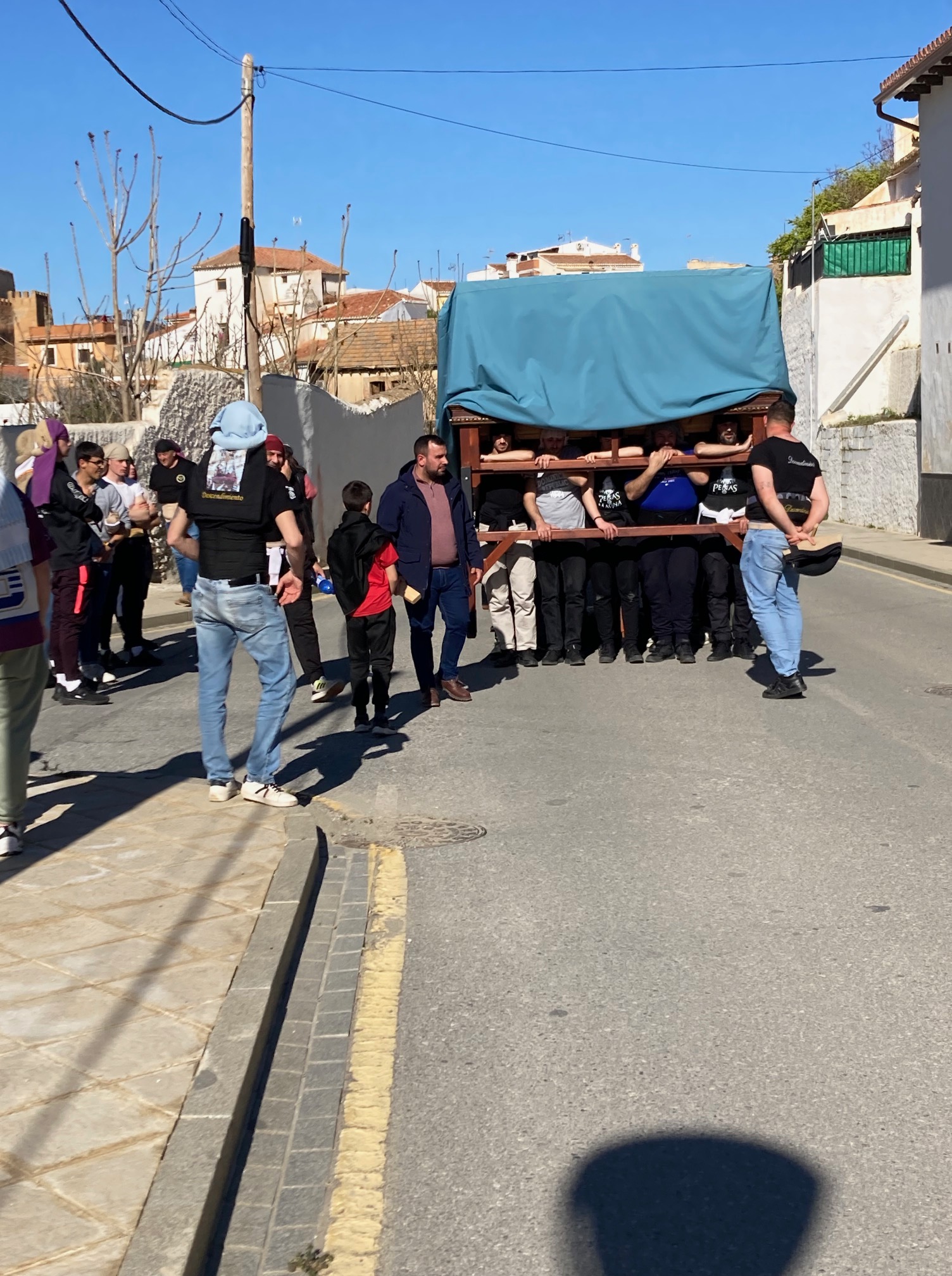
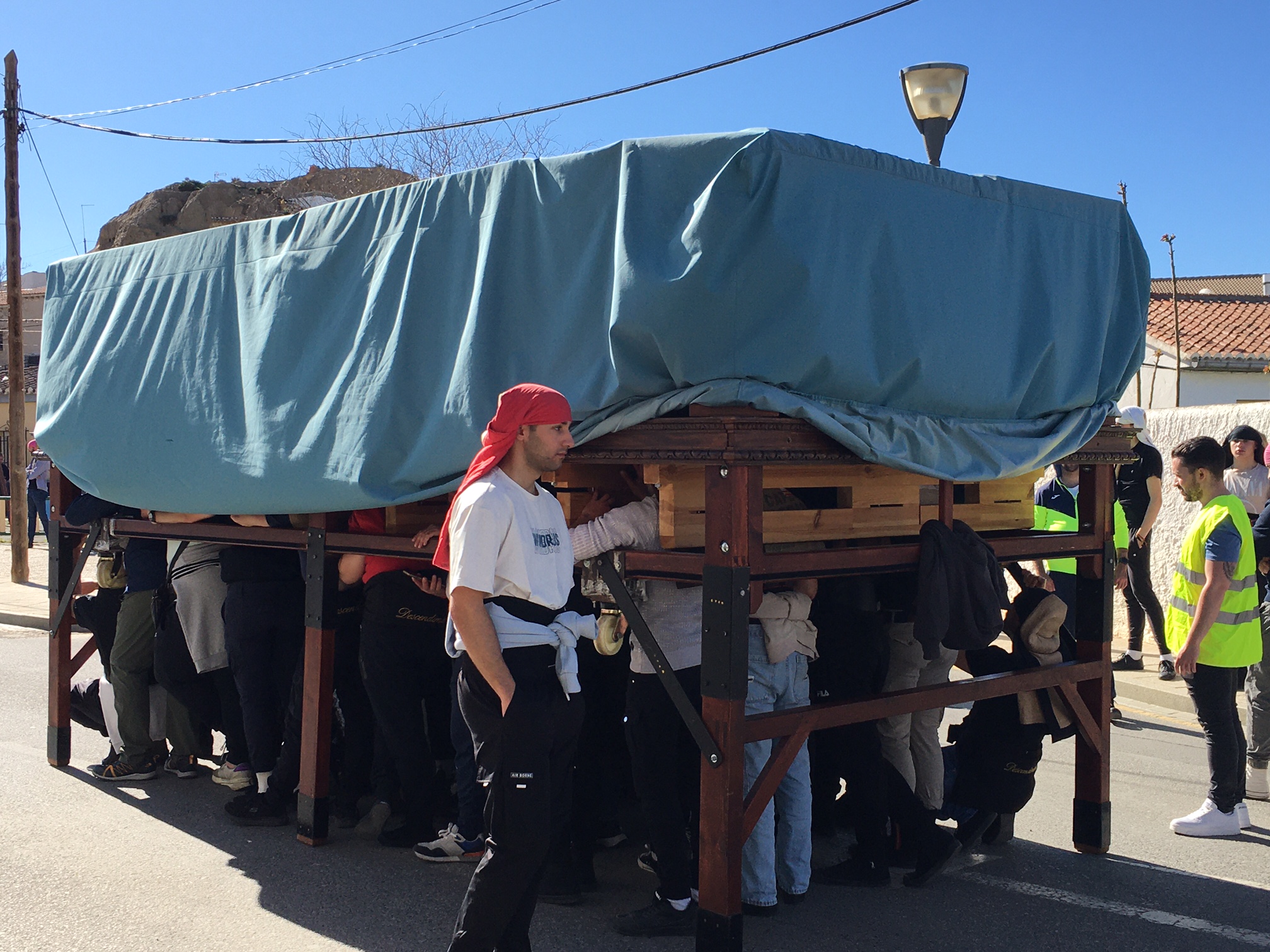
The walk home, uphill presented a (pre-Easter) ritual?…45 men bearing a wooden structure, covered with canvas, slow shuffling to a command, some recorded music and a leader hitting the side of the structure. The carrier team had changeover points…presume it held (or will) a monstrance/statue of someone for an Easter ritual (still 3 weeks away).
Tapas in our courtyard completes the day. And then to learn how to operate the next induction stove top: so far, there has been no consistency across our bookings for which buttons to push.

Dinner: Sunday pasta (not a potato in sight, but there are some greens).

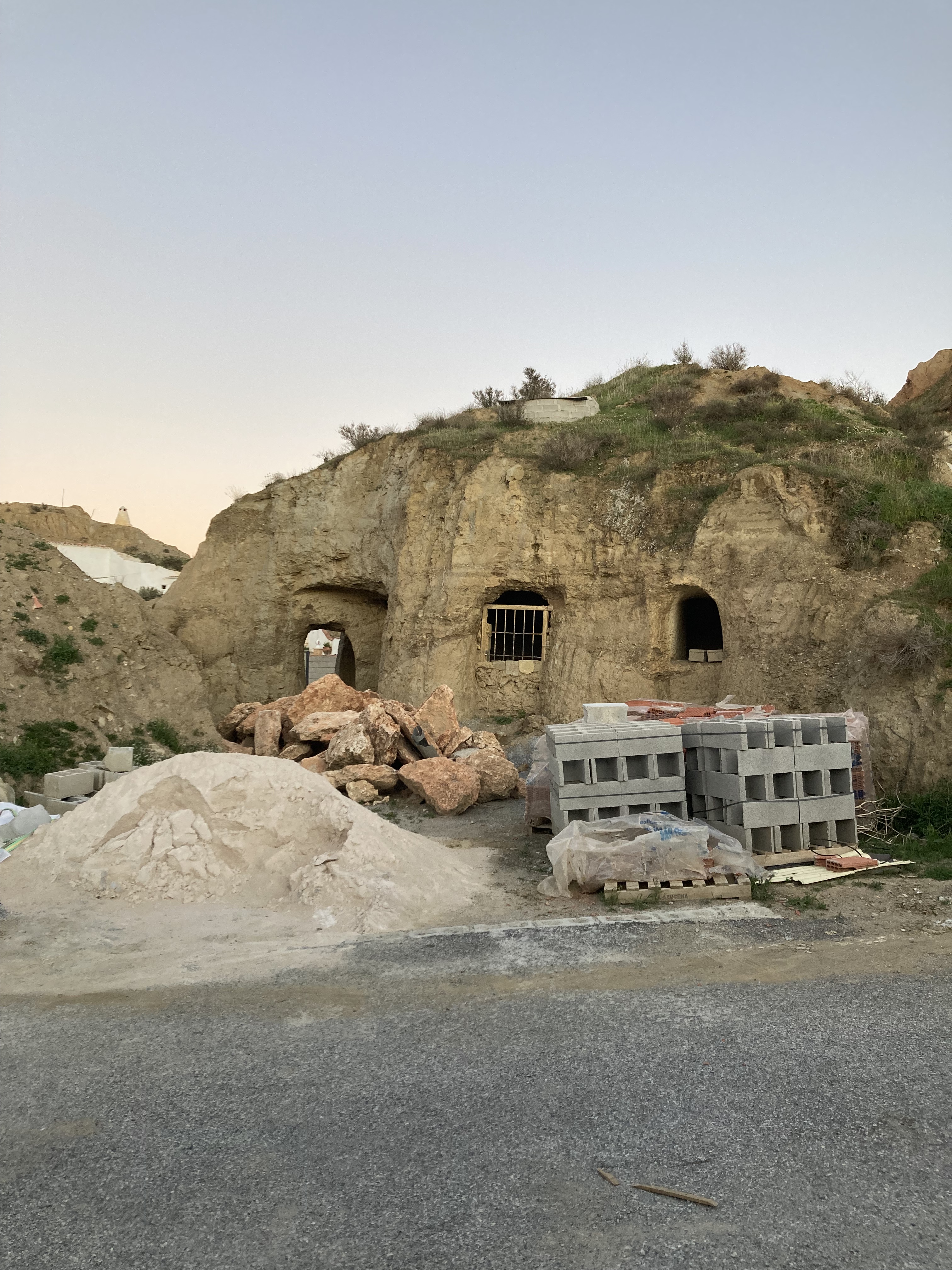
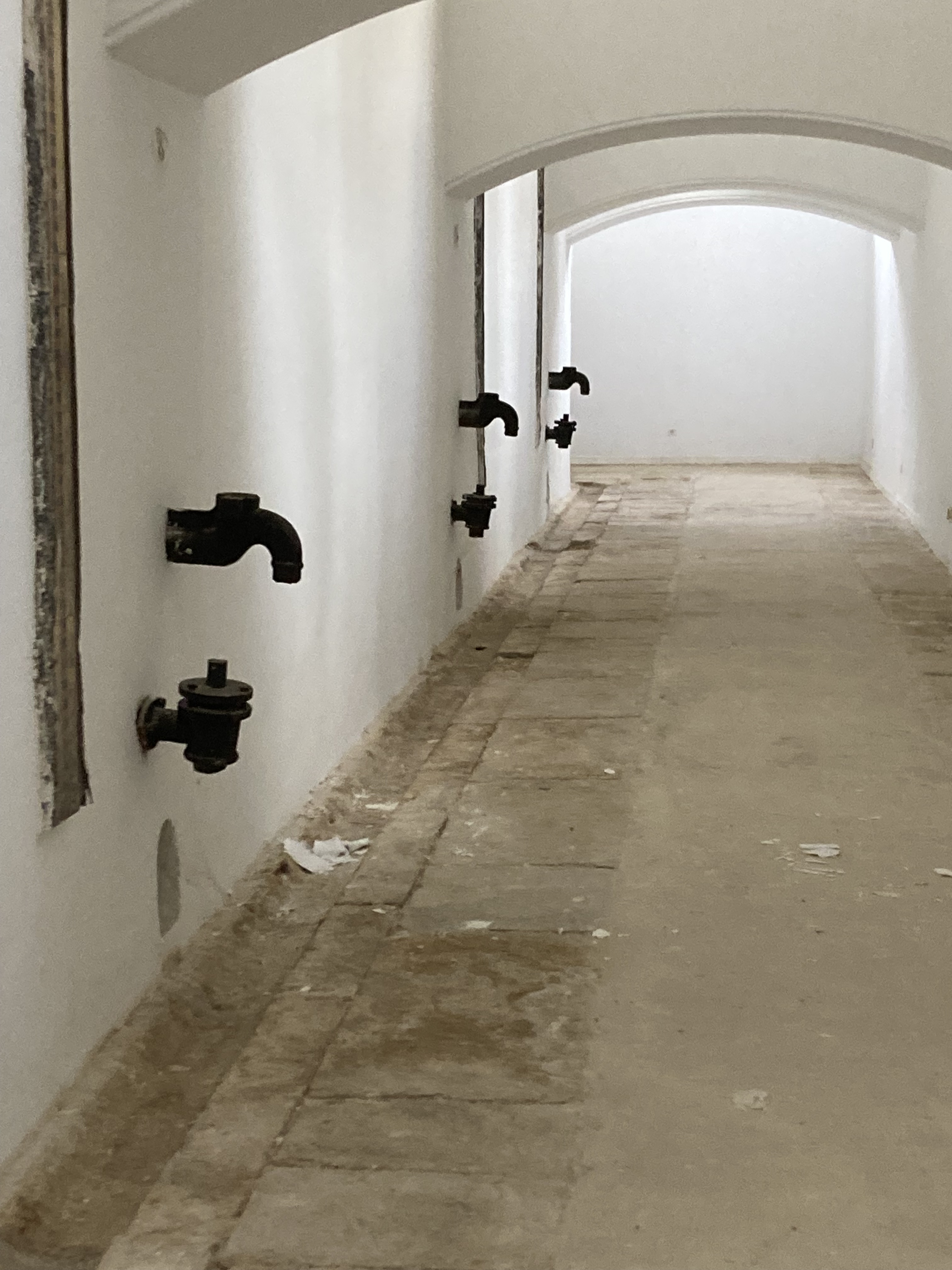
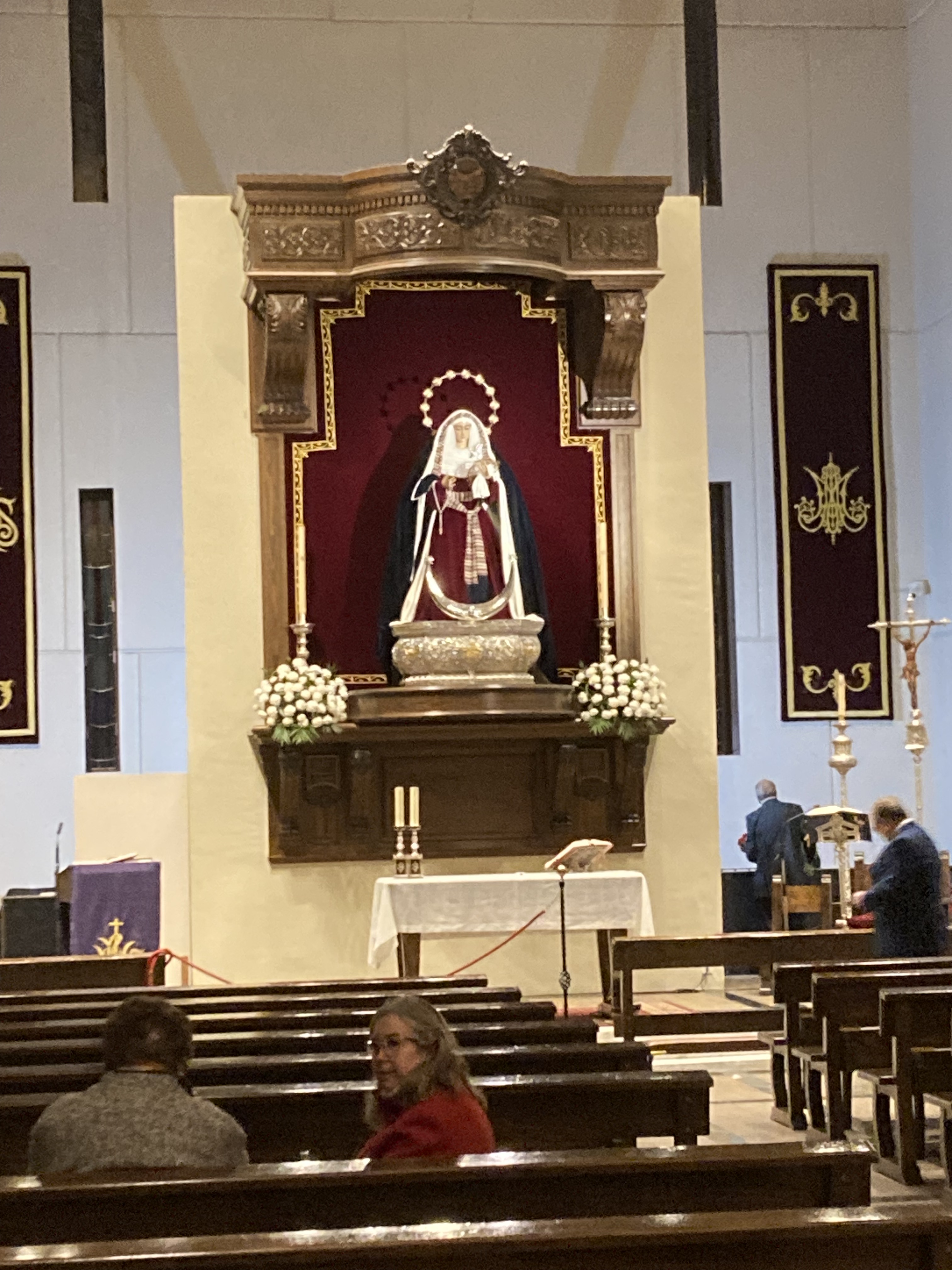
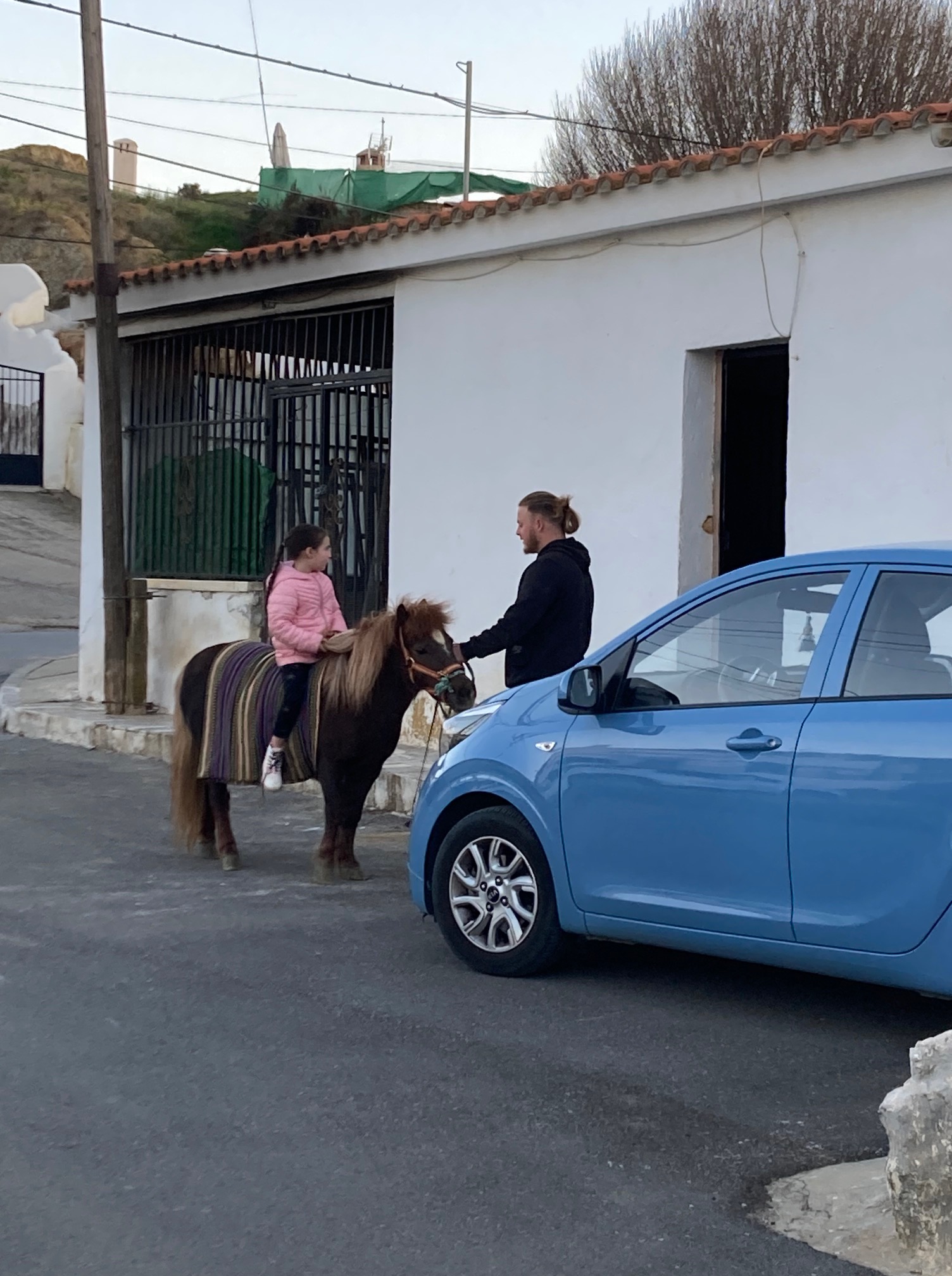
After dinner a stroll. Generally quiet, very cold. The wooden structure had made it into the church and although there was a lot of activity inside, we weren’t allowed in. Came across a young girl on a donkey – in and out of a doorway. We assume schooling rather than rehearsing a role for three weeks time! And we saw some cueva renovations, but there didn’t seem to have been much work for some time.
Zamoranos #4

Day 22. Saturday 29 March.

Another brilliant sky morning in Zamoranos & 3 lovely phone calls ‘home’…so clear, could have been just over the hill! After brekky & coffee, & a load of washing…let’s go for a drive/walk…to the exquisite village of Zuheros & see what’s what. 

Saturday morning the day before a major mountain race event, that’s what (tomorrow 30 March) but we were in luck and snagged a car park – not like the motor home that had been blocked in, and was still so after we left! Some, sympathy, excepting the sign does say ‘passenger vehicles only’.

The village is in the national park Sierras Subbeticas (white houses & caves & bike/walking trails). We judged our level of competence, opting for an oldies ramble around the castle area rather than the mountain goat tracks & found a bustling terrace cafe looking directly over the valley & up at the castle. D asked if anyone spoke English – a young woman was pushed forward so D ordered dos cafes con leche, extra caliente  – she and the staff smiled, and that’s what we got, without the extra. Z is the ‘cyclamen town’…

Then up, up, up to the top view & a picnic lunch…

After lunch, ‘why don’t we just take the road on the noticeboard down to the big lake Iznajar’ (only 60 kms on narrow winding roads, but our little Peugot GT will love it, even if the passenger doesn’t). Plug in the name & away, winding through mountain roads. Yes, arrived at Iznajar late afternoon to find that the early birds of summer had arrived with fabulous campsites,  reminiscent of our alpine lake sites at home – fishing rods were out, kids preparing for some ‘jetty jumping’,umbrellas, camp chairs, wine glasses…The lake also has a sailing club & cafe/bars.

Return to home base via a goat track that had T saying she prefers ‘N’ roads…someone else had had Saturday tasks…

And our own Saturday tasks were complete. 

Tonight – Daylight Saving starts in Spain.

Dinner. Baked potatoes with Jamon and Brie, with a tuna salad.

Zamaronas #3

Day 21. Friday 28 March

This week has reminded us that we are a long way from our family and loved ones. They are not, however, far away in our thoughts. We hope the love reaches you.

End of Week Three. An early start for us, with a drive of 70 km or so to Cordoba for the day. Pretty easy trip – traffic was light until we got to Cordoba. Having had a surfeit of roundabouts so far, there seemed to be few in the CBD, so when we missed our pre-booked parking it was quite a long turn around. Made it, checked in, but needed a new ticket, we presume because the system didn’t recognize the French number plates. But the attendant was very helpful. D pleased with himself (T very impressed) as it had worked.

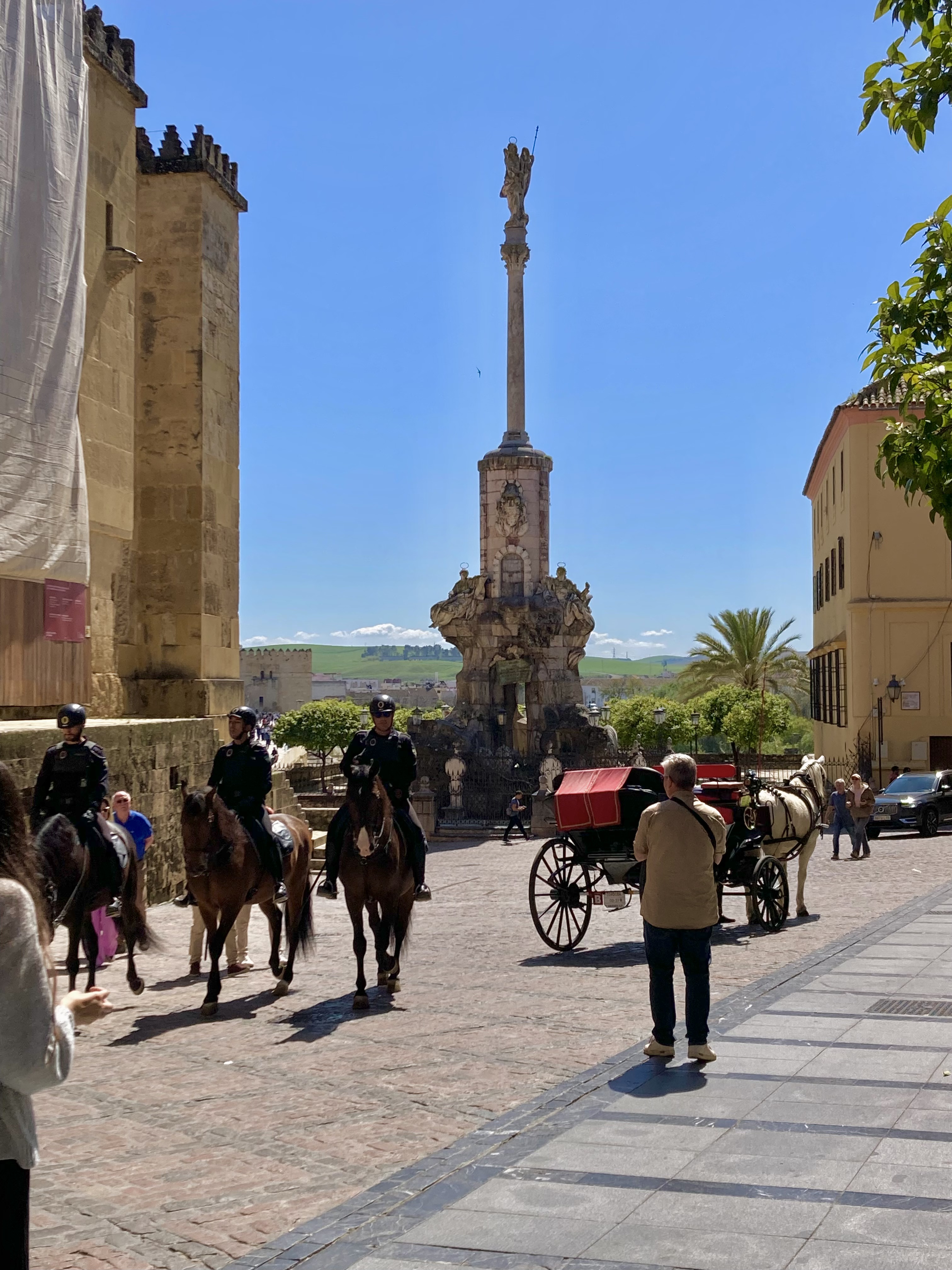
Walked down to the Historico Centro, with first priority getting a coffee. Not so easy, so headed for the Mezquita, where, fortuitously there was a cafe just waiting for us! Shared a table with a gentleman of our age from Ireland, and a young couple from Turkey, and had some lovely chats. The gent from Ireland was an American draft dodger from the Vietnam War, and had, eventually, become an Irish citizen (D didn’t admit to his career). He became an artichoke farmer (Irish mists perfect for artichokes…T has been wondering about buying/cooking) and an environmental writer.

Wandered up to the Mezquita entrance, where T had her fortune told by a ‘special rosemary’ wielding seer. Apparently she is going to live a long life, is a grandmother, and will/has married a handsome stranger. Things turned sour when a paper note was asked for and T only had a few coins.

Entered the courtyard to the Mezquita to see a sign offering online login, so D hastily began booking entry and audio guides, at 1254, for an entry at 1300. Needless to say, the process was slow, but we made it through the checkpoint on time to find that the audio guides had to be picked up at a booth on the other side of the courtyard. D rushed over, picked them up and we were away.  And although entry is regulated, exit is not, so there was actually no pressure to rush.

We started listening to the audio guides and were somewhat bemused that the commentary didn’t match the numbers on the various significant points. It took about 10 minutes to realize that the numbers on those points weren’t the same as the ones on the audio guide pamphlet – duh! So, having got that sorted, we were away.

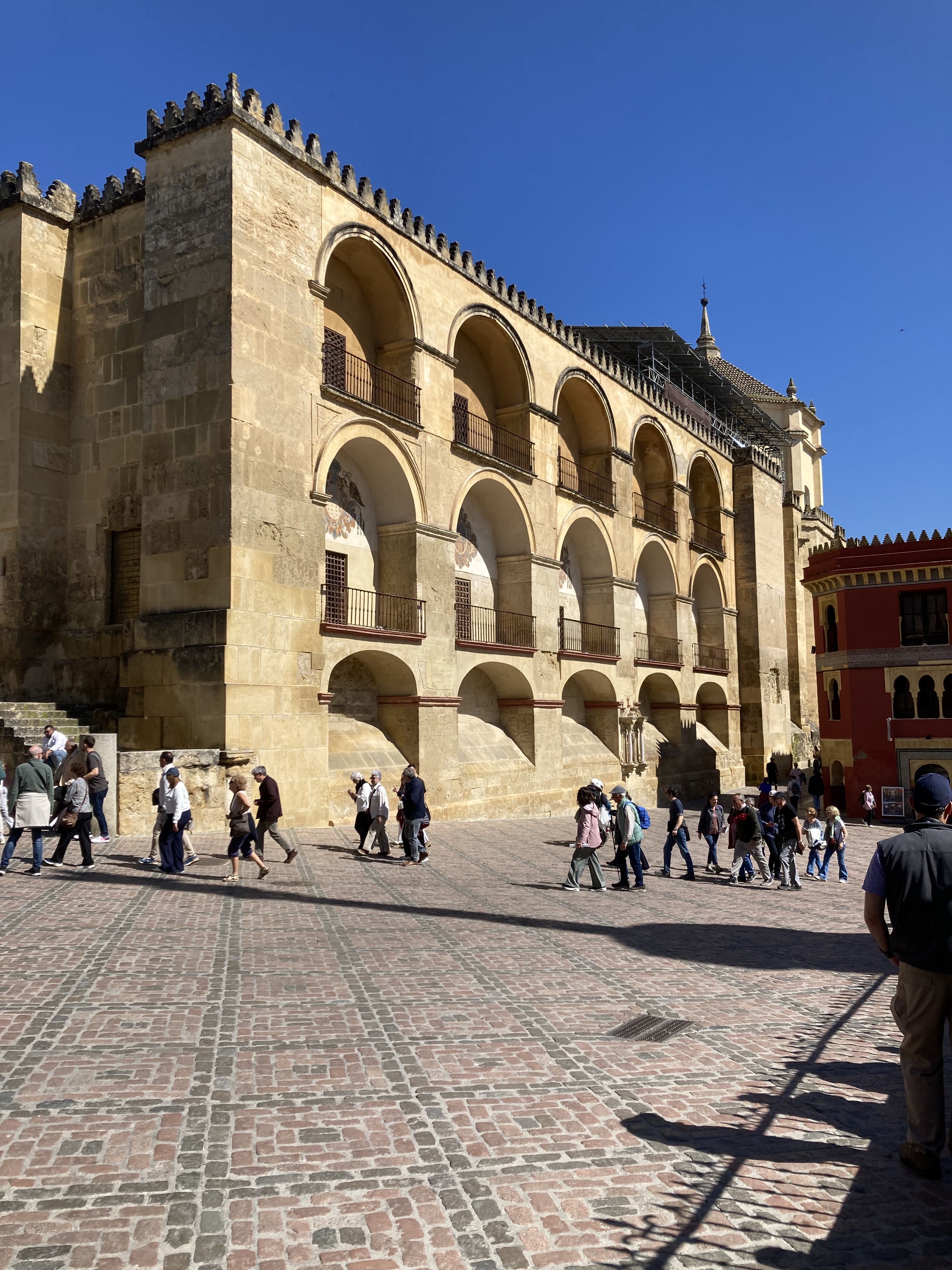
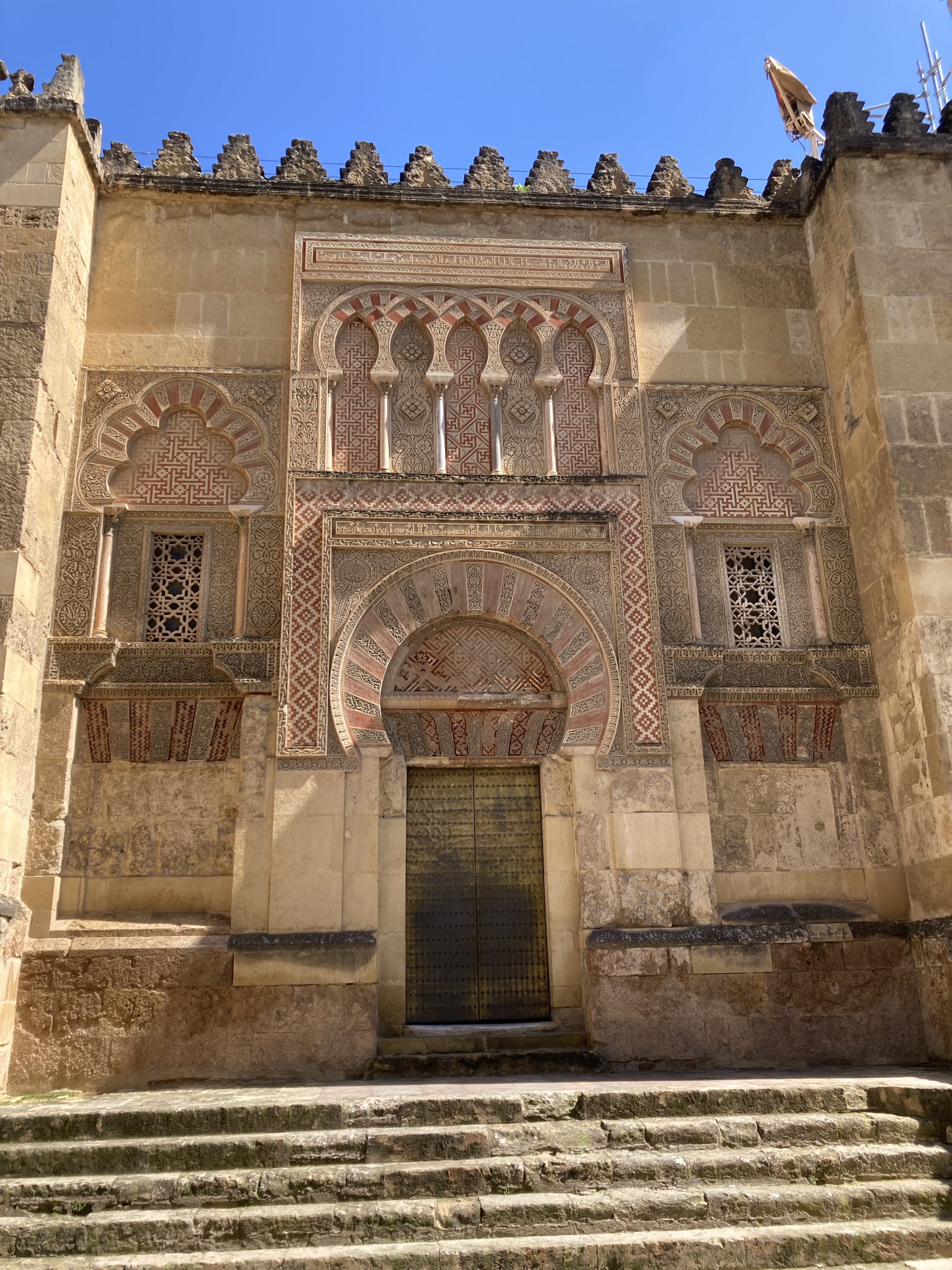
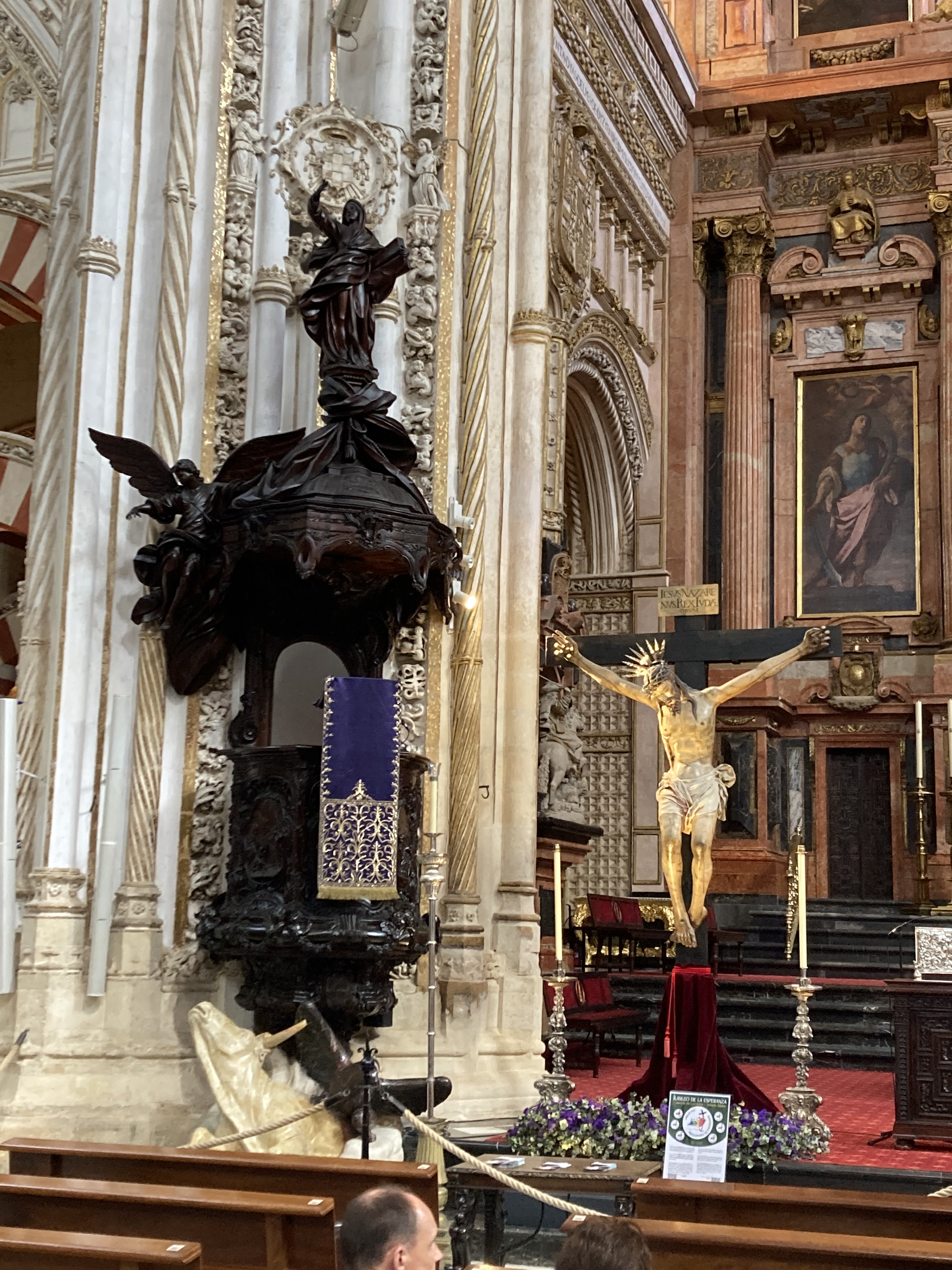
It is a magnificent structure – mosque built on church built on mosque (or some such progression). Over centuries, some parts were destroyed, taken over, modified but the essence has remained. We later heard of the tolerance between the Muslim, Jewish and Christian communities, and this building perhaps demonstrated it somehow. In the end, the whole experience was overwhelming.

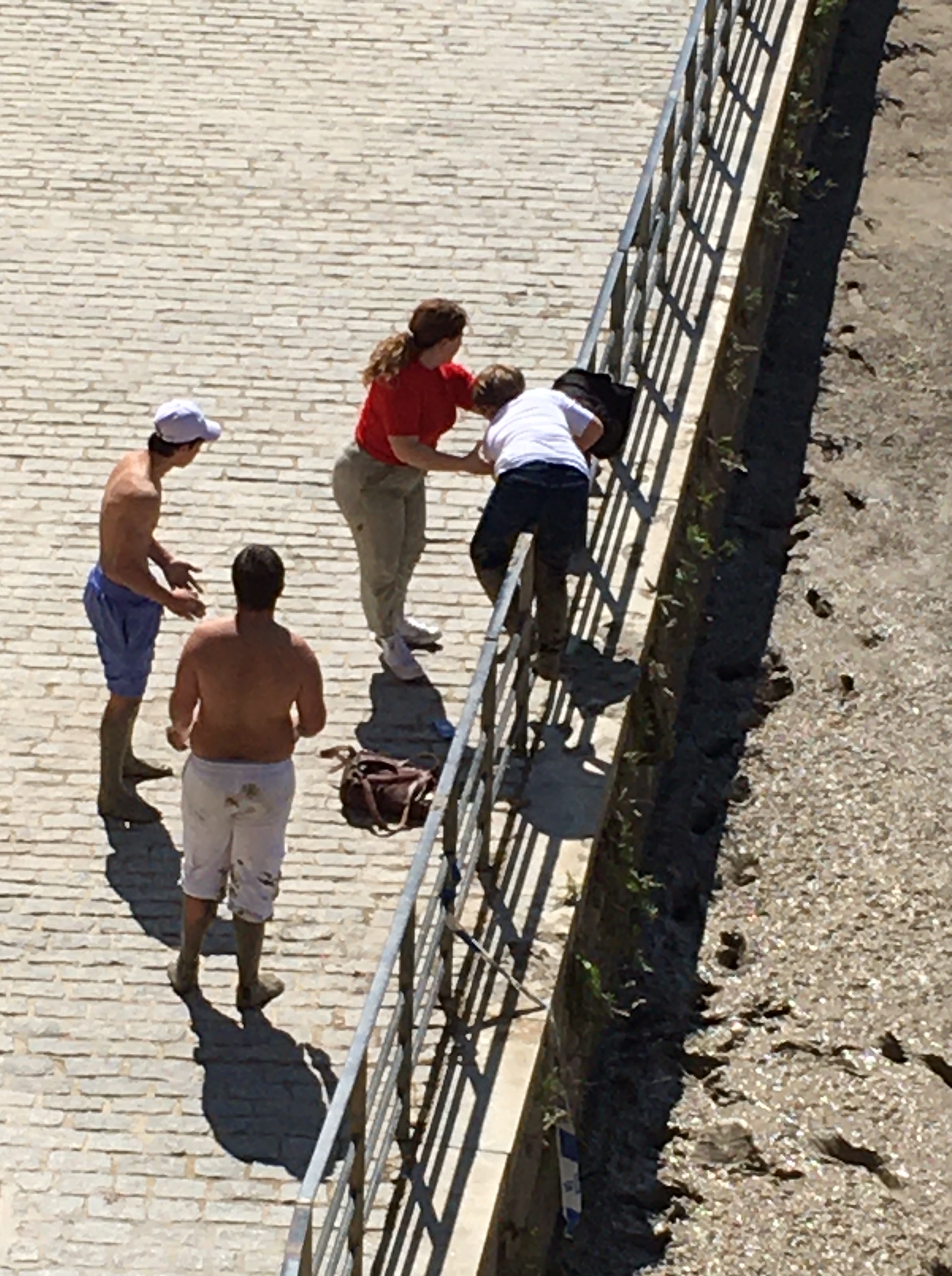
We took a walk across the Roman bridge, where we saw what we think was a rescue of a young boy who had jumped into the mud, but was rescued by a couple of teenagers.

But now we were whacked and ready to finish up. Then we noticed a Big Bus, ticket seller, so opted for the overview: two tours – one around the Historico Centro and the other more generally around the city, with some overlap. As we have found before, a good way to get an overview.

Stayed on the bus until we were able to get off close to our parking spot. T suggested some refreshments at the Mercado Victoria, which she’d spotted on the city tour. The Mercado seemed to be a bit of a location for what seemed to be hen and stag parties: it might get interesting later. We had a couple of non-alcoholic beers and our first tapas! Picked up some supplies at a nearby Dia and then tried to exit the car park, but the ticket machine wouldn’t recognize the card. After several attempts, a very kind gentleman came over and also tried unsuccessfully. When D said he had no Spanish, he pushed the button to the attendant, and after much discussion back and forth, the boom lifted. Muchas gracias, Senor. An easy drive back to ‘home’ before dusk.

The little Peugot has been great, and easy to drive as we’ve become more familiar with it. D is a bit bemused by the fuel consumption: the range increases the further we drive! It is a hybrid.

Dinner. Rump Steak Medallion substitutes: New York burgers with red onion, tomato and chili salsa, with fresh bread and extra virgin olive oil.

Zamoranos #2

Day 20. Thursday 27 March.

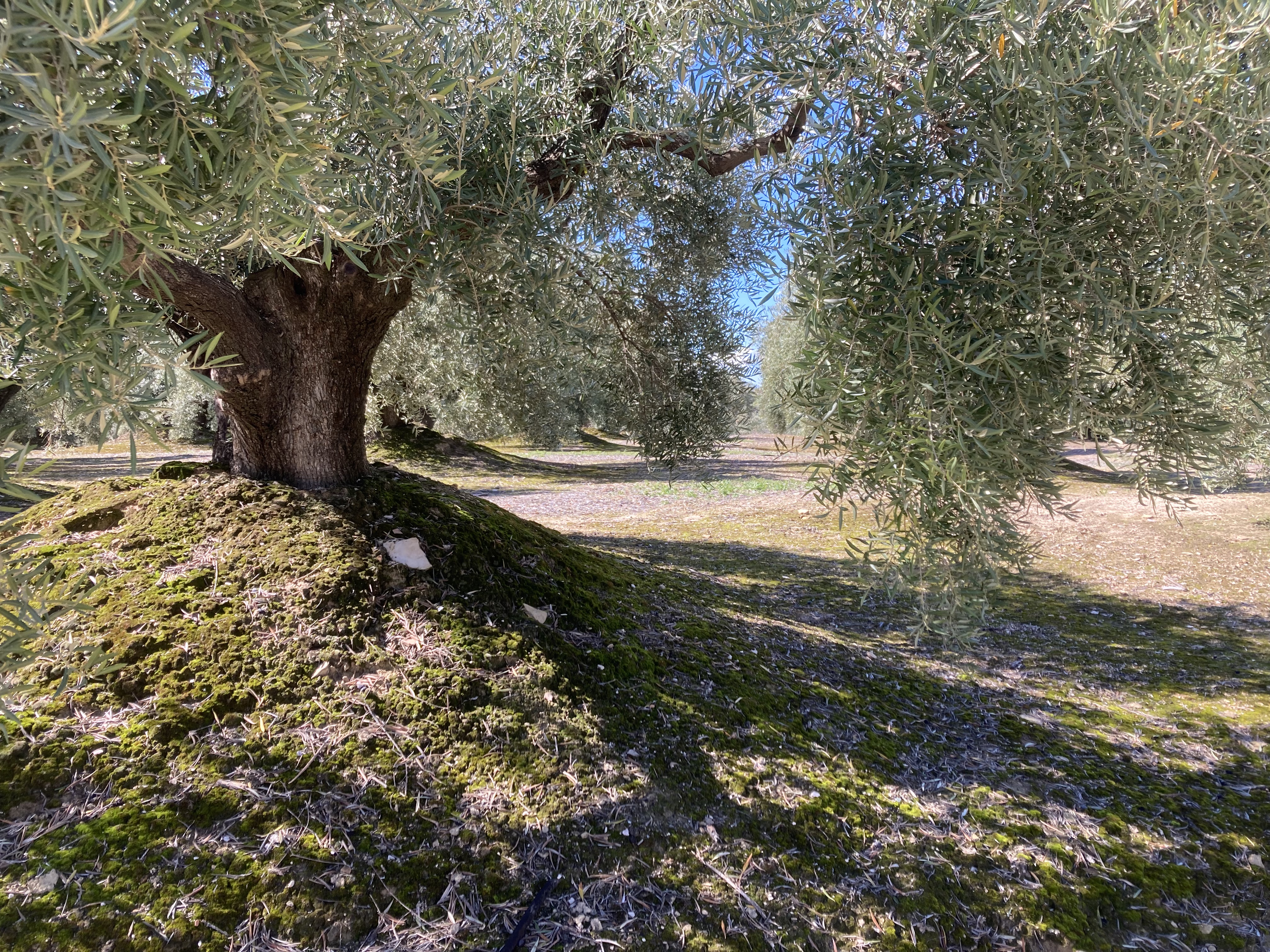
A brilliant morning streaming through the bedroom windows…T decides on a walk through the olive groves and up the hill behind our house while D does the ‘screen homework’. With instructions sent from Craig, we’ll later try the espresso machine for a good coffee! (It worked – thanks Craig and successful random pressing of buttons).

Thinking of home with sad news of Leonne Grant’s passing and sending hugs to Fiona, Cam and the Grant clan. To us, she had always been a lovely, gracious lady.

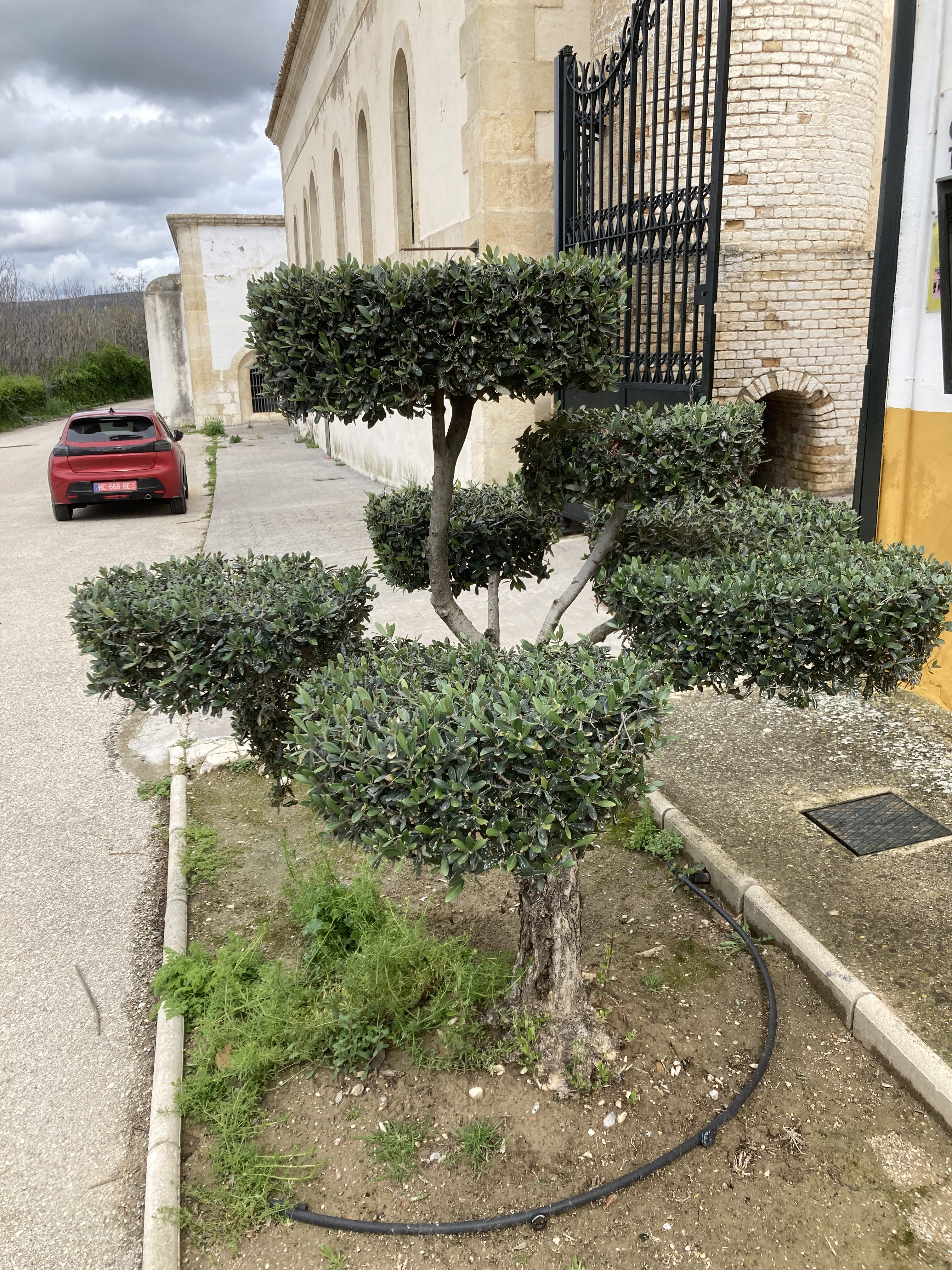
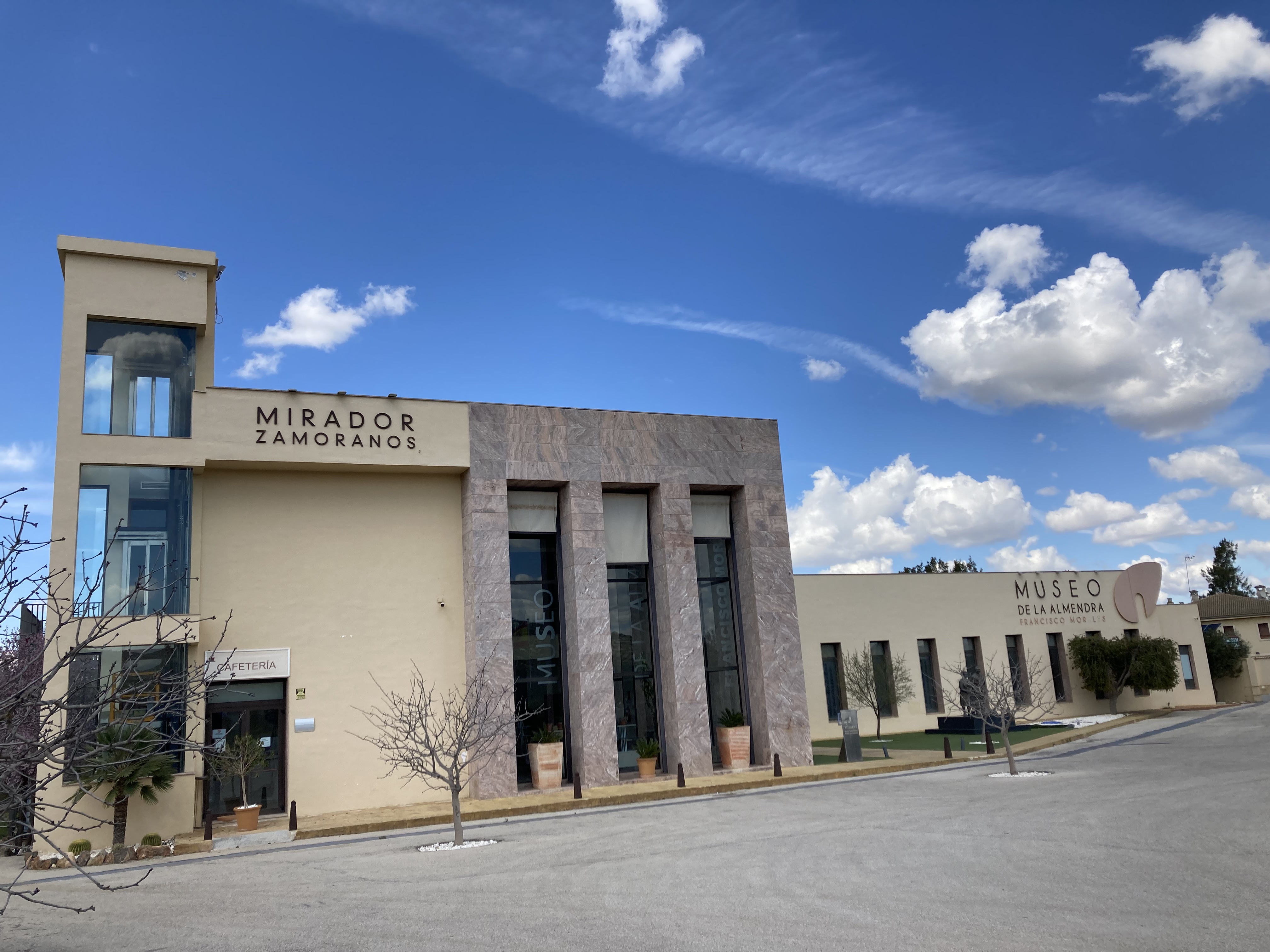
Walked into the village and caught up with Maria on our way to the Museo Almandra. Although small, it was very well laid out, and the old equipment well renovated, but the descriptions were in Spanish so we had to guess. Part of the museum – about half actually, was dedicated to Manual Benitez Perez, the matador known as El Cordobes. In a bizarre way, that took D back to 1969 and the goings on at RMC, but that’s another story. And some interesting topiary on the way back.

After a slow afternoon we ventured out with Jose to visit some historic sites at Luque and then Zutheros. What did we find? At the first location, a church, a castle (no surprise there), a mural against domestic violence (these are common) and some Spanish men playing boule (a first).

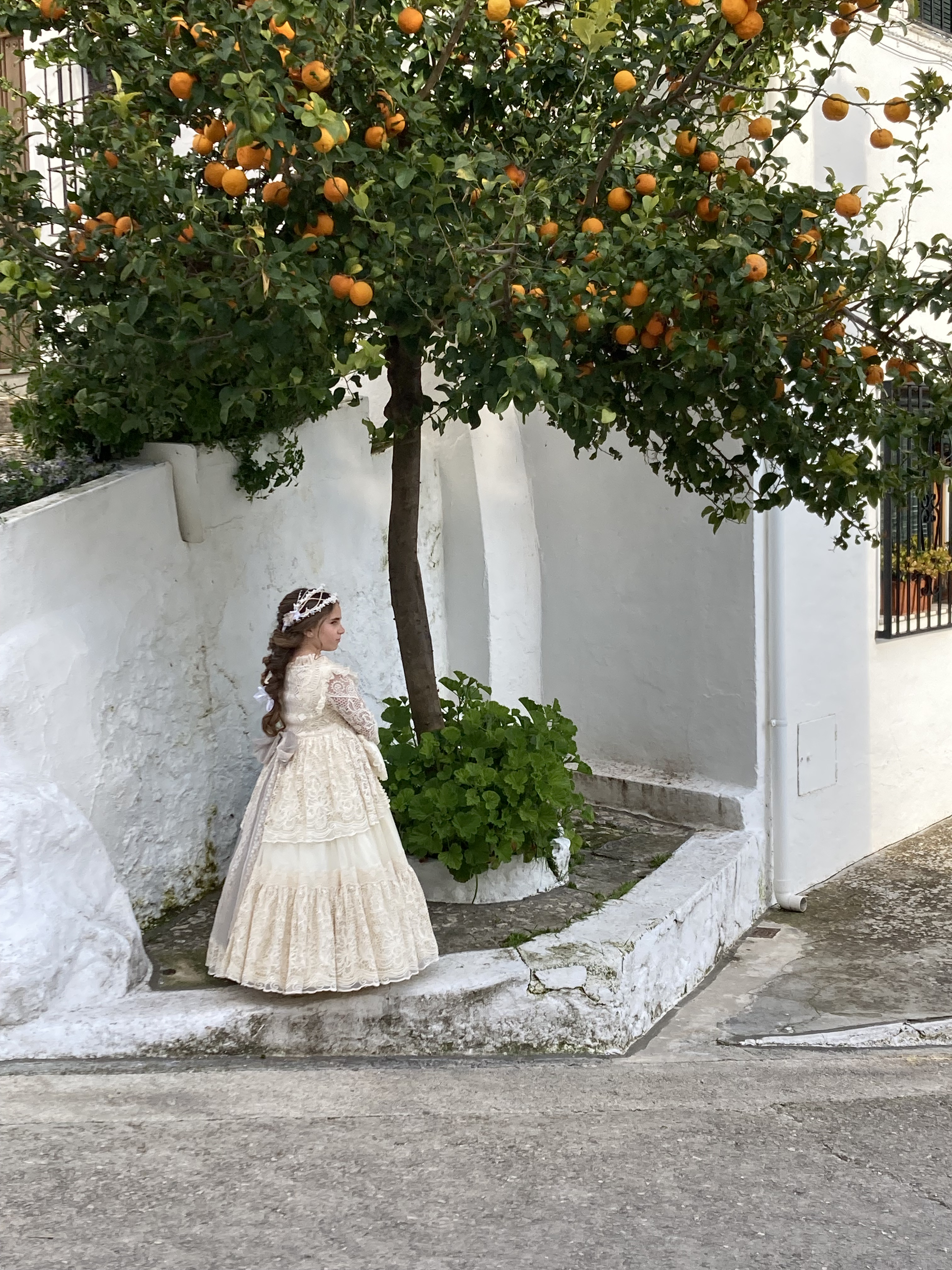
At the second location, patient traffic (us), a photographic session of a young girl in her Confirmation dress (proud parents happy for us to also take photos), a lovely quiet village, and a view of some caves occupied centuries ago by the Muslims.

So, back home for dinner. D decided to detour via a nearby village, Fuentes Tojar, to try to find a supermarket to buy bread. No such luck, and we totally confused PeuDo by ignoring the inputted destination of ‘home’: she retaliated by rerouting us on some longer obscure route (13 km), but we’re aware of her tricks so simply retraced our route (3km). We think we’re beating AI.

Dinner. Vegetarian meets carnivore. This started out as a vegetarian meal: freshly cooked chick peas, sweet potato, potato, red onion, garlic, herbs & spices, tomatoes, spinach –  which was then topped by jamon.

Zamoranos #1

Day 19. Wednesday 26 March.

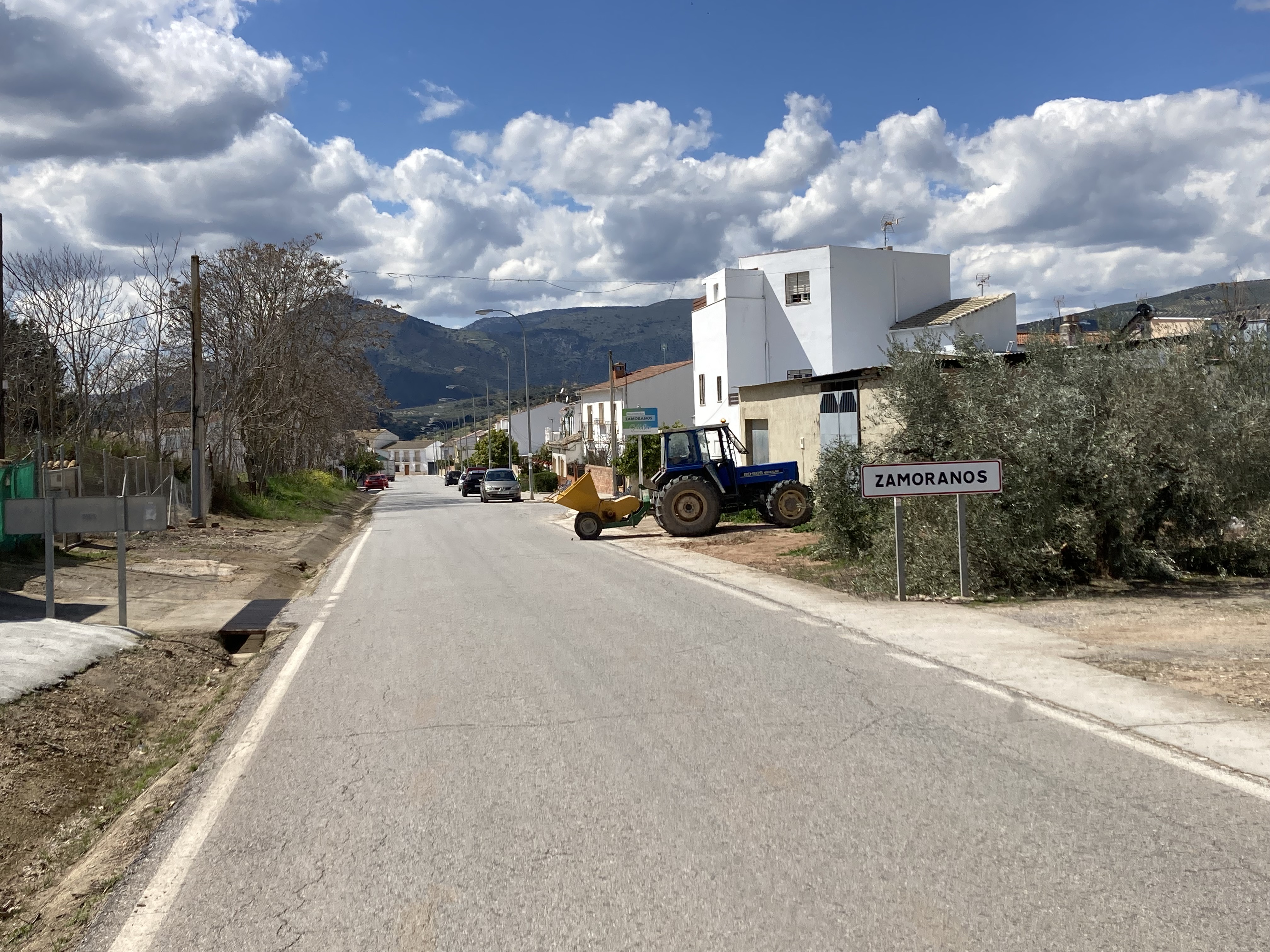
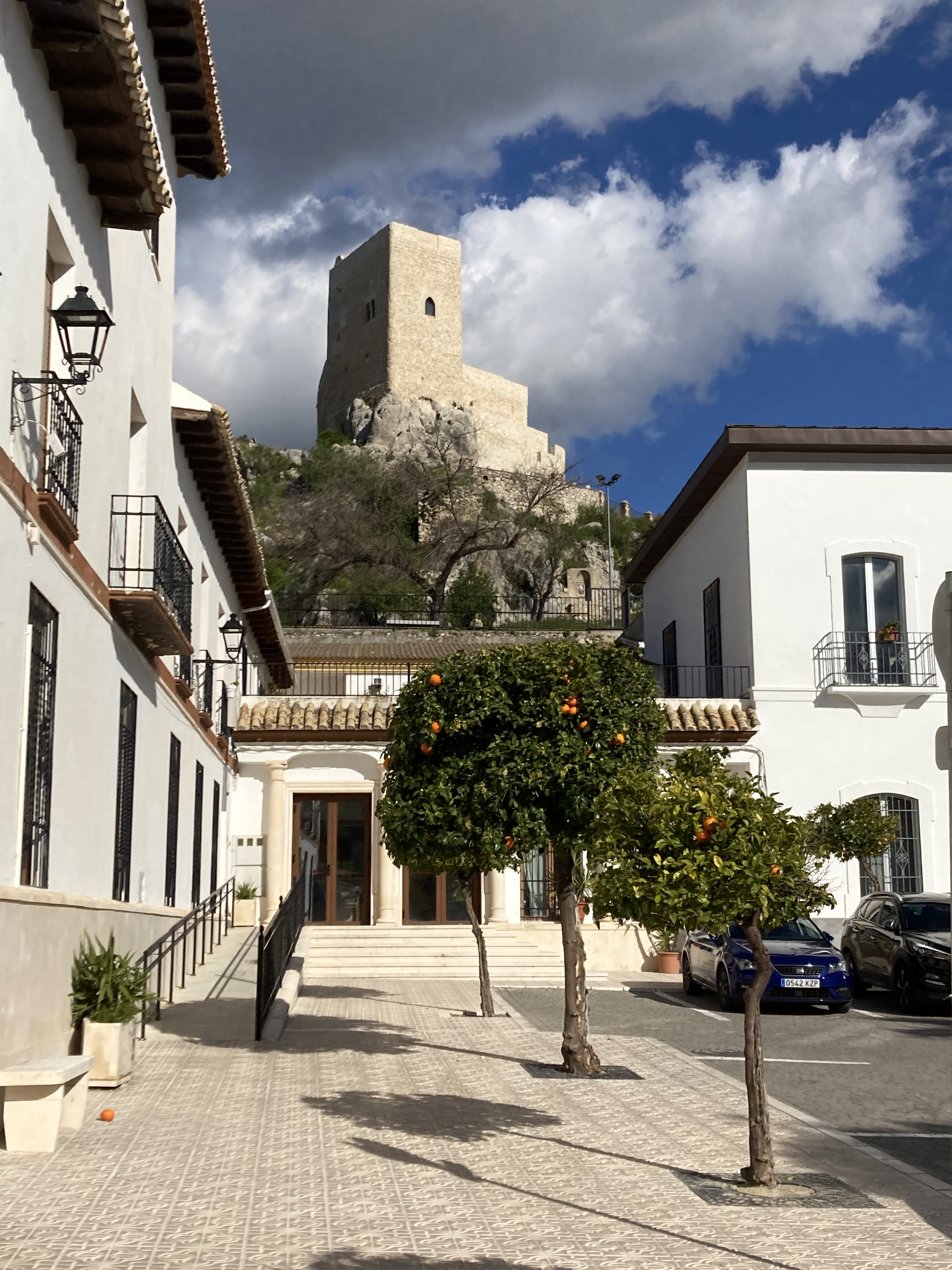
We made it out of Callejon Pilar de la Imprenta unscathed for the last time. Peugot Doris (PeuDo) decided to take us on a circuitous route towards our first destination Martos, Cradle of the Olive Grove, where we found parking – a miracle – right alongside the walking track we planned to take, the via aciete. We followed the instructions in a booklet: there was, however, no map so it was a bit of a challenge. The stroll took us through olive groves towards a pomace factory, where we were promised views of 500 year old trees. We think we saw them, and have convinced ourselves we did, but are not really sure.
Back to town, to find we were too late for a cafe coffee as they had closed at 1230 and it was by now ‘beer o’clock’. But we picked up some sweet things from a Patisseria and got good coffees at a bar, for 2 Euros (less than 4 AUD). Take that for cost of living, Jim!

So, on to Zamoranos, our home for the next three nights. As we left Martos T noticed a sign pointing to the centuries old olive trees so we did a turn around to see if we could confirm our sightings. No. By now PeuDo had tried to unsuccessfully get us back on track a few times, so in a fit of pique she took us on some round about way to our destination, then refused to find our actual address. We switched to the phone, and after running us around in circles Doris eventually guided us there.

We had messaged back and forth with the owner, Sara, who lives in Majorca. Maria, her mother-in-law, met us to introduce us to the house, which was managed without her English or our Spanish, partly with the help of the translating device, partly by broken phrases, gestures and just common sense – and lots of laughs.

After 5PM we headed into Priego de Cordoba, about 10 km up the road, to get supplies. Mountain views spectacular! Had a wander around, noting the absence of fresh milk but T marveled at a bunch of spinach (no prizes for menus for next 3 nites), resisted the salted fish (a reminder of Scandinavia, but,  done with tomatoes, it’s a traditional stew here), 2kgs of enormous strawberries for 3.75 euros (pass, as we can’t consume quite that amount) then headed back with dinner (spicy marinated chicken bits) and a bit more, arriving just at dusk.  PeuDo again gave us the run around in Zamoranos, but we got there!

Jaen #8

Day 18. Tuesday 25 March.

Last day in Jaen, and we did go back to Ubeda, the Renaissance city & purportedly the oldest city in Western Europe, with map and guide in hand this time. The first challenge (excluding negotiating the narrow streets to drive out) was finding parking when we arrived. We lucked in, the last spot, and were then able to applaud, along with her crew and a few others, a lady who managed to squeeze her car into a very tight spot opposite us.
We opted to select the Ruta de las Tres Culturas tour (there were five suggestions), of 13 sites, but that also gave us a good overall view, as we passed many others not on this list. We took a minimalist approach, using the guide and the excellent multilingual signage.
The one exception was joining a tour, only offered in Spanish, of the Synagogia del Agua. We were handed a book in English, so we’re able to appreciate the tour, the simplicity of design & decoration, notwithstanding we had no idea what was being said! Interesting to see Christian symbols, including the crucifixion.
A lot of this site is underground: T enquired about this and was told that this was because the Jews were obliged to build their edifices to be lower that the Muslim or Christian ones. No comment required.

We are now at the stage of having exhausted our ability to take hugely different photos! Ubeda is a beautiful & fascinating city that blends the stories of 3 big religious/cultural groups.

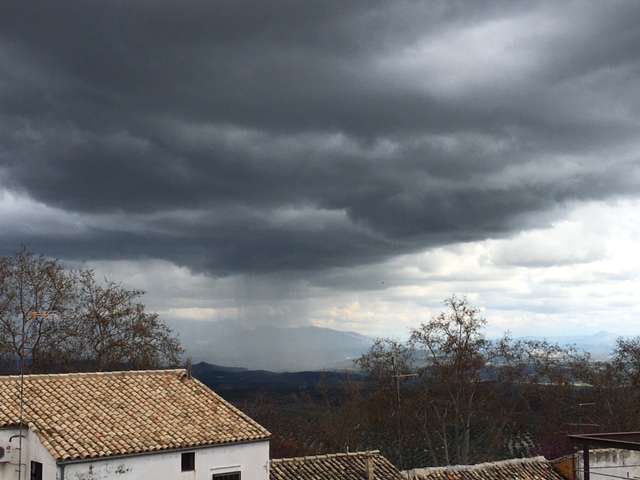
The afternoon sky looked ominous, but we were blessed and returned to Jaen high & dry, if a bit route-befuddled (so many roundabouts and the car GPS insists on us walking part of the way!)

Then there was a short walk to a recently discovered tourist information office where we picked up some stuff on Cordoba. And T asked again about the ritual happening each day at the church Sanctuario Camarin de Jesus. We were told that at this pre-Easter time, visiting & venerating the statue of Jesus is a routine thing (we’ve seen all ages & lined up in hundreds) & we were asked if this happened in Australia. No.

We’re now booked up a bit ahead: Zamoranos (accessible to Cordoba), Gaudix (cave house) and a bit later, Granada to do the Alhambra. There is a bit of a gap before the last two, but there is no particular pressure, so maybe T can relax!

Dinner. We had rather a big lunch in Ubeda – paella and chicken noodle soup (which had boiled egg and, we assume, chicken meat in it), both dishes shared, so dinner is home-made simple tapas (aka leftovers).

Jaen #7

Day 17. Monday 24 March.

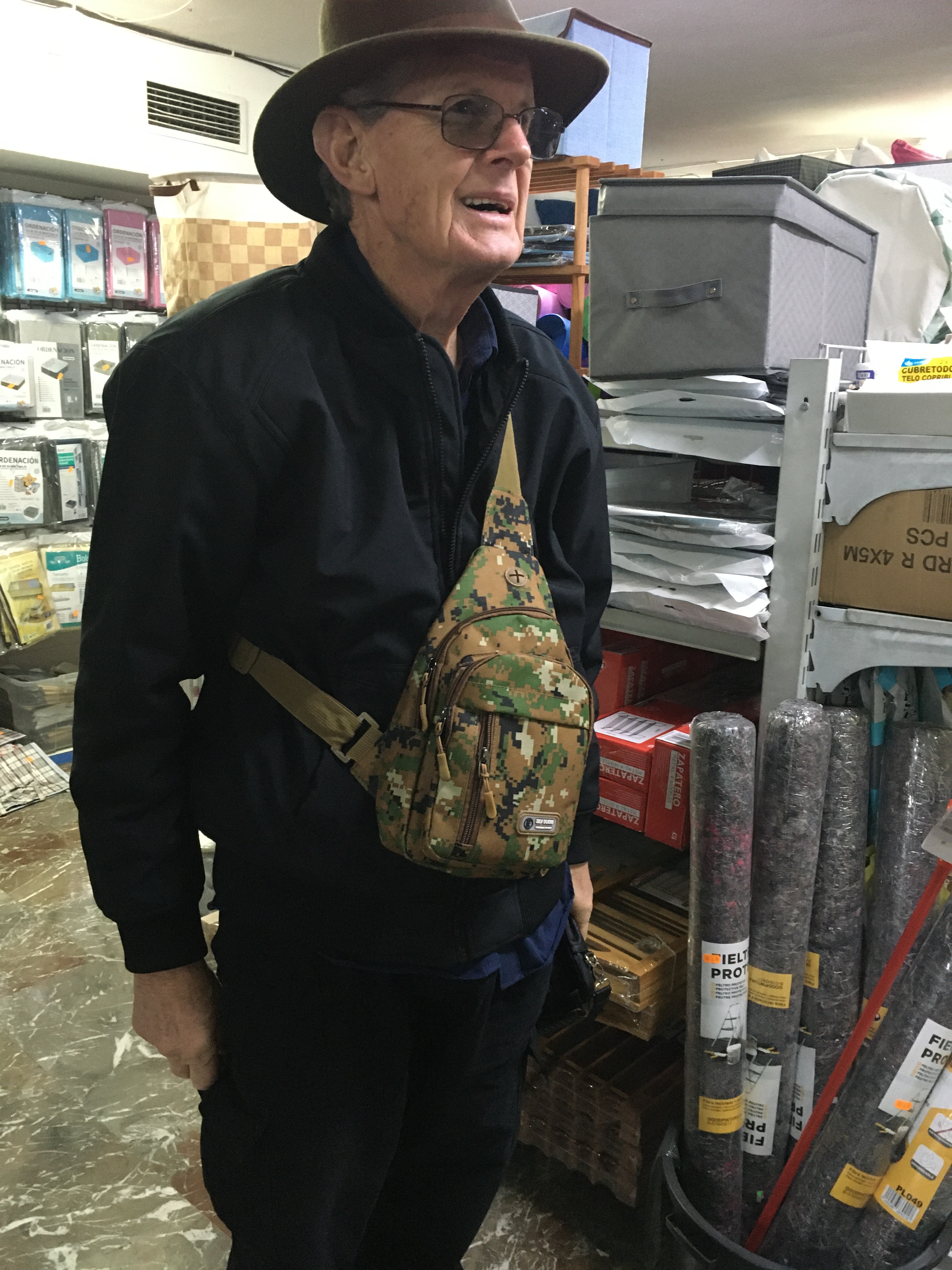
D headed out early to source (not in priority order) milk, wine, garlic, chili and cherry tomatoes. No luck with the vegies.Then it was time to check out some charity/second hand shop and a few other odds and ends. Nothing really to grab us (us?) but D found a new bag – the one he had was not meeting his needs, so he needed to upgrade.T was gobsmacked! But doesn’t feel threatened.

Couldn’t help himself…stood to attention.

We enjoyed walking in the sun and T dropped into a few shops to see the springtime palette and fabric stores. Decided to go local for lunch in the sun on the apartment terrace (yep, we got stuck again with the siesta-closed timings trying to find a patisserie).

Struggled for a couple of hours trying to program a visit to the Alhambra, with ticket availability mostly not until May, but opted for a small guided tour on 9 April – not cheap, but it’s fully inclusive of the major sites.

So, where to live is the next challenge – and where to live/drive before we get there! All part of the adventure.

Around late afternoon we took off for a walk around 14 murals listed in a brochure T found in the apartment (in fact, there were more than the 14 listed). The stroll took us to an area close by, but which we hadn’t ventured into much, although it was past all those church queues mentioned in earlier posts.

The area had a cared-for feel – plants and decorations in most of the streets we passed through. Mind you, the parking was still chaotic! A gallery of the murals follows. Sky was clear, sun bright tho’ cold, but the feeling was so uplifting.

And a couple that weren’t in the brochure….

The weather forecast is good, so tomorrow we plan to go back to Ubeda, armed with maps and guides.

The day has finished with a pasta dish, a decent red & and an apartment booked in Granada. All good.

Jaen #6

Day 16. Sunday 23 March.

Some relief this morning at having our next destination sorted, but we are aware parking will be a constant issue. But on reflection, if we had booked ahead, we would not have been aware of the issues with a car that we need to take into account, such as the very narrow streets, tight turns, limited public parking, not necessarily appropriate private parking etc. We have also found that some of the smaller towns that we might choose don’t have (quite reasonably) frequent bus services or any rail connection. So we’ll try this model: live in a small place, drive to desired destination, park (!) and walk.

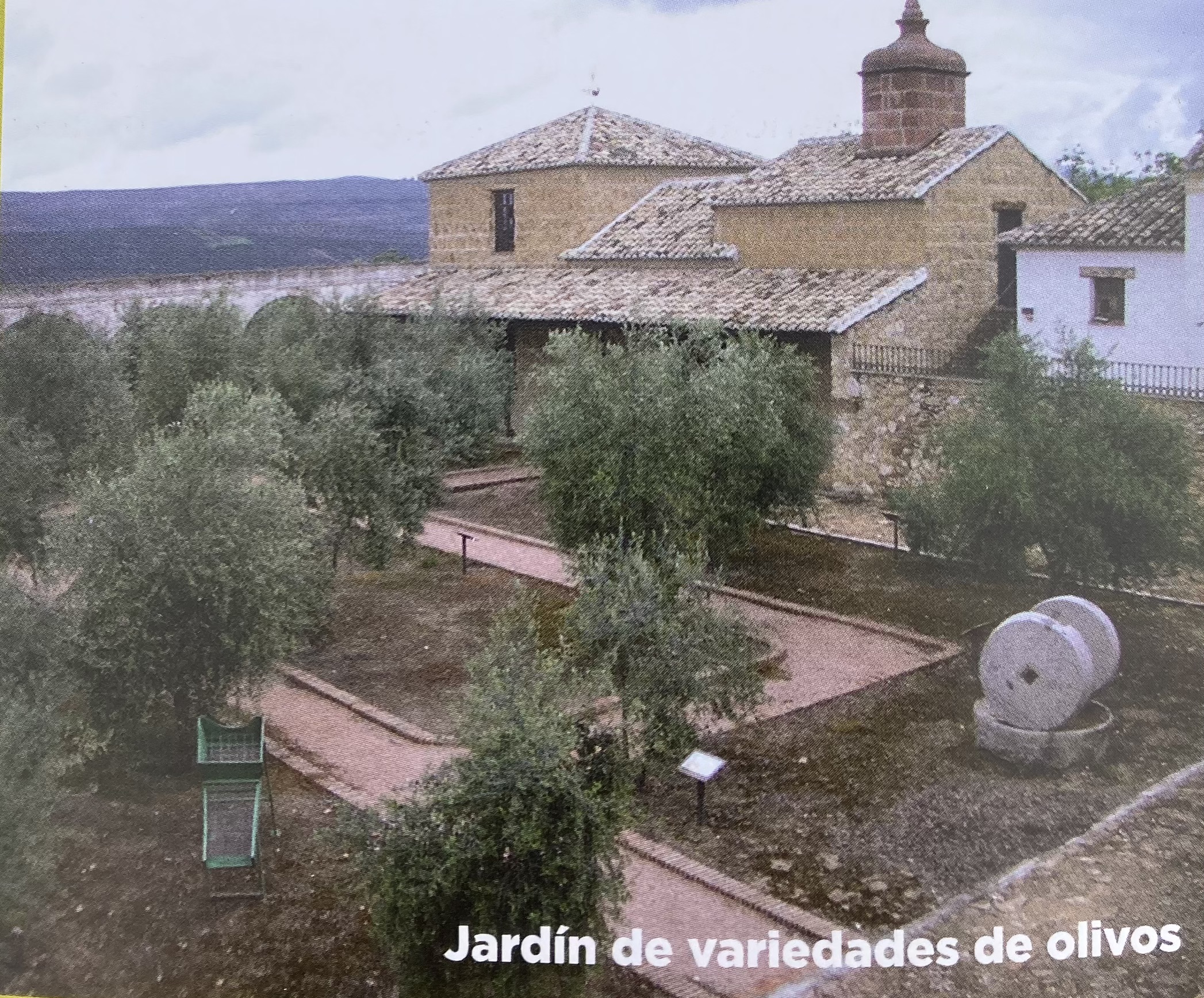
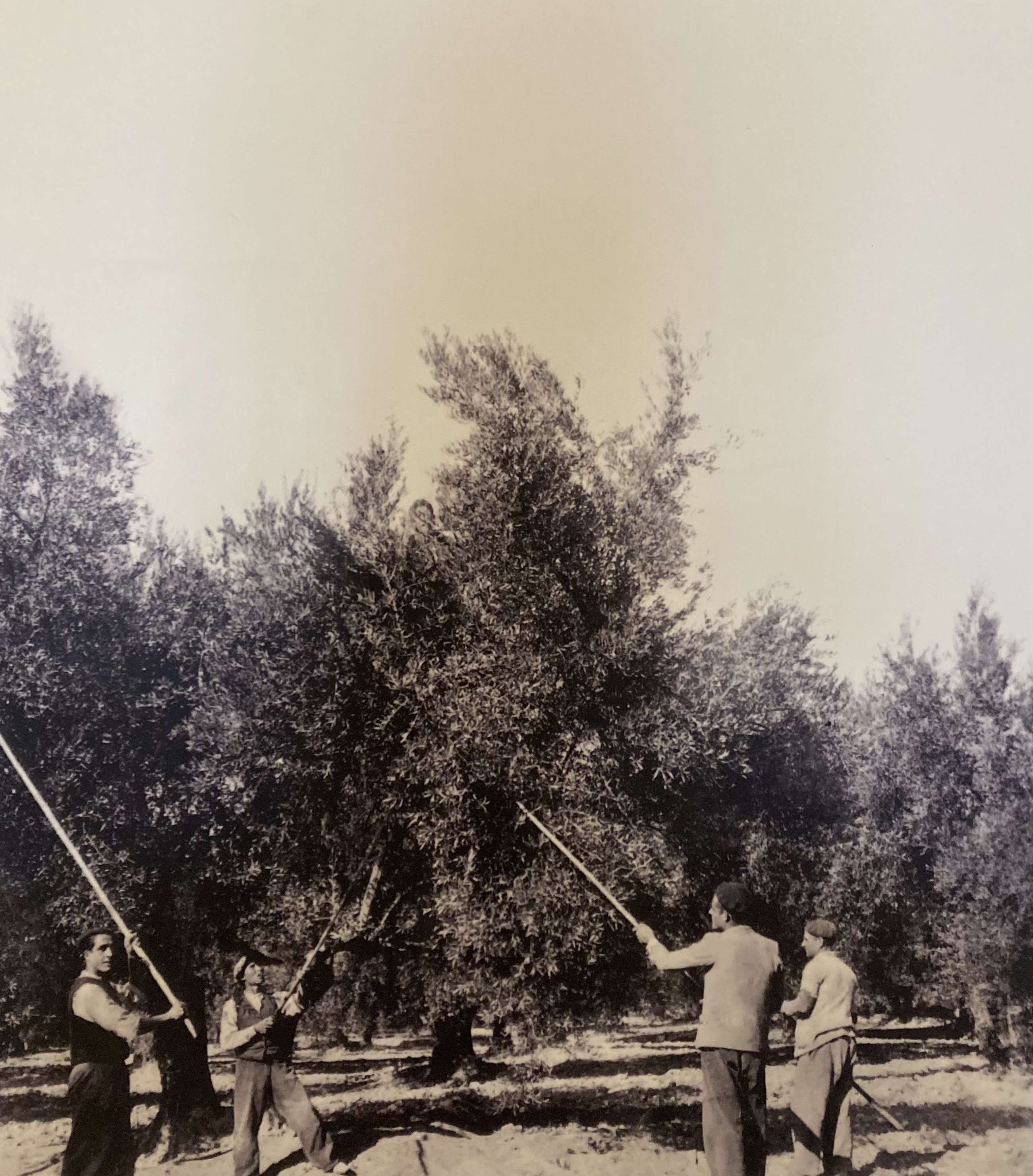
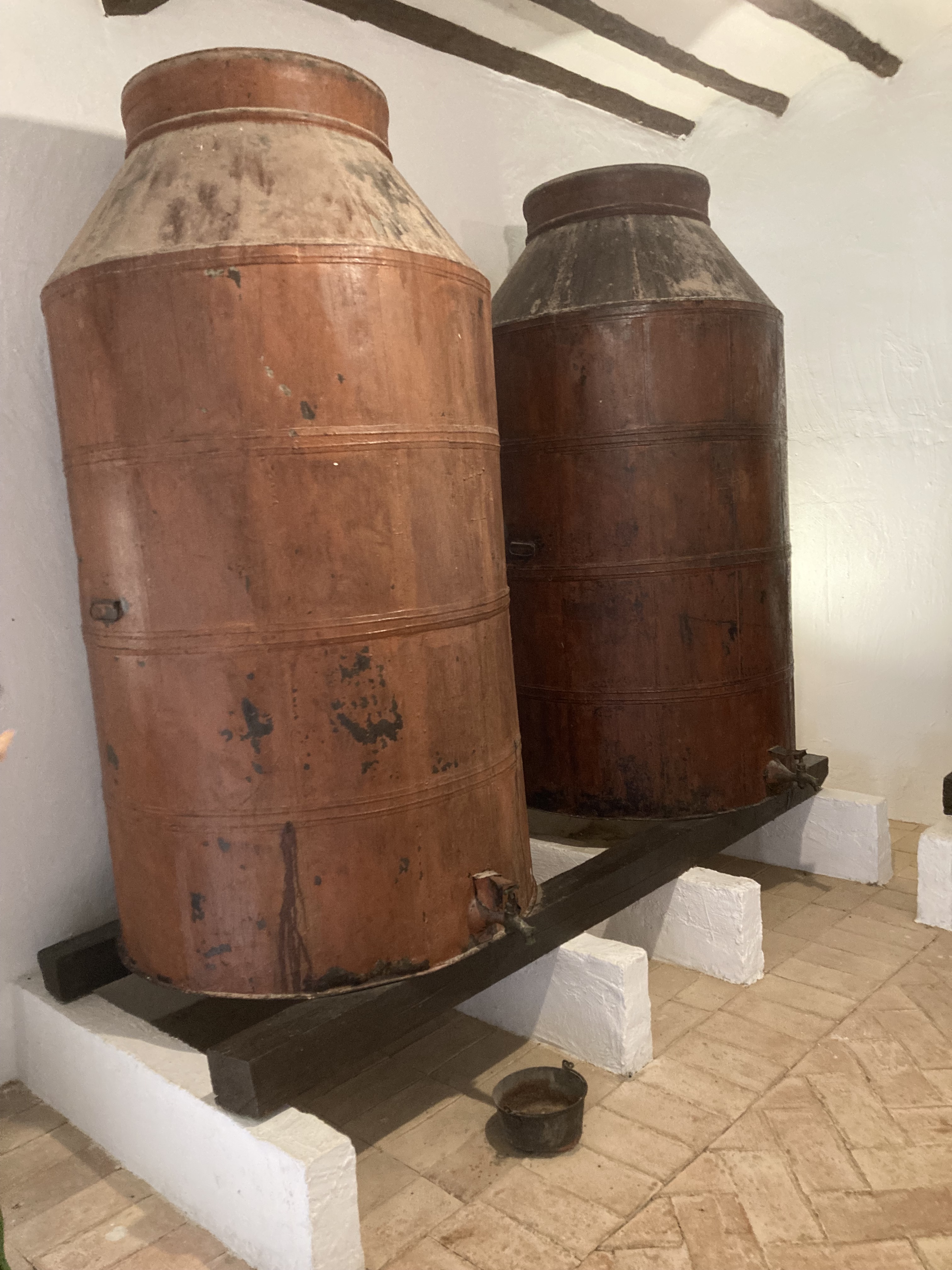
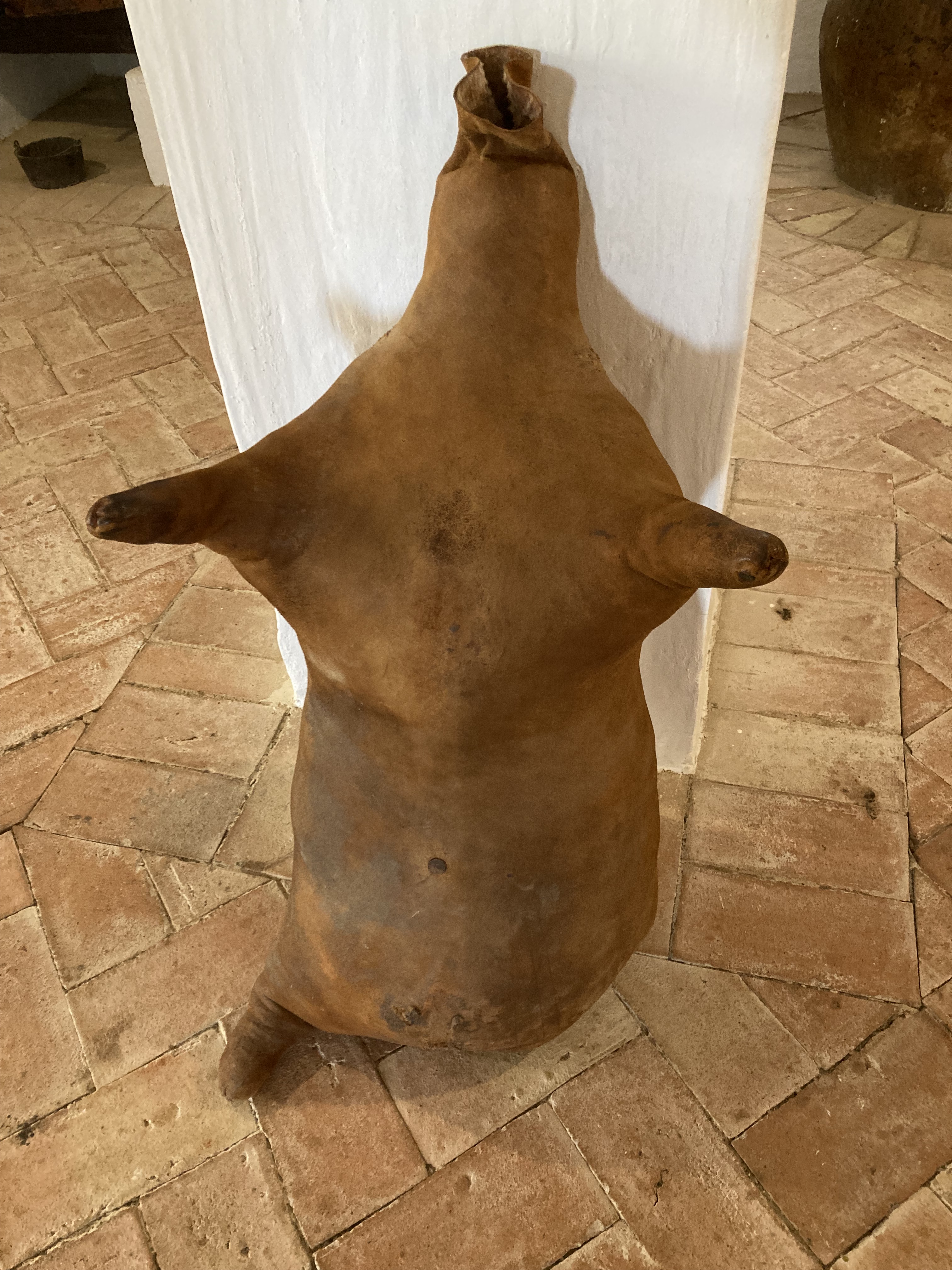
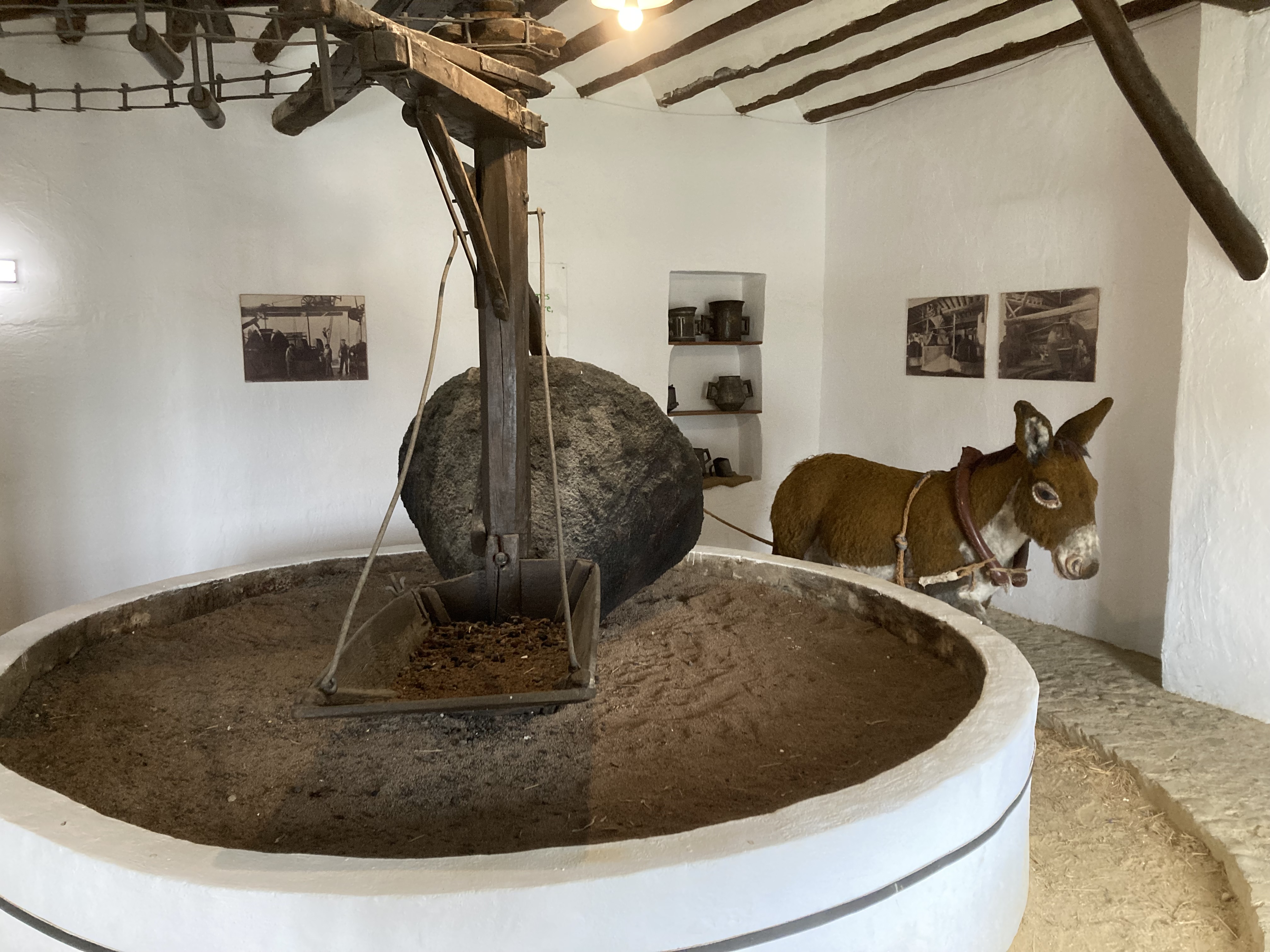
Today the target was to visit Baeza and Ubeda. The historic centres and landmarks of these two towns have been declared by UNESCO as world Heritage sites. But on the way we decided to drop in to the Museo de la Cultura del Olive, as we had often wondered what the process for picking (surely not with staves, as D remembered from his boyhood), extracting and refining now was. And we are in the ‘olive kingdom’ (66 million trees in Andalucia).

We discovered that there was a huge variety of olive trees, some useful for eating olives, others for oil. We couldn’t tell the difference. It was fascinating to see the regrowth of ancient trees: chopped down to ground level, and sprouting new limbs. It seemed that three new trunks was the norm.

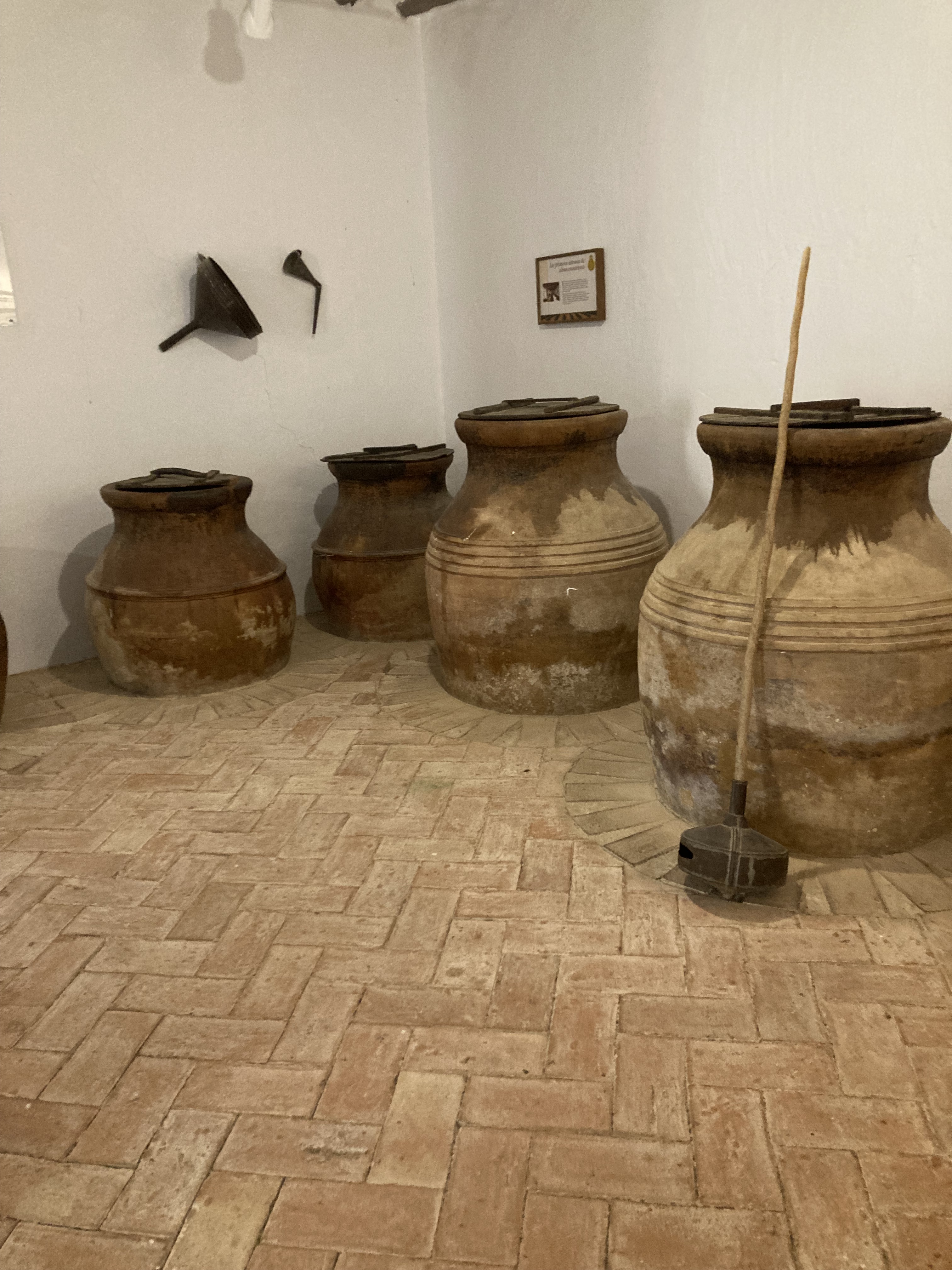
We encountered another delightful and helpful attendant. She sent us off with audio guides, and we were able to wander easily: we were the only visitors apart from another couple, who we didn’t encounter until the end. We discovered that the olives are now harvested mechanically – and processed similarly, with lots of quality control. Interestingly, the way the mechanical devices operate is very similar to the manual processes of the past. Basically it is pick and squeeze, a bit like courtship.

We drove into Baeza, around the expected narrow windy streets, but opted to confine the visit to a mobile tour. So on to Ubeda. Again, a lot of driving around looking for a free parking spot – harder than winning the lottery. We had thought we’d had a win, pulling into a free spot, but then saw the sign ‘vado permanente’ which we learned, is a special permit that allows a property owner to reserve the area in front of their driveway or garage, meaning that parking is prohibited. A bit further on we did have a win, so we were now on foot to try to get to the historic centre, following a sign that pointed us in that general direction, but didn’t have any follow up. T went into a swanky hotel (Michelin signage) to ask where to go and we were pointed in the right direction – ten minutes. Stopped for lunch at a little cafe, having passed several cafes/restaurants that were full of locals. Once again, staff were accommodating and friendly.

Recommenced our walk but not really sure where we were headed, T noticed some very up-market shop windows (all closed) and by now the rain, though not heavy was persistent,and the air very, very cold, so we opted for a return to ‘home’ – good decision, as the rain become heavier as we drove. 

We were faced with a shortage of some essential supplies, but Google maps identified a couple of small grocery stores nearby and one was open, so we were able to resupply most of what we needed.

Dinner. Pork and aubergine casserole (tomatoes, mushrooms, onion, garlic, red wine,) with steamed potato and broccoli.

After dinner, T was still puzzled by the crowds we’d seen queuing to go into the church – they were there again, all ages, this afternoon, in the rain.It’s 3 weeks till Easter, so what is this scene about? So off we went to check it out – it was just a few minutes away. We were in fact the last ones to be let in. We entered into the main church (first pictures) and followed others into the side Chapel. We couldn’t see exactly what was happening, but some appeared to lean down to kiss behind the figure, and one women passed behind the whole time on her knees. Each person picked up a ribbon or wrist band from an attendant before passing behind the figure. We weren’t brash enough to do the whole ritual, and not sure of the niceties, so opted to slide out of the exit doorway. So we still don’t know exactly what it is about – perhaps we’ll follow up tomorrow.

Jaen #5

Day 15. Saturday 22 March.

Started the day with a short WhatsApp chat with a gang from Canberra.

Then we walked down to the tourist office and received some help, but not really what we were after, which was information on the next province to be visited: they held stuff on Jaen but no others. The very helpful attendant was however able to clarify the long queues of all ages outside a local church we had passed a couple of times yesterday (we think, the Sanctuario Camarillo de Jesus), waiting patiently in sometimes drizzle. She said they were waiting to kiss the feet of Jesus – she said an image, but we assume a statue (that seemed to be confirmed on Google).

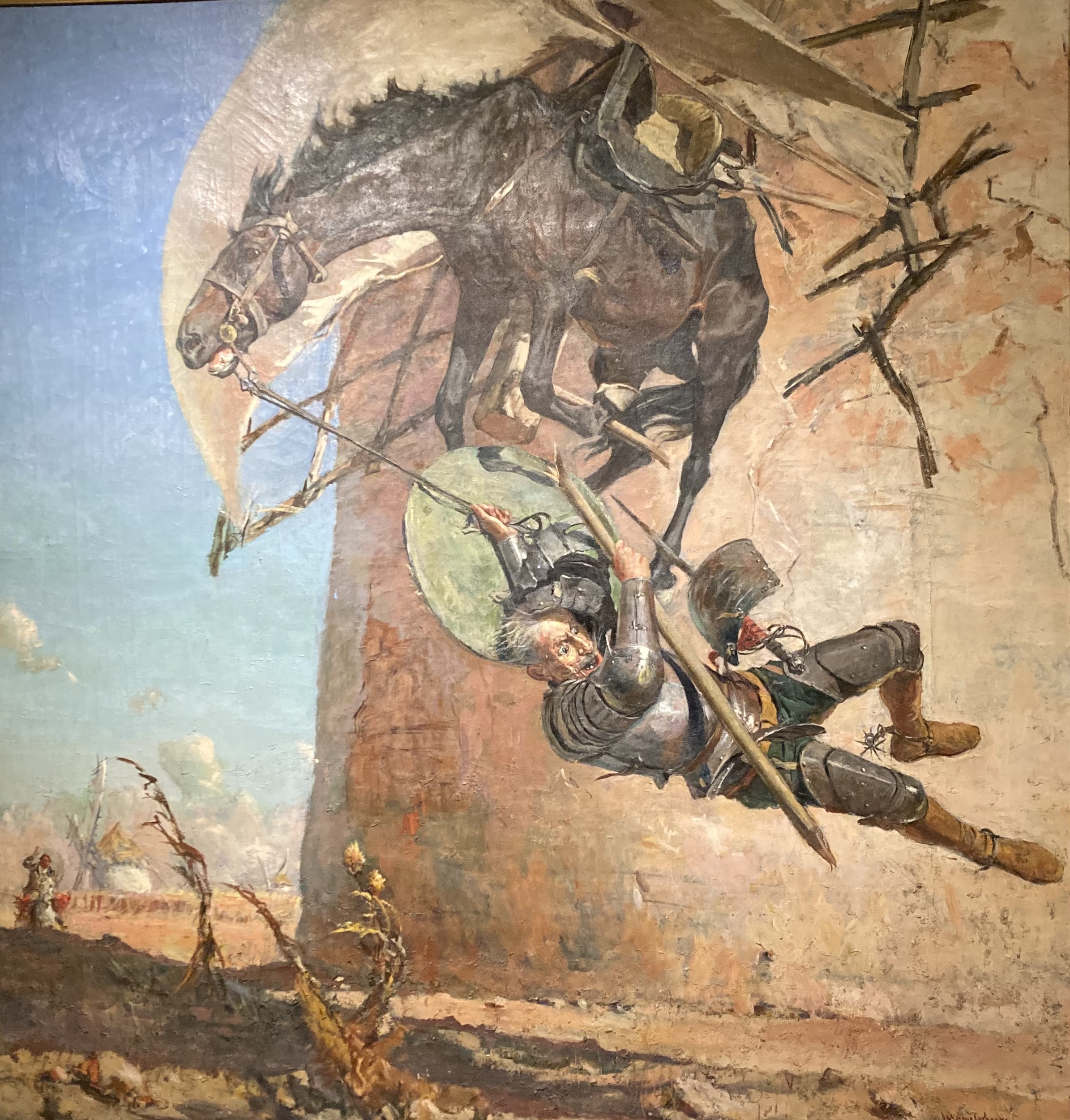
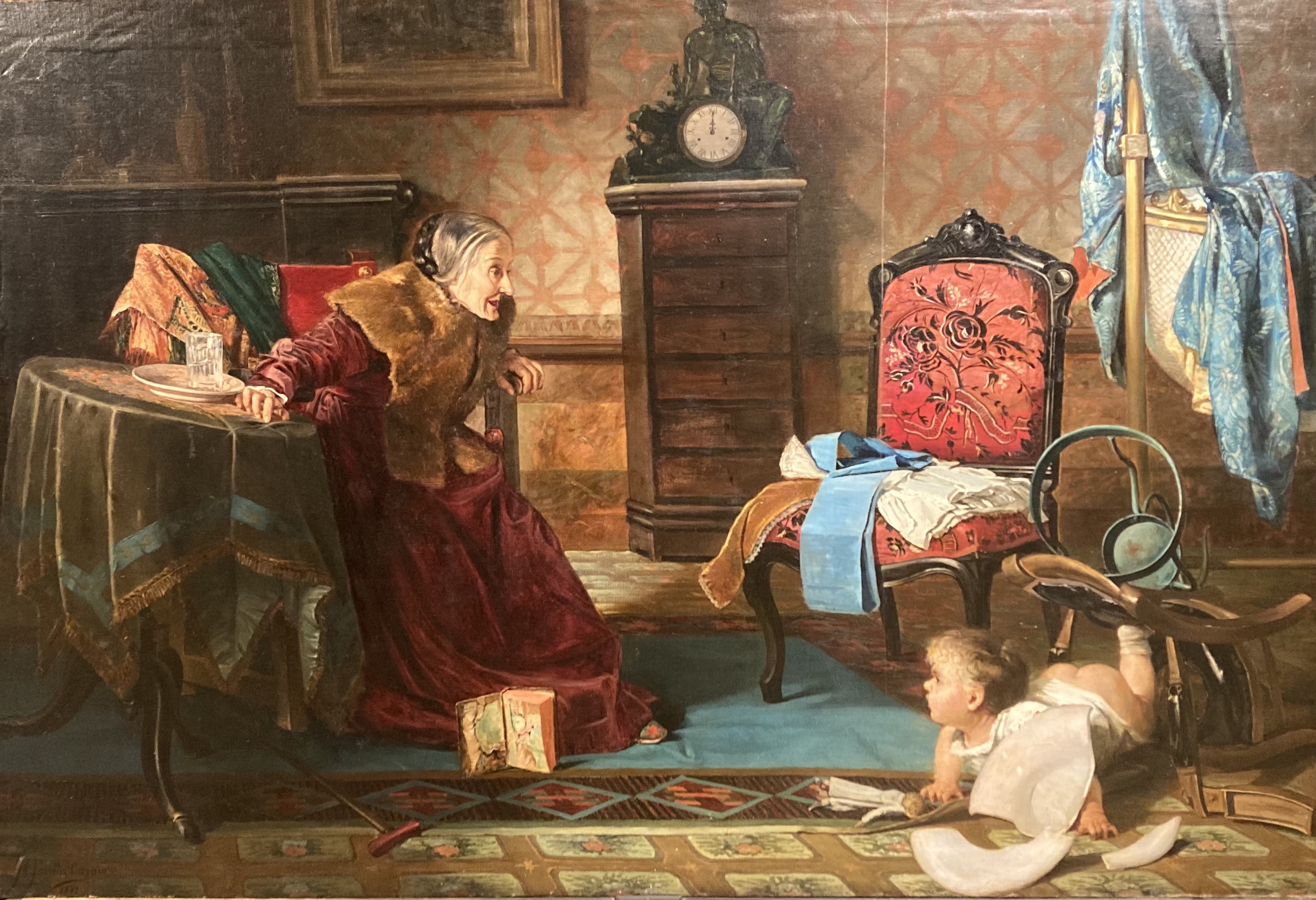
Next destination was the Museo Jaen, to get a snapshot of the history of the city.   There was the usual mutual incomprehension between us and the attendant, but always in good humour and in the end some useful communication. It was also free.The museum consists of two sections: archaeology and fine arts, the latter including many religious paintings and variety of other subjects. T rhetorically asked why there are rarely, if ever, paintings of nude men, whereas, like today, there are plenty of female subjects. D could only point to a nearby statue which was undeniably a naked male. And of course the religious art was everywhere.

And a couple not so religious…..but no nudes

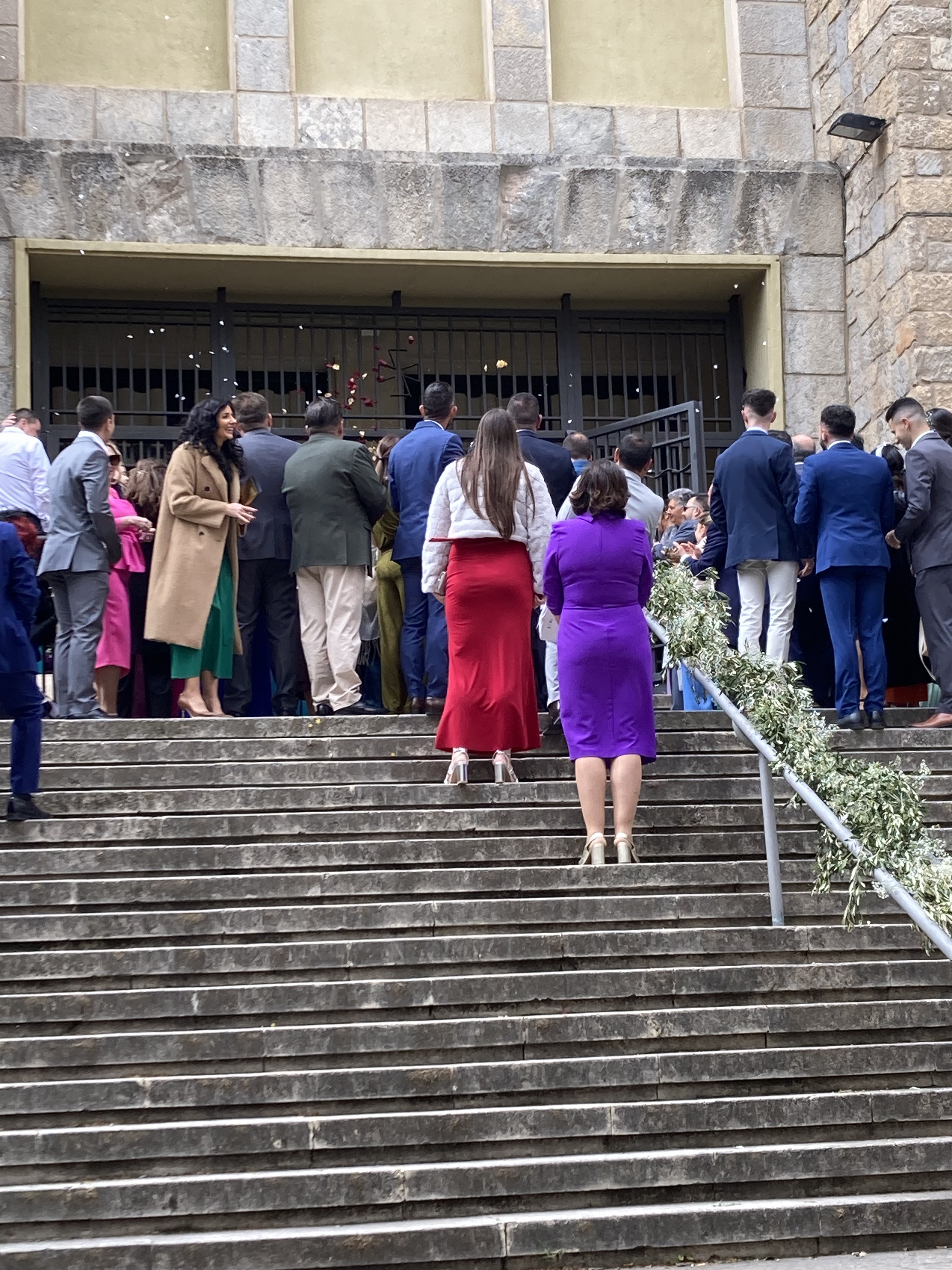
On our way to our next stop we paused to watch a wedding party and guests emerge from a church, Parroquia de Cristo Rey, with lots of singing/chanting, cheering and throwing of confetti. Interestingly, the women were pretty much all dressed in a single, vibrant colour (apart from the bride, of course).

Next was the Museo Ibero, an impressive building and even more impressive historical display, with the main two displays having English translations. Again free, and again some eventual partial understanding of the explanations given in Spanish. One of the attendants continued to deliver instructions or advice well after we’d indicated we had no idea what she was talking about: her colleague eventually rolled her eyes, said ‘bueno’ and waved us away.

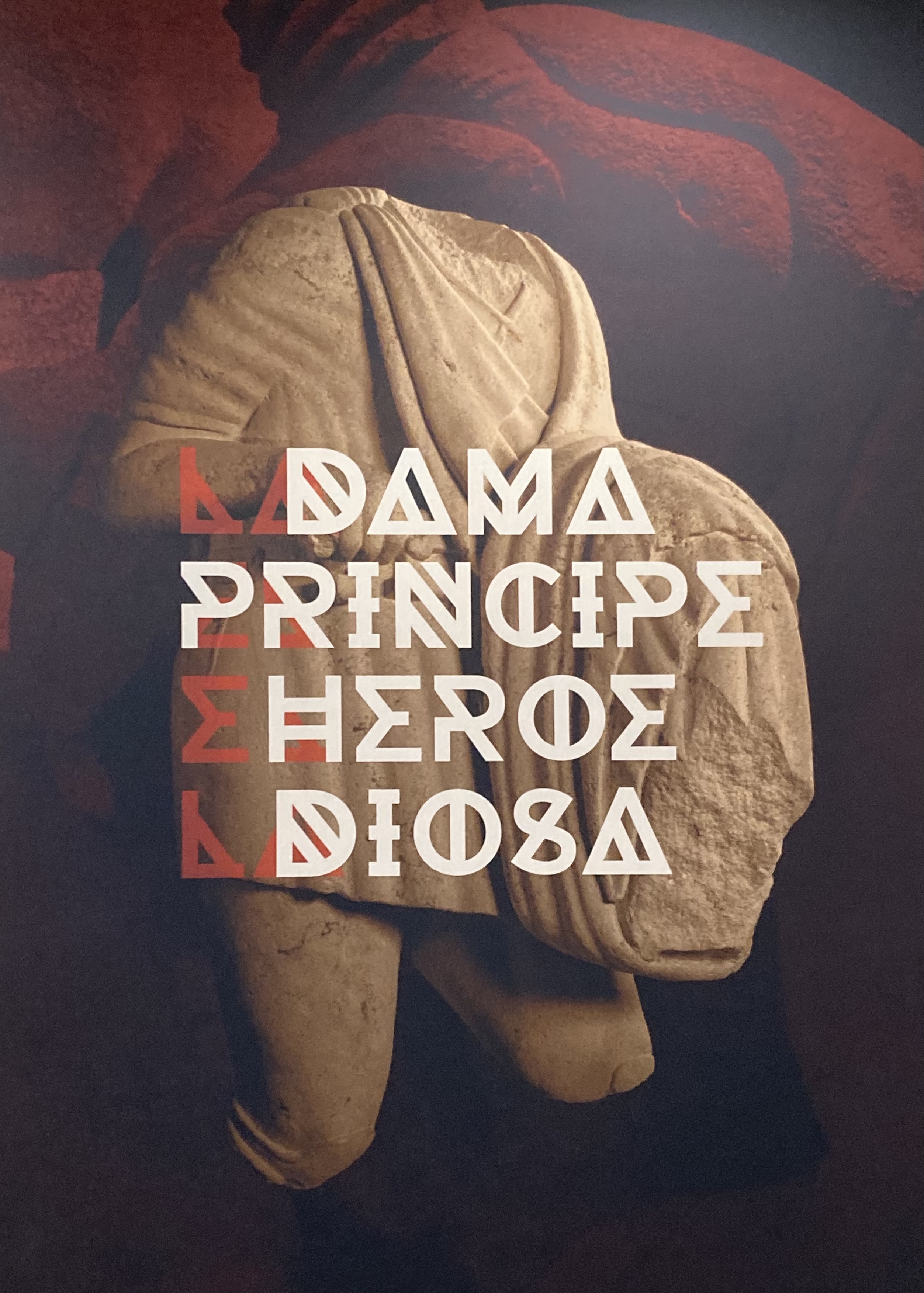
The first display focused on the various Iberian settlements that inhabited the region’s different territories and how they developed, were conquered and freed over centuries. The second display (unfortunately no translation) was of of ancient money – the As and the Dinari: 70 Dinari, by the way, being the annual salary of a Roman Legionnaire. The third display was  also of artifacts, on the basic theme of mythical ‘heroes’. Again, there were English translations.

Rain had threatened but the short showers have been pretty much while we have been inside: our luck is holding. 🤞

Back home to try to find our next location: one with all the facilities but especially accessible parking. We may be dreaming. But after a couple of hours, and switching to AirBnB, we have found (we think) the perfect place outside a tiny village named Zamoranos. Watch this space.

Dinner: Comforting Chicken soup, salad, bread and Brie.

Jaen #4

Day 14. Friday 21 March.

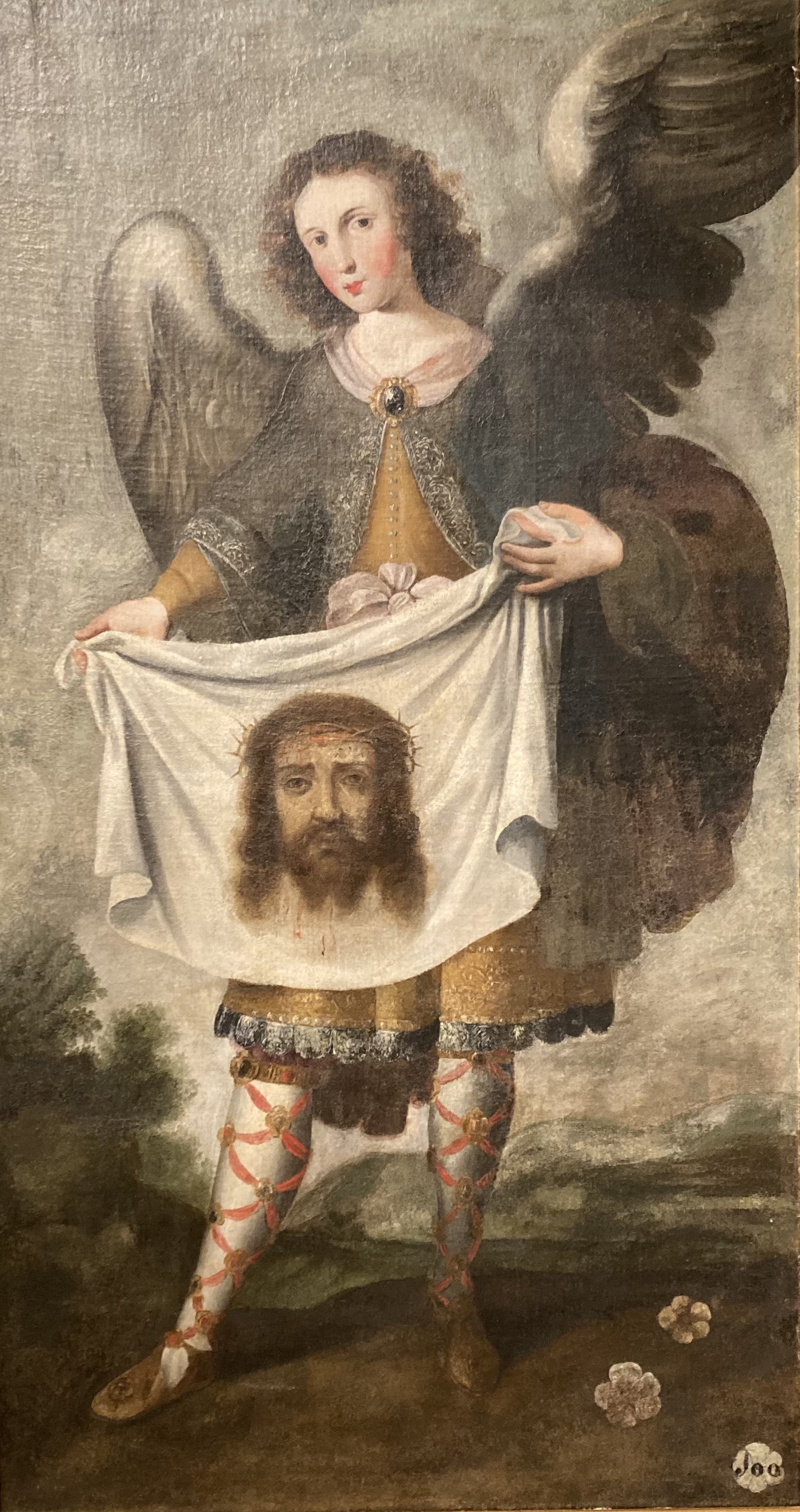
We made it to the Catedral to view the painting of the shroud that has the face of Jesus imprinted. A procession of locals came forward to kiss the icon, while two women recited the Rosary. A seated priest in full regalia also appeared to be saying the Rosary but was seemingly not in the least excited. We were not sure of the protocols: could we take photos (we didn’t) and should we make a donation (we didn’t)? Now not sure whether, after last night’s early departure from the organ concert, that there are now two strikes against us.

But by now being across at least some of the cultural and social norms, we decided to proceed from the viewing to the supermercado to shop, rather than waiting until they are closed. So seemingly, did half of Jaen. I thought the shoppers in Woolies were a hazard: the ones here are legend, but we got out unscathed.

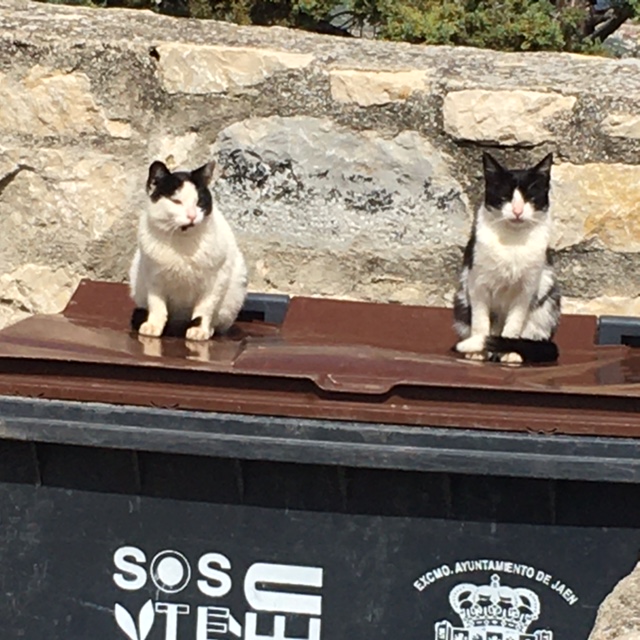
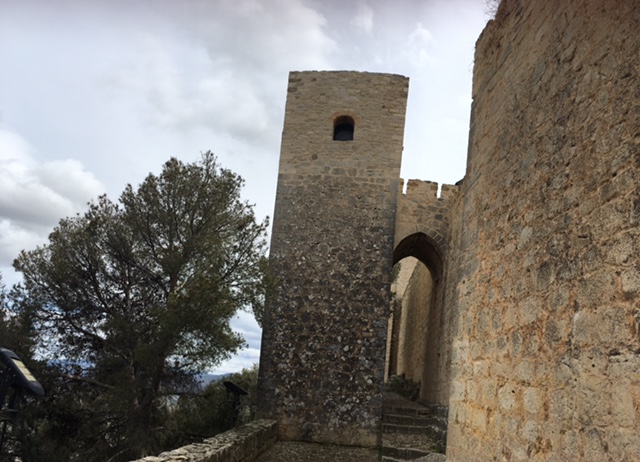
Our next target today was the Castillo de Santa Catalina – no, we are not yet over castles. This involved a drive, so Jose had an outing: it was a bit longer getting there than Google maps indicated, due to missing a few turns, back tracking – Doris up to her tricks. But we made it, with lots of parking in lots of space & the castle cats didn’t blink.

We took the audio tour again, helped along by a very friendly and happy lady in the ticket booth. As well as the historic interest – including what seems to be a pattern of Muslim and Christian occupation of sites – there were great views of Jaen from the castle and the cross. The French had been a bit narky at losing in the 1810-1812 period and had left behind significant destruction, such as poisoning or filling in wells.

After that tour we headed for Alcala la Real, about 36 km away. As we passed a sign to Martos, T said ‘let’s go there’, so we did. It was basically a drive through the town, without a stop. Probably the most significant thing to note were the white houses (and how quiet it was, being the ‘lunch break’ time of day).

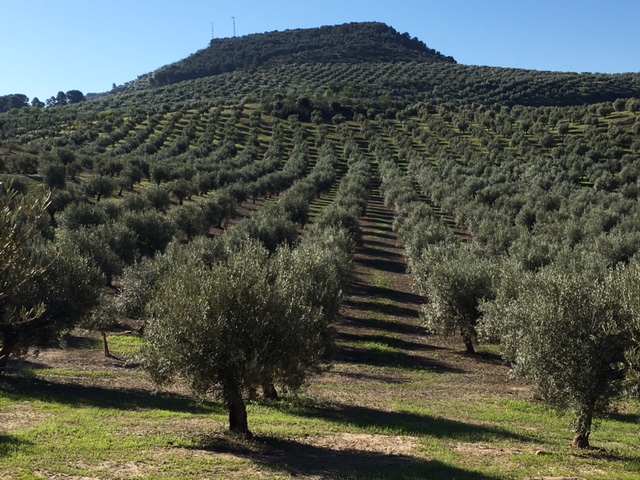
So on to Alcala. The vista was remarkable – endless olive groves stretching up mountain sides, often with a castle or church nestling at the top.

For T, the Magic Moment was the landscape: hill after hill of olive terraces…how are they harvested?

Doris must have been listening to an earlier conversation, because she took us to the Castillo de la Mota, overlooking Alcala. We decided not to take the tour, but just wandered around the base.

Forecast rain started as we headed back for Jaen, trusting Doris to do the right thing. Did she? No way. We were directed to a parking spot, and told we’d have to walk the rest of the way! Fortunately D has remembered the host’s arrival instructions, and some of the roads we have driven on when a bit lost, so we were able to get back. Unfortunately, on one of the very tight turns (we had been warned) Jose suffered a slight scrape on the bumper bar. Bummer.

Dinner. Pork loin, seared and baked, with baked potatoes and carrots and pan fried broccolini, with a Vina Albali Tempranillo Roble 2023.

Something learned today: A Roble is a young wine with a light touch of oak aging retaining the appeal of young wines but also having a hint of oak that makes it smoother and slightly more complex.